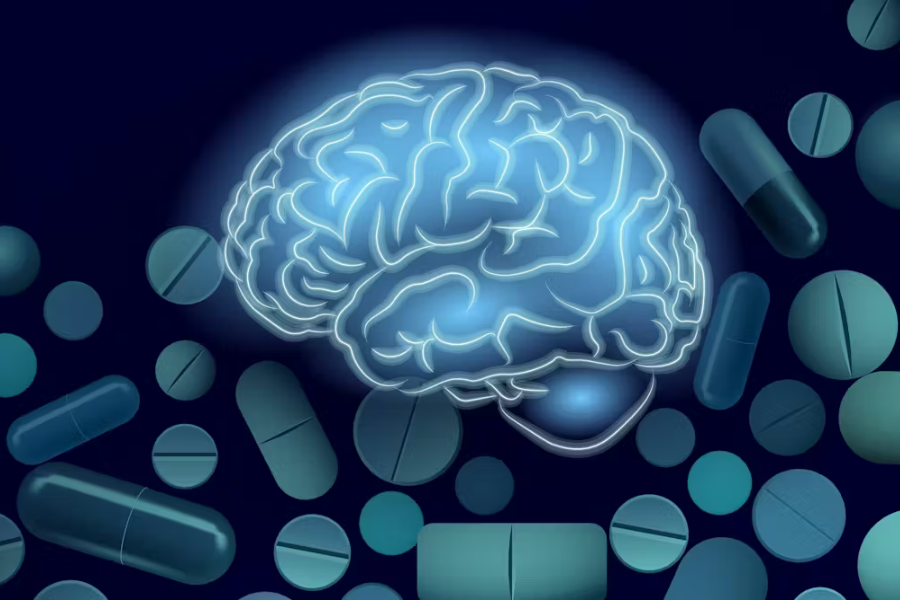
A growing number of people look into nootropics for ADHD when they want better focus, less impulsivity, and clearer thinking. It can be confusing though. You will see everything from prescription stimulants to herbal blends all called “smart drugs” or “brain boosters,” often with big promises and very little research to back them up.
This guide walks you through what nootropics for ADHD actually are, which options have the strongest evidence, and how to think about safety. You will see both prescription and nonprescription examples, plus practical tips to discuss with a healthcare professional before you try anything new.
What nootropics for ADHD really are
Nootropics, also known as “smart drugs” or “cognitive enhancers,” are substances that may improve thinking, learning, memory, or focus. Some people with ADHD hope nootropics will help with attention, impulsivity, and hyperactivity, but they are not a replacement for standard ADHD treatments like medication or therapy as of 2024 to 2025 (Healthline, Polished Mind Psychiatry).
Broadly, you can group nootropics into three categories:
- Prescription medications that clearly affect attention, such as methylphenidate or Adderall
- Synthetic nonprescription compounds, often sold as “research” or “study” aids
- Natural or nutritional options, such as herbs and omega 3 fats
Each group comes with different levels of evidence, risk, and regulation. Understanding where a product fits helps you make a more informed decision.
How ADHD and nootropics interact
ADHD involves differences in brain networks that manage attention, motivation, and impulse control. Many nootropics for ADHD, especially the better studied ones, target brain chemicals like dopamine, norepinephrine, or acetylcholine that play a role in these functions.
A 2022 review notes that nootropics as a class can improve thinking, learning, and memory when cognitive function is impaired, including in conditions like hyperkinetic disorder, a diagnosis related to ADHD, and mild cognitive disorders (NCBI). That does not mean every nootropic works for every person, or that all of them work equally well for ADHD. It means some of these compounds may support brain processes that you rely on for focus and organization.
You also need to remember that ADHD symptoms vary. What helps one person stay on task could make another person anxious or wired. That is why supervised experimentation with a clinician is safer than trying multiple substances on your own.
Prescription nootropics with strong evidence
Several medications used routinely to treat ADHD are technically nootropics because they improve focus and executive function. These are controlled substances, so you can only use them with a doctor’s prescription and regular monitoring.
Methylphenidate (Ritalin and similar)
Methylphenidate is one of the most studied ADHD medications. A 2020 review found that it significantly improved attention and executive function in children with ADHD (Healthline). In practice, it often helps you:
- Start tasks more easily
- Stay on a single line of thought
- Filter out distractions
Because it is a stimulant, methylphenidate can raise heart rate and blood pressure, reduce appetite, or affect sleep. For most people, a careful titration schedule and regular follow ups keep side effects manageable.
Amphetamine stimulants (Adderall and others)
Prescription stimulants such as Adderall are also considered nootropics and are widely used to treat ADHD (BrainFacts). They work in a similar way to methylphenidate, increasing dopamine and norepinephrine levels in key brain areas.
They can be very effective, but they carry risks such as potential dependence and misuse, so medical supervision is essential. If you already take an amphetamine based ADHD medication, layering other stimulating nootropics on top can increase side effects.
Modafinil (Provigil)
Modafinil is a wakefulness promoting agent originally developed for narcolepsy. It is sometimes prescribed off label for ADHD. A 2022 study reported that modafinil improved cognitive performance and reduced impulsivity in children aged 6 to 12 years with ADHD (Healthline). Other reports describe it as boosting cognition, motivation, and sustained focus, often without the same “crash” some people feel with classic stimulants (Mental Health Center).
Even with this promise, modafinil is still a prescription drug with its own set of side effects and potential interactions. It is not a casual add on and you should only consider it in partnership with a clinician.
Combination treatments
Some clinicians experiment with pairing medications, such as atomoxetine with methylphenidate, to reduce side effects or improve adherence. There is some evidence this can help in certain cases, but researchers emphasize the need for more data and careful supervision (Healthline). This is not something to try on your own with leftover prescriptions.
If you are curious about prescription nootropics for ADHD, the safest first step is to talk with a psychiatrist or other prescribing clinician who can explain options based on your health history.
Synthetic nonprescription nootropics
You will also see many nonprescription compounds marketed online as focus aids or “study drugs.” These are not regulated as strictly as medications, and the evidence for ADHD is much thinner.
Racetams: Piracetam and Noopept
Piracetam is a synthetic compound related to the neurotransmitter GABA. It appears to enhance cognitive function by boosting blood flow to the brain and supporting neurotransmission. Some studies show improvements in learning and memory, and there is use in developmental dyslexia in children, although trials in Alzheimer’s were not very successful (NCBI). For ADHD, one report suggests doses between 3,200 and 6,400 mg may support concentration and energy, but evidence remains limited (Mental Health Center).
Noopept is a related compound that is more potent at much lower doses, typically 10 to 40 mg. It is reported to improve memory retention and recall, enhance focus for longer periods, and support the formation of new synapses and neurons, with minimal side effects in some 2026 data (Mental Health Center).
At the same time, brain science experts emphasize that there is limited research supporting racetams in healthy adults, and there is no specific endorsement for ADHD treatment yet (BrainFacts). Quality control is another concern, since many products are sold as supplements rather than regulated drugs.
Cholinergic compounds: DMAE and meclofenoxate
DMAE (deanol) and meclofenoxate affect acetylcholine, a neurotransmitter important for memory and attention. DMAE has been tested in children with hyperkinetic syndrome and minimal brain dysfunction syndrome, and animal studies show improved alertness and spatial memory at daily doses of 500 to 2,000 mg (NCBI).
Meclofenoxate is about twice as effective as DMAE at increasing brain acetylcholine. It has shown benefits for memory impairment and reducing neuronal damage, suggesting a possible role in cognitive disorders including ADHD related conditions (NCBI).
Despite these findings, both compounds still lack large, modern trials in people with ADHD. If you consider them, you should treat them as experimental, and involve a clinician who understands both ADHD and supplements.
Natural and nutritional nootropics
If you prefer to start with gentler options, several natural compounds have some evidence for cognitive support. They may not match the strength of prescription medications, but they can play a complementary role for some people.
Herbal options: Ginkgo, ginseng, and more
Ginkgo biloba helps maintain healthy blood flow to the brain and has been used to support attention and cognitive performance. It can increase attention spans in individuals with ADD and ADHD and is often paired with Panax ginseng, an herb that boosts dopamine and norepinephrine levels, improves cognitive performance, and enhances memory (Mental Health Center).
Other research on natural nootropics like Panax ginseng describes antioxidant and memory enhancing effects in animal studies. These effects may support synaptic plasticity and neurotransmitter systems that matter in ADHD (NCBI).
At the same time, studies in humans with ADHD are still limited. Healthline notes that herbal options like Ginkgo biloba should be used cautiously, especially in children, because of limited evidence and possible drug interactions (Healthline).
Omega 3 fatty acids
Omega 3 fats, like those found in fish oil, are often mentioned as supportive for brain health. Some research suggests they may offer cognitive benefits and could be a helpful add on for ADHD, but the data is not strong enough to treat them as a standalone solution (Healthline). They tend to have a good safety profile when used at standard doses, which makes them a reasonable topic to raise with your clinician.
Everyday nootropics: Caffeine and L theanine
Common nootropics such as caffeine are widely used to boost focus and mental energy, even though they are not prescribed for ADHD. Caffeine promotes alertness, and when combined with L theanine, an amino acid in green tea, it may improve attention and reduce jitteriness (Polished Mind Psychiatry).
For ADHD specifically, the evidence is mixed. Some people feel more focused with a small amount of caffeine, while others feel anxious, scattered, or have trouble sleeping. If you already take stimulant medication, you need to be especially careful about adding more stimulants, even in coffee form.
Amino acids: L tyrosine
L tyrosine is an amino acid involved in producing dopamine, norepinephrine, and epinephrine. Research dating back to the 1980s suggests a possible link between L tyrosine deficiency and ADD, and more recent reports describe it as a way to boost focus and energy levels for ADHD by increasing these neurotransmitters (Mental Health Center).
You can find L tyrosine in some pre workout formulas and nootropic blends. It may be useful in specific situations like high stress or heavy cognitive demand, but if you have ADHD medications on board, you should still run it by your prescriber.
Safety, risks, and side effects
One of the biggest challenges with nootropics for ADHD is that the evidence is mixed. Some studies show clear benefits, others show no effect, and in a few cases, performance actually gets worse (BrainFacts). That uncertainty makes safety and monitoring crucial.
Polished Mind Psychiatry highlights several potential risks when you explore nootropics on your own, including headaches, digestive upset, sleep changes, drug interactions, and concerns for pregnant or breastfeeding individuals (Polished Mind Psychiatry). Prescription stimulants in particular carry risks like appetite loss, cardiovascular strain, and potential dependence, which is why they are controlled substances in the United States (BrainFacts).
Natural does not automatically mean safe. Herbs like Ginkgo can interact with blood thinners or other medications, and nutritional compounds can still cause side effects at high doses. For children and teens, the bar for safety is even higher, since their brains and bodies are still developing.
How to approach nootropics for ADHD wisely
If you decide to explore nootropics for ADHD, you will get better results and fewer problems if you treat it as a structured experiment instead of trial and error shopping.
Here is a simple framework you can follow with a healthcare professional:
-
Clarify your goals
Decide what you actually want help with. Starting tasks, staying on them, working memory, emotional regulation, or reducing side effects from current medications will each suggest different strategies. -
Review your current treatment
Look at what you already use: prescription meds, therapy, sleep habits, caffeine, supplements. Nootropics work best when they fit into a bigger plan rather than acting as a random extra. -
Choose one change at a time
Add only one new substance or change at once so you can clearly see what it does. This might mean a prescription medication adjustment, a trial of omega 3s, or a carefully chosen herbal blend. -
Track responses
Keep a brief daily log for a few weeks. Note focus, mood, sleep, appetite, side effects, and how your days feel overall. This helps you and your clinician decide whether to keep, adjust, or stop a nootropic. -
Reassess regularly
As your life and stress levels change, your ADHD needs change too. Schedule regular check ins to revisit what is working. Polished Mind Psychiatry recommends this kind of ongoing professional support instead of self medicating, especially in states where they provide direct care such as Texas, Washington, California, Iowa, and New York (Polished Mind Psychiatry).
Nootropics for ADHD can be helpful tools, but they work best when you use them with clear goals, realistic expectations, and professional guidance. Instead of searching for a miracle pill, you can think of them as one part of a broader strategy that also includes sleep, movement, structure, therapy, and self compassion.
If you are ready to explore your options, consider writing down your top three ADHD challenges and bringing them to your next appointment. That simple preparation can turn a vague “what should I take” conversation into a focused plan tailored to you.
About the Author