Understand what keto macros are
If you want keto macros explained in simple terms, start with the basics. Macros, short for macronutrients, are the three main building blocks of your diet: fat, protein, and carbohydrates. They supply all of your calories and they determine whether your body burns sugar or fat for fuel.
On a ketogenic diet, you intentionally change your macro ratio so you eat very few carbs, moderate protein, and a lot of fat. This shift helps you enter ketosis, a metabolic state where your body burns fat and produces ketones for energy instead of relying on glucose from carbs (Harvard T.H. Chan School of Public Health).
Typical calorie values per gram look like this (MyFitnessPal Blog):
- Protein: 4 calories per gram
- Carbohydrates: 4 calories per gram
- Fat: 9 calories per gram
Understanding these numbers helps you see how different foods add up to your daily macro targets.
Why macros matter more than “keto” labels
For weight loss and body composition, your total calorie intake still matters more than any specific macro ratio (Health.com, Performance Lab). Keto macros simply give you a framework so you can:
- Keep carbs low enough to reach and maintain ketosis
- Eat enough protein to protect muscle
- Use fat as your main fuel and adjust it to hit a calorie deficit, maintenance, or surplus
You can think of keto macros as the structure, and calories as the foundation that actually drives fat loss or gain.
Learn the standard keto macro ratios
Several trusted sources give slightly different percentages, but they all follow the same pattern: very low carb, moderate protein, high fat.
Commonly recommended keto macro ranges include:
- Carbohydrates: around 5 to 10% of calories
- Protein: around 20 to 30% of calories
- Fat: around 60 to 80% of calories
For example:
- Perfect Keto suggests about 5% carbs, 70 to 80% fat, and 20 to 30% protein, with carbs generally between 20 and 50 grams of net carbs per day (Perfect Keto).
- Health.com describes keto macros as 5 to 10% carbs, 55 to 60% fat, and 30 to 35% protein, with most people staying under 50 grams of carbs per day (Health.com).
- Abbott Nutrition notes that many keto followers aim for roughly 75% fat, 20% protein, and 5% carbs (Abbott Nutrition).
The exact numbers are less important than the overall pattern. You keep carbs very low, keep protein in the moderate range, and fill the rest of your calories with fat.
Example daily macros for a 2,000 calorie keto diet
Harvard T.H. Chan School of Public Health gives this typical breakdown for a 2,000 calorie ketogenic diet (Harvard T.H. Chan School of Public Health):
- About 40 grams of carbohydrate
- About 75 grams of protein
- About 165 grams of fat
Your exact needs will vary based on your size, activity level, body fat, and goals, but this example shows how heavily skewed a keto diet is toward fat.
Get your carbs right for ketosis
Carbohydrates are the most restrictive macro on keto. You will want carbs explained clearly since this is where many people slip up.
How low should your carbs be?
Most keto guides recommend:
- Under 50 grams of carbs per day, and
- Often 20 grams or less in the first phase to induce ketosis, especially for a 2,000 calorie diet (Health.com, ruled.me)
Ruled.me, which provides a detailed keto calculator, suggests keeping carbs at about 5% of total calories, averaging roughly 20 grams of net carbs per day to reliably enter and maintain ketosis (ruled.me).
Net carbs vs total carbs
You will often see “net carbs” mentioned in keto communities. Net carbs usually mean:
Net carbs = total carbs minus fiber and some sugar alcohols
The idea is that fiber and certain sugar alcohols are not fully digested, so they have less effect on blood sugar and ketones. Many keto calculators, such as the one from Ruled.me, base their recommendations on net carbs to help you stay in ketosis (ruled.me).
However, this is not an exact science. Harvard T.H. Chan School of Public Health notes that “net carb” calculations are not precise and their value is debated in the keto community, especially for sugar alcohols (Harvard T.H. Chan School of Public Health).
Perfect Keto even suggests tracking total carbs, not just net, for more reliable results, because some low net carb processed foods can still spike blood sugar (Perfect Keto).
A simple approach:
- If you eat mostly whole foods, tracking net carbs can work well.
- If you rely on keto bars and packaged snacks, consider tracking total carbs to be safe.
Carb-heavy foods to avoid or limit
To hit keto carb targets you will most likely need to cut or significantly reduce:
- Bread, pasta, rice, and cereal
- Potatoes and other starchy vegetables
- Most fruits (especially bananas, apples, grapes, and tropical fruits)
- Beans and lentils
- Sugary drinks, desserts, and candy
Instead, you build your carbs mostly from:
- Leafy greens
- Low carb vegetables like broccoli, cauliflower, zucchini, and bell peppers
- Small portions of lower sugar fruits like berries if they fit your macros
Balance protein without kicking yourself out of ketosis
Protein is essential for preserving muscle, especially when you are losing weight. On keto, you need enough protein, but not so much that your body turns a large portion of it into glucose, which can potentially interfere with ketosis (Abbott Nutrition).
How much protein should you eat?
Most keto macro guidelines suggest moderate protein, often around 20 to 30% of your daily calories (Perfect Keto, Health.com).
More specific ranges based on lean body mass include:
- For weight loss and muscle maintenance: about 0.6 to 0.8 grams of protein per pound of lean body mass (ruled.me, Perfect Keto)
- For more active people or those focused on gaining muscle: around 0.8 to 1.2 grams per pound of lean body mass (ruled.me, Perfect Keto)
Ruled.me points out that protein should be tailored to your activity level so you avoid losing muscle or lowering your ketone levels unnecessarily (ruled.me).
Signs you might need to adjust protein
You may want to increase protein if:
- You feel unusually weak or sore after workouts
- You are losing weight but also noticing muscle loss
- You are constantly hungry despite hitting your fat target
You may want to decrease protein slightly if:
- You are eating high amounts of very lean protein
- You struggle to get into ketosis after several consistent low carb days
- You are focusing more on keto for therapeutic reasons and need very strict ketone levels
Protein is not something you need to fear on keto, you just want to avoid treating it like a high protein bodybuilding plan.
Let fat do the heavy lifting
In most diets, you have probably been told to avoid fat. On keto, fat becomes your main energy source.
Why fat is so high on keto
Since carbs are cut very low and protein stays moderate, fat fills the gap and supplies the majority of your calories. Many guides recommend:
- About 70 to 80% of your daily calories from fat, especially when you start keto (Perfect Keto, Abbott Nutrition, Harvard T.H. Chan School of Public Health)
Ruled.me describes fat as your “lever.” You keep carbs and protein mostly fixed at the recommended levels, then adjust fat to increase or decrease your total calories in order to gain, maintain, or lose weight (ruled.me).
Healthy fat sources to focus on
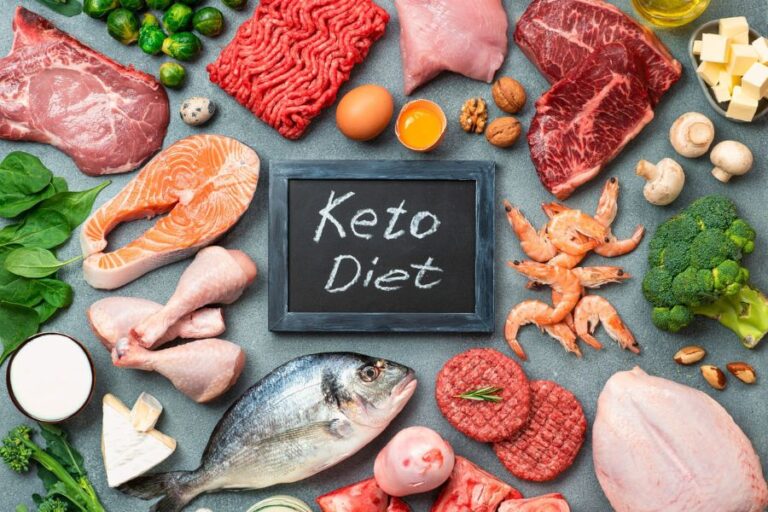
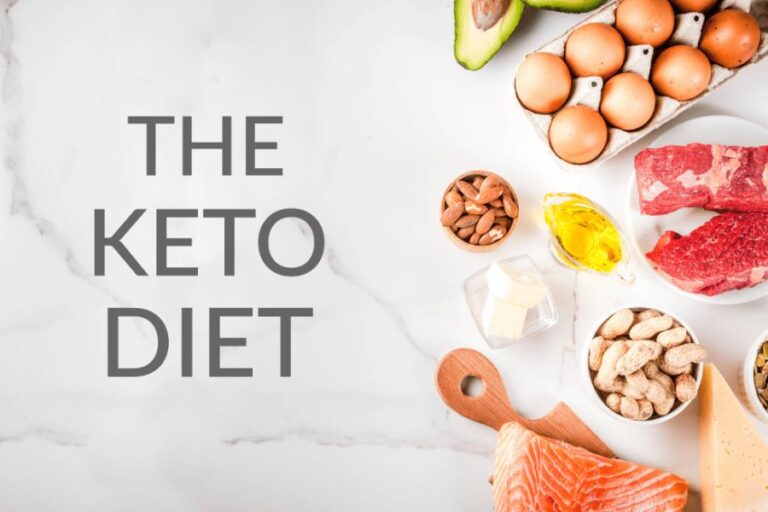
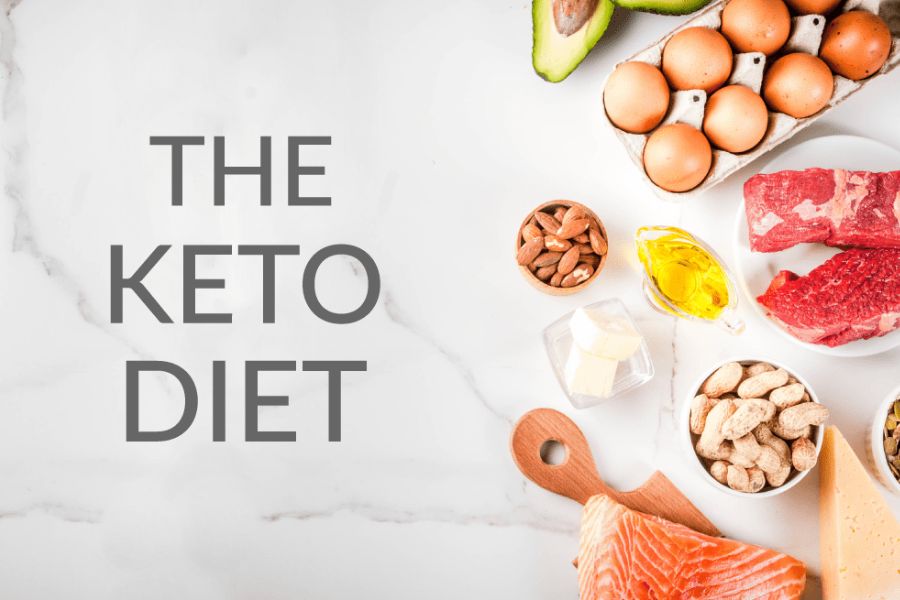
You do not have to drown everything in butter to eat high fat. Many whole foods naturally fit keto macros:
- Fatty cuts of meat and poultry with skin
- Salmon, mackerel, sardines, and other oily fish
- Eggs
- Avocados and olives
- Nuts and seeds in moderate portions
- Fats and oils such as olive oil, avocado oil, coconut oil, and butter
Harvard T.H. Chan School of Public Health highlights these types of fats as core foods in a ketogenic diet, alongside very low carb vegetables (Harvard T.H. Chan School of Public Health).
Do you have to add fat to everything?
Not necessarily. If you are eating well marbled meats, whole eggs, and some nuts or avocado, you may find that you reach your fat macro without adding tablespoons of oil to every plate.
However, when you first start keto, adding a bit of extra fat can:
- Help you feel full while your body adapts
- Make low carb veggies more satisfying
- Replace the calories you used to get from carbs
Over time, you can adjust your fat intake downward if your goal is weight loss and you want a calorie deficit.
Use keto calculators to personalize your macros
So far you have seen keto macros explained in general percentages. To make them work for you, you will want numbers tailored to your body and goals.
How keto macro calculators work
Tools like the Ruled.me Keto Calculator and the Perfect Keto Macro Calculator estimate your:
- Basal Metabolic Rate (BMR), the calories your body needs at rest
- Total Daily Energy Expenditure (TDEE), which accounts for your activity level
They typically use the Mifflin St. Jeor formula to calculate these values, then ask for your:
- Age, sex, height, and weight
- Estimated body fat percentage
- Activity level
- Goal, such as weight loss, maintenance, or muscle gain
Based on this, they give you specific daily targets for:
- Carbs
- Protein
- Fat
Using your body fat percentage helps the calculators estimate lean body mass and set protein correctly. That way you can protect muscle while adjusting fat to change your calorie intake as needed (ruled.me).
Why a calculator beats guessing
If you estimate your own macros by eye, you might:
- Set protein too low and lose muscle along with fat
- Keep calories too high and stall your progress
- Go too low on carbs at first and feel worse than you need to
A calculator gives you a realistic starting point. From there, you can:
- Track results for a couple of weeks
- Adjust fat up or down to speed up or slow down weight changes
- Tweak protein slightly if you are very active or mostly sedentary
Track your macros without overcomplicating it
Knowing your keto macros is one step. Hitting them consistently is what actually changes your body and your energy levels.
Simple ways to track your food
Popular methods include:
-
Food journal
You can write what you eat and look up macros using online databases or nutrition labels. This method is flexible but slower. -
Macro or calorie tracking apps
Apps like those highlighted by Abbott Nutrition and MyFitnessPal can calculate the percentage of calories you get from each macro in real time and show how your day compares to your targets (Abbott Nutrition, MyFitnessPal Blog). -
Pre planned meals
Once you find a few keto meals you enjoy, you can repeat them often. This reduces the need for daily tracking, since you already know about how they fit your macros.
Macros versus calories
Tracking calories alone tells you how much you eat. Tracking macros shows you what your calories are made of. For keto, this is especially important, because:
- Too many carbs can kick you out of ketosis
- Too little protein can cost you muscle
- Too little fat can leave you starving and more likely to break your plan
MyFitnessPal recommends focusing on calories first, then adding macro tracking once you are comfortable, since this gives you a complete picture of both quantity and quality of your diet (MyFitnessPal Blog).
Explore different types of keto macro setups
You do not have to follow a single rigid keto plan forever. Variations exist to match different lifestyles and activity levels.
Standard keto diet (SKD)
This is what most people mean when they say “keto.” It generally looks like:
- Very low carbs, often less than 50 grams per day and sometimes less than 20 grams to start
- Moderate protein
- High fat
SKD is usually recommended for weight loss and general health improvements (Health.com).
Targeted keto diet (TKD)
If you are active and perform intense workouts, a targeted keto diet allows small amounts of carbs around training sessions. This can support performance while you remain mostly in ketosis the rest of the time (Health.com).
Cyclical keto diet (CKD)
Cyclical keto involves spending most days in ketosis, then having planned higher carb days. Some people use this approach to support heavy training schedules or to make the diet feel more sustainable (Health.com).
High protein keto diet (HPKD)
In a high protein version, you increase protein and reduce fat somewhat. Health.com notes that this may not maintain ketosis as reliably, so it can become more of a lower carb, high protein diet rather than classic keto (Health.com).
Your best choice depends on your schedule, your workouts, and how strict you want to be about staying in ketosis.
Understand how keto macros affect weight loss and health
You are probably most interested in keto macros explained in terms of results. How do they actually help you lose weight or improve your health?
Why keto can support fat loss
Several mechanisms are at play:
-
Ketosis and fat burning
When carbs are very low and protein is moderate, your body runs out of glucose and begins producing ketone bodies from fat. This shift encourages your body to tap into stored fat for energy (Harvard T.H. Chan School of Public Health). -
Appetite changes
Health.com notes that ketosis and high fat intake may reduce appetite hormones like ghrelin. Many people naturally feel less hungry and find it easier to eat fewer calories without forcing restriction (Health.com). -
Steady energy and blood sugar
Because you are not constantly spiking and crashing blood sugar with high carb foods, you may feel more stable energy across the day.
That said, a calorie deficit is still the main driver of fat loss, even on keto. If you eat more calories than you burn, you will not lose fat regardless of how “keto friendly” your macros look (Health.com, Performance Lab).
Health considerations and potential downsides
Keto can be effective for short term weight loss, but it is not perfect for everyone.
Health.com and Harvard T.H. Chan School of Public Health both point out that:
- Long term sustainability can be hard, especially if you enjoy higher carb foods
- You may miss out on certain nutrients if you heavily restrict fruits, whole grains, and legumes
- Side effects like “keto flu,” constipation, or low energy can occur if you are not careful with hydration and electrolytes (Health.com, Harvard T.H. Chan School of Public Health)
Abbott Nutrition also emphasizes the importance of micronutrients and hydration. Getting enough potassium, calcium, and vitamins C and B, as well as drinking plenty of water, can help reduce side effects when starting keto (Abbott Nutrition).
Combine keto macros with lifestyle basics
You can get your keto macros explained down to the gram, but if your habits do not support them, results will still be limited.
Key lifestyle habits to pair with keto
-
Stay hydrated
Low carb diets can cause your body to flush water and minerals. Drink enough fluids and consider sources of electrolytes like salt and mineral rich foods. -
Move regularly
You do not need extreme workouts, but walking, resistance training, or other activities help protect muscle and support overall health. -
Watch your micronutrients
Include low carb vegetables, some nuts and seeds, and possibly supplements if recommended by a healthcare professional to cover vitamins and minerals. -
Give your body time to adapt
The first couple of weeks on keto can feel different as your body shifts from burning carbs to relying more on fat and ketones. Patience during this phase makes a big difference. -
Adjust based on your experience
As Performance Lab notes, the best diet is one you can follow consistently. It is okay to adjust your macros, or even your entire approach, based on what you can maintain in real life (Performance Lab).
Put it all together: your next steps
To turn macro theory into daily habits, you can:
-
Clarify your goal
Decide whether you primarily want fat loss, maintenance, or muscle gain. -
Use a keto macro calculator
Plug your stats into a tool like the Ruled.me or Perfect Keto calculators to get your personalized carb, protein, and fat targets (ruled.me, Perfect Keto). -
Plan a simple day of meals
Build meals around:
- Non starchy vegetables
- Moderate portions of protein
- Healthy fats for cooking and flavor
-
Track for at least a week
Use a food journal or app to see how closely you match your macro goals each day. -
Tweak based on how you feel and what the scale shows
If your energy is low, adjust protein or total calories. If weight loss stalls for several weeks, consider a small calorie reduction by trimming fat portions.
You do not have to get everything perfect from day one. Your understanding of keto macros will grow as you see how different foods and portions affect your body, your hunger, and your progress. Starting with clear, personalized macro targets simply gives you a reliable roadmap for using keto to support your weight and health goals.
About the Author