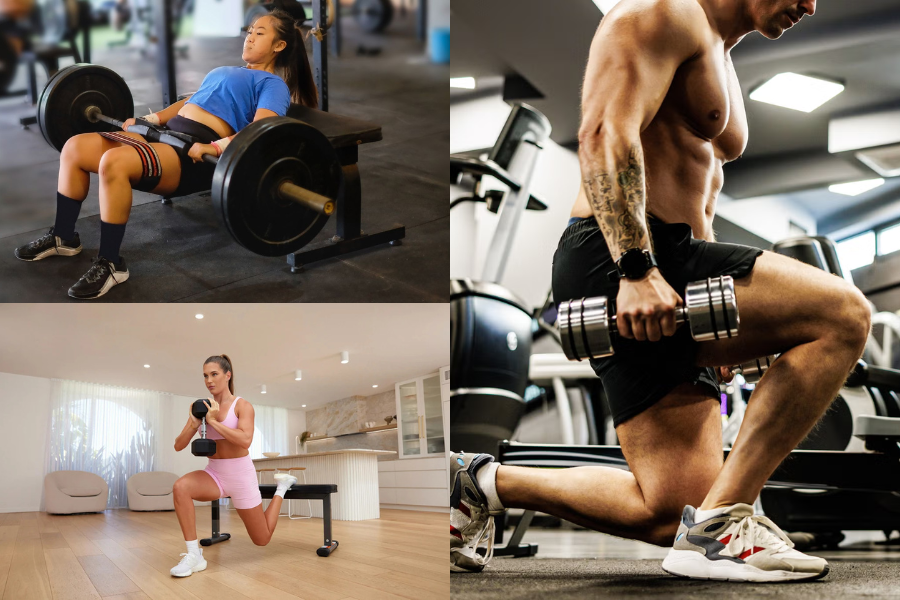
Resistance band glute workout training can transform the way you build lower-body strength without heavy weights or bulky machines. You simply use elastic bands to add resistance that targets your glutes, helping you tone and strengthen these critical muscles. If you are looking for an easy, affordable, and effective way to enhance your fitness routine, this guide will show you how to get started.
Start with a proper warm-up
Before you dive into glute exercises, set aside a few minutes to prepare your body. Warming up creates a foundation for better form and reduces the risk of injury.
Dynamic moves to consider
- Light cardio such as marching or jogging in place for about one minute
- Hip circles to loosen tightness around your hips and lower back
- Simple bodyweight squats, focusing on smooth, controlled motions
Master proper band placement
Getting the band in the correct spot can make or break your workout. A band placed too high or too low can shift the focus away from your glutes and onto your knees or calves.
Suggested positions
- For squats and lunges, place the band just above your knees
- For glute bridges or hip thrusts, use two bands: one around your thighs and one around your ankles for extra tension
- Wrap the band around your feet or ankles for kickbacks, ensuring it stays taut without riding up
Perform key glute exercises
There are several must-try moves to help you get the most from your resistance band glute workout. Aim for smooth and controlled repetitions, keeping tension on the band.
Top banded exercises
- Banded squats:
- Stand with feet shoulder-width apart
- Place the band above your knees
- Lower into a squat, pushing your knees outward against the band
- Return to standing with a controlled lift
- Glute bridges:
- Lie on your back with knees bent and feet flat
- Position the band above your knees
- Lift your hips until your body forms a straight line from shoulders to knees
- Squeeze your glutes at the top before lowering
- Kickbacks:
- Place the band around your ankles
- Stand tall and hold onto a stable surface
- Extend one leg straight behind you, focusing on your glute
- Pause briefly, then return to the start position
- Clamshells:
- Lie on your side with knees bent
- Keep your ankles together and lift your top knee against the band’s resistance
- Slowly lower your knee creating constant tension
Challenge yourself with progression
As your glutes get stronger, you will need to increase the challenge to keep seeing results. Progression is key to maximizing your workouts and continuing to build strength.
Ways to add intensity
- Switch to a heavier band with more resistance
- Add extra sets or increase your reps
- Slow down the tempo of each rep to keep muscles engaged
- Combine moves into supersets, for example, doing a set of squats followed by kickbacks without resting
End with a cool-down
Cooling down helps reduce muscle soreness and promote better recovery. By taking time to gently stretch your glutes, quads, and hamstrings, you can stay limber and ready for your next session.
Simple stretches
- Figure-four stretch: Cross one ankle over the opposite knee and gently pull legs toward your chest
- Standing quad stretch: Grab your ankle and gently bring your heel toward your glutes
- Forward fold: Stand with feet under your hips, bend forward at the waist, and let your arms relax toward the floor
Key takeaways
- Always warm up before you start your resistance band glute workout to prepare your muscles
- Focus on proper band placement so your glutes remain the target during each exercise
- Choose a manageable number of exercises and do them with controlled movements
- Progress by using heavier bands, adding reps, or combining different exercises
- End each session with a few minutes of stretching to support healthier, more flexible muscles
Try adding these moves to your workout routine to give your glutes the attention they need. With consistency and a focus on form, you will see and feel the difference in how your body looks and performs.
About the Author