A scoop of whey protein powder can do far more than just bulk up a smoothie. When you understand the real, science-backed benefits of whey protein powder, it becomes easier to decide if it deserves a spot in your daily routine.
Below, you will see how whey can support your muscles, weight, energy, and long-term health, and where you should be cautious.
What whey protein powder actually is
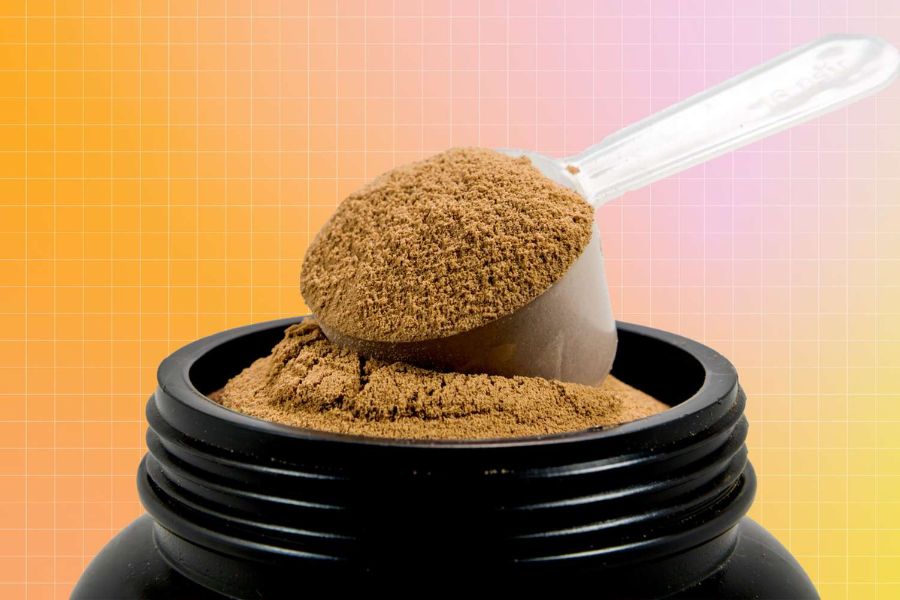
Whey protein comes from milk. When milk is strained to make cheese or yogurt, a liquid by-product called whey is left behind. That liquid is then filtered, dried, and turned into the powder you see in tubs at the store.
Whey protein powder is considered a high quality, complete protein because it contains all nine essential amino acids your body cannot make on its own and it is quickly digested and absorbed (Healthline, Verywell Fit). It is also naturally low in lactose, which can be helpful if you are mildly lactose intolerant (Verywell Fit).
A typical scoop of whey protein powder provides around 10 to 30 grams of protein, depending on the brand, plus small amounts of fat, carbs, and minerals like calcium (Verywell Fit, Harvard Health Publishing).
How whey supports muscle growth and strength
If you lift weights or do any kind of resistance training, the benefits of whey protein powder for your muscles are significant.
Whey is rich in branched chain amino acids, especially leucine, which is known as a powerful trigger for muscle protein synthesis, the process your body uses to build and repair muscle (Healthline, Verywell Fit). Because whey is digested quickly, those amino acids reach your muscles fast after a workout.
Multiple studies show that whey protein, combined with resistance training, helps increase muscle strength, lean body mass, and muscle hypertrophy in both younger and older adults (WebMD). In one randomized 12 week study, people who took a protein blend containing hydrolyzed whey before and after workouts experienced greater muscle size and strength gains than those taking a placebo, even though their overall daily protein intake was not higher (PMC).
This suggests two key points that can guide your own routine:
- You benefit most when you pair whey with resistance exercise.
- Timing your whey intake around your workouts can enhance results, even if your total daily protein is not extremely high (PMC).
If you are trying to maintain muscle as you age, whey can also help slow age related muscle loss when combined with strength training (Healthline).
Weight loss and appetite control benefits
Whey protein powder is not a magic weight loss product, but it can make fat loss more efficient, especially when you are in a calorie deficit.
Protein is naturally filling, and whey seems particularly effective at increasing satiety and affecting appetite regulating hormones. Studies show that whey can help you feel fuller, reduce energy intake at later meals, and support better adherence to a reduced calorie diet (WebMD, Healthline).
In a meta analysis of 14 studies with 626 adults, whey protein, when combined with resistance exercise or weight loss diets, improved body weight and body fat reduction compared with control groups (Verywell Fit).
One 12 week randomized, double blind trial used a specialized whey fraction called Prolibra and found that people taking it lost significantly more body fat than those drinking an isocaloric control beverage. The Prolibra group lost about 6.1 percent of their body fat mass, which is above the 5 percent threshold considered clinically meaningful for reducing obesity related disease risk (Nutrition & Metabolism).
Whey also seems to help your body favor fat loss while preserving lean tissue. In that same study, those taking Prolibra lost less lean muscle mass and had a higher ratio of fat to lean mass lost compared with the control group (Nutrition & Metabolism).
For you, this means whey can be a helpful tool if:
- You are reducing calories and want to keep muscle while losing fat.
- You struggle with feeling hungry between meals.
- You want a simple way to raise your protein intake without adding many extra calories.
Heart, blood sugar, and metabolic health
Some of the benefits of whey protein powder go beyond muscles and body composition.
Research suggests whey can positively influence several markers related to heart and metabolic health:
- Blood pressure: A 2023 review of 18 studies found that daily whey protein, especially more than 30 grams of whey isolate for at least 10 weeks, may help lower systolic blood pressure in people with a body mass index between 25 and 30 (Healthline).
- Vascular function: In people with obesity, whey supplementation has been linked to lower blood pressure and improved vascular function after 12 weeks, although more research is needed (Verywell Fit).
- Blood sugar and type 2 diabetes: Whey can help improve insulin secretion, blood sugar control, and appetite regulation, which may support type 2 diabetes management when you choose low sugar, low carb products and use them alongside an overall healthy eating plan (Healthline).
On top of that, whey contains amino acids like cysteine that help boost levels of glutathione, one of your body’s key antioxidants. This may contribute to improved immune function and protection against oxidative stress (Healthline, WebMD).
Recovery and everyday energy
If you feel wiped out after workouts, one of the underrated benefits of whey protein powder is better recovery.
Compared to carb based drinks, whey can improve muscle protein synthesis after resistance exercise, which supports faster repair and less soreness over time (WebMD). Whey is quickly absorbed, so your muscles get the raw materials they need soon after you finish training.
That does not mean you will never feel sore, but with consistent use you may notice:
- Less lingering fatigue from strength sessions
- Better performance in your next workout
- Fewer dips in energy, especially when you pair whey with balanced meals
Since protein plays a role in hormone production and neurotransmitter maintenance, regular adequate intake also supports mental focus and stable energy across your day (Verywell Fit).
Nutrients and what is really in your scoop
Whey protein powders are not just protein. They usually contain a mix of protein, minerals, and sometimes sweeteners, flavors, and other additives.
A recent analysis of 47 whey products in Europe found that, on average, actual protein content was slightly lower than what was claimed on labels, about 70.9 percent instead of 74.3 percent (PMC (Foods)). This shows why you should choose reputable brands and not assume every label is perfectly accurate.
On the plus side, whey powders can also be a useful source of minerals such as potassium, calcium, magnesium, and sodium, which support muscle contraction, bone health, and fluid balance (PMC (Foods)). At the same time, some products contain trace levels of potentially toxic elements like molybdenum, copper, boron, zinc, and vanadium. In that study, molybdenum levels were higher in whey concentrate than in whey isolate, which raises concerns if you use large amounts without professional guidance (PMC (Foods)).
The researchers concluded that ongoing regulatory monitoring is important, and that regular consumers should ideally use these supplements under healthcare supervision to avoid potential kidney, microbiota, or skin related side effects from mineral overload (PMC (Foods)).
Do you actually need whey protein?
You may not need whey protein powder at all if your daily diet already includes enough high quality protein. For most adults, the recommended dietary allowance is 46 grams per day for women and 56 grams per day for men, and you can reach that with foods like eggs, lean meats, fish, dairy, legumes, nuts, and seeds (Harvard Health Publishing).
Health experts also point out that your body can effectively use about 20 to 40 grams of protein at a time for muscle building. Consuming far more in one sitting does not automatically increase muscle gain (Cleveland Clinic).
Whey protein powder tends to make the most sense if:
- You struggle to hit your protein targets with whole foods alone.
- You are older and have a smaller appetite but higher protein needs for muscle and bone maintenance (Harvard Health Publishing).
- You are an athlete or active person who wants a convenient post workout option (Cleveland Clinic).
You can also pair whey with plant based proteins across your day. A mix of animal and plant proteins can easily provide all the essential amino acids you need (Cleveland Clinic).
Quick rule of thumb: think of whey as a supplement to an already balanced diet, not a replacement for real food.
Safety, side effects, and smart use
For most healthy people, whey protein has an excellent safety profile when taken in commonly recommended doses of 25 to 50 grams per day (Healthline). Worries about protein causing kidney damage or osteoporosis are not supported by evidence in healthy individuals at typical intake levels (Healthline).
There are still some important precautions:
- If you have a milk or dairy allergy, you should avoid whey entirely (Cleveland Clinic).
- If you have kidney disease, liver disease, or other chronic conditions, talk with your doctor before adding any protein supplement (Cleveland Clinic, Harvard Health Publishing).
- Some powders contain added sugars, artificial sweeteners, or other ingredients that may not fit your preferences or health goals.
- Very high, long term intakes without medical guidance can be stressful for your body, especially if combined with other supplements that contain overlapping minerals or elements (PMC (Foods)).
When you shop, check the ingredient list, look for third party testing where possible, and choose a product that matches your needs, such as higher protein and low sugar if you are watching your weight or blood sugar.
How to fit whey into your day
Once you decide that whey protein fits your goals, keeping your routine simple will help you stay consistent.
You might:
- Drink a whey shake within a couple of hours after strength training, using water or milk.
- Blend whey into a smoothie with fruit and nut butter for a balanced snack.
- Stir unflavored whey into oatmeal or yogurt to raise the protein content of breakfast.
Aim to spread your protein intake across the day rather than loading it all into one meal. Many people find that about 20 to 30 grams of protein per meal works well, and whey can help you hit that range without too much effort.
Key takeaways
The benefits of whey protein powder are wide ranging. It can support muscle growth and strength, help you lose fat while preserving lean mass, improve recovery and satiety, and even contribute to better blood pressure and blood sugar control in some people.
At the same time, it is not a cure all. You get the most out of whey when you combine it with resistance exercise, a generally healthy diet, and realistic expectations. Most importantly, you should treat whey as a convenient supplement to whole foods, not a substitute for them.
If you are considering adding whey to your routine, start with one scoop a day, pay attention to how you feel, and check in with a healthcare professional if you have any existing medical conditions or concerns.
About the Author