Understand workouts while intermittent fasting
If you are curious about the best workouts while intermittent fasting, you are not alone. Intermittent fasting (IF) has become a popular way to lose weight and improve health, and many people want to keep or build muscle at the same time.
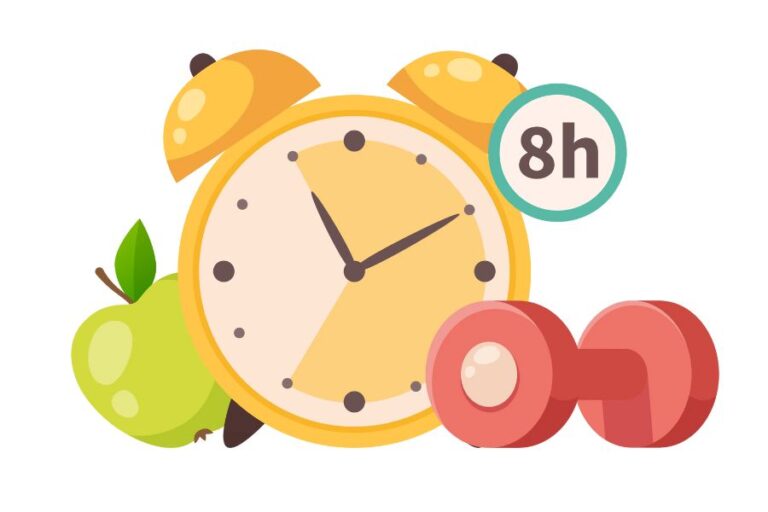
In simple terms, intermittent fasting means cycling between periods of eating and not eating. A common pattern is the 16:8 method, where you fast for 16 hours and eat during an 8 hour window. During the fasting window your body relies more on stored glycogen and fat for fuel when you exercise (Health Hub).
Used thoughtfully, exercise and intermittent fasting can work together to:
- Support fat loss
- Improve insulin sensitivity and metabolic health
- Help you maintain lean muscle, and in some cases gain it
The key is choosing workout types and timing that match your energy levels, goals, and eating schedule.
Know how fasting affects your workouts
Before you decide which workouts to do, it helps to understand what is going on in your body when you train in a fasted state.
What happens when you exercise while fasting
During a fast, insulin is lower and hormones like adrenaline and growth hormone are often higher. This hormone profile encourages your body to tap into stored fat for energy. Research suggests that exercising while fasting increases lipolysis in fat tissue and promotes higher fat oxidation, which means you use more fat for fuel during the workout (PMC – NCBI).
Aerobic exercise in a fasted state, such as walking or easy cycling, has been shown to:
- Increase fat utilization during the session
- Upregulate genes involved in fatty acid transport and oxidation in your muscles (PMC – NCBI)
You may burn more fat during the workout itself, although the total fat you burn across the full day can end up similar to eating before exercise because your body shifts fuel use later on (24 Hour Fitness).
Benefits and drawbacks to be aware of
Possible benefits
- Better fat burning during lower to moderate intensity workouts
- Improved insulin sensitivity and metabolic flexibility
- Convenience if you prefer morning workouts before breakfast
- Hormonal support for staying lean and healthy, including growth hormone and insulin sensitivity improvements (Prospect Medical)
Possible drawbacks
- Lower energy or reduced workout intensity, especially for harder sessions
- Higher risk of dizziness or hypoglycemia during very long or intense workouts, since liver glycogen can be depleted (PMC – NCBI)
- A learning curve as your body adapts to using more fat as fuel
Performance research is mixed. Some studies show a temporary dip in performance, others show no meaningful change, and a few show slight improvements. The outcome mostly depends on how intense and how long your workouts are, how long you have been fasting, and your training background (PMC – NCBI).
Match your workout to your intermittent fasting style
There is no single “best” IF schedule for exercise. What matters more is how you align your workouts with your eating window.
Common intermittent fasting patterns include:
-
16:8 fasting
You fast for 16 hours and eat during an 8 hour window. This pattern is popular for daily routines and makes it easy to plan workouts near the start or middle of your eating window (Centr). -
5:2 fasting
You eat normally for 5 days and restrict calories on 2 days per week. On the low calorie days, lower intensity workouts are usually easier to manage (Centr). -
Fast 800 and similar approaches
You eat roughly 800 calories per day for a short block of time, often 2 weeks, then transition to a less strict plan (Centr). Heavy or high volume training is usually not a good fit here.
For most people focused on weight loss, the 16:8 approach works well because you can schedule strength or higher intensity sessions at the start of your eating window. That way you get a solid pre or post workout meal within a short time of training.
Best low to moderate intensity workouts while fasting
If your main goal is fat loss and general health, low to moderate intensity workouts fit very well with intermittent fasting. They are easier to sustain with limited pre workout fuel and still support cardiovascular fitness.
Steady state cardio
Gentle to moderate cardio sessions are ideal during your fasting window because they rely heavily on fat for energy. Helpful options include:
- Brisk walking
- Light to moderate cycling
- Easy jogging
- Swimming at a conversational pace
Health guidance suggests 30 to 60 minutes of low to moderate intensity cardio is an effective range while you are fasting (Health Hub). Try starting at the shorter end and extending the length gradually as you see how you feel.
Light to moderate strength sessions
You do not have to skip strength training when fasting. In fact, resistance exercise is one of the best things you can do to preserve muscle while losing weight. During fasting, it can help to keep strength sessions lighter or more technique focused unless they fall right before your eating window.
Examples of strength training that pairs well with intermittent fasting include:
- Bodyweight circuits with movements like squats, lunges, push ups, and planks
- Light to moderate weights, higher repetitions
- Short full body sessions focusing on compound lifts
Health Hub recommends strength work with lighter loads and higher reps, emphasizing big movements that recruit a lot of muscle without causing excessive fatigue (Health Hub).
When to do low intensity workouts
Low to moderate intensity cardio and light strength sessions often fit best:
- In the middle of your fast if you feel comfortable exercising on an empty stomach
- Toward the end of your fasting window if you like to eat shortly after your workout
- On lower calorie days if you follow a 5:2 fasting pattern
Pay attention to early warning signs like dizziness, nausea, or unusual fatigue. If you feel unwell, shorten the session, lower the intensity, or move your workouts closer to your eating window.
Use strength training to protect muscle
If you are worried about losing muscle while intermittent fasting, strength training is your main insurance policy. Well structured resistance work plus enough protein and total calories can help you maintain, and sometimes even build, muscle while you lose fat.
What research says about lifting and intermittent fasting
A systematic review of eight human studies that combined intermittent fasting with resistance training found that lean body mass usually stayed the same, and in five of the eight studies participants lost a meaningful amount of fat at the same time (Versa Gripps).
Key takeaways from that and similar research:
- Intermittent fasting does not automatically cause muscle loss when you lift weights regularly and eat enough protein
- Many people maintain muscle while losing fat
- Rapid muscle gain is less common while fasting, but you can make slow, steady progress
Studies involving resistance trained men and women who consumed adequate protein showed that IF combined with weight training preserved lean mass and improved body composition, even if muscle size gains were modest (Versa Gripps).
Strength workouts that fit well with IF
Aim for 3 to 4 strength sessions per week that cover your major muscle groups. A simple structure is:
- 2 to 3 full body days, or
- 1 upper body day, 1 lower body day, and 1 full body day
Within those sessions focus on:
- Squats or leg presses
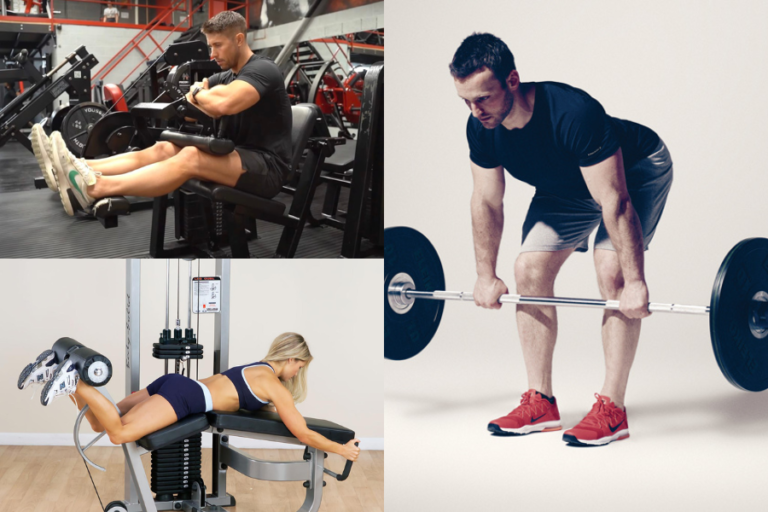
- Hip hinges like deadlifts or hip thrusts
- Push movements such as push ups, bench press, or overhead press
- Pull movements such as rows and pull downs
Research suggests that training volume and progressive overload, not meal timing, are the main drivers of muscle gain while fasting. In other words, you still need to challenge your muscles consistently with enough work and gradual increases in difficulty (Versa Gripps).
Timing your lifting sessions
Weight lifting while fasting is possible, but it can reduce short term strength, especially for heavy or long sessions. Medical guidance recommends having a meal shortly after heavy lifting to replenish glycogen and support recovery (Prospect Medical).
You might find it easiest to:
- Schedule your heaviest strength workouts at the start of your eating window
- Break long sessions into shorter, more focused workouts
- Keep fasted lifting lighter and shorter if you cannot eat immediately after
Add high intensity work with care
High intensity interval training (HIIT) and sprints can be powerful tools, but they also demand more from your body. If you enjoy intense workouts, you can keep them in your routine while intermittent fasting, as long as you are strategic.
When intense training makes sense
High intensity workouts can:
- Boost growth hormone and testosterone
- Improve brain function and mood
- Increase calorie burn in a short time
Prospect Medical notes that sprint or HIIT sessions during IF are especially effective and may offer even greater benefits when you continue fasting for 2 to 3 hours after your workout, as long as you feel well (Prospect Medical).
However, guidelines also suggest you should approach intense training fasted with caution, particularly if you are new to either HIIT or IF (Health Hub).
How to structure HIIT while fasting
If you choose to do HIIT during intermittent fasting, consider:
- Keeping sessions short, often 10 to 20 minutes of intervals
- Using simple modalities like cycling, brisk uphill walking, or short sprints
- Limiting intense days to 1 to 3 times per week depending on your experience
Listen closely to your body. Signs you may be pushing too hard include lightheadedness, nausea, or a big drop in performance from one interval to the next. In that case, back off the intensity or move HIIT to a time closer to your meals.
Cardio and competing goals
Some sources also note that training fasted may reduce your ability to go hard, which matters if you love intense cardio or train for performance. A study referenced in the Strength and Conditioning Journal found that fasting before cardio did not significantly increase fat oxidation and could make moderate or intense training more difficult on an empty stomach (24 Hour Fitness).
If your top priority is athletic performance, especially for endurance events, it is usually better to fuel before and after your hardest workouts and avoid making major changes to your eating pattern close to competitions (PMC – NCBI).
Support your workouts with smart nutrition
Workouts while intermittent fasting are only half of the picture. Your results also rely heavily on what and how you eat during your feeding window.
Prioritize protein for muscle
Research on IF and resistance training consistently points to protein as the most important nutrient for maintaining and building muscle while fasting. Higher protein intake, and spreading that protein evenly across your meals, are both key for lifters (Versa Gripps).
General guidelines from fitness focused sources recommend:
- Aiming for roughly 25 to 30 grams of high quality protein at each meal
- Including 2 or 3 such meals during your eating window, rather than trying to fit all of your protein into one giant meal (Centr)
Spreading protein out helps you maximize muscle protein synthesis several times throughout the day.
Eat enough total calories
Intermittent fasting can make it easier to maintain a calorie deficit for weight loss, but if you under eat too much, your body has less fuel for training and recovery. That can lead to:
- Fatigue during workouts
- Slower progress or strength losses
- Higher risk of losing muscle mass
Research and practical guides emphasize that building or even maintaining muscle while fasting depends on meeting your overall calorie needs and not just your protein target (Centr).
Time meals around your workouts
You do not need complicated timing, but some simple strategies can help you feel and perform better:
- If you train at the start of your eating window, have a balanced meal soon after your workout that includes protein, carbohydrates, and some healthy fat
- If you prefer training near the end of your eating window, include a meal before and a lighter snack after if time allows
- After heavy lifting days, prioritize at least one solid meal within a few hours to refill glycogen and support muscle repair (Prospect Medical)
If you feel consistently drained in your workouts, that can be a sign to shift your training times, add a small pre workout snack when possible, or slightly increase your overall calorie intake.
Choose the right workout for your goal
Different goals call for slightly different approaches to workouts while intermittent fasting. Here are some simple guidelines you can adapt.
If your main goal is weight loss
Focus on:
- 3 to 5 days per week of low to moderate intensity cardio
- 2 to 3 days per week of strength training to protect muscle
- Optional 1 to 2 short HIIT sessions if you feel good and are comfortable with intense training
Keep most workouts in the moderate range rather than going all out every day. Fat loss is largely about consistency and sustainability.
If your main goal is muscle maintenance
Your priorities are:
- Regular resistance training, ideally 3 to 4 times per week
- Enough protein spaced across meals
- A modest calorie deficit, rather than an extreme one
You can still include some cardio for heart health, but strength training and nutrition do the heavy lifting for muscle preservation.
If your main goal is to gain muscle
Significant muscle gain is more challenging during intermittent fasting but not impossible. Your best chances come when you:
- Train hard with progressive overload 3 to 4 times per week
- Eat enough calories to be at maintenance or slightly above, even if your meals are time restricted
- Take your workouts near the start of your eating window so you can eat one or two protein rich meals afterward
Keep expectations realistic. Most research shows that people tend to maintain muscle and lose fat more often than they build large amounts of new muscle while strictly fasting (Versa Gripps).
Practical tips to stay safe and consistent
To make workouts while intermittent fasting feel manageable rather than draining, keep these habits in mind.
-
Hydrate regularly
Drink water throughout your fast and your training sessions. Mild dehydration can feel a lot like “low energy from fasting.” -
Adjust gradually
Give your body time to adapt to both fasting and new workouts. Change one thing at a time if possible. -
Watch for red flags
Stop and reassess if you notice repeated dizziness, severe fatigue, or sharp drops in performance. You may need to shift your workout timing or increase your calorie intake. -
Be flexible with timing
If heavy lifting feels impossible in the middle of a long fast, move it closer to your first meal and keep easier cardio sessions mid fast instead. -
Respect your sport
If you are an endurance athlete or train for competition, avoid big changes to your eating pattern or fasted training close to events. Research suggests that endurance athletes should not adopt new high intensity fasted training shortly before competitions (PMC – NCBI).
Putting it all together
Intermittent fasting and exercise can work together to support weight loss, enhance your health, and help you keep the muscle you care about. Your most effective workouts while intermittent fasting will usually:
- Match the intensity to your current energy and fasting schedule
- Include regular strength training to protect lean mass
- Use low to moderate cardio for steady fat loss
- Add HIIT sparingly and strategically if you enjoy it
- Rely on solid nutrition, especially enough protein and total calories, during your eating window
You do not have to get everything perfect from day one. Start by pairing one or two types of workouts with your current fasting routine, see how your body responds, and adjust from there. Over time you will find a rhythm that feels sustainable, supports your goals, and fits your everyday life.
About the Author