A plant-based diet already supports your health in many ways. Adding vegan omega-3 supplements can help you go a step further, especially for your brain, heart, eyes, and long-term wellbeing.
In this guide, you will see what vegan omega-3 supplements are, why they matter, and how to choose a product that actually does what you want it to do.
Understand what omega-3 actually is
Omega-3 is a family of fats that your body cannot make on its own, so you need to get them from food or supplements.
There are three main types you will see mentioned:
- ALA (alpha-linolenic acid), found in plants like flax, chia, hemp, walnuts, and their oils
- EPA (eicosapentaenoic acid), mostly in fish and algae
- DHA (docosahexaenoic acid), mostly in fish and algae
ALA is the form that appears naturally in plant foods. Your body can convert some ALA into EPA and DHA, which are the forms directly involved in brain, eye, heart, and nerve health. The conversion rate is low, usually around 5% for EPA and about 0.5% for DHA, so you only get a small amount of EPA and DHA even from a generous intake of ALA-rich foods (Plant-Based Dietitians).
That is where vegan omega-3 supplements come in. They give you EPA and DHA directly in a plant-based way, typically from microalgae.
See why omega-3s matter for your health
You might hear about omega-3 for “heart health” and stop there, but these fats affect several key systems in your body.
Brain and cognitive function
DHA is a structural building block of your brain. It makes up around 40% of the fat in the gray matter that handles thinking, memory, and emotion (Vegetology). EPA helps manage inflammation, which can influence mood and cognitive performance over time.
Research shows that algae-derived EPA and DHA can raise blood levels of these fats in vegetarians and vegans as effectively as fish oil, so you can support brain health without animal products (Bare Biology).
Heart and circulation
Omega-3s play several heart friendly roles. They can:
- Help lower triglycerides
- Support healthy blood pressure
- Reduce inflammation in blood vessels
Plant-based omega-3 oils such as flaxseed, chia, hemp, and perilla support heart health by lowering triglycerides and dampening inflammation (AFPA Fitness). EPA and DHA go a step further and are directly tied to lower cardiovascular risk in many studies.
Public health organizations often suggest around 250 mg of combined EPA and DHA per day for general adult heart and brain benefits (The Vegan Society, Verywell Health).
Eyes, skin, and immune system
EPA and DHA also support:
- Eye health and visual development
- Skin barrier and moisture balance
- A balanced immune response and lower chronic inflammation
Because these fats are involved in every cell membrane in your body, maintaining a steady intake is a long-term investment in how you feel and function day to day (The Vegan Society).
Compare plant foods and vegan supplements
You might wonder if you really need vegan omega-3 supplements if you already eat flax, chia, or walnuts regularly.
What you get from whole foods
Plant foods are still your foundation. Ground flaxseed, chia seeds, and hemp seeds are all rich in ALA. For example, a tablespoon of ground flaxseed provides about 2.4 grams of ALA and a tablespoon of chia seeds offers around 5 grams (PCRM). Perilla oil, common in Korean cuisine, contains over 9,000 mg of ALA per tablespoon (AFPA Fitness).
Including at least one tablespoon a day of these seeds is strongly encouraged for vegans (PCRM). The Vegan Society even recommends at least two sources of ALA each day, while keeping omega-6 intake (from oils like sunflower, corn, or soy) in check so that your body can use omega-3 efficiently (The Vegan Society).
Where supplements make a difference
Even with a great diet, your conversion of ALA to EPA and DHA is limited. Several reviews highlight that, on average, only a small fraction of ALA becomes these longer-chain fats (Plant-Based Dietitians, Wellbeing Nutrition).
Vegan omega-3 supplements based on microalgae skip the conversion step. They give you EPA and DHA directly so you do not have to rely on your body turning ALA into the forms your brain and heart need most (Plant-Based Dietitians, Verywell Health).
This can be especially useful if:
- You are pregnant or breastfeeding
- You rarely eat fortified foods
- You have a high omega-6 intake
- You want extra support for brain, eye, or heart health
Health organizations suggest that algae-based DHA and EPA are sensible for these higher need situations (PCRM).
Know how much omega-3 you actually need
Recommended amounts vary slightly by authority, but they fall in a similar range.
- Many public health groups, including the Institute of Medicine, suggest about 250 to 500 mg per day of combined EPA and DHA for adults (Plant-Based Dietitians, Verywell Health)
- The European Food Safety Authority recommends about 2 grams of ALA plus 250 mg each of EPA and DHA daily for adults (Plant-Based Dietitians)
- The Vegan Society notes a similar 250 mg daily target for EPA and DHA, especially in pregnancy, breastfeeding, and childhood (The Vegan Society)
For most people who rarely consume fish, one or two standard algae oil capsules a day is enough to hit the 250 to 500 mg EPA plus DHA range (Verywell Health).
More is not always better. Very high intakes of EPA and DHA might slightly increase bleeding risk or affect immune function, so it is wise to talk with your doctor if you are considering doses well above typical supplement ranges or if you take blood thinning medications (Plant-Based Dietitians).
See how vegan omega-3 compares to fish oil
You may see claims that fish oil is “better” than vegan omega-3. The full picture is more nuanced.
Effectiveness and bioavailability
Both fish oil and algae oil provide EPA and DHA directly. Research in vegetarians and vegans shows that algae-based omega-3 supplements are as effective as fish oil in raising blood levels of EPA and DHA (Bare Biology, Live Momentous).
In other words, your body uses the EPA and DHA from algae oil the same way it uses it from fish oil.
Purity and sustainability
Algae are grown in controlled environments. This significantly lowers the risk of contaminants like heavy metals, microplastics, or industrial pollutants that can accumulate in fish. It also reduces pressure on marine ecosystems (Live Momentous, Wellbeing Nutrition).
If you care about animal welfare, overfishing, or ocean pollution, vegan omega-3 supplements are the more sustainable and ethical option.
Practical advantages
Vegan omega-3 supplements also have everyday benefits you will likely appreciate:
- No fishy taste or burps
- Suitable for vegans, vegetarians, and people with fish or shellfish allergies
- Often gentler on the stomach
If you want the health benefits of EPA and DHA without any animal products, algae-based omega-3 is a straightforward choice.
Choose a high quality vegan omega-3 supplement
Not all vegan omega-3 supplements are created equal. When you compare labels, focus on a few key details.
Prioritize EPA and DHA amounts
Ignore the “total oil” number on the bottle. What matters most is how much EPA and DHA you get per serving. Health experts advise you to look for the combined EPA and DHA content first, since that is what directly supports heart, brain, and eye health (Verywell Health).
A typical daily target for people who rarely eat fish is 250 to 500 mg of combined EPA and DHA. Many algae oils fall safely within the 200 to 1,000 mg range, which is considered effective and moderate (Plant-Based Dietitians).
Look for third party testing
Omega-3 fats are delicate and can oxidize. Rancid oils lose potency and may have an unpleasant taste or smell. To avoid this, choose products that:
- Carry third party certifications such as USP Verified, NSF Certified for Sport, or IFOS
- Are tested for purity, contaminants, and oxidation levels
Verywell Health specifically recommends seeking these certifications for both fish and algae-based supplements, since they confirm that the product contains what the label claims in a safe form (Verywell Health).
When you open the bottle, trust your senses. If the oil smells strongly off or fishy, it may be oxidized and not worth taking (Verywell Health).
Consider added nutrients and format
Some vegan omega-3 products include extra nutrients such as vitamin D3 or antioxidants like astaxanthin. For example, one algae-based supplement combines EPA and DHA with astaxanthin to enhance anti-inflammatory and antioxidant effects, potentially benefiting brain, eye, skin, and immune health (Bare Biology).
You can also choose between:
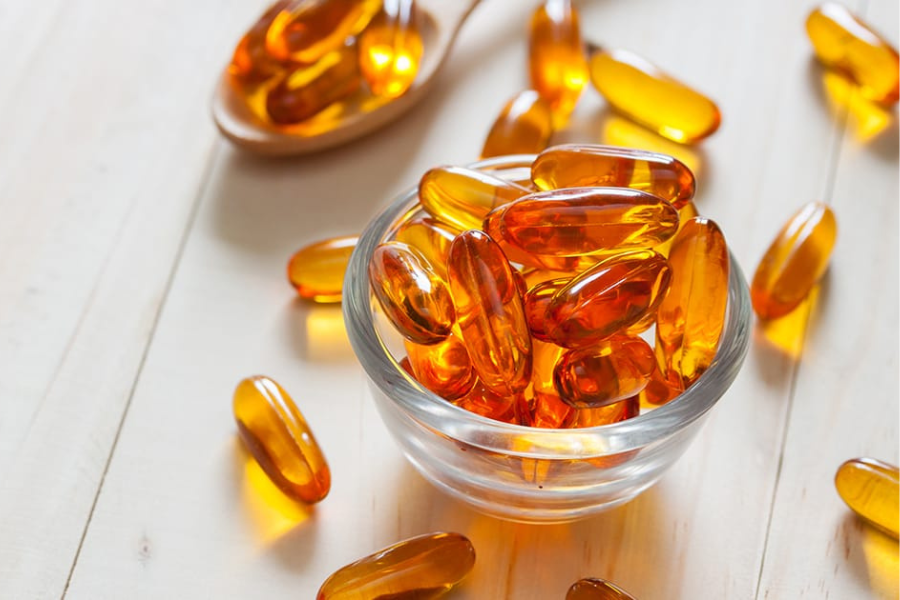
- Softgels, which are easy to swallow
- Liquid oils, which you can mix into smoothies or yogurt
- Different strengths, so you can meet your dose with one or two capsules instead of several
Pick a format that fits your habits so you are more likely to use it consistently.
If you are not sure which dose or product is right for your specific health history, ask your doctor or a registered dietitian before starting. This is especially important if you are pregnant, breastfeeding, on medication, or have a bleeding disorder (The Vegan Society, Plant-Based Dietitians).
Put it all together in your daily routine
Vegan omega-3 supplements are not meant to replace a healthy diet. They work best as part of a simple, repeatable routine.
You can:
- Keep eating ALA rich foods like ground flaxseed, chia, hemp, walnuts, and perilla oil
- Aim for at least one tablespoon of seeds daily, as recommended by PCRM (PCRM)
- Add an algae-based EPA and DHA supplement that brings you up to around 250 to 500 mg per day, or the amount your healthcare provider recommends
Taken with a meal, your supplement is more comfortable on your stomach and easier to remember.
Over time, this small habit can support your brain, heart, eyes, and overall resilience, all while staying aligned with your plant-based values.
About the Author