What the one meal a day diet is
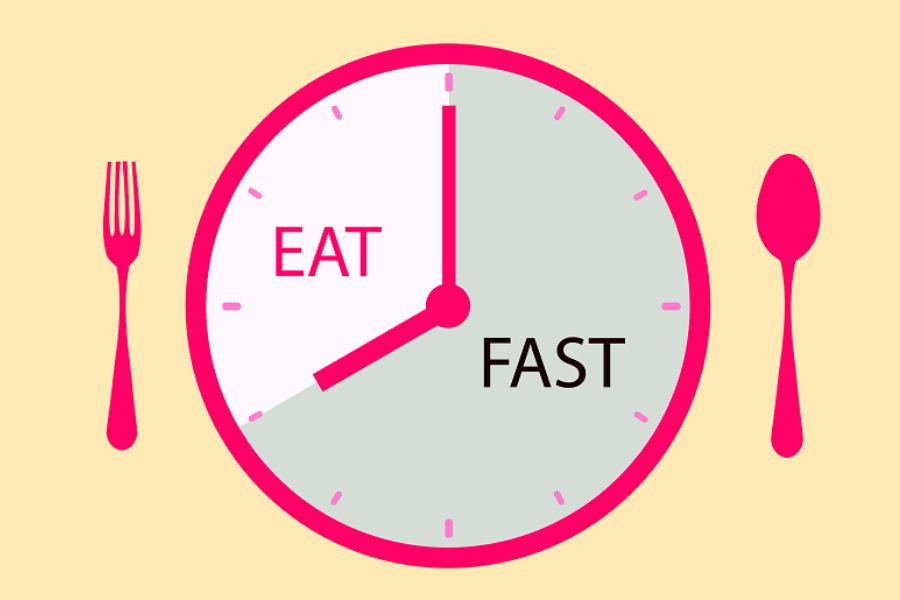
The one meal a day diet, often called OMAD, is a stricter style of intermittent fasting. You fast for about 23 hours, then eat all your daily calories in a single meal or within a very short eating window, usually 1 to 2 hours.
In practice, OMAD usually looks like this:
- You choose a consistent time for your daily meal, such as 6 to 7 p.m.
- You fast the rest of the day, drinking only water, black coffee, or unsweetened tea.
- You focus on eating a large, balanced meal that covers your protein, healthy fats, carbs, and micronutrients.
Some guides describe OMAD as eating within a 1 hour window and fasting for 23 hours (Perfect Keto). Others use a slightly wider 2 hour evening window that produced weight and fat loss in healthy adults compared with three meals a day (Healthline).
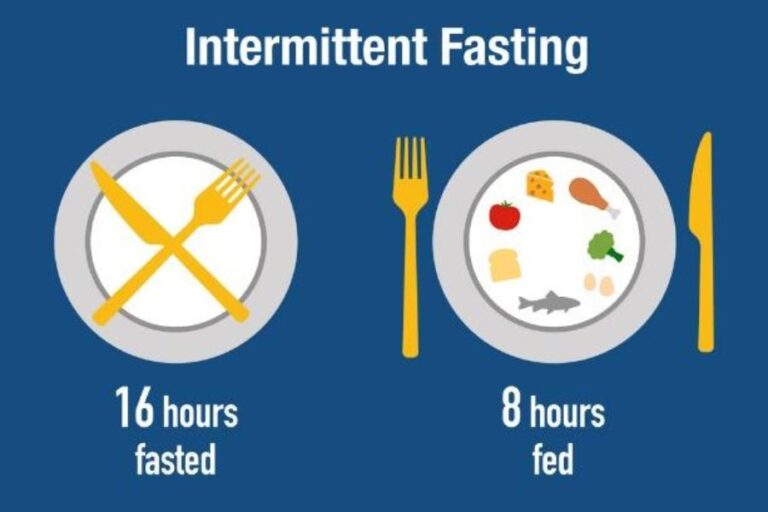
OMAD is part of the broader intermittent fasting family, but it is on the more extreme end compared to approaches like 16:8 or 18:6.
How OMAD works in your body
OMAD and other intermittent fasting styles focus less on what you eat and more on when you eat. The long fasting window can affect your body in several ways.
Fasting, calories, and weight loss
When you follow the one meal a day diet, you naturally have less time to eat. This can:
- Reduce your total daily calories
- Encourage your body to use stored fat for energy during the fast
- Improve insulin sensitivity for some people, which can support fat burning
Intermittent fasting in general has been shown to help people lose about 7 to 11 pounds over 10 weeks, although results vary widely (WebMD). Studies that looked specifically at very short eating windows found that a single evening meal can reduce body weight and fat mass more than three daily meals with the same calories (Healthline).
The key point: OMAD does not magically burn fat. It makes it easier to eat fewer calories and may nudge your metabolism toward using more fat as fuel during long fasts.
Hormones and hunger
Fasting affects several hormones, including:
- Insulin, which goes down during a fast and may help your body switch from burning sugar to burning fat
- Ghrelin, the “hunger hormone,” which can actually increase on OMAD and make you feel very hungry compared to eating several meals (WebMD)
Some people find that hunger spikes in the first week or two then settles down. Others feel persistently hungry and distracted, which can be a sign that OMAD is not a good fit.
Autophagy and cellular repair
Long fasts are often promoted for triggering autophagy, your body’s built‑in cleanup process. Autophagy helps break down damaged cell components and may support immune function and long term health.
Several sources suggest that OMAD’s extended fasting period may:
- Enhance autophagy
- Help remove damaged cells
- Potentially lower disease risk in the long run (Dr. Berg, Delicut)
Research on humans is still evolving, so it is better to see autophagy as a possible bonus, not a guaranteed benefit.
Potential benefits of the one meal a day diet
If you are considering OMAD, you are likely curious about what you could gain from compressing your eating into a single meal.
Weight and fat loss
Multiple sources point to weight and fat loss as the main attraction:
- A 2022 study found that eating during a 2 hour evening window led to greater body fat and weight loss than three meals, even when calories were matched (Healthline).
- A review of over 50,000 adults found that eating one or two meals per day was linked with yearly reductions in BMI, and fasting 18 hours or more overnight was associated with lower body weight (Healthline).
If you have been stuck at a plateau, shortening your eating window can make it easier to create the calorie deficit that leads to weight loss.
Metabolic and digestive changes
Some research and practitioner reports suggest that OMAD can:
- Improve metabolic flexibility, or your body’s ability to switch between burning carbs and fat, without harming exercise performance, based on a study of lean adults who ate one meal daily for 11 days (Perfect Keto).
- Lower triglycerides and increase HDL (“good”) cholesterol in some contexts (Perfect Keto).
- Give your digestive system a long daily break, which some people with irritable bowel syndrome or frequent bloating find soothing (Dr. Berg).
Not all studies agree, and some show the opposite effect on cholesterol and blood pressure, so your individual response may be very different.
Convenience and simplicity
Beyond the science, OMAD can appeal to you for practical reasons:
- You plan and cook one meal, not three or more.
- You spend less time thinking about food and snacking.
- Your schedule may feel simpler, with a set “eating hour” you can plan your day around.
For busy people who like structure, this predictability is often as valuable as the potential weight loss.
Risks and downsides you should know
OMAD is one of the most restrictive intermittent fasting approaches, and it is not automatically safe or appropriate for everyone.
Possible health risks
Some research raises concerns about eating only one meal per day:
- Eating one meal a day has been associated with higher blood pressure and LDL (“bad”) cholesterol compared to spreading calories across multiple meals (Healthline).
- For people with diabetes or cardiovascular disease, OMAD can increase blood sugar spikes, the risk of hypoglycemia, and raise cholesterol levels (WebMD).
- A 2022 study linked eating once a day with an increased risk of death from any cause and from cardiovascular disease (Healthline).
These findings do not prove that OMAD directly causes these problems, but they are important red flags, especially if you have existing health conditions.
Muscle loss and metabolic concerns
Extreme fasting methods like OMAD may:
- Cause loss of lean body mass if protein intake is inadequate
- Increase the long term risk of metabolic diseases like type 2 diabetes, cardiovascular disease, and dyslipidemia when lean mass is lost (Healthline)
If you are trying to build or maintain muscle, or you lift weights regularly, eating all your protein at once may simply not be enough for your goals.
Side effects and quality of life
When you start OMAD, you may notice:
- Intense hunger and food preoccupation
- Irritability, headaches, or “brain fog”
- Low energy or lightheadedness
- Difficulty concentrating, especially earlier in the day
Some people describe “keto flu” style symptoms when they combine OMAD with a low carb diet (Perfect Keto). Others never fully adjust and feel worse on OMAD than on a more moderate fasting style.
If your day revolves around trying not to think about food, the trade‑off may not be worth it.
Who should avoid OMAD
You should skip the one meal a day diet or speak with your doctor first if you:
- Have type 1 or type 2 diabetes
- Take medications that affect blood sugar or blood pressure
- Have a history of eating disorders
- Are pregnant or breastfeeding
- Have cardiovascular disease or very high blood pressure
- Are underweight or have struggled with unintentional weight loss
Many sources recommend medical supervision if you have any chronic condition or if you plan to pair OMAD with strenuous exercise (WebMD, Perfect Keto).
How to structure an OMAD meal
If you decide to try OMAD after talking with a healthcare provider, you will want your single meal to work hard for you. The goal is to pack in nutrients and keep you satisfied for the next 23 hours.
Build a balanced plate
A helpful structure for your OMAD meal is:
- Protein: Aim for a generous serving of high quality protein such as chicken, fish, eggs, Greek yogurt, tofu, or legumes. Protein supports muscle maintenance and helps you stay full.
- Healthy fats: Include fats from avocado, olive oil, nuts, seeds, or fatty fish to support hormones and satiety.
- Complex carbohydrates: Choose whole food carbs like sweet potatoes, brown rice, quinoa, beans, lentils, or whole fruit for fiber and steady energy.
- Vegetables: Fill at least half your plate with colorful vegetables to cover vitamins, minerals, and antioxidants.
A 2024 guide suggests that a balanced OMAD meal should include all of these components, and that some people may also need supplements like vitamin D, B12, or omega‑3s, after consulting with a healthcare provider (Delicut).
Example OMAD meal idea
One possible dinner style OMAD plate could be:
- Grilled salmon or baked tofu
- Roasted sweet potatoes tossed in olive oil
- A large mixed greens salad with colorful vegetables, seeds, and vinaigrette
- A side of steamed broccoli or green beans
- A piece of fruit or a small portion of unsweetened yogurt if you still feel hungry
You can adjust portions based on your calorie needs, but this general pattern of protein, fats, complex carbs, and vegetables is a useful foundation.
Practical tips if you decide to try OMAD
If you and your healthcare provider agree that OMAD is worth experimenting with, a few planning steps can make the experience smoother.
Start gradually with longer fasts
Instead of jumping straight into one meal a day, you might:
- Begin with a 12:12 schedule, such as eating from 8 a.m. to 8 p.m.
- Shift to 16:8, for example eating from noon to 8 p.m.
- Try 18:6 or 20:4, then see how your body responds.
- Move to OMAD only if you still feel well and want a stricter pattern.
A large review found that fasting at least 18 hours overnight was linked to lower body weight (Healthline), so you may see benefits without pushing all the way to OMAD.
Stay hydrated and manage hunger
During your fasting window, hydration becomes especially important. One guide suggests:
- Drinking about 8 to 10 glasses of water daily
- Adding electrolytes if you feel weak or lightheaded
- Using non caloric beverages like herbal tea or black coffee to help manage hunger (Delicut)
In your eating window, include:
- Fiber rich foods like vegetables, beans, and whole grains
- Healthy fats from nuts, seeds, avocado, or olive oil
Both fiber and fat can help you feel fuller longer and reduce sharp hunger swings (Delicut).
Time your workouts and activities
You might feel best if you:
- Schedule workouts closer to your eating window so you can refuel soon after.
- Avoid very intense training at the very end of your fast when you are low on energy.
- Stay busy during the day to keep your mind off food, especially in the first weeks, as some guides recommend (Delicut).
Pay attention to how your performance and recovery feel. If your workouts suffer or you feel unusually fatigued, consider loosening your fasting schedule.
Listen to your body and adjust
As you experiment, notice:
- Your energy throughout the day
- Mood and mental clarity
- Sleep quality
- Cravings and binge tendencies during your eating window
- Any new symptoms such as dizziness, heart palpitations, or digestive issues
If you feel consistently worse, or if blood work shows negative changes in cholesterol, blood pressure, or blood sugar, it is worth stepping back to a more moderate intermittent fasting plan or a traditional balanced diet.
How OMAD compares to other intermittent fasting styles
OMAD is only one option within intermittent fasting. If you are not sure whether it suits you, it helps to compare it with other patterns:
| Approach | Eating window | Typical difficulty | Who it may suit |
|---|---|---|---|
| 12:12 | 12 hours eating, 12 fasting | Easy | Beginners, maintenance, gentle structure |
| 16:8 | 8 hour eating window | Moderate | Most people seeking weight loss |
| 18:6 or 20:4 | 4–6 hour eating window | Harder | Those who like stricter routines |
| OMAD (one meal a day) | About 1–2 hour window | Most difficult | Small subset who tolerate long fasts well |
You do not need to go straight to the strictest version to see benefits. Many people lose weight and improve metabolic markers with a 16:8 or 18:6 schedule and find them easier to sustain.
Is the one meal a day diet right for you?
OMAD can be a powerful tool for some people but it is not a universal answer.
It might be worth considering if:
- You have discussed it with your healthcare provider and have no medical red flags
- You are comfortable with structure and do not mind long fasting windows
- You find it easier to eat nothing most of the day than to manage repeated small meals and snacks
On the other hand, a different approach is likely better if:
- You have diabetes, cardiovascular disease, or a history of eating disorders
- You are pregnant, breastfeeding, underweight, or very active
- You feel overly hungry or obsessed with food when you skip meals
- You value flexibility and social meals throughout the day
If you are curious, a gentler intermittent fasting schedule like 16:8 can give you many of the same potential benefits with fewer risks and less disruption to your life. From there, you can decide, together with a professional who knows your medical history, whether the one meal a day diet is a step you want to take.
About the Author