Nootropics for anxiety have become a popular topic for anyone who wants to feel calmer, think clearly, and stay productive under stress. You see terms like “smart drugs,” “brain boosters,” and “natural calm” everywhere, often with bold promises and very small print.
This guide walks you through what nootropics actually are, how they may affect anxiety, where the risks lie, and which options show the most promising evidence. You will also see why it is important to stay realistic and involve a healthcare professional before you add anything new to your routine.
Understand what nootropics really are
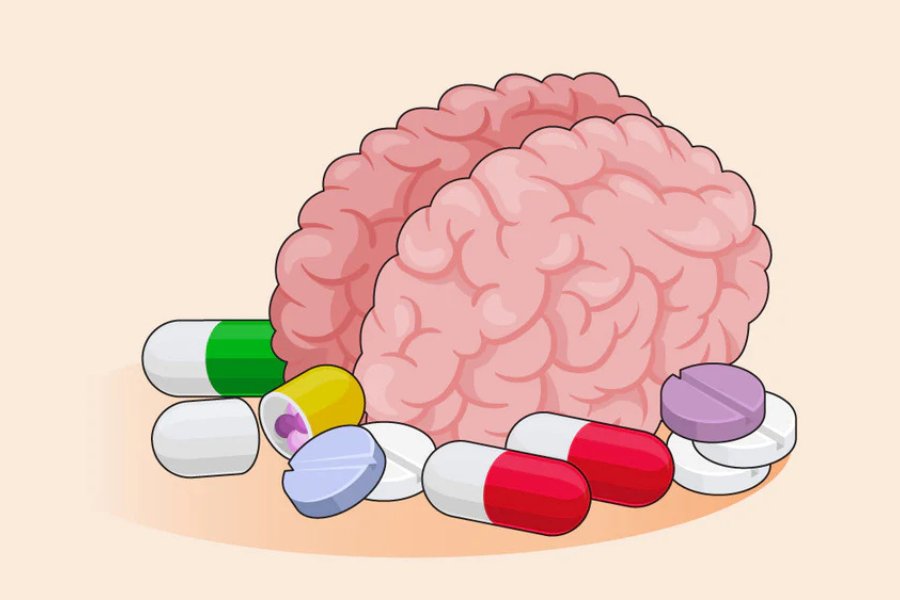
Nootropics are a broad group of substances that aim to support brain function. They can be synthetic compounds or plant extracts and they are often marketed to improve memory, focus, learning, and mental energy.
According to a 2022 review, classical nootropics are used in clinical settings to help with cognitive and memory problems related to brain trauma, infections, strokes, intoxications, mild cognitive impairment, and even some neuropsychiatric conditions such as Alzheimer’s disease and hyperkinetic disorder (PMC). In these contexts, they are usually prescribed and monitored by a healthcare provider, not taken casually.
Some nootropics appear to be well tolerated overall, with generally mild side effects and a need for longer term use to see benefits (PMC). That does not mean every product sold online meets the same standards. It also does not mean you will automatically experience the same results.
How anxiety and panic attacks affect your brain
To understand nootropics for anxiety, it helps to know what is happening in your brain when you feel on edge or when you have a panic attack.
Panic attacks are sudden bursts of intense fear that happen even when there is no real danger. They come with powerful physical symptoms like a racing heart, shortness of breath, chest tightness, or dizziness, and they usually peak within minutes (Mind Lab Pro). For many people, these episodes are exhausting and can make everyday life feel unpredictable or scary.
Researchers believe that one key player in panic and anxiety is GABA, a calming neurotransmitter that helps keep your nervous system from becoming overactive. Dysregulation of GABA and its receptors, especially the GABAA receptor, has been linked to panic disorder and increased vulnerability to panic attacks (Mind Lab Pro). In simple terms, when your “calm” system is not working properly, your “alarm” system can go off more easily.
Some nootropics target this calming system directly, while others help you cope better with stress by supporting neurotransmitters such as dopamine and norepinephrine or by influencing stress hormones like cortisol.
Benefits and limits of nootropics for anxiety
It is tempting to think of nootropics as quick, side effect free fixes for anxiety. The reality is more nuanced.
Many nootropic products claim to help with attention, memory, alertness, stress, anxiety, and even depression. However, medical professionals are still cautious, since many of these claims are not supported by strong, consistent evidence, especially in people with diagnosed anxiety disorders (Calm Clinic).
You also need to keep in mind that:
- Supplements are not regulated as tightly as medications in many countries
- Ingredient quality and dosing can vary a lot from brand to brand
- Some nootropics can interact with medications or worsen certain health conditions (Calm Clinic)
Experts generally recommend that you see nootropics, at best, as a possible complement to evidence based strategies such as therapy, physical activity, and nutrition, not as a replacement (Calm Clinic).
Nootropics that may help you feel calmer
Several nootropics are often discussed in relation to anxiety and stress. The research is still developing for many of them, but some have more promising data than others.
L theanine for calm focus
L theanine is a naturally occurring compound found in green tea. It is known for its gentle calming effect without strong sedation.
Studies show mixed but interesting results:
- A 2007 study found that L theanine reduced heart rate and showed possible anti stress effects in stressful tasks
- A 2012 study suggested benefits for anxiety and prevention of blood pressure spikes
- A 2019 study in people with anxiety disorders found minimal changes in anxiety symptoms but better sleep quality (Calm Clinic)
L theanine appears to promote alpha brain waves, which are associated with relaxed focus, and may help increase GABA in the brain, supporting your calming pathways (Mind Lab Pro). A 2019 double blind, placebo controlled study found that a daily dose of 200 milligrams of L theanine reduced stress related symptoms and improved sleep and cognitive function in healthy adults (getmte.com).
For you, this may translate into feeling less mentally tense and more able to focus when stressed, especially if you are sensitive to caffeine and prefer a gentler option.
GABA as a “chill button”
GABA itself is sometimes sold as a supplement. In your brain, GABA is a primary inhibitory neurotransmitter that helps quiet overactive neurons.
Low GABA levels are associated with anxiety, irritability, and sleep difficulties. Supplementing with GABA may promote a sense of relaxation within about an hour, and it can be especially effective when combined with L theanine for a synergistic calming effect (getmte.com).
There is still debate about how much orally taken GABA crosses the blood brain barrier, so effects might be partly central and partly through the gut brain axis. Either way, some people report that it helps them unwind faster in the evening.
Adaptogens like Rhodiola rosea
Adaptogens are herbs that help your body adapt to stress. Rhodiola rosea is one of the best known adaptogens that also appears in nootropic formulas.
Research suggests that Rhodiola supports neurotransmitter activity, reduces cortisol, and improves mood and resilience under stress. One study found that daily Rhodiola use for 14 days significantly reduced anxiety, stress, anger, and confusion (getmte.com).
More recent evidence indicates that moderate doses of Rhodiola may counteract fear, stress, and anxiety symptoms, possibly reducing the incidence of panic attacks by regulating your fight or flight response (Mind Lab Pro).
You might find Rhodiola most useful if your anxiety feels tightly linked to chronic stress, mental fatigue, and burnout.
N acetyl L tyrosine for stress resilience
N acetyl L tyrosine is a more bioavailable form of the amino acid tyrosine. Your body uses tyrosine to make dopamine and norepinephrine, which are key neurotransmitters for motivation, focus, and stress response.
Under prolonged stress, levels of these catecholamines can drop, leading to brain fog, low mood, and increased vulnerability to panic. Supplementing with N acetyl L tyrosine can help protect dopamine and norepinephrine during stress, which may reduce the frequency and severity of panic attacks (Mind Lab Pro).
This kind of support is most relevant if your anxiety shows up as feeling overwhelmed, mentally scattered, or emotionally drained when you are under pressure.
Saffron and mood support
Saffron, better known as a culinary spice, has surprisingly strong research as a mood and anxiety support supplement. A 2021 meta analysis found that saffron was as effective as some antidepressant medications for mild to moderate depression, with fewer harsh side effects (getmte.com).
Because depression and anxiety often overlap, supporting your mood can indirectly ease anxiety symptoms. If you notice that your worry comes alongside low mood, low motivation, and emotional flatness, saffron may be an option to discuss with your provider.
Phosphatidylserine and stress hormones
Phosphatidylserine (PS) is a phospholipid that helps maintain healthy cell membranes in the brain. It has been studied for its effect on stress hormone responses.
In one study, 300 milligrams of PS daily for a month helped participants feel less stressed and more emotionally balanced during challenging mental tasks. It likely works by blunting the cortisol response to stressors (getmte.com).
If you notice that your anxiety spikes in demanding situations, PS might help your body avoid going into full stress overdrive.
When nootropics can worsen anxiety
Not all nootropics are calming. Some, especially stimulating ones, can actually trigger or worsen anxiety and panic in certain people.
A 2016 case series described psychiatric side effects, including agitation, anxiety, insomnia, panic attacks, and psychosis, associated with misuse of nootropics such as armodafinil, citicoline, piracetam, ampakines, and cerebrolysin (Innovations in Clinical Neuroscience). In one case, a 28 year old woman who used armodafinil to improve academic performance developed severe insomnia, anxiety, and panic attacks within a week. Her symptoms resolved only after stopping the drug and receiving treatment with clonazepam (Innovations in Clinical Neuroscience).
These substances are designed to stimulate the brain and enhance wakefulness or cognitive performance. If you already have anxiety, especially if you have a history of panic disorder or substance use, these stimulating nootropics can be risky.
Clinical authors have warned that:
- Nootropics are often perceived as safe and “natural”
- They are widely available online without prescription
- They are usually not picked up by standard drug screens
- Misuse can lead to serious psychiatric side effects in vulnerable individuals (Innovations in Clinical Neuroscience)
If you are prone to anxiety, you will want to be cautious with highly stimulating products and be honest with your healthcare provider about anything you are taking.
Safety, regulation, and realistic expectations
Because many nootropic supplements are sold as dietary products rather than medications, they often do not go through the same rigorous testing and quality control.
Health professionals point out that:
- Many products lack standardization, so you may not know the exact dose or purity
- Safety data is limited, especially for long term or combined use
- There is potential for side effects or dangerous interactions with medications (Calm Clinic)
Regulators have noticed the problem too. The Federal Trade Commission and US Food and Drug Administration have issued warning letters to some nootropic companies for illegal and exaggerated claims such as promising to cure Alzheimer’s disease, heart issues, or even cancer (Calm Clinic).
This does not mean you must avoid all nootropics. It does mean that you should:
- Treat marketing language with skepticism
- Look for products that cite actual studies and use transparent labeling
- Talk with your doctor or a qualified practitioner before starting, especially if you have a diagnosed mental health condition, are pregnant, or take other medications
In many cases, your provider will suggest that you prioritize proven methods for managing anxiety like exercise, nutrition, sleep, and therapy, and then consider certain nootropics as a possible add on rather than a first line solution (Calm Clinic).
If you are currently experiencing frequent panic attacks, new or worsening anxiety, or thoughts of self harm, seek professional help as soon as you can. Supplements are not a substitute for proper medical or psychological care.
How to use nootropics wisely for anxiety
If you decide to explore nootropics for anxiety, it helps to approach them with a clear plan rather than a “try everything at once” mindset.
You can start by:
-
Identifying your main symptoms
Are you dealing with racing thoughts, physical tension, low mood, or panic attacks? Different nootropics target different aspects of your stress response. -
Focusing on one change at a time
Introduce a single product at a time at a conservative dose. Give it at least a few weeks, unless you notice side effects earlier. -
Tracking your response
Keep brief notes about your mood, anxiety levels, sleep quality, and focus each day. This makes it easier to see whether something is actually helping. -
Staying in touch with your provider
Share exactly what you are taking, including brand and dose. This is particularly important if you are on medication, have underlying health conditions, or are pregnant or breastfeeding. -
Pairing supplements with lifestyle support
Nootropics work best on top of a solid foundation of good sleep habits, movement, nourishing food, and stress management tools like breathing exercises or therapy.
By treating nootropics as one tool among many, instead of a magic solution, you give yourself a better chance of finding a balanced, sustainable way to feel calmer and more in control.
Key points to remember
- Nootropics for anxiety cover a wide range of substances, from calming amino acids to stimulating “smart drugs”
- Compounds like L theanine, GABA, Rhodiola rosea, saffron, phosphatidylserine, and N acetyl L tyrosine show promising effects on stress, mood, and resilience in early research
- Misused or highly stimulating nootropics such as armodafinil and some synthetic cognitive enhancers can trigger or worsen anxiety and panic, especially in sensitive individuals (Innovations in Clinical Neuroscience)
- Many nootropic supplements lack strong regulation and standardized evidence, so you need to be cautious and involve a healthcare professional (Calm Clinic)
- Evidence based approaches like therapy, exercise, and healthy routines remain the foundation of anxiety management, and nootropics may serve as a supportive layer rather than a replacement
If you are curious, you can start by discussing one or two well studied options with your doctor and seeing how your body responds. A careful, informed approach helps you get the potential benefits of nootropics while keeping your mental health front and center.
About the Author