Understand what intermittent fasting really is
If you are interested in losing weight or improving your health, you have probably seen lots of tips and warnings about intermittent fasting. Before you can avoid the most common intermittent fasting mistakes, it helps to be clear on what intermittent fasting actually involves.
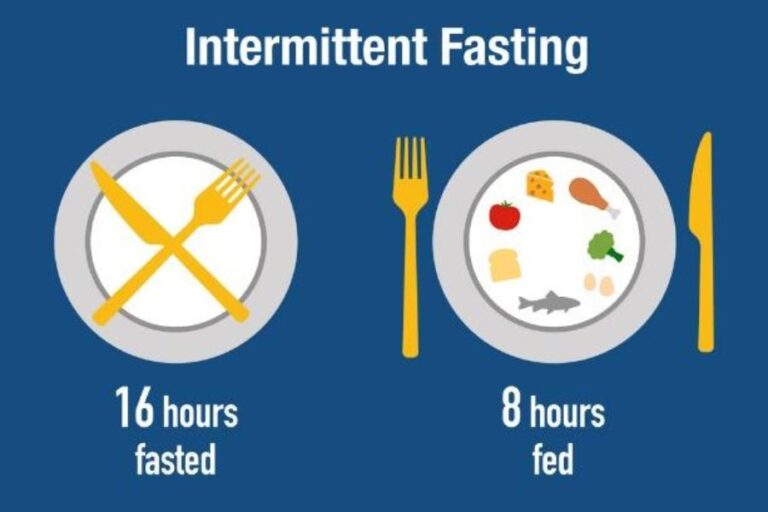
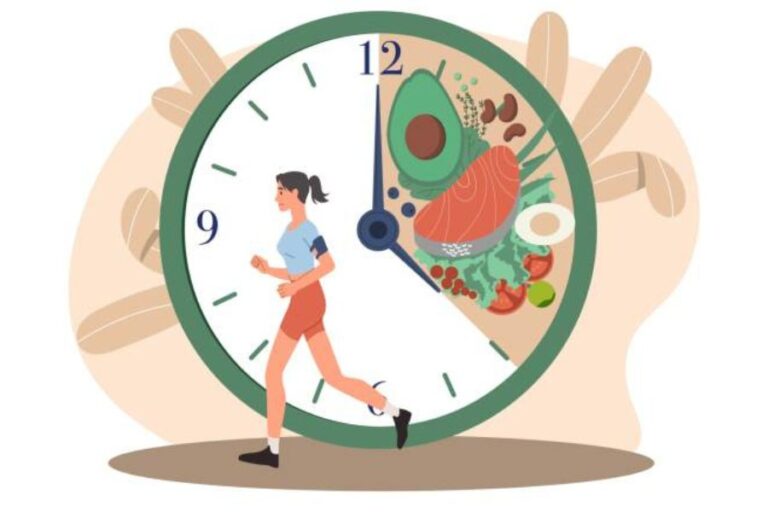
Intermittent fasting is an eating pattern where you alternate between set periods of eating and not eating. It often includes some level of calorie restriction. During fasting windows, you usually consume only calorie free drinks. During eating windows, you focus on getting enough nutrients to support energy, tissue repair, and healthy organ function (Fairview Rehab).
Used thoughtfully, intermittent fasting may help you manage your weight and support metabolic health. Used carelessly, it can lead to fatigue, nutrient gaps, overeating, and even increased health risks, especially if you already have medical conditions.
The sections below walk you through common intermittent fasting mistakes and how to avoid them so you can decide whether this approach fits your life and your health needs.
Start with a realistic fasting schedule
One of the biggest intermittent fasting mistakes is jumping into an aggressive schedule on day one.
Avoid cutting your eating window too fast
If you are used to eating every 3 to 4 hours, suddenly switching to an 8 hour eating window can leave you exhausted and discouraged. Nutrition experts warn that sharply reducing your eating time to plans like 16:8, 18:6, or 20:4 without preparation can cause intense hunger, irritability, and dizziness (EatingWell, Regeneration Health).
A gentler approach:
- Start with a 12:12 schedule, for example eating from 8 a.m. to 8 p.m.
- After a week or more, try 14:10 if you are feeling well.
- Only consider tighter windows like 16:8 after your body has adapted over several weeks or months (Harvard Health Publishing).
Be cautious with very short eating windows
Time restricted eating with less than 8 hours of eating time is getting a lot of attention, especially 16:8 plans. However, early research suggests that very short eating windows can be risky for some people.
An analysis of over 20,000 U.S. adults found that people who ate within less than an 8 hour window had a 91% higher risk of dying from cardiovascular disease compared with those who ate over 12 to 16 hours per day (American Heart Association). The study has limitations, including self reported data and limited insight into food quality, but it is a reminder that more restriction is not always better.
Researchers stress that:
- Limiting eating to 8 hours was not linked with longer life
- The higher cardiovascular death risk appears especially concerning for people with heart disease or cancer
- You should approach strict time restricted eating with caution and personalized medical guidance (American Heart Association)
Plan your meals, do not wing it
Another common intermittent fasting mistake is starting without a plan and hoping willpower will carry you through.
Why preparation matters
If you do not prepare meals or snacks ahead of time, you are more likely to:
- Skip meals during your eating window
- Grab ultra processed, sugary, or salty foods
- Miss your target eating and fasting times
This lack of preparation can disrupt your schedule and make it harder to stick with fasting long term (PrivateMDs).
Simple planning habits
You do not need a complicated meal prep routine. Small steps help:
- Decide on your eating window the night before.
- Write down what you will eat for your first and last meal of the day.
- Keep quick options on hand, like pre washed salad greens, hard boiled eggs, nuts, and frozen vegetables.
- Set phone reminders for the start and end of your eating window.
Eat enough, but do not overeat
Intermittent fasting is not about starving yourself, and it is also not a free pass to binge. Both extremes can undermine your results.
Do not undereat during your eating window
If you try to eat too little during eating periods, you may not get the calories or nutrients your body needs. Over time, this can contribute to:
- Low energy
- Poor concentration
- Nutrient deficiencies
Experts note that consistently consuming too few calories is a frequent issue and extending your eating window may sometimes be necessary to meet your needs safely (PrivateMDs).
Signs you might not be eating enough include dizziness, extreme fatigue, or feeling cold all the time. If you notice these, talk with a health care professional before continuing.
Avoid “making up for it” by binging
On the opposite side, you might feel tempted to compensate for fasting by eating far more than usual when the window opens.
This can show up as:
- Eating until you feel stuffed
- Having large, high calorie “reward” meals after every fast
- Bingeing at night after restricting all day
Overeating after a fast is a well known biological drive. Appetite hormones and hunger centers in your brain can become more active, which can encourage you to eat in a way that does not feel in control (Harvard Health Publishing).
Binge eating late at night can also:
- Disrupt your circadian rhythm
- Make it harder to fall or stay asleep
- Undermine any weight or metabolic benefits you hoped to get from fasting (PrivateMDs)
Aim for balanced meals that leave you comfortably satisfied, not stuffed.
Focus on food quality, not just timing
One of the most overlooked intermittent fasting mistakes is thinking timing is everything and food choice does not matter. What you eat during your eating windows has a major impact on how you feel and how sustainable this pattern is.
Choose nutrient dense foods
Intermittent fasting does not protect you from the effects of a poor quality diet. If your eating windows are full of fatty, sugary, or salty foods, you can:
- Cancel out potential benefits of fasting
- Struggle with energy crashes and cravings
- Make it harder to manage your appetite (Fairview Rehab)
Instead, build your meals around:
- Vegetables and fruits
- Lean proteins, such as poultry, fish, tofu, or beans
- Healthy fats from nuts, seeds, avocado, and olive oil
- Whole grains like oats, quinoa, or brown rice
These foods give you fiber, vitamins, minerals, and protein to help you feel full and support your overall health.
Do not rely on refined carbs
Another common mistake is leaning heavily on refined carbohydrates. This can spike your blood sugar and then drop it quickly, which often leads to:
- Sudden hunger
- Strong cravings
- Difficulty sticking to your next fasting period
Experts recommend a lower carbohydrate approach that emphasizes quality proteins and fats to improve satiety and metabolic flexibility during fasting windows (PrivateMDs).
Use drinks wisely during your fasts
What you drink during fasting hours can either support your efforts or quietly break your fast.
Stick to calorie free beverages
A true fast usually means only water. However, some intermittent fasting approaches allow other calorie free drinks. To manage hunger and stay hydrated without breaking your fast, you can use:
- Plain water, with optional lemon slices or herbs
- Black coffee
- Green tea
- Herbal tea
These options help fill your stomach and prevent dehydration, both of which can make fasting more comfortable (Fairview Rehab).
Adding butter, cream, sugar, alcohol, or other calorie containing items, even in small amounts, technically ends the fast. Including these outside your eating window is a common mistake that can reduce the benefits you are aiming for (PrivateMDs).
Rethink soda and diet drinks
It is also easy to assume that diet soda or artificially sweetened drinks are harmless during a fast because they are low or zero calorie. However, these drinks can:
- Mask your natural hunger cues
- Increase cravings for sweet foods
- Lead you to overeat at your next meal (EatingWell)
Using them occasionally is a personal choice, but relying on them to get through every fast can backfire.
Make hydration a daily priority
Not drinking enough water seems minor, but it is one of the more frequent intermittent fasting mistakes.
Do not confuse thirst with hunger
Dehydration can feel like hunger. When you are fasting, it is especially easy to misread these signals and assume you need food when you actually need fluid. Expert guidance suggests aiming for about 2 liters, or 64 ounces, of water per day to support your metabolism and reduce false hunger (EatingWell).
Hydration tips that fit fasting
You can make hydration easier by:
- Starting your day with a glass of water as soon as you wake up
- Keeping a refillable bottle nearby while you work
- Adding unsweetened herbal tea during fasting hours
- Including water rich foods, such as cucumbers and oranges, during eating windows
Herbal teas and other unsweetened, non calorie beverages can be especially helpful throughout the day, including during fasting periods, to limit hunger and support your overall well being (Regeneration Health).
Match your workouts to your energy
You might wonder how to exercise while fasting without overdoing it. Pushing yourself too hard on an empty stomach is another mistake you will want to avoid.
Skip intense workouts during long fasts
High intensity workouts demand a lot of fuel. When you try to do very vigorous exercise in the middle of a long fasting window, you may not have enough energy available. This can make it harder for your body to perform well and recover afterward.
Guidance suggests that intense workouts are not recommended on an empty stomach during long fasts. Instead, moderate exercise timed closer to your meals tends to be safer and more comfortable (EatingWell).
Time activity around your meals
You do not have to stop being active. You can:
- Plan strength training or higher intensity cardio within a couple of hours after a meal
- Do lighter activities like walking or stretching if you prefer to move during your fasting window
- Pay attention to how your body feels, and adjust timing or intensity if you notice dizziness, nausea, or extreme fatigue
Pay attention to side effects and warning signs
Even if you do everything “right,” intermittent fasting still may not suit your body or your current stage of life. Ignoring early warning signs is a serious mistake.
Notice common side effects
Depending on the length and style of fasting, you may experience:
- Headaches
- Low energy or lethargy
- Irritability
- Constipation
Some people find that switching to a milder form, such as periodic fasting or a longer eating window, can reduce side effects (Harvard Health Publishing).
Consider your age and health conditions
Intermittent fasting is not a one size fits all approach. Ignoring your personal situation can lead to fatigue, nutrient deficiencies, or worse health outcomes.
Important considerations include:
- Age: Older adults may lose too much weight, which can affect bone health, immune function, and energy levels (Harvard Health Publishing).
- Gender: Women may be more sensitive to low energy availability. Inadequate intake can alter hypothalamic function, reduce estrogen, and cause menstrual or reproductive issues (Fairview Rehab).
- Activity level: Highly active people may need more frequent or larger meals.
- Medical conditions and medications: Fasting can interact with blood pressure, heart, or diabetes medications, and may cause mineral imbalances or stomach irritation if you skip food when you should not (Harvard Health Publishing).
Health experts recommend personalizing any fasting plan and talking with your health care provider before starting, especially if you have existing conditions or take medication (Regeneration Health).
Set realistic expectations and be patient
Finally, expecting overnight transformation is one of the more subtle intermittent fasting mistakes. Results usually take time, and your body may respond gradually.
Understand the timeline
You may see small changes in appetite or energy within the first weeks. However, bigger shifts in weight, metabolism, and overall health often develop over many weeks or months.
If you assume you will see dramatic changes in just a few days, you are more likely to feel frustrated and give up. Experts emphasize that benefits like improved metabolism, better energy, and fat loss tend to appear slowly, and consistency is key (Regeneration Health).
Focus on sustainability, not perfection
To make intermittent fasting more sustainable, you can:
- Choose a schedule that fits your daily life, not someone else’s routine
- Expect that some days will go more smoothly than others
- Adjust your window, food choices, or exercise as you learn what supports your energy and mood
If you regularly feel unwell, overly restricted, or obsessed with the clock, that is a sign to step back and reconsider whether fasting is the right tool for you right now.
Key takeaways
When you understand the most common intermittent fasting mistakes, it becomes easier to use this eating pattern more safely and effectively. You will want to:
- Start with a realistic fasting window and avoid cutting too quickly.
- Plan your meals so you are not skipping nutrition or relying on convenience foods.
- Eat enough calories, but avoid bingeing to make up for fasting.
- Prioritize nutrient dense, lower carbohydrate meals with quality proteins and fats.
- Choose calorie free drinks during fasting, and limit soda and artificially sweetened beverages.
- Stay well hydrated throughout the day.
- Time intense exercise around meals, and listen to how your body responds.
- Consider your age, gender, activity level, medical conditions, and medications.
- Be patient with results and willing to adjust your approach.
If you are unsure whether intermittent fasting is appropriate for you, especially if you have heart disease, diabetes, or other health concerns, talk with your health care provider before you begin. Starting slowly, focusing on quality nutrition, and staying alert to how you feel can help you make an informed, body friendly choice.
About the Author