What a HIIT strength workout is
If you want more strength, better cardio, and less gym time, a simple HIIT strength workout can give you a lot of benefit in a short session. High intensity interval training (HIIT) uses short bursts of effort followed by brief recovery periods. When you mix that with strength exercises, you train your muscles and your heart at the same time.
At its core, HIIT means you work at a very challenging intensity for a short interval, usually 20 seconds to 3 minutes, then you rest or move lightly before repeating. Research describes HIIT as repeated near maximal efforts, often at 80 to 90 percent of your maximum heart rate or close to your maximal power output, paired with low intensity recovery.
A HIIT strength workout takes classic strength moves, such as squats, rows, or presses, and arranges them in a fast paced circuit with limited rest. You still focus on good form and working your muscles hard, but you do it in timed intervals instead of slow, separated sets.
Why HIIT strength is so efficient
One reason you may love a HIIT strength workout plan is how little time it can take. Sessions often last 10 to 30 minutes and still deliver meaningful benefits for strength, fitness, and body composition.
Studies show that low volume HIIT, with less than 15 minutes of intense work per session, can improve:
- Cardiovascular endurance and VO2 max
- Insulin sensitivity and blood sugar control
- Markers of heart health and metabolic health
all in less time than traditional steady state cardio.
When you add resistance training into the intervals, you get more from each minute. A 2023 study in the European Journal of Sport Science found that high intensity circuit training and traditional strength training produced similar gains in muscular strength, lean mass, and body fat reduction in active women in their 20s and 30s. The circuit style HIIT strength group finished their sessions faster while still pushing close to muscular failure, which is key for muscle adaptation.
So you are trading long workouts for shorter, more focused effort. That can make consistent training much easier to fit into a busy week.
Key benefits you will notice
The benefits of a HIIT strength workout plan reach beyond burning calories. Over time, you can expect changes in the way you feel, move, and recover.
Stronger muscles in less time
HIIT intervals that include resistance moves challenge your fast twitch muscle fibers, the ones responsible for strength and power. Research shows HIIT style circuits can:
- Increase muscular strength and lean body mass on a similar level to traditional lifting when effort is high
- Activate fast twitch fibers with explosive exercises like jumps and swings
- Create the metabolic stress that supports anabolic hormone release and muscle growth
You are still lifting or moving against resistance, you are just doing it in a more condensed, intense format.
Better cardio and heart health
HIIT is well known for improving cardiovascular fitness. Studies have found that:
- Short intervals near maximal effort improve VO2 max and endurance
- HIIT can reduce heart rate and blood pressure in overweight and obese individuals, in some cases more than moderate steady exercise
- People with coronary artery disease improved their maximal oxygen uptake by about 18 percent after 10 weeks of HIIT, compared with about 8 percent from moderate intensity exercise
You get many of the benefits of longer cardio workouts, but packed into shorter, focused bursts.
Support for fat loss and metabolic health
If fat loss or waist reduction is one of your goals, HIIT can help. Research that pooled 13 studies with 424 adults who were overweight or obese found that HIIT was effective at reducing body fat and waist circumference, with results similar to longer moderate intensity exercise.
HIIT also:
- Raises your metabolic rate for hours after training
- Increases fat oxidation
- Improves insulin sensitivity and may lower fasting blood glucose, including in people with type 2 diabetes
Your body continues to burn more energy even after you leave the gym, which supports long term weight management.
More energy and brain benefits
Pushing hard in short bursts can leave you feeling clear headed afterward. Studies show HIIT can increase brain derived neurotrophic factor (BDNF), a protein linked to brain health, learning, and reduced risk of neurodegenerative disease. Many people also report less stress and a better mood after intense interval sessions.
How often you should do it
With a HIIT strength workout, quality matters more than quantity. Because the intensity is high, your body needs time to recover between sessions.
Based on current research and coaching guidelines:
- Aim for 2 to 3 HIIT focused sessions per week
- Leave at least 48 hours between full body HIIT strength days
- Keep the intense work portions between about 4 and 15 minutes per workout, broken into intervals
You can fill the rest of your week with:
- Lower intensity walking, cycling, or mobility sessions
- Traditional strength training at a more relaxed pace
- Active recovery days, such as light stretching or casual movement
This balance lets your muscles repair, your joints de-stress, and your nervous system reset so you can bring real effort to your next interval day.
A simple full body HIIT strength workout
Below is a sample 30 minute full body HIIT strength workout inspired by current recommendations. You can do this 2 to 3 times per week on non consecutive days.
Warm up, 5 minutes
Spend about 5 minutes preparing your body:
- March or jog in place
- Arm circles and shoulder rolls
- Bodyweight squats
- Easy hip hinges or good mornings
- Light dynamic stretches for hips and ankles
Move gradually from gentle to slightly elevated heart rate so your first work interval does not feel like a shock.
Main circuit, 20 minutes
You will work for 45 seconds, then rest for 15 seconds before moving to the next exercise. Once you finish all six moves, rest 60 to 90 seconds, then repeat the circuit 3 to 4 times, depending on your fitness level.
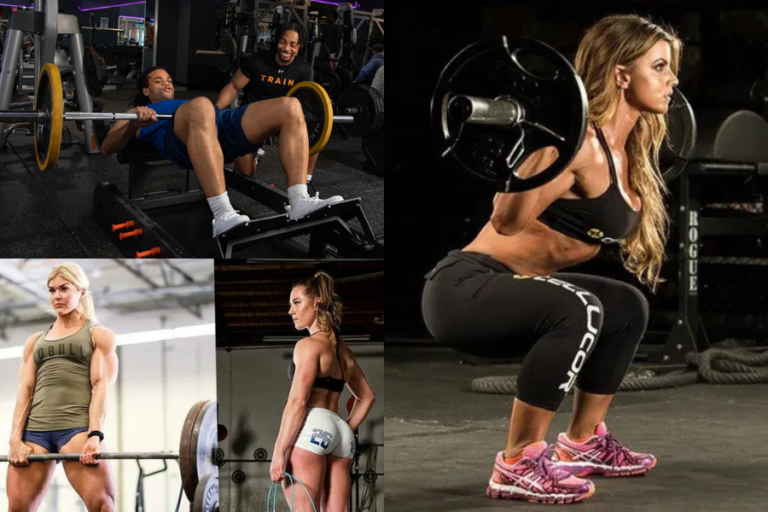
- Squat to overhead press
- Muscles: legs, glutes, shoulders, core
- Use dumbbells or a light kettlebell
- Sit back into a squat, drive through your heels to stand, and press the weight overhead
- Renegade rows
- Muscles: back, arms, core
- From a high plank with hands on dumbbells, row one weight up at a time while keeping hips steady
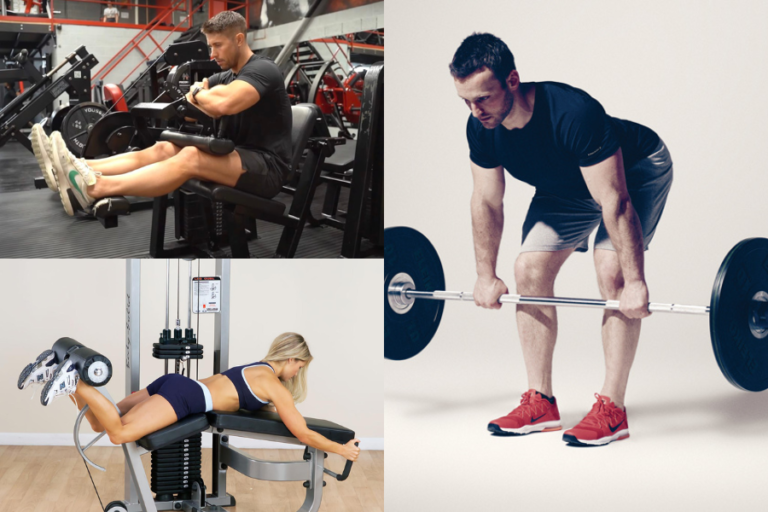
- Kettlebell swings or hip hinge swings
- Muscles: hamstrings, glutes, lower back, core
- Hinge at the hips and snap them forward to swing the kettlebell to about chest height, do not use your arms to lift
- Push ups
- Muscles: chest, shoulders, triceps, core
- Use knees or an elevated surface if needed to keep form solid
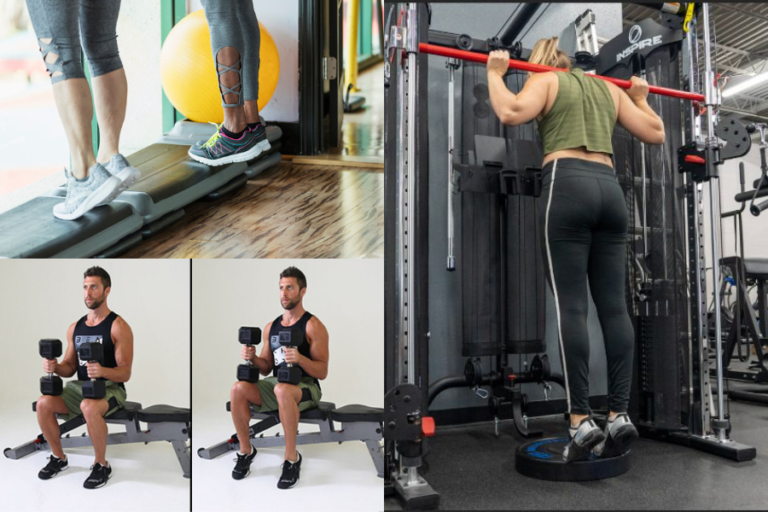
- Jumping lunges or reverse lunges
- Muscles: quads, glutes, calves, core
- Choose jumping lunges for higher intensity or step back lunges if you need a lower impact option
- Burpees
- Muscles: full body, especially legs, core, and shoulders
- Squat down, place hands on the floor, step or jump back to a plank, then return and stand or jump
This type of circuit matches what current guides suggest for a muscle building HIIT strength workout, using 45 seconds of work and 15 seconds of rest across multi joint moves.
Cool down, 5 minutes
Finish with:
- Slow walking or gentle cycling for 2 to 3 minutes
- Stretching for hips, hamstrings, chest, and shoulders
- Deep belly breathing to bring your heart rate down
You should leave the session feeling tired but not wrecked.
Adjusting the plan for your level
A HIIT strength workout is easy to adjust for beginners, intermediates, and more advanced exercisers. The exercises can stay the same while you change the difficulty.
If you are new to HIIT or strength training
Start by reducing volume and intensity:
- Work 20 to 30 seconds, rest 30 to 40 seconds
- Do 2 rounds of the circuit instead of 4
- Choose low impact versions of jumps, like step back lunges instead of jumping lunges
- Use bodyweight or very light weights while you learn the movements
You can also try the Tabata style model for just one exercise at a time, which uses 20 seconds of all out effort and 10 seconds of rest for 8 rounds, for a total of 4 minutes. If that feels too intense, do fewer rounds and longer rests until your fitness improves.
If you have some experience
Once you feel comfortable with the basics, you can progress by:
- Extending work periods to 40 to 45 seconds
- Keeping rests at 15 to 20 seconds
- Adding a third weekly session if you are recovering well
- Increasing weights slowly while maintaining good technique
You might also swap in more complex moves, such as single leg deadlifts or push presses, as your coordination and strength improve.
If you are advanced
If you have trained consistently for a while and move well, you can keep the same structure but raise the challenge:
- Use heavier weights that bring you close to muscular failure by the end of each work interval
- Add explosive, plyometric variations, such as jump squats or more dynamic push ups
- Include occasional sprint intervals on a bike, rower, or track in place of one or two strength moves
Keep in mind that even at an advanced level, more is not always better with HIIT. Your goal is sharp, focused intensity, not endless volume.
Safety tips before you start
Because HIIT pushes you close to your limits, it is important to respect your current health and fitness level.
- If you have conditions such as heart disease, high blood pressure, or diabetes, talk with your doctor before beginning HIIT
- If you are pregnant, only perform HIIT with your healthcare provider’s approval and adjust intensity as needed
- If you have joint or muscle issues, you may need to avoid high impact moves like jumps and instead choose lower impact alternatives
Studies show that HIIT can be safe and beneficial even for people with cardiovascular disease when it is monitored and scaled correctly, but medical guidance is essential in those cases.
During your workouts, listen for warning signs such as:
- Sharp joint pain
- Chest pain or unusual shortness of breath
- Dizziness that does not pass quickly during rest intervals
If any of those show up, stop and seek advice from a medical or fitness professional.
How HIIT strength compares to traditional training
You do not have to choose between classic lifting and HIIT strength workouts. Each style offers something useful, and combining them can work especially well.
Here is a simple comparison:
| Feature | HIIT strength workout | Traditional strength training |
|---|---|---|
| Main focus | Cardio plus strength, time efficiency | Maximal strength, muscle size, control |
| Workout length | About 10 to 30 minutes | About 25 to 75 minutes |
| Work to rest structure | Timed intervals, 1:1 to 1:3 work rest ratios | Fixed sets and reps with longer rests |
| Intensity style | Near maximal heart rate, short rests | High muscular effort, lower heart rate spikes |
| Best for | Busy schedules, conditioning, fat loss, endurance | Building maximum strength and muscle mass |
Experts often recommend combining both. HIIT burns plenty of calories during and shortly after your session, while strength training builds muscle that raises your long term calorie burn and supports joint and bone health. Alternating the two styles through the week can also help you recover better, since the stress on your body shifts slightly each day.
Simple weekly schedule you can follow
Here is one way you might arrange your week around a HIIT strength workout plan:
- Monday: HIIT strength workout (full body circuit)
- Tuesday: Easy walk or light mobility session
- Wednesday: Traditional strength training, heavier weights, lower reps
- Thursday: Rest or gentle movement
- Friday: HIIT strength workout (same circuit or small variations)
- Saturday: Optional low intensity cardio, like a bike ride or longer walk
- Sunday: Rest
You can slide these days around to match your routine, but try to keep at least one rest or light day between high intensity sessions.
Supporting your results with nutrition and recovery
Training hard is only part of the picture. To get the most from your HIIT strength workout plan, pay attention to the basics outside the gym.
- Eat enough protein to support muscle repair and growth. Build meals around lean sources such as poultry, fish, eggs, tofu, or beans.
- Choose mostly whole, minimally processed foods so you get the vitamins and minerals your body needs for joint health and cardiovascular function.
- Stay hydrated, especially on interval days, since HIIT sessions can be sweaty.
- Sleep 7 to 9 hours per night when possible. Many of the recovery processes that help your heart and muscles improve happen during deep sleep.
Research notes that proper nutrition and hydration are crucial for maximizing strength gains, metabolism, and performance from HIIT strength sessions, because your body is handling both muscular and cardiovascular stress at once.
Putting it all together
If you have been looking for a way to feel stronger and fitter without spending hours in the gym, a simple HIIT strength workout plan can be a practical starting point. Short, focused sessions let you:
- Build muscle and strength
- Improve cardio fitness and heart health
- Support fat loss and metabolic health
- Fit consistent exercise into a busy life
You do not need advanced equipment. You just need a few basic movements, a timer, and the willingness to work hard for short bursts. Pick one workout from this guide, schedule it twice this week, and notice how your body responds. From there, you can adjust the intervals, weights, and frequency until the plan feels like it truly fits you.
About the Author