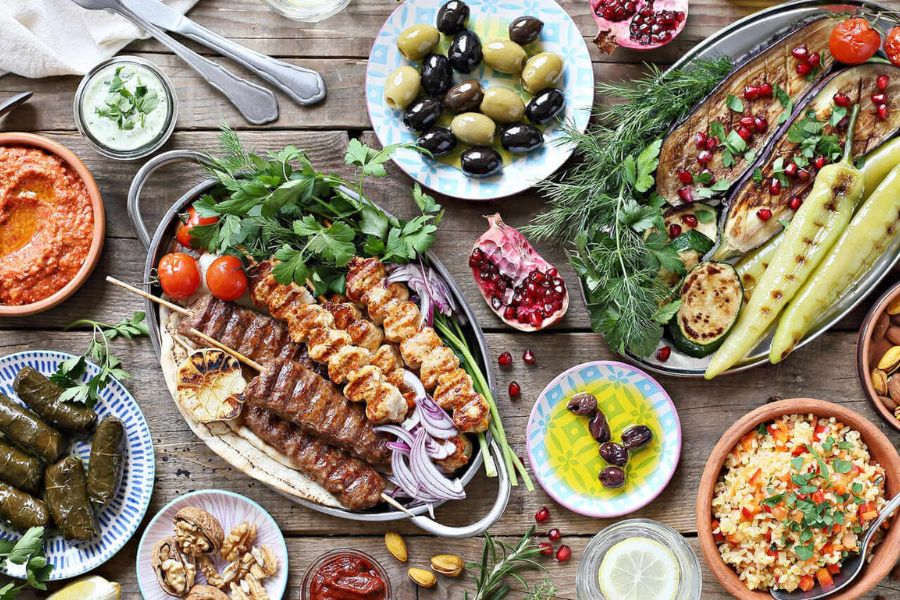
A Mediterranean diet for beginners does not need to feel complicated or strict. It is really a flexible, flavorful way of eating that centers on whole, mostly plant based foods and healthy fats, and it can fit your life even if you are busy, budget conscious, or new to cooking.
What the Mediterranean diet actually is
The Mediterranean diet is based on the traditional foods eaten in countries that border the Mediterranean Sea, such as Greece, Italy, France, and Spain. You are not copying a single country’s menu. Instead, you are following a pattern that focuses on fruits, vegetables, whole grains, beans, nuts, seeds, olive oil, and seafood, with smaller amounts of meat and sweets.
Health experts consider it one of the best studied and most reliable eating patterns for long term health. It has been linked to a lower risk of heart disease, type 2 diabetes, certain cancers, and depression, and in older adults, it may reduce frailty and support better physical and mental function (Harvard Health Publishing).
You do not need to count calories or track macros to follow this approach, unless you are managing something specific like blood sugar. Instead, you focus on balance and moderation (Healthline).
Core principles in simple terms
To understand the Mediterranean diet as a beginner, it helps to think in terms of “more of this” and “less of that.”
What you eat more often
Most of your plate comes from plants and healthy fats. Over a typical week, you prioritize:
- Vegetables: chard, broccoli, tomatoes, peppers, leafy greens
- Fruits: grapes, berries, citrus, apples, stone fruit
- Whole grains: oats, brown rice, quinoa, buckwheat, whole wheat bread or pasta
- Legumes: lentils, chickpeas, beans
- Healthy fats: olives, extra virgin olive oil, avocado, sunflower seeds, nuts
- Seafood: especially fish like salmon, sardines, and mackerel
- Fermented and lower fat dairy: yogurt and cheese in moderate amounts
- Eggs and poultry: a few times a week in reasonable portions
These foods bring fiber, vitamins, minerals, and anti inflammatory fats that support heart and brain health, stable blood sugar, and potentially weight loss (Healthline, UC Davis Health).
What you limit
You do not have to ban anything forever, but some foods move from “daily essentials” to “occasional treats”:
- Red and processed meats, such as bacon, sausage, and deli meats
- Refined grains, such as white bread and regular pastries
- Sugary drinks and desserts
- Ultra processed snacks that are high in unhealthy fats, sugar, and sodium
These foods are linked with higher risks of heart disease and type 2 diabetes, so on a Mediterranean diet for beginners you aim to eat them less often and in smaller amounts (UC Davis Health).
The key role of olive oil
Extra virgin olive oil is the main added fat in a Mediterranean style kitchen. It has a healthier ratio of unsaturated to saturated fat and is rich in antioxidants that help protect the heart, brain, and overall health (Cleveland Clinic).
You use it instead of butter or shortening when you:
- Sauté vegetables
- Toss salads
- Drizzle over cooked fish, grains, or roasted potatoes
This simple swap can make a measurable difference for your cardiovascular risk over time (Cleveland Clinic).
Health benefits you can expect
You might be drawn to the Mediterranean diet for beginners for weight loss, more energy, or better lab results. The good news is that this way of eating has strong research behind it.
Heart and metabolic health
Because it is rich in fiber, healthy fats, and whole foods, the Mediterranean diet has been shown to reduce the risk of heart disease and metabolic syndrome, and to support healthier cholesterol and blood pressure (Harvard Health Publishing).
Healthy fats from fish, nuts, and olive oil, along with plenty of vegetables and whole grains, help lower inflammation and keep blood vessels in better shape. This pattern may also help stabilize blood sugar and reduce the risk of type 2 diabetes (Healthline).
Brain and mood support
A Mediterranean style eating pattern is associated with improved brain function and fewer signs of Alzheimer’s disease pathology in older adults, likely because of its combination of antioxidants, healthy fats, and fiber (EatingWell).
Some studies also link this pattern to lower rates of depression, which may be related to steady blood sugar, better nutrient intake, and the social aspects of shared meals (Harvard Health Publishing).
Weight management
You can use the Mediterranean diet to support weight loss without strict rules. Because you focus on fiber rich foods and balanced meals, you tend to feel fuller on fewer calories. Research suggests that following this pattern can help prevent weight gain and assist with gradual weight loss (Healthline, UC Davis Health).
If you need a more specific calorie target, you can still do that within this framework, as many beginner meal plans offer options ranging from about 1,200 to 2,000 calories per day (EatingWell).
Mediterranean friendly foods to keep on hand
Setting up your kitchen is one of the easiest ways to make this diet stick. You do not need exotic ingredients. The list below is a helpful starting point.
Think of your pantry and fridge as your quiet support system. If they are stocked with Mediterranean staples, you do not have to rely on willpower every time you are hungry.
Pantry staples
Fill your shelves with items that last, so you can build simple meals quickly:
- Whole grains: oats, brown rice, quinoa, whole wheat pasta, barley
- Canned beans and lentils: chickpeas, black beans, lentils
- Canned tomatoes and tomato paste
- Canned tuna or salmon in water or olive oil
- Extra virgin olive oil and vinegar
- Nuts and seeds: almonds, walnuts, sunflower seeds
- Olives and capers
- Dried herbs and spices: oregano, basil, paprika, cumin, garlic powder
Fresh and frozen basics
Fresh ingredients bring color and texture, and frozen ones fill in gaps when you are short on time:
- Fresh vegetables: leafy greens, cucumbers, carrots, bell peppers, onions
- Fresh fruits: apples, bananas, oranges, berries, grapes
- Fresh or frozen fish and seafood
- Eggs and yogurt
- Leafy greens like spinach or kale, fresh or frozen
- Frozen mixed vegetables or peas
With these on hand, you can throw together grain bowls, hearty salads, simple soups, or pasta dishes that feel satisfying and aligned with a Mediterranean diet for beginners.
How to start without feeling overwhelmed
The most sustainable approach is to treat this as a lifestyle shift, not a crash diet. Experts often suggest small weekly changes instead of an overnight overhaul (Harvard Health Publishing).
Step 1: Make one swap at a time
Begin with one or two easy changes:
- Replace butter with extra virgin olive oil when you cook
- Add one serving of vegetables to lunch and dinner
- Switch from white bread or rice to whole grain versions
- Trade soda for sparkling water with a slice of citrus
As these become habits, add the next small step. UC Davis Health notes that gradual, manageable changes can lead to meaningful improvements over time (UC Davis Health).
Step 2: Build a Mediterranean style plate
When you look at your plate, aim for:
- Half vegetables and fruit
- About one quarter whole grains or starchy vegetables
- About one quarter lean protein, such as fish, beans, lentils, or poultry
- A drizzle of olive oil, a sprinkle of nuts or seeds, and maybe some herbs
You do not need to hit this perfect balance at every single meal, but using it as a guide keeps you close to the pattern.
Step 3: Plan simple, repeatable meals
For beginners, repeating easy meals is more realistic than trying a new recipe every night. A 7 day Mediterranean diet plan for beginners often uses a small set of ingredients in different ways to keep costs and effort under control (EatingWell).
You might rotate basic ideas like:
- Oatmeal with fruit and nuts for breakfast
- Big salads with beans, tuna, or leftover chicken for lunch
- Sheet pan dinners with fish, vegetables, and potatoes drizzled with olive oil
Once you feel comfortable, you can branch out into more involved recipes.
Adapting the diet to your needs
One advantage of a Mediterranean diet for beginners is its flexibility. You can shape it around your preferences and health needs.
Vegetarian or gluten free options
If you do not eat meat, you can get protein from beans, lentils, nuts, seeds, and dairy, and still follow the same overall principles. Cleveland Clinic notes that the Mediterranean diet can be adapted for vegetarian or gluten free approaches, as long as you choose appropriate substitutes like gluten free whole grains and plant based proteins (Cleveland Clinic).
For gluten free eating, you focus on naturally gluten free grains such as:
- Brown rice
- Quinoa
- Buckwheat
- Certified gluten free oats
Alcohol and red wine
You may have seen red wine mentioned as part of Mediterranean eating. If you already drink and are medically cleared, low to moderate amounts of red wine with meals can fit, usually one small glass a day for women and slightly more for men. Wine is always optional and should never be added just for health benefits, especially if you have medical or personal reasons to avoid alcohol (Healthline).
When to talk to your doctor or dietitian
If you have a medical condition, take medications, are pregnant, or have a history of disordered eating, it is wise to discuss your plans with a health professional. Cleveland Clinic specifically recommends working with your primary care provider or a dietitian to tailor the Mediterranean diet to your health history and make sure your meal plan is nutritionally complete and not overly repetitive (Cleveland Clinic).
Lifestyle habits beyond food
The Mediterranean diet is often described as a lifestyle instead of a strict rulebook. Along with what you eat, there is a focus on how you live.
People in Mediterranean regions typically:
- Cook at home more often, using simple ingredients
- Enjoy meals socially with family or friends
- Move their bodies regularly, often by walking
- Treat food as something to savor, not rush through
Harvard Health points out that this communal, relaxed approach to eating is a key part of the benefits, not just a side detail (Harvard Health Publishing). When you slow down and share meals when possible, you tend to feel more satisfied and less likely to overeat.
Putting it all together
Here is a quick snapshot of how a Mediterranean diet for beginners might look in daily life:
| Meal | Simple example | Mediterranean features |
|---|---|---|
| Breakfast | Oatmeal cooked in water or milk, topped with berries, chopped walnuts, and a drizzle of honey | Whole grain, fruit, nuts, fiber, healthy fats |
| Lunch | Large salad with mixed greens, tomatoes, cucumber, chickpeas, feta, and olive oil vinaigrette, plus whole grain bread | Vegetables, legumes, olive oil, fermented dairy, whole grains |
| Dinner | Baked salmon with lemon, roasted broccoli and carrots, and a side of quinoa tossed with herbs and olive oil | Fish, vegetables, whole grains, extra virgin olive oil |
| Snack | An apple with a small handful of almonds | Fruit, nuts, fiber, healthy fats |
You do not need to follow this exactly. Use it as a template and swap in foods you enjoy and that fit your budget.
Start with one change today, such as cooking with olive oil or adding an extra serving of vegetables to dinner. Over the next few weeks, layer in more of these habits. With a gradual, friendly approach, the Mediterranean diet can become a natural part of your routine and a long term partner in your health and weight loss goals.
About the Author