Understand intermittent fasting and strength training
If you are curious about intermittent fasting strength training and how it can help you lose weight without sacrificing muscle, you are not alone. Intermittent fasting (IF) changes when you eat, and strength training changes how your body uses what you eat. When you combine them thoughtfully, you can lower body fat, protect muscle, and improve key hormones and blood sugar control.
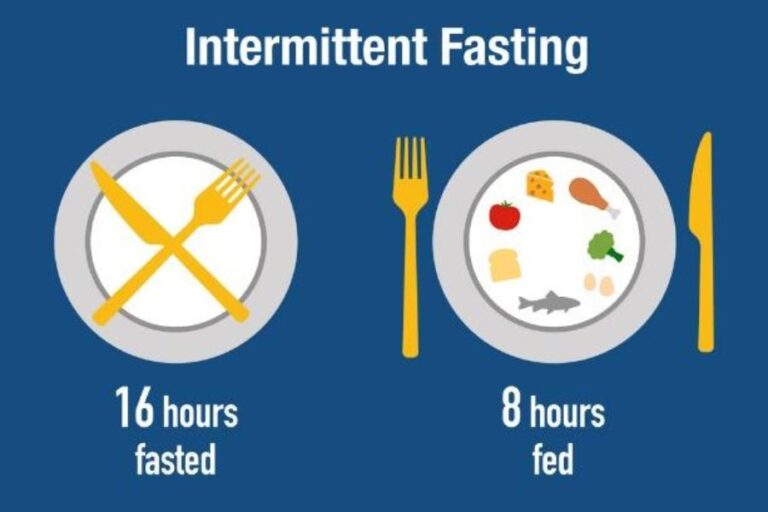
Intermittent fasting usually means you eat all your calories within a set window, such as 8 hours, and fast the rest of the day. Strength training covers weightlifting and bodyweight exercises that challenge your muscles.
Researchers have started to look more closely at what happens when you pair the two. Some studies suggest that IF can increase muscle protein breakdown over 24 hours compared with more traditional eating patterns of 3 to 5 meals, which might make it harder to build or maintain muscle if you are not careful with protein and training habits (Frontiers in Nutrition). The good news is that smart strength training and strategic meals can offset many of these downsides.
In this guide, you will learn how IF and strength training work together, where the potential risks are, and how to design a simple routine that supports fat loss and muscle maintenance or even modest muscle gain.
Weigh the pros and cons
Combining intermittent fasting with strength training has clear advantages, especially for body composition, but it is not perfect for every goal.
Potential benefits
Several fitness and nutrition resources report consistent upsides when you lift weights while following an IF schedule.
-
Better fat loss while maintaining muscle
When you train with weights during IF, you tend to lose more fat while holding on to lean mass. A study highlighted by Crunch Fitness found that pairing IF with strength training decreased body fat while helping participants maintain muscle mass (Crunch Fitness). PureGym notes similar results, with lower fat mass and stable muscle mass in people who trained while fasting (PureGym). -
Improved hormone environment for leanness
Training in a fasted state can increase growth hormone, which helps with muscle repair, fat burning, and recovery (Crunch Fitness). Prospect Medical also points out that exercising while fasting can raise growth hormone and improve insulin sensitivity, which supports a leaner and more youthful body composition (Prospect Medical). -
Better insulin sensitivity and carb use
IF combined with strength training can help your muscles use carbohydrates more effectively for recovery instead of shuttling them straight into fat storage (Crunch Fitness). This can make it easier to eat carbs without seeing them instantly on the scale.
Possible downsides
IF is not magic, and there are tradeoffs you should be aware of.
-
More muscle breakdown during long fasts
Longer fasting windows, especially 16 hours or more, seem to increase muscle protein breakdown over the day compared with evenly spaced meals. That can lead to a less favorable muscle protein balance if total protein and training are not well planned (Frontiers in Nutrition). -
Harder to build significant muscle
To build a lot of muscle you generally need a calorie surplus and regular, moderate protein feedings throughout the day. IF makes both of these harder, since your eating window is short and your meals are less frequent. PureGym notes that building muscle within a restricted eating window is possible but more challenging than on a regular eating pattern (PureGym). -
Performance dips when training fasted
Heavy lifting requires energy. Training on an empty stomach can reduce your energy and performance, especially for high intensity workouts. PureGym suggests saving your toughest sessions for times when you are fed so that you can create enough tension for muscle growth (PureGym). -
Extra risk for certain groups
Older adults and sedentary people already face something called anabolic resistance, which means their muscles do not respond as strongly to protein and training. Longer fasting windows may worsen this and make it easier to lose muscle if protein intake is not high enough (Frontiers in Nutrition).
If your main goal is fat loss with muscle maintenance, IF and strength training can work very well together. If your main goal is maximum muscle gain, a traditional eating pattern might be more forgiving.
Choose the right intermittent fasting schedule
You can find many IF methods, but most strength and fitness sources agree that the 16/8 approach is the most practical if you want to keep or build muscle.
Why the 16/8 method works well
The 16/8 schedule gives you an 8 hour eating window and a 16 hour fast. This is flexible enough to let you eat enough calories and protein, yet long enough to gain many of the benefits of fasting.
- Protein Chefs calls 16/8 a good balance between simplicity and effectiveness, especially if you are interested in health and muscle support (Protein Chefs).
- Simple Life points to 16/8 as optimal for muscle gain within IF, because the 8 hour window still leaves enough time to fit in several meals with adequate calories and protein (Simple Life).
Popular 16/8 schedules include (Protein Chefs):
- 12 p.m. to 8 p.m.
- 9 a.m. to 5 p.m.
- 7 a.m. to 3 p.m.
The best choice is the one that fits your work, family life, and training time.
Example daily structure
Here is a simple way to structure a 16/8 day if you want to lift weights:
- 10:30 a.m. to 6:30 p.m. eating window
- Strength training session starting around 4:30 p.m. or 5 p.m.
- Large post workout meal right after your session
Prospect Medical also shares a similar schedule, fasting 16 to 18 hours with workouts during the fasting period and meals timed in the late morning to early evening (Prospect Medical).
Aim for enough protein and calories
To get the most out of intermittent fasting and strength training, your daily protein and calorie intake matter more than any specific trick.
Daily protein targets
Several experts converge on similar protein ranges that help preserve and build muscle during IF.
- Crunch Fitness suggests 1.6 to 2.2 grams of protein per kilogram of body weight per day for those lifting and fasting, especially in a calorie deficit (Crunch Fitness).
- Simple Life recommends about 0.6 to 0.9 grams of protein per pound of body weight daily for muscle growth on a 16/8 IF plan (Simple Life).
Those guidelines are very close. A quick rule you can use:
- If you are active and lifting weights, aim for the higher end of the range.
- Spread this protein across 2 to 4 meals in your eating window.
Why protein timing still matters
Even during IF, how you distribute protein through your day matters. Research reviewed in Frontiers in Nutrition suggests that your muscles respond best to moderate protein doses of about 0.25 to 0.3 grams per kilogram per meal, followed by a few hours where they are less responsive (Frontiers in Nutrition).
In practice, that means:
- Large, single protein heavy meals are not as efficient as several moderate ones.
- Within your 8 hour window, 2 or 3 balanced meals will do more for your muscles than one huge feast.
Carbohydrates and fats for training
Carbs and fats also play a role.
Simple Life recommends about 1.8 to 3.2 grams of carbohydrate per pound of body weight for people lifting heavy and following IF, to help refill glycogen for performance (Simple Life).
Protein Chefs suggests focusing on:
- Whole food carb sources like whole grains, fruits, and vegetables.
- Healthy fats from foods such as nuts, seeds, eggs, fish, and plant oils, along with lean proteins like poultry, meat, legumes, and seafood (Protein Chefs).
The goal is not to cut carbs completely. It is to eat them in a way that supports your workouts and fits your calorie needs.
Time your workouts around your eating window
How you place your strength workouts within your fasting and eating windows has a big effect on how you feel and recover.
Best time to train
You can lift either fasted or fed. Both can work if you set them up correctly.
- Simple Life notes that training fasted or fed has similar effects on muscle gain during intermittent fasting and that this choice should come down to how you feel and how well you can perform. The key is to stay hydrated and prioritize protein intake after the workout (Simple Life).
- Prospect Medical suggests that early morning workouts may suit your natural circadian rhythm, though they caution against exercising too close to bedtime because that can interfere with deep and REM sleep (Prospect Medical).
If you feel strong training fasted and you can eat soon after, that can work well. If you know you lag without food, schedule your lifting during your eating window.
Training at the end of a fast
Many IF and fitness resources like the idea of working out near the end of your fasting period, then breaking your fast right after.
- Crunch Fitness highlights this timing as helpful because it keeps you in a fat burning state during the workout, then lets you eat a protein rich meal immediately afterward to support muscle recovery and growth (Crunch Fitness).
- Prospect Medical also supports working out in a fasted state, then waiting a short time before eating, although they sometimes recommend delaying food by 2 to 3 hours after exercise for hormone benefits (Prospect Medical).
If your priority is muscle preservation, you do not need to delay food for hours. For most people lifting weights, it makes sense to eat within a few hours after training, especially if the session was intense.
Post workout meals
After your strength session, your muscles are primed to use protein and carbs.
- Crunch Fitness suggests a protein packed meal right after your workout to drive muscle repair and keep fat loss on track (Crunch Fitness).
- PureGym recommends a meal that combines complex carbohydrates with protein within a few hours of your session to replenish glycogen and repair muscle damage (PureGym).
- Prospect Medical notes that heavy lifting in a fasted state especially benefits from an immediate meal afterward to refill glycogen stores and support muscle repair (Prospect Medical).
Aim for:
- A solid source of protein, such as eggs, chicken, fish, Greek yogurt, tofu, or a protein shake.
- Complex carbs, like oats, brown rice, whole grain bread, potatoes, or fruits.
- Some healthy fats, such as avocado, olive oil, nuts, or seeds.
Structure your strength training
Your workout program does not need to be complicated to work well with intermittent fasting. What matters most is that you train regularly and challenge your muscles.
Focus on resistance training first
You can use free weights, machines, or bodyweight. The key is to pick movements that work several muscle groups at once, then progress them over time.
Simple Life emphasizes resistance training as essential for preserving and building muscle during IF, even when you are in a calorie deficit (Simple Life). A simple weekly structure might include:
- 2 to 4 strength workouts per week
- 45 to 75 minutes per session
- Exercises like squats, deadlifts, presses, rows, and pull ups or their machine equivalents
Fit cardio in without losing muscle
You can still include cardio while you fast and lift, especially if your main goal is fat loss.
- Simple Life suggests moderate intensity cardio 2 to 3 times per week for 25 to 40 minutes. This supports your aerobic fitness and does not interfere with muscle gain when paired with proper strength training and nutrition (Simple Life).
- Prospect Medical notes that sprint training and high intensity intervals can boost growth hormone and support better body composition, but these sessions are demanding and should be placed carefully within your week (Prospect Medical).
If you add HIIT or sprints on top of weight training during IF, consider:
- Limiting HIIT to 1 or 2 sessions per week.
- Scheduling HIIT on non lifting days or separated from heavy strength work.
- Eating afterward so you can recover.
Know what is realistic for muscle gain
You can absolutely gain or maintain muscle on intermittent fasting, but your expectations should match the realities of training in a limited eating window.
Maintenance and recomposition are easier than bulking
Evidence from Frontiers in Nutrition and IF fitness articles shows that:
- IF tends to preserve fat free mass in comparison to regular calorie restriction, but recent research suggests some time restricted eating approaches may reduce limb lean mass over longer periods if protein is not well managed (Frontiers in Nutrition).
- Resistance training added to IF usually maintains muscle while decreasing fat, but it does not produce clearly superior muscle gains compared to traditional eating patterns and might even make large hypertrophy gains harder to achieve (Frontiers in Nutrition).
PureGym and Simple Life both point out that building muscle during IF is possible but more challenging, mainly because:
- You have less time to eat a calorie surplus.
- You have fewer chances to stimulate muscle protein synthesis with meals.
If you are new to lifting, you can often see muscle growth even with these constraints. If you are more advanced, you might focus on slow, steady progress and fat loss instead of rapid size gains.
Who should be more cautious
Some groups need to be especially thoughtful with IF and strength training:
- Older adults and those with lower activity levels may have more difficulty maintaining muscle due to anabolic resistance (Frontiers in Nutrition).
- People with a history of disordered eating or medical conditions related to blood sugar, blood pressure, or hormones should always speak with a healthcare professional before starting IF.
For many people, a moderate 16/8 plan with enough protein and consistent strength training is a safe starting point. If in doubt, adjust your approach so that you feel energized, sleep well, and can stick with your routine.
Put it all together
Here is how you can combine intermittent fasting strength training into a straightforward weekly routine.
Sample 16/8 day for lifters
- 6:30 a.m. Wake, hydrate, light walk or mobility
- 10:30 a.m. First meal, focus on protein, complex carbs, and healthy fats
- 1:30 p.m. Second meal or snack, protein centered
- 4:30 p.m. Strength training session
- 6:00 p.m. Post workout meal, largest meal of the day with plenty of protein and carbs
- 6:30 p.m. Start fast until next day at 10:30 a.m.
Weekly overview
- 3 strength sessions per week, full body or upper / lower splits
- 2 moderate cardio sessions of 25 to 40 minutes (walking, cycling, light jogging)
- Optional 1 HIIT session if you recover well
Across each day, aim to:
- Hit your personal protein target within the 1.6 to 2.2 g/kg or 0.6 to 0.9 g/lb range.
- Choose whole food carb and fat sources that support training.
- Place bigger meals near your workouts for better performance and recovery.
Key takeaways
- Intermittent fasting and strength training can work together to reduce body fat while helping you maintain muscle, especially on a 16/8 schedule.
- To protect muscle, you need enough daily protein, usually around 1.6 to 2.2 g/kg or 0.6 to 0.9 g/lb of body weight, spread across 2 to 4 meals.
- Training near the end of your fasting window and eating a protein rich, carb supported meal soon afterward is an effective strategy for both fat loss and recovery.
- Moderate cardio and occasional HIIT can complement your lifting routine, as long as you keep resistance training as your foundation.
- Muscle maintenance and recomposition are more realistic on IF than aggressive bulking, but with patience and a smart plan you can improve your strength, body composition, and overall health.
You do not need to change everything at once. You might start this week by picking a 16/8 window that fits your life, adding two strength workouts, and planning one protein focused post workout meal. Then you can adjust your schedule and nutrition as you learn how your body responds.
About the Author