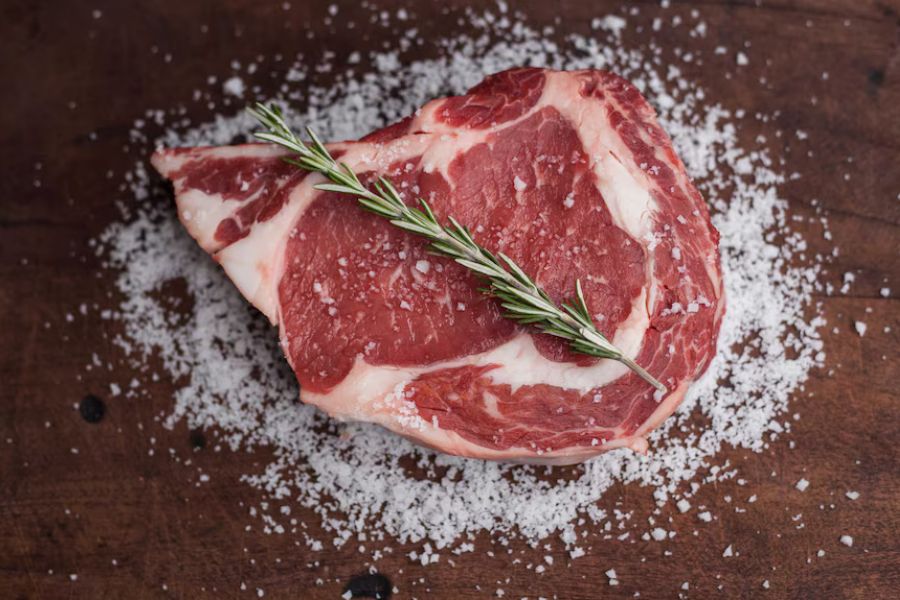
A carnivore diet meal plan is one of the most extreme ways to cut carbs. You eat only animal foods, avoid all plants, and rely on fat and protein for energy. If you are curious whether your next meal should look like steak and eggs instead of salad and rice, you will want to understand how this plan actually works, where it might help, and where it can fall short.
Below, you will see what a carnivore diet meal plan includes, what a week of eating might look like, the potential benefits people report, and the serious risks experts highlight. That way you can make a clear, informed decision instead of following a trend blindly.
Understand what a carnivore diet really is
On a true carnivore diet meal plan, you eat only animal based foods. This usually includes beef, pork, chicken, fish, eggs, animal fats, and often organ meats like liver and oxtail. You cut out all plant foods, so no fruit, vegetables, grains, beans, nuts, seeds, or added sugars at all as outlined in a 2023 overview from WebMD (WebMD).
Many popular versions also:
- Prioritize grass fed meat and wild caught fish
- Include eggs and small amounts of low lactose dairy like hard cheeses
- Use butter, tallow, or ghee for cooking
- Allow basic seasonings like salt and pepper
Some guides, such as a 2024 post from Primal Kitchen, describe slightly more flexible versions that still focus on meat but may allow eggs, full fat dairy, herbs, condiments, and even a few non starchy vegetables for some people (Primal Kitchen). Strict carnivore followers usually skip those extras and stay as close to meat only as possible.
The shared goal is to eliminate carbohydrates entirely or almost entirely. By doing this, you push your body toward ketosis, where you burn fat and ketones instead of glucose for fuel (Chomps).
See what a typical carnivore day looks like
If you follow a classic carnivore diet meal plan, your plate will be simple and repetitive. A typical 7 day plan highlighted by Chomps includes meals such as steak and eggs, salmon with pork, chicken with cheddar, ribeye steak, and bacon and eggs, with snacks like sardines, hard boiled eggs, and meat sticks, most often from grass fed and wild caught sources (Chomps).
A sample day might look like this:
- Breakfast: Ribeye steak and two fried eggs cooked in butter
- Lunch: Canned salmon patties with crispy bacon or turkey bacon
- Snack: Sardines or a few slices of cheddar cheese
- Dinner: Ground beef patties, or oxtail braised in beef tallow
Many carnivore diet recipes are built around this same pattern. WebMD lists options like scrambled eggs with turkey, salmon patties made from canned salmon and turkey bacon, and a “carnivore chicken casserole” with rotisserie chicken, cream cheese, sour cream, shredded cheese, and spices baked together (WebMD).
Your grocery list becomes short. Meat, eggs, butter, perhaps a few dairy products if you tolerate them, and seasonings. Coffee and tea are technically plant based, so strict plans exclude them, although some guides suggest slowly cutting back instead of quitting overnight (Primal Kitchen).
Consider why people use a carnivore diet meal plan
You might be wondering why anyone would give up fruit, vegetables, and even coffee. People who follow a carnivore diet usually have one of a few goals. Weight loss is common, but it is not the only reason.
Many supporters say the diet:
- Helps them lose weight quickly, especially around the belly
- Reduces joint pain or other symptoms they link to inflammation
- Steadies energy and removes afternoon crashes
- Clears up brain fog and improves focus
A 2024 summary from the Cleveland Clinic notes that advocates frequently claim benefits like weight loss and protection against chronic diseases, although strong scientific evidence for those claims is still limited (Cleveland Clinic). Chomps highlights similar self reported improvements, especially rapid weight loss tied to ketosis and “fat adaptation,” lower inflammation from avoiding processed and high carb foods, higher testosterone linked to more healthy fats, and better mental clarity thanks to ketone based brain fuel (Chomps).
There is even a survey of over 2,000 adults who followed a carnivore diet for 9 to 20 months. They reported lower BMI, more energy, better sleep, stronger physical performance, sharper memory, and fewer diabetes medications for those with that condition (Chomps). These findings are promising for some people, but you should know they are based on self reported data, not tightly controlled clinical trials.
In other words, the positive stories are real experiences, but they are not the same as long term, rigorous evidence that the diet is safe or best for everyone.
Learn how it may support weight loss
If your main question is whether a carnivore diet meal plan can help you lose weight, the simple answer is that it often does in the short term. You cut out entire groups of high calorie, high carb foods and end up eating mainly protein and fat. This usually reduces your total daily calories, even if you are not counting.
Here is why weight loss can happen on carnivore:
- Protein is very filling, so you naturally eat less overall
- Ketosis shifts your body toward using stored fat as fuel
- You avoid refined carb foods that can trigger overeating
- Meals are simple, so there are fewer chances for “extras” to creep in
Chomps notes that by eliminating carbohydrates, your body relies on fats and ketones instead of glucose, which can support fat burning, more steady energy, and reduced hunger for some people (Chomps).
You should also understand that the first week or two can feel rough. As your body adapts, it is common to feel tired, moody, or have headaches. This is a normal part of switching fuel sources, but it is also a sign that the diet is a major shift for your metabolism.
For long term weight loss and maintenance, the question is not just “does this work” but “can I actually live this way for months or years.” That is where the carnivore approach raises concerns.
Weigh the serious risks and limitations
Every restrictive diet has trade offs. With carnivore, those trade offs are big. You are not just cutting sugar or processed snacks, you are eliminating entire categories of whole foods that most nutrition experts see as essential.
Health organizations and dietitians point to several major risks:
- Nutrient gaps. Without fruits, vegetables, whole grains, beans, nuts, and seeds, you lose major sources of vitamin C, fiber, and many phytonutrients that support your immune system and help prevent chronic disease. Both WebMD and the Cleveland Clinic warn that this can raise your risk of digestive issues, heart disease, and possibly cancer over time (WebMD, Cleveland Clinic).
- No fiber. Fiber is crucial for gut health, bowel regularity, and feeding beneficial gut bacteria. Carnivore plans are essentially fiber free, which can cause constipation and may harm your microbiome (Chomps).
- High saturated fat and sodium. Eating mostly meat and processed meats can dramatically raise your intake of saturated fat and salt, which is tied to a higher risk of stroke and kidney disease, especially if you already have cardiovascular risk factors (Chomps).
- Alignment with guidelines. The carnivore diet goes directly against current Dietary Guidelines for Americans, which encourage a wide variety of fruits, vegetables, whole grains, and lean protein instead of total carb elimination (WebMD).
Nutrition specialists at Inspira Health sum it up clearly. They describe the carnivore diet as an extreme form of low carb eating and warn that removing fiber and plant phytonutrients can undermine heart health, digestion, and disease prevention (Inspira Health Network). Registered dietitian Kate Patton from the Cleveland Clinic recommends a more balanced pattern that includes fruits, vegetables, grains, and lean meats instead of cutting out carbs entirely (Cleveland Clinic).
If you already have high cholesterol, kidney disease, a history of heart problems, or digestive disorders, a strict carnivore diet could create or worsen issues. That is why experts strongly suggest talking with a doctor or dietitian before trying it, especially over the long term (Inspira Health Network).
You can think of a strict carnivore diet as a powerful but blunt tool. It can create big changes fast, but it is not finely tuned and may hit healthy systems along with problem areas.
Adjust the plan if you still want to try it
If you are still drawn to a carnivore diet meal plan because of its simplicity or the early weight loss you have seen others post about, you can make choices that are a bit gentler on your body.
Many experts who are wary of carnivore still recognize that some people want to experiment. They suggest you:
- Choose leaner cuts more often, like skinless chicken and lower fat beef, instead of only bacon and ribeye, to moderate saturated fat intake (WebMD)
- Include seafood a few times a week to get omega 3 fats that support heart and brain health (WebMD)
- Eat organ meats such as liver, heart, or kidney to cover more vitamins and minerals in fewer total calories. These cuts are nutrient dense and budget friendly (The Primal)
- Pay attention to electrolytes. Sodium, magnesium, potassium, and calcium are important for energy and muscle function. Adding salt, mineral supplements, or an electrolyte drink can help if you feel weak or crampy (The Primal)
- Avoid very late heavy meat meals. Meat takes time to digest, so finishing dinner 3 to 4 hours before bed or choosing lighter proteins like fish or eggs closer to bedtime can help your sleep quality (The Primal)
- Consider supplements for vitamin C, certain B vitamins, and especially fiber, if you and your healthcare provider decide they are appropriate
You might also decide to use a carnivore inspired plan as a short term reset or elimination phase instead of a forever lifestyle. Some people start strict, then slowly add back vegetables, low sugar fruits, and whole grains that do not trigger symptoms for them. This kind of “reintroduction plan” is closer to what most dietitians would call sustainable.
Decide whether your next meal should be carnivore
Your next meal does not have to be an all or nothing decision. A carnivore diet meal plan can give you structure, help you avoid ultra processed carbs, and possibly kick start weight loss. At the same time, it is highly restrictive, out of step with mainstream nutrition guidance, and may create nutrient gaps or long term health risks.
Before you commit to a fridge full of steaks, ask yourself:
- Can you realistically give up fruits, vegetables, and grains for weeks or months?
- Do you have any health conditions that could be affected by more saturated fat and sodium?
- Are you willing to work with a professional to monitor your labs and adjust as needed?
If you decide to experiment, start with a defined trial period, choose a variety of animal foods including seafood and organ meats, and pay close attention to how you feel. If you prefer a more moderate path, you can still borrow helpful ideas from carnivore style eating, such as emphasizing protein, cutting refined carbs, and simplifying meals without removing entire food groups.
The best meal plan for you is one that helps you reach a healthy weight, keeps your lab results in a good range, and feels livable. Carnivore might be a tool in that journey, or it might simply show you that a balanced, less extreme plan fits your life better.
About the Author