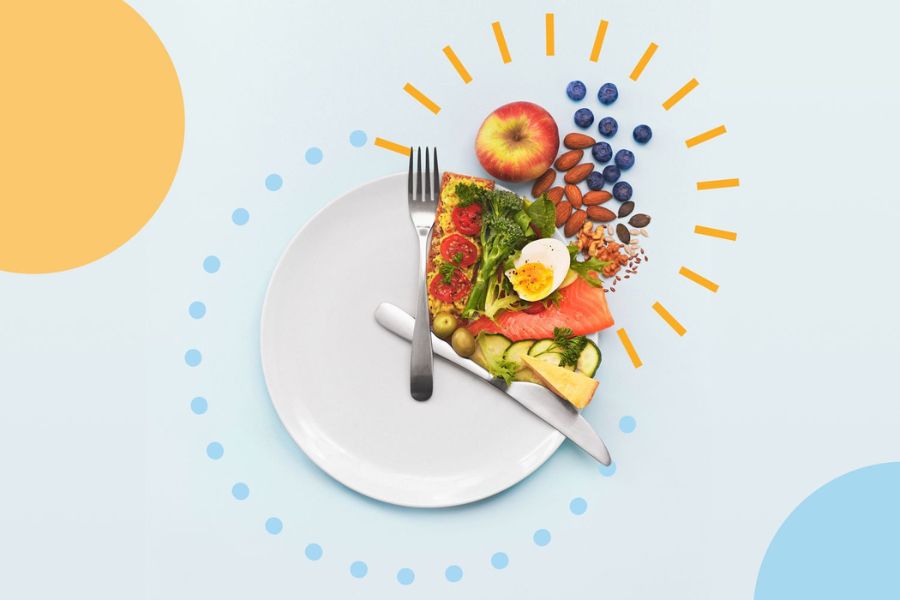
Understand the 14 10 intermittent fasting plan
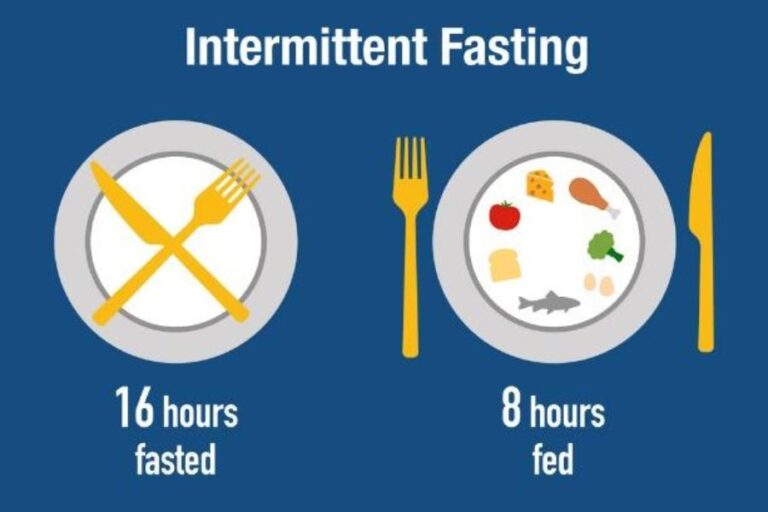
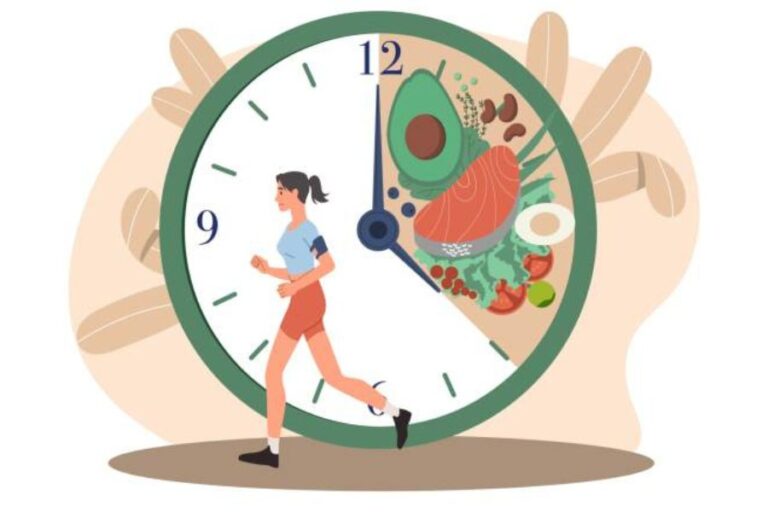
If you are curious about intermittent fasting but nervous about long fasting windows, the 14 10 intermittent fasting method is a gentle place to start. With 14 10 intermittent fasting, you fast for 14 hours and eat during a 10 hour window each day.
A common schedule looks like this:
- Eat from 10 a.m. to 8 p.m.
- Fast from 8 p.m. to 10 a.m. the next day
This approach is a form of time restricted eating. You are not counting calories minute by minute. Instead, you are simply limiting when you eat. Because most of the 14 hour fast happens overnight, many people find it easier to stick to than stricter plans like 16:8 or 18:6 (Cleveland Clinic, Simple.life).
Why 14 10 is beginner friendly
Compared with other intermittent fasting schedules, 14 10 is often recommended as a starting point for beginners because:
- You are extending your usual overnight fast, not skipping food for most of the day.
- You have a full 10 hour eating window, which can feel less restrictive.
- It fits into many work and family routines without huge changes.
- It is considered one of the easier and safer entry level fasting methods for most healthy adults (Cleveland Clinic, Simple.life).
If you are new to fasting, this plan lets you test how your body responds without jumping into very long fasts right away.
Learn what you can eat and drink
With 14 10 intermittent fasting, what you eat still matters. The schedule alone will not make up for fast food lunches and sugary drinks.
During your 14 hour fast
During your fasting window, you focus on zero calorie drinks. These help you stay hydrated and manage hunger without breaking your fast:
- Water, still or sparkling
- Herbal tea without sweeteners
- Black coffee without sugar or cream
- Unsweetened plain tea
Both the Cleveland Clinic and HexaHealth note that water, black coffee, and tea are acceptable during fasting periods because they do not provide calories (Cleveland Clinic, HexaHealth).
Sugary drinks, juice, milk, and alcohol all contain calories and will break your fast.
During your 10 hour eating window
You do not have to follow a specific diet with 14 10 intermittent fasting, but you will feel and see better results if you choose nutrient dense foods. Expert guidelines suggest focusing on (HexaHealth):
- Lean proteins, such as poultry, fish, tofu, beans, or eggs
- Plenty of vegetables, fresh, frozen, or lightly cooked
- Whole fruits, like berries, apples, and oranges
- Whole grains, such as oats, brown rice, or quinoa
- Nuts, seeds, and healthy fats, like olive oil or avocado
You do not need to be perfect. Simply aim to build most meals around these foods and limit highly processed snacks that are high in sugar, refined flour, and unhealthy fats.
Explore health benefits you might notice
Research on intermittent fasting, including 14 10 intermittent fasting, suggests several potential benefits, especially when you combine the schedule with a generally healthy diet.
Weight management and fat loss
By shortening your eating window, you often take in fewer calories without strict tracking. Studies on intermittent fasting, including 14 10, show that people can lose a meaningful percentage of their starting weight, in some research between about 0.8 percent and 13 percent, mainly because of this natural calorie reduction and a shift toward using stored fat for energy (Simple.life).
A randomized controlled trial in obese adults with type 2 diabetes compared two intermittent fasting schedules, 16:8 and 14:10, followed three days a week for three months. Both groups lost more weight than the control group. The 14:10 group lost about 3.15 percent of their body weight compared with only 0.55 percent in the control group on a normal diet (Journal of Diabetes Investigation).
Blood sugar and insulin support
Limiting late night eating and having a consistent fasting period can help lower insulin levels and support blood sugar control. Experts report that intermittent fasting schedules like 14 10 may improve insulin sensitivity and reduce insulin levels when combined with a healthy diet (Cleveland Clinic, HexaHealth).
In the diabetes trial, both the 16:8 and 14:10 groups had greater reductions in fasting blood sugar and HbA1c compared with the control group. Fasting blood sugar fell by around 28 mg/dL in the 14:10 group, compared with about 9 mg/dL in the control group (Journal of Diabetes Investigation).
If you have diabetes or take medications that affect blood sugar, you should talk with your healthcare provider before starting intermittent fasting.
Heart and metabolic health
Several studies suggest that 14 10 intermittent fasting may support heart and metabolic health. A 12 week study in people with metabolic syndrome found that a 14:10 schedule was linked with (Simple.life):
- Reduced total and LDL cholesterol
- Lower systolic and diastolic blood pressure
- Reduced body weight and waist circumference
- Improved blood sugar control and lower HbA1c
Experts also note that intermittent fasting can help with conditions like high blood pressure and high cholesterol when you pair it with a balanced diet and regular activity (Cleveland Clinic).
Digestion, energy, and mood
Giving your digestive system a daily break may ease some forms of discomfort. In ZOE’s Big IF Study, which looked at more than 37,500 people using a 14:10 schedule, participants reported within just two weeks (ZOE):
- An 18 percent average increase in energy
- A 9 percent average improvement in mood
- About 64 percent of people reporting fewer symptoms of bloating
When your eating window is shorter, it can also be easier to step away from constant snacking, which may help your digestion and energy feel more stable throughout the day.
Plan a daily 14 10 intermittent fasting schedule
The best 14 10 intermittent fasting schedule is the one you can actually follow most days. You can start with a simple plan and adjust over time.
Step 1: Pick your 10 hour eating window
Begin with your bedtime and work backward. Experts suggest starting your fast at least three hours before you go to bed to reduce nighttime snacking on calorie dense foods that can disrupt blood sugar and sleep (Cleveland Clinic).
For example:
- If you usually go to bed at 11 p.m., aim to finish eating by 8 p.m.
- With a 14 hour fast, your first meal of the day would be around 10 a.m.
Here are a few sample 14 10 schedules:
| Eating window | Fasting window | Might suit you if you… |
|---|---|---|
| 9 a.m. to 7 p.m. | 7 p.m. to 9 a.m. | Wake up early and like earlier dinners |
| 10 a.m. to 8 p.m. | 8 p.m. to 10 a.m. | Prefer a later breakfast and social dinners |
| 11 a.m. to 9 p.m. | 9 p.m. to 11 a.m. | Work late shifts or often eat dinner later |
You can shift the window by an hour or two to fit your work, family meals, or workout times.
Step 2: Keep your first and last meals simple
To ease digestion and manage hunger, try to:
- Break your fast with a balanced meal that includes protein, fiber, and healthy fats. For example, eggs with vegetables and whole grain toast, or Greek yogurt with berries and nuts.
- Avoid very heavy or sugary foods right before your fast starts. A lighter, balanced dinner can help you feel comfortable through the first part of your fasting window.
Step 3: Plan for hunger and cravings
In the beginning, your body is adjusting. You may feel hungry at the times you used to snack. You can:
- Sip water, tea, or black coffee during your fasting hours.
- Distract yourself with a short walk, hobby, or quick task when cravings hit.
- Remind yourself that feeling slightly hungry for a short time is normal and usually fades.
In clinical studies, people practicing 14 or 16 hour fasts reported moderate hunger, with scores around 4 to 5 on a 10 point scale, but without serious adverse effects or hypoglycemia (Journal of Diabetes Investigation).
Adjust 14 10 intermittent fasting to your lifestyle
You do not have to follow the exact same schedule every single day to benefit from 14 10 intermittent fasting. You can personalize it.
Shift your window around your routine
Your schedule on weekends or workdays might look different. You might:
- Use a slightly later eating window on weekends when social dinners run later.
- Move your window earlier on days when you exercise in the morning and prefer a morning meal.
- Stick to the 14 hour fast most days, and allow occasional flexible days for special events.
Experts emphasize that you may need trial and error to discover the fasting and eating windows that suit your activity level and morning hunger best (Cleveland Clinic).
Decide how many days per week to fast
Some people follow a 14 10 intermittent fasting schedule every day. Others begin with a few days a week.
Research in adults with type 2 diabetes found that fasting 14 or 16 hours three days a week for three months was enough to produce improvements in weight, fasting blood sugar, and lipid profiles compared with a control group (Journal of Diabetes Investigation).
You might start with:
- 3 days a week on a 14 10 schedule, then
- Gradually build up to 5 or more days a week if you feel well and your routine allows it.
Compare 14 10 with 16 8 intermittent fasting
You might wonder if you should aim for 16:8 instead of 14:10. Each schedule has trade-offs.
How the two methods differ
| Feature | 14:10 fasting | 16:8 fasting |
|---|---|---|
| Fasting length | 14 hours | 16 hours |
| Eating window | 10 hours | 8 hours |
| Difficulty level | Easier for most beginners | More restrictive and structured |
| Potential results | Effective, but may be slower | Often slightly faster weight loss |
In the diabetes trial, the 16:8 group lost slightly more weight than the 14:10 group over 12 weeks, about 4.02 percent versus 3.15 percent of starting weight. However, improvements in blood sugar and lipid levels were similar in both groups (Journal of Diabetes Investigation).
Other reports suggest that longer fasting windows like 16:8 may lead to more time in ketosis, which might enhance fat burning, although results can vary and shorter fasts like 14:10 still show benefits (Simple.life).
If you are just starting, 14 10 intermittent fasting can be a comfortable foundation. If you later want to experiment with a 16:8 window, you will already be used to overnight fasting and stopping evening snacks.
Watch for side effects and challenges
Even though 14 10 intermittent fasting is considered beginner friendly, it is not effortless. Paying attention to how you feel will help you adjust safely.
Common early challenges
When you first start, you might notice:
- Hunger and stronger cravings, especially at old snack times
- Irritability or mood changes when you delay a meal
- Mild digestive discomfort as your body adapts to a new rhythm
- Sleep disturbances if you eat very late in your window
Experts note that hunger, cravings, and mood changes are normal initial challenges, and that personalized planning and food choices can make the transition smoother (HexaHealth).
ZOE’s research also found that some people on a 14:10 schedule experienced more headaches after two weeks, which suggests you should monitor for this and check in with a professional if headaches persist (ZOE).
Tips to manage side effects
You can often reduce discomfort by:
- Drinking enough water to avoid dehydration, especially since you get fewer fluids from food while fasting (Simple.life).
- Eating balanced meals with protein, fiber, and healthy fats to feel fuller longer.
- Avoiding large, heavy meals right before your fasting window begins.
- Gradually increasing your fasting time instead of jumping straight to 14 hours.
If you ever feel dizzy, faint, extremely weak, or unwell, break your fast and talk with a healthcare provider.
Decide if 14 10 intermittent fasting is right for you
While many people can try 14 10 intermittent fasting safely, it is not suitable for everyone. You should talk with your doctor before starting intermittent fasting if you:
- Have type 1 or type 2 diabetes or use medications that lower blood sugar
- Are pregnant or breastfeeding
- Have a history of eating disorders or disordered eating patterns
- Take medications that need to be taken with food at specific times
- Have chronic health conditions or are underweight
Experts generally recommend that anyone with medical conditions or on multiple medications consult their healthcare provider before changing their eating pattern, especially when those changes could affect blood sugar or blood pressure (HexaHealth).
Start with simple, realistic steps
You do not have to overhaul your entire diet to begin benefiting from 14 10 intermittent fasting. You can ease in with a few manageable habits:
- Pick a 10 hour eating window that fits your current routine, such as 10 a.m. to 8 p.m.
- For one week, simply stop eating three hours before bedtime and push your first meal of the day back by one hour.
- Focus on water, herbal tea, or black coffee during your fasting hours.
- Build most of your meals around whole foods, lean protein, vegetables, fruits, and whole grains.
- Pay attention to your energy, mood, digestion, and sleep, and make small adjustments as needed.
Intermittent fasting is a tool, not a test. You can adapt 14 10 intermittent fasting to your life, not the other way around. By starting gently, choosing nourishing foods, and listening to your body, you give yourself a sustainable path toward better weight management and long term health.
About the Author