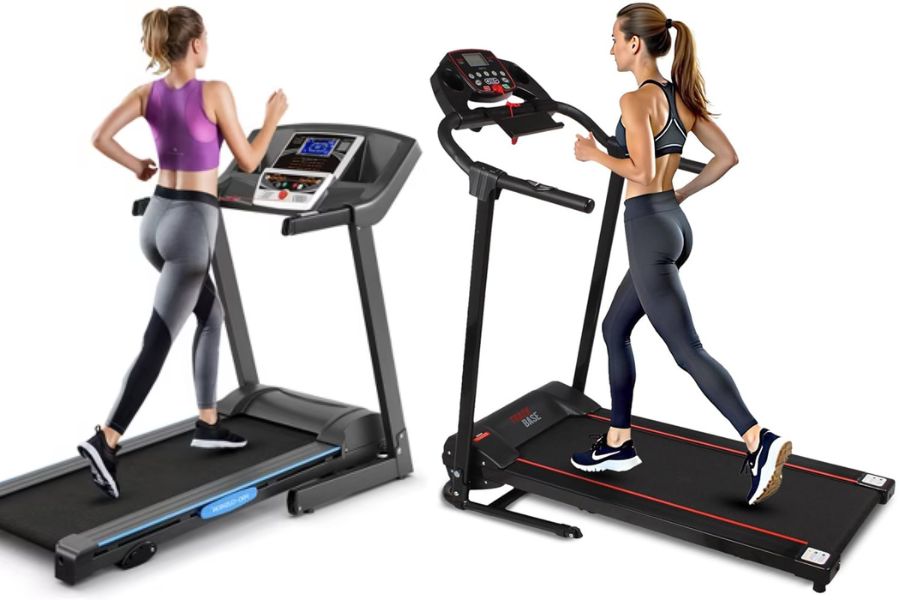
Treadmill speed workouts are one of the most time‑efficient ways to lose weight, improve your health, and build real running speed, especially when you are busy. Instead of spending an hour on steady jogging, you can get more results in 20 to 30 minutes with short, focused intervals.
Below, you will find simple treadmill speed workouts that fit into a packed schedule, plus clear guidance on how to stay safe, make progress, and avoid burnout.
Why treadmill speed workouts are worth your time
If your main goals are weight loss, better fitness, and stronger legs, it helps to understand why treadmill speed workouts work so well.
High‑intensity interval training (HIIT) on a treadmill uses short bursts of fast running followed by recovery. This style of training:
- Engages both your aerobic and anaerobic systems, which boosts endurance and heart health with consistent use (American Sport & Fitness)
- Burns more calories in less time compared to steady state cardio, and can burn up to 30 percent more calories than some other cardio options (Crunch Fitness)
- Triggers the “afterburn effect,” where your body keeps burning calories after your workout as it recovers (NordicTrack)
Treadmill speed workouts also give you control. You can set your exact speed, incline, and time. This makes it easier to repeat a workout and see real progress without worrying about weather or daylight.
Get set up for safe, effective speed work
Before you jump into sprints, a bit of setup will help you train harder and stay healthy.
Start by checking in with your current fitness level. If you are new to running, you might begin with brisk walks and light jogs instead of all‑out sprints. Many trainers suggest that beginners experiment between 2.0 and 7.0 miles per hour, while intermediate or advanced runners often work between 5 and 11 miles per hour (Garage Gym Reviews).
Next, choose a slight incline of 1 to 2 percent when you do treadmill speed workouts. This mimics outdoor running and encourages more muscle engagement, especially in your glutes and hamstrings (NordicTrack). It can also reduce the stress of repetitive flat foot strikes.
Finally, decide how many days per week you can realistically commit. Even 2 to 3 short treadmill speed workouts per week can move the needle on weight loss and fitness (American Sport & Fitness).
Learn the basic structure of a speed workout
Most treadmill speed workouts follow a simple pattern. Once you understand it, you can plug in different speeds and intervals based on how much time you have.
A typical structure looks like this:
-
Warm up
3 to 5 minutes of easy walking or jogging to prepare your muscles and raise your heart rate gradually (American Sport & Fitness). -
Work intervals
Short bursts of faster running or sprinting, usually 20 to 60 seconds. -
Recovery intervals
Light walking or slow jogging that lets your heart rate come down just enough that you can push hard again. Recovery often lasts 1 to 2 minutes for beginners (NordicTrack). -
Cool down
A few minutes of easy movement to bring your breathing and heart rate back toward normal.
This pattern lets you put real effort into each speed interval. You are not just surviving the workout, you are training your body to handle short, powerful bursts that build fitness quickly.
Try these quick treadmill speed workouts
You can mix and match the workouts below based on your experience and schedule. Each one takes around 15 to 30 minutes and focuses on simple, repeatable intervals.
1. Beginner sprint intervals (about 20 minutes)
If you are new to speed work or coming back from a break, start with short sprints and generous recovery. This plan follows a common structure recommended by several fitness sources for safe HIIT on the treadmill (NordicTrack).
-
Warm up
5 minutes of easy walking or light jogging at 0 to 1 percent incline. -
Intervals
-
30 seconds at a challenging but controlled speed
-
90 seconds of walking or very easy jogging
Repeat this 8 times.
-
Cool down
3 to 5 minutes of easy walking.
Focus on form more than speed. Your sprint pace should feel hard, but your posture should stay upright and your feet should land under your body, not far out in front. This reduces impact and improves running efficiency.
2. Time‑crunched HIIT session (about 15 minutes)
On a very busy day, you can still get in a powerful treadmill speed workout in under 15 minutes. This format prioritizes intensity to give you more benefit in less time.
-
Warm up
3 minutes easy. -
Ladder intervals
-
20 seconds fast, 40 seconds walk
-
30 seconds fast, 30 seconds walk
-
40 seconds fast, 20 seconds walk
Rest 1 minute at an easy pace, then repeat the ladder once more.
-
Cool down
3 minutes easy.
Because the rest periods shrink as your work intervals get longer, your heart rate stays elevated. This kind of “speed ladder” is a popular method for boosting calorie burn and endurance quickly (Crunch Fitness).
3. Incline power walk for non‑runners (about 20 minutes)
If running does not feel right for your joints or you simply prefer walking, you can still do treadmill speed workouts by playing with incline and brisk pace. Incline walking burns more calories than flat walking, builds strength in your glutes and hamstrings, and is often gentler on your knees (Garage Gym Reviews).
-
Warm up
5 minutes at a comfortable walking pace, 0 to 1 percent incline. -
Intervals
-
2 minutes brisk walk at 3 to 4 miles per hour and 4 to 6 percent incline
-
2 minutes easy walk at 0 to 2 percent incline
Repeat 4 to 5 times.
-
Cool down
3 to 5 minutes easy, low incline.
The moderate length of each interval gives your muscles enough time under tension to build strength, while the incline boosts calorie burn without forcing you to run.
4. 25‑minute fat‑burn pyramid (about 25 minutes)
Pyramid treadmill speed workouts gradually build intensity, then taper it back down. This keeps you engaged mentally and helps you explore different effort levels without long periods of all‑out sprinting (Crunch Fitness).
Use a steady incline of 1 to 2 percent and adjust the speed so each “hard” interval feels strong but sustainable.
-
Warm up
5 minutes easy. -
Pyramid
-
1 minute moderate pace, 1 minute easy
-
2 minutes moderate‑hard, 1 minute easy
-
3 minutes moderate‑hard, 2 minutes easy
-
2 minutes moderate‑hard, 1 minute easy
-
1 minute moderate pace, 1 minute easy
-
Cool down
5 minutes easy.
This style is especially useful if you are training for a race or want to improve your ability to hold a stronger pace for longer.
Make speed work support weight loss, not burnout
If your main reason for doing treadmill speed workouts is weight loss, it can be tempting to do them every day. That usually backfires. Your body needs recovery to adapt and get fitter.
A few simple rules help you get results without overdoing it:
-
Limit hard HIIT sessions
Aim for 2 to 3 speed workouts per week. Fill the other days with walking, gentle runs, cycling, or strength training. HIIT is powerful for weight loss, but your muscles and joints still need rest to rebuild (PureGym). -
Use progressive overload
Gradually increase one variable at a time. You might raise your speed slightly, extend your fast intervals, or shorten your rest periods every week or two (PureGym). Small, steady changes are safer and more sustainable than big jumps. -
Mix in strength training
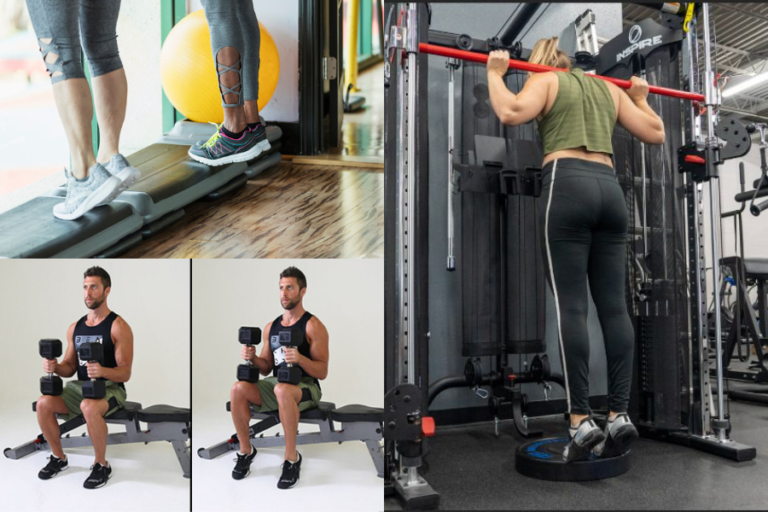
Combining treadmill speed workouts with strength training and mobility work improves muscle tone and supports fat loss more effectively than cardio alone (Crunch Fitness). Stronger muscles also help protect your joints during fast running.
Keep in mind that no workout can “spot reduce” a specific area like thighs or belly. Fat loss happens across your whole body over time when you pair regular exercise with a calorie deficit (PureGym).
Track and adjust your progress
Tracking your treadmill speed workouts helps you see that your effort is paying off, which is especially motivating when your schedule is full and your time is limited.
You can keep things simple by regularly noting:
- Speed and incline for your work intervals
- Interval lengths and total workout time
- How hard the session felt on a 1 to 10 scale
- Any aches or pains that show up
Writing these details in a notebook or app lets you compare week to week. Fitness brands recommend logging your treadmill sprints to stay motivated and to plan sensible progressions (NordicTrack).
A good sign of progress is not just faster speeds. Feeling more in control at the same pace, or needing less rest between intervals, also shows that your fitness is improving.
If a speed or incline that once felt difficult now feels easy, that is your cue to nudge things up slightly or add an extra interval.
Listen to your body and stay consistent
Treadmill speed workouts are a powerful tool, but only if you can repeat them week after week. It is better to choose a routine that feels manageable and stick with it than to go all‑out for a week and then crash.
Watch for these signals:
-
Healthy fatigue
You feel pleasantly tired after your workout, but not wiped out for the rest of the day. -
Steady energy
Your legs may feel heavy at times, but you can still handle normal daily tasks. -
No sharp or worsening pain
Mild muscle soreness is normal. Joint pain or sharp discomfort is not. If something feels off, lower your speed, cut back on intervals, or swap in an incline walk instead of sprints.
Over time, your heart, lungs, and muscles will adapt. With just a few focused treadmill speed workouts each week, you can move closer to your weight loss and health goals without living in the gym.
Start with one of the simple plans above during your next visit to the treadmill. Once that feels comfortable, tweak the speeds or intervals to match your growing fitness, and let your workouts work harder for you, not longer.
About the Author