Understand how the keto diet works
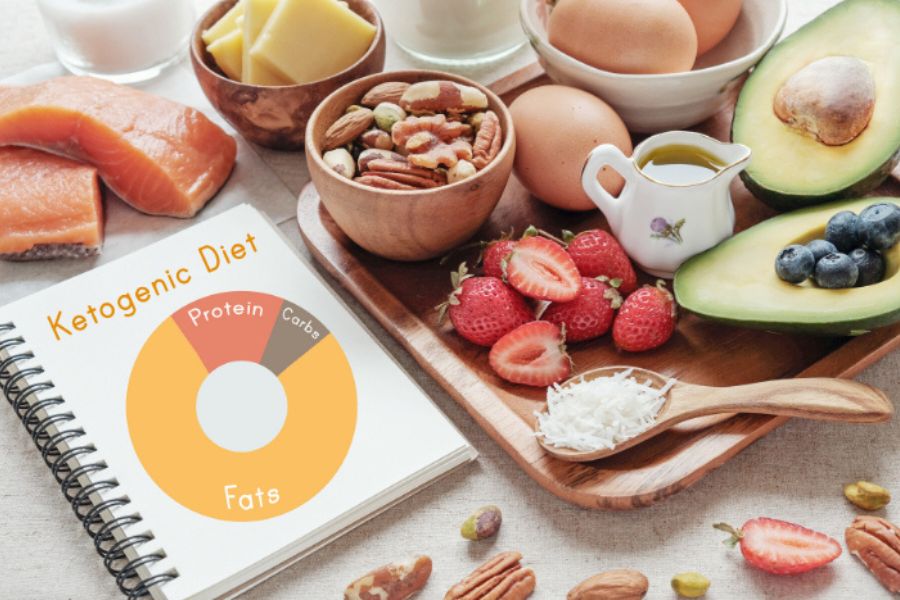
If you are curious about keto diet benefits for weight loss and health, it helps to start with how this way of eating works. The ketogenic diet is very low in carbohydrates, high in fat, and moderate in protein. Typically you keep carbs under about 20 to 50 grams per day so your body runs out of its usual fuel, glucose from carbs, and starts producing ketone bodies from fat instead. This metabolic state is called ketosis.
Originally developed in the 1920s to help children with epilepsy, the ketogenic diet is now used for weight loss, blood sugar control, and other health goals (Harvard T.H. Chan School of Public Health, Northwestern Medicine). You will see it promoted in many different ways, but the core idea is always the same: very low carb, high fat, and enough protein to maintain your muscle.
Typical keto-friendly foods include:
- Non starchy vegetables like leafy greens, broccoli, and zucchini
- Fats such as olive oil, avocado, nuts, and seeds
- Protein sources like eggs, poultry, fish, and meat
- High fat dairy such as cheese and heavy cream in moderation
Foods you usually avoid or limit are:
- Bread, pasta, rice, and most grains
- Potatoes and other starchy vegetables
- Most fruits except small portions of berries
- Sugary foods and drinks
Once you understand this basic structure, the main keto diet benefits start to make more sense.
Support weight loss and body composition
One of the reasons you hear so much about keto is its potential to help you lose weight. Many people see rapid changes in the first few weeks.
Why you may lose weight quickly
In the early stages, weight loss on a ketogenic diet often comes from:
- Glycogen depletion. Your body stores carbs as glycogen in your muscles and liver, and each gram of glycogen holds several grams of water. When you cut carbs, you deplete glycogen and lose water weight.
- A natural appetite shift. People commonly report feeling less hungry on keto compared to other restricted diets (Northwestern Medicine). Higher protein intake, steady blood sugar, and ketones themselves may all play roles.
Beyond the first weeks, ongoing fat loss still depends on taking in fewer calories than you burn. Ketosis does not override basic energy balance, but it can make it easier for you to stick to an eating pattern that supports a calorie deficit.
Clinical studies have found that ketogenic diets can reduce body weight, body fat, and visceral fat, sometimes more than low fat diets in the short and medium term (PMC-NCBI).
How keto compares over the long term
When you look at a full year or more, researchers see a more balanced picture. In many studies, weight loss and metabolic improvements with keto are similar to what you get from other structured weight loss diets after 12 months (Harvard T.H. Chan School of Public Health).
This does not mean keto is ineffective. It means you can view it as one tool among several. If you enjoy the foods and find you can live with the rules, keto can be a useful option. If you feel too restricted, another well designed plan that you can follow consistently may serve you better.
Improve blood sugar and insulin response
Another key keto diet benefit is its effect on blood sugar and insulin, especially if you have insulin resistance, prediabetes, or Type 2 diabetes.
Better blood sugar control
Carbohydrates have the biggest impact on your blood sugar. When you sharply limit them, you usually see:
- Lower fasting blood glucose
- Fewer blood sugar spikes after meals
- Decreased insulin levels
Research in people with diabetes has shown that low carb and ketogenic diets can lower hemoglobin A1c and sometimes reduce or even eliminate the need for insulin or other medications for some individuals (PMC-NCBI, Cleveland Clinic).
In a Stanford trial of adults with Type 2 diabetes or prediabetes, both a ketogenic diet and a Mediterranean style low carb diet improved blood glucose control and supported weight loss. The two plans were similarly effective on these key measures (Stanford Medicine).
Important cautions if you have diabetes
If you have diabetes, a keto diet can lower your blood sugar significantly. That can be helpful, but it can also lead to hypoglycemia if your medications are not adjusted. The Cleveland Clinic notes that you should always work with your healthcare provider when changing your carb intake so they can monitor you and adjust medications if needed (Cleveland Clinic).
Keto is not appropriate for everyone with diabetes, especially if you already have kidney disease, very high cholesterol, or other complicating factors.
Support metabolic health and heart markers
Weight and blood sugar are only part of your health picture. You might also be interested in how keto affects blood pressure, cholesterol, and other metabolic markers.
Short term metabolic improvements
Short term research on the ketogenic diet has found benefits that go beyond the number on the scale. In various studies, keto has been associated with:
- Improvements in insulin resistance
- Reductions in blood pressure
- Better triglyceride levels
- Increased HDL, the cholesterol often called “good” cholesterol (Harvard T.H. Chan School of Public Health, PMC-NCBI)
These changes are part of why keto can be appealing if you are concerned about metabolic syndrome.
A mixed picture for LDL cholesterol
LDL cholesterol, often labeled “bad” cholesterol, is more complicated. Some studies report that ketogenic diets can raise LDL, while others suggest improvements in overall lipid profiles. In the Stanford comparison of keto and a Mediterranean diet for people with Type 2 diabetes or prediabetes, both diets improved many markers, but LDL cholesterol increased on the ketogenic diet and decreased on the Mediterranean plan (Stanford Medicine).
You can tilt your own results in a better direction by focusing on healthier fat sources:
- Use olive oil, avocado, nuts, and seeds as primary fats
- Include fatty fish like salmon or sardines regularly
- Limit processed meats and very high intakes of butter and high fat red meat
This kind of thoughtful planning is especially important if you already have high cholesterol or elevated heart disease risk. In those cases, some experts prefer heart healthy patterns such as the Mediterranean diet (Cleveland Clinic).
Experience potential brain and mental health benefits
Because the ketogenic diet was originally designed for epilepsy, its effects on the brain are a major part of the interest in keto diet benefits.
Seizure control and neurological conditions
There is long standing scientific evidence that a ketogenic diet can reduce seizures in children with certain forms of epilepsy (Northwestern Medicine). In this context the diet is usually supervised very closely by medical teams.
Researchers are also studying keto in other neurological conditions, such as Parkinson’s and Alzheimer’s disease, but as of now those benefits remain unconfirmed and need more research (Northwestern Medicine).
Emerging evidence in serious mental illness
A 2024 pilot clinical trial from Stanford Medicine found promising results for people with serious mental illnesses like schizophrenia or bipolar disorder who were taking antipsychotic medications. After about four months on a ketogenic diet, participants saw:
- Resolution of metabolic syndrome in those who had it at the start
- Around 10 percent average body weight loss and reduced waist size
- Improvements in blood pressure, blood sugar, triglycerides, and insulin resistance
- Psychiatric benefits, including an average 31 percent improvement on a standard clinical scale, with 75 percent of participants showing meaningful symptom improvement
- Reports of better sleep, mood, energy, and quality of life (Stanford Medicine)
Researchers think the ketogenic diet may help stabilize the brain by providing ketones as an alternative fuel when brain cells do not use glucose efficiently.
These are early findings from a small trial, so they are not a reason to self prescribe keto for psychiatric conditions. They do, however, highlight another way that keto can influence your body beyond basic weight loss.
Influence your gut microbiome and gene expression
You might not immediately connect a keto diet with your gut bacteria or gene activity, but research suggests there are effects here as well.
Changes in gut bacteria
The community of microbes in your digestive tract, called the gut microbiome, helps regulate digestion, immune function, and even mood. A review of ketogenic diet research up to 2021 suggests that keto can:
- Increase the diversity of microbes in your gut
- Change the ratio of Bacteroidetes to Firmicutes in a direction associated with better health in some studies (PMC-NCBI)
Because many traditional high fiber foods like whole grains and legumes are limited on strict keto, quality and variety in your low carb vegetables and other fiber sources matter. You can support a healthier microbiome while on keto by:
- Eating a wide range of non starchy vegetables
- Including nuts, seeds, and fermented foods
- Considering your fiber intake when you plan meals
Effects on gene regulation
Ketones are not just fuel. One of them, beta hydroxybutyrate (BHB), acts as a signaling molecule that can influence how your genes are expressed. Research up to 2021 has linked BHB with:
- Neuroprotective effects
- Anti inflammatory actions
- Improved mitochondrial function, meaning more efficient energy production in your cells (PMC-NCBI)
These findings are still unfolding, but they suggest that keto can affect your body at a deeper cellular level, not just at the level of weight and lab tests.
Recognize the limits and risks
Every diet has trade offs. To get the most from keto diet benefits, you need to understand where the potential downsides lie so you can protect your health.
Short term side effects
When you first cut carbs, you might notice:
- Fatigue or low energy
- Headaches
- Irritability or mood changes
- Dizziness or “brain fog”
- Digestive changes, such as constipation
These symptoms are sometimes called the “keto flu” and often improve as your body adapts, especially if you drink enough fluids, maintain electrolytes, and get enough calories. Still, they can make the first week or two challenging.
Possible long term concerns
Experts have raised several concerns about staying on a strict ketogenic diet for long periods of time, especially without guidance. These include:
- Kidney stones
- Osteoporosis
- Elevated uric acid
- Vitamin and mineral deficiencies, especially if your food choices are repetitive or low in vegetables (Harvard T.H. Chan School of Public Health)
Some people may see an increase in LDL cholesterol, as seen in the Stanford comparison with the Mediterranean diet (Stanford Medicine).
Animal and cellular studies have also explored more subtle long term effects. For example:
- A University of Utah Health study in mice found that long term keto helped prevent weight gain compared with a typical Western diet, but it also revealed metabolic issues affecting blood sugar regulation when carbs were reintroduced. These changes were reversible once the animals went off the ketogenic diet (University of Utah Health).
- A study led by UT Health San Antonio reported that a continuous long term ketogenic diet could trigger cellular senescence, the build up of aged cells, in multiple organs including the heart and kidneys. An intermittent ketogenic approach, with planned breaks or “keto vacations,” avoided these pro inflammatory effects (UT Health San Antonio).
These findings are early and mostly in animals or specialized settings, but they underline a key idea: more is not always better. A very strict ketogenic diet for years on end may not be necessary or ideal for everyone.
Consider intermittent and flexible approaches
If you like some keto diet benefits but worry about long term sustainability or risks, you have options beyond permanent strict keto.
Intermittent ketogenic cycles
The UT Health San Antonio research suggests that intermittent ketogenic cycles, with regular breaks, may allow you to gain benefits while reducing cellular stress (UT Health San Antonio). In practice, this might look like:
- Periods of several weeks to a few months of strict keto
- Followed by weeks of a more moderate, whole food, higher carb diet
- Then returning to keto if needed for specific goals, with medical guidance
This kind of rhythm can be especially useful if you start keto for a defined purpose, such as reaching a weight or blood sugar target, rather than viewing it as your forever diet.
Intermittent fasting as an alternative
If you are drawn to ketosis but want a more flexible menu, intermittent fasting is another option. According to Northwestern Medicine experts, fasting periods can push your body into mild ketosis while you still eat a more balanced diet that includes fruits, vegetables, legumes, and whole grains during eating windows (Northwestern Medicine).
You might find that a moderate low carb or Mediterranean style diet combined with time restricted eating gives you a good balance of:
- Blood sugar control
- Weight management
- Long term enjoyment and adherence
Decide whether keto is right for you
Ultimately, the most important keto diet benefit is how well it fits your life and supports your health. Before you jump in, it helps to ask yourself a few practical questions.
Questions to ask yourself
- How do you feel about giving up most bread, pasta, rice, sweets, and many fruits for a period of time?
- Do you enjoy foods that are high in healthy fats, such as olive oil, avocados, nuts, seeds, and fatty fish?
- Can you plan meals or cook often enough to avoid relying on processed low carb products?
- Are you willing to track your carbs closely, especially at the beginning?
- Do you have any medical conditions, such as diabetes, kidney disease, or heart disease, that mean you should only attempt keto under close medical supervision?
When to talk with a professional
Because keto can strongly influence blood sugar, lipids, and medications, it is wise to get personalized advice if you:
- Take insulin or other blood sugar lowering drugs
- Have a history of cardiovascular disease or very high cholesterol
- Have kidney, liver, or pancreatic conditions
- Are pregnant or breastfeeding
- Have, or have had, an eating disorder
A physician or registered dietitian can help you decide if a ketogenic diet makes sense for you, suggest a safer version of it, or point you toward another eating pattern that suits your goals.
Key takeaways
Keto diet benefits can be real and significant, especially in the short term. When you follow a well designed ketogenic plan, you may experience:
- Noticeable weight loss and reduced appetite
- Better blood sugar and insulin control, particularly if you have insulin resistance or Type 2 diabetes
- Improvements in triglycerides and HDL cholesterol, with a more complex story around LDL
- Potential brain and mental health effects that go beyond basic metabolism
- Shifts in your gut microbiome and gene expression that may support anti inflammatory and neuroprotective processes
At the same time, strict long term keto can bring risks such as nutrient gaps, potential kidney stones, changes in bone health, and possible cellular stress. Research suggests that intermittent ketogenic cycles or combining milder low carb patterns with intermittent fasting may be more sustainable for many people.
If keto appeals to you, you do not have to decide forever on day one. You can treat it as an experiment, ideally with support from a healthcare professional. Try it for a defined period, pay attention to how you feel, monitor your lab work, and be willing to adjust. That way you can capture the benefits that matter for you while protecting your long term health.
About the Author