Why glute workout frequency matters
When you first dive into glute training, it’s natural to wonder how often you should train them. Glute workout frequency can be the difference between a gently sculpted lower body and hitting a frustrating plateau. Working your glutes enough will help you build strength and shape, but overdoing it might leave you feeling fatigued and prone to injury. Striking the right balance is easier than you think, especially once you understand a few key principles of recovery and muscle growth.
Understanding your glute muscles
Your glutes are actually a group of three muscles: the gluteus maximus, medius, and minimus. They work together to stabilize your hips, lift your leg to the side, and power movements like squats and deadlifts. Because these muscles handle such a variety of tasks, you’ll benefit from exercises that target each muscle from different angles.
Tips for varied exercises
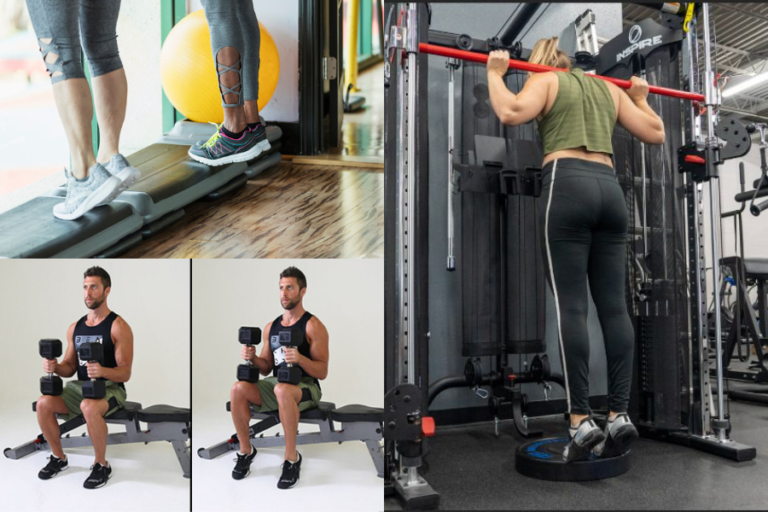
- Combine compound moves (squats, lunges, hip thrusts) with isolation movements (fire hydrants, glute bridges).
- Gradually increase weights or resistance bands to keep challenging your muscles.
- Don’t forget exercises that involve lateral movements like side lunges or clamshells for your glute medius and minimus.
Signs you might be training your glutes too often
There’s a sweet spot between steady progression and overtraining. If you do too many intense glute workouts without enough rest, your body might give you warning signs.
Common red flags
- Reduced performance: Exercises suddenly feel harder or you can’t lift as much weight as before.
- Lingering muscle soreness: Tenderness that lasts way longer than a day or two might mean you need more rest.
- Lack of motivation: Overtraining can lead to mental fatigue, making workouts feel daunting.
If you notice these signs, consider reducing your training volume or adding extra rest days to help your glutes properly recover.
Balancing rest and recovery
Your muscles need enough time to repair themselves after a workout. When you train your glutes, micro-tears form in the muscle fibers. Rest allows these fibers to rebuild stronger. Rest days, balanced nutrition, good sleep, and light stretching or foam rolling all contribute to quicker recovery.
Simple recovery strategies
- Alternate glute-focused workouts with upper-body or cardio sessions.
- Incorporate gentle stretching or yoga on rest days.
- Pay attention to your protein intake to support muscle repair.
Finding your ideal routine
Most people benefit from training their glutes two or three times a week. This frequency encourages growth and strength gains without pushing you into the overtraining zone. However, it’s essential to fine-tune your schedule based on your fitness level, workout intensity, and ability to recover.
Sample approaches
- Two-day split: Include one heavier workout (with weighted squats or hip thrusts) and one lighter workout focused on bodyweight movements.
- Three-day split: Rotate through different exercise variations. Day one might feature compound lifts, day two includes isolation work, and day three blends both.
- Full-body routine: Work your glutes along with other muscle groups a few times a week, adjusting intensity to avoid excessive fatigue.
Key takeaways
- Glute workout frequency matters because it impacts your progress and recovery.
- Understand the three-part glute structure to create a well-rounded training plan.
- Watch for overtraining signs like persistent soreness or decreased performance.
- Give your muscles time to rebuild with proper rest, balanced nutrition, and lighter sessions.
- Start with two or three dedicated glute sessions per week and adjust as needed.
By tuning in to how your body responds, you’ll find the perfect glute workout frequency. Enjoy the journey of building stronger, more defined glutes one workout at a time, and remember that rest is as valuable as your toughest training day.
About the Author