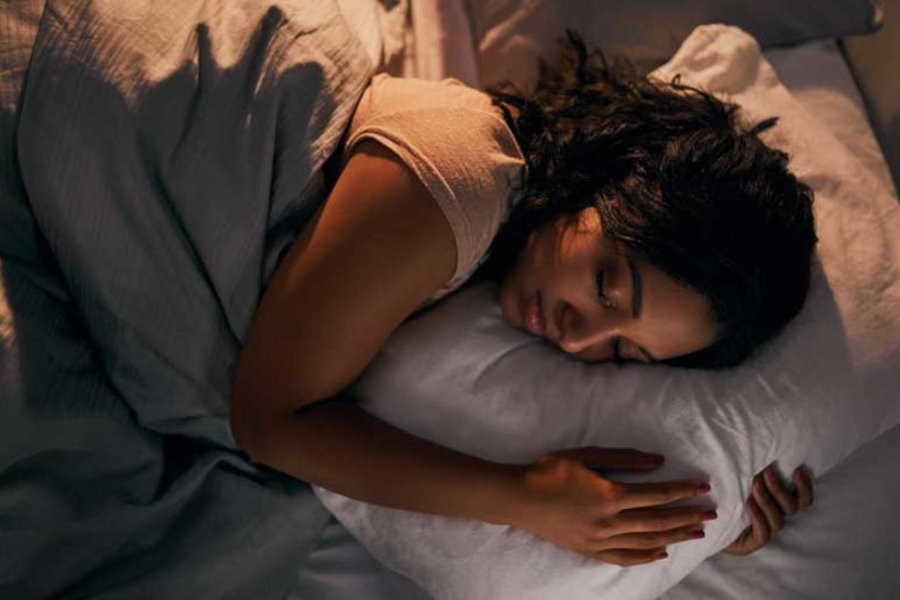
How exercise and sleep are connected
If you have ever wondered, “does exercise help or hurt sleep,” you are not alone. The short answer is that regular, moderate exercise usually helps you sleep better, but the type, timing, and amount of exercise matter. When you find the sweet spot, you can fall asleep faster, sleep more deeply, and wake up feeling more rested. When you overdo it or work out too close to bedtime, sleep can suffer.
Scientists have been studying this relationship for years. A large review of studies from 2013 to 2023 found that regular physical activity is linked with better overall sleep quality and shorter time to fall asleep (PMC). Other research shows that in many cases exercise can ease insomnia as effectively as some sleep medications (Johns Hopkins Medicine).
Understanding a few key principles can help you use movement as a tool for better nights instead of accidentally making your sleep worse.
How exercise can help you sleep
You do not need to train like an athlete to see sleep benefits. A mix of moderate activity and consistency often goes a long way.
You fall asleep faster and sleep more deeply
Moderate aerobic exercise, like brisk walking or cycling, has been shown to improve sleep quality and reduce the time it takes you to fall asleep in many different groups of people (PMC).
Several things are happening at once:
- You build up sleep pressure, so your body is more ready to rest at night.
- You increase slow wave sleep, also called deep sleep, which is the most restorative stage for brain and body recovery (Johns Hopkins Medicine).
- You may lengthen your total sleep time and improve sleep efficiency, which is the proportion of time you are actually asleep while in bed (Nature).
In one review, moderate daily aerobic exercise of about 30 minutes helped adults with insomnia extend their sleep by roughly 15 minutes and improved overall sleep duration (Nature). That might not sound dramatic, but even small gains can feel noticeable when you are chronically tired.
Your body clock and hormones stay on track
Your internal clock, or circadian rhythm, guides when you feel awake and when you feel sleepy. Exercise is one of the cues that helps set this clock.
- Morning or afternoon aerobic exercise can shift your circadian rhythm earlier and may trigger earlier melatonin release at night (Sleep Foundation).
- Outdoor morning movement adds the benefit of natural light, which further stabilizes your sleep wake cycle.
Moderate exercise also supports healthy melatonin production and temperature regulation, both important for drifting off naturally at night (Nature).
Your mind unwinds and stress eases
Stress and racing thoughts are common reasons you might lie awake longer than you want. Exercise can help calm that mental noise.
Research shows that moderate aerobic activity improves mood, eases anxiety, and helps you decompress mentally, which makes it easier to transition into sleep (Johns Hopkins Medicine). Over time, this shift can reduce insomnia symptoms, especially if your sleep troubles are tied to stress.
You may rely less on sleep medications
In some studies, regular exercise has reduced insomnia complaints about as much as certain sleeping pills, although more research is needed for a full comparison (Johns Hopkins Medicine).
In people who struggle with insomnia, short term exercise programs that last three months or less often lead to meaningful improvements in how they rate their own sleep quality (PMC). That suggests targeted movement routines can be a useful part of a non drug approach to sleep problems.
Specific sleep issues that exercise can improve
Studies suggest that exercise can help with several sleep challenges, not just general sleeplessness:
- Chronic insomnia: Regular moderate aerobic exercise three or more times a week has been shown to help people fall asleep faster, sleep longer, and feel more satisfied with their sleep (Nature, Premier Health).
- Sleep apnea: Exercise can reduce the severity of obstructive sleep apnea by up to about half, even without weight loss (Nature).
- Restless legs and other complaints: Short, regular bouts of activity are linked with better total sleep time, fewer awakenings, and reduced symptoms of certain sleep disorders (Sleep Foundation).
If you have a medical condition or severe sleep disorder, it is still important to talk with your doctor before making big changes to your routine. Exercise is often one piece of a broader treatment plan.
When exercise can hurt your sleep
Even though exercise usually supports better sleep, it is possible to have too much of a good thing or to time your workout in a way that backfires.
Overdoing intensity or volume
Very strenuous workouts, especially when they happen often, can leave your body stuck in “go” mode when you are trying to wind down.
A 2021 study that looked at more than 9,000 adults found that very low activity and very high activity were both linked with more insomnia symptoms (Psychology Today). People with a high physical load six or more times per week had more trouble falling asleep and staying asleep. They were also more likely to use sleep medications.
Other research supports this U shaped pattern. Regular activity four to seven times per week tends to help sleep, but intense training six or more times weekly may increase your risk of insomnia (PMC).
If you are constantly sore, exhausted, or noticing your sleep getting worse as your workout schedule ramps up, your body might be signaling that it needs more recovery.
Exercising too close to bedtime
Timing is one of the biggest factors in whether exercise helps or hurts sleep. Movement naturally raises your heart rate, core body temperature, and levels of stimulating hormones. You need enough time after a workout for these to come back down.
Research suggests that:
- Moderate intensity exercise that ends at least 90 minutes before bedtime usually does not harm sleep and may even increase deep, restorative sleep (Sleep Foundation).
- High intensity exercise, especially high intensity interval training, within an hour of bedtime is more likely to delay sleep and reduce sleep quality (PMC, Harvard Health).
- Experts often suggest avoiding strenuous exercise for at least two hours before you plan to go to sleep (Harvard Health, Premier Health).
Late afternoon workouts are often considered ideal because they allow enough time for your body to cool down and shift into rest mode before night (Premier Health).
Evening workouts affect everyone differently
You might hear blanket advice like “never exercise at night,” but the reality is more nuanced. A review of 23 studies found that evening exercise did not harm sleep overall. In many healthy adults it actually helped them fall asleep faster and spend more time in deep sleep, as long as the exercise was not extremely intense and did not end right before bed (Harvard Health).
Your personal reaction depends on:
- Chronotype: If you are an “early bird,” intense late night workouts may bother your sleep more than if you are a natural night owl (Sleep Foundation).
- Fitness level: If you are new to exercise, even moderate evening workouts might feel more stimulating at first.
- Stress level: If nighttime exercise is your main way to unwind, it may actually calm you, even if it technically raises heart rate and temperature.
You may need a bit of trial and error to find what works for you.
Finding your personal exercise sweet spot
You do not have to design a perfect training plan to get better sleep. A few simple guidelines can help you balance effort and rest.
Aim for moderate movement most days
Across multiple reviews, moderate intensity exercise comes up as the most reliable option for improving sleep (PMC, Nature). Examples include:
- Brisk walking
- Easy to moderate cycling
- Light jogging or swimming
- Low impact dance classes
- Mind body practices like yoga or tai chi
A practical starting point is at least 30 minutes of moderate activity on most days of the week. Studies suggest you might even notice sleep improvements the same night after a single session (Johns Hopkins Medicine).
Plan your timing around your sleep
To let exercise help instead of hurt your sleep, pay attention to your schedule:
-
If you like morning workouts:
-
Enjoy the added benefit of bright light exposure if you can get outdoors.
-
Morning sessions may shift your body clock earlier, which is helpful if you tend to fall asleep and wake up later than you would like (Sleep Foundation).
-
If you prefer afternoon or early evening:
-
Try to finish vigorous sessions at least 2 to 3 hours before bedtime.
-
Late afternoon workouts line up well with natural changes in body temperature and may prepare you for easier sleep later (Premier Health).
-
If night is your only option:
-
Keep intensity light to moderate within 90 minutes of bedtime. Gentle yoga, stretching, or slow walking are usually better than sprints or heavy lifting.
-
Notice how you sleep on days you train late. If you feel wired, try scaling back or moving your workout earlier when possible.
Watch for signs you are overdoing it
Your sleep is one of the best indicators of how well your current routine is working. You might be nudging into “too much exercise” territory if you notice:
- It suddenly takes much longer to fall asleep.
- You wake up frequently during the night.
- You feel wired and restless in bed even though you are tired.
- Your performance is dropping or your motivation to exercise has crashed.
Research has linked very high physical loads and more than about 300 minutes of intense activity per week with increased insomnia symptoms (Psychology Today). If these signs sound familiar, consider:
- Swapping some intense sessions for easy walks or stretching.
- Building in at least one or two full rest days each week.
- Talking with a healthcare provider if your sleep does not improve.
Combine movement with good sleep habits
Exercise is powerful, but it works best alongside other supportive habits. Experts often recommend pairing activity with classic sleep hygiene strategies such as (Harvard Health):
- Keeping a consistent sleep and wake schedule, even on weekends.
- Following a calming pre bed routine, like reading or light stretching.
- Dimming screens and bright lights in the hour before bed.
- Avoiding very long daytime naps, and keeping short naps to 20 to 30 minutes in the early afternoon.
These steps reduce the “friction” around bedtime so the benefits of exercise can show up more clearly in your sleep.
Simple ways to start today
You do not need a gym membership or a detailed plan to begin using exercise to support better sleep. Here are a few approachable options you can try this week.
If you are mostly inactive right now
- Start with a 10 to 15 minute brisk walk once a day.
- After a week or two, add another 10 to 15 minute walk or extend your existing one.
- Watch how your sleep responds as you gradually work toward 30 minutes of moderate movement most days.
Even relatively small amounts of added activity have been linked with better sleep compared with doing almost nothing (Psychology Today).
If you already exercise regularly
- Look at when you are working out. If most of your intense sessions finish within 1 to 2 hours of bedtime, experiment with moving them earlier.
- If your schedule is packed, keep late workouts lower in intensity and focus on form, flexibility, or slow cardio instead of all out effort.
- If your sleep has recently declined, try reducing total weekly training volume slightly to see if you notice a difference.
If you live with chronic insomnia
For ongoing insomnia, defined as trouble sleeping at least three nights a week for more than a month, consistent moderate exercise can be especially helpful. Health experts note that it can shorten the time it takes you to fall asleep, lengthen total sleep, and improve overall sleep quality (Premier Health).
You might consider:
- A gentle aerobic routine like walking, dancing, or cycling three to five days per week.
- Light strength or yoga sessions on alternate days.
- Keeping a simple sleep and activity log so you can track patterns and share them with your doctor if needed.
Because insomnia can have many causes, it is wise to work with a healthcare provider, especially if your symptoms are severe or long term. Exercise is often recommended as part of a broader plan that can also include behavioral therapy, stress management, or medical treatment.
Key takeaways
To return to the question, “does exercise help or hurt sleep,” the research points to a clear pattern. For most people:
- Regular, moderate exercise helps you fall asleep faster, sleep more deeply, and feel more restored the next day.
- The biggest benefits show up when you move most days of the week, focus on moderate intensities, and give your body time to wind down before bed.
- Exercise can hurt sleep if it is too intense, too frequent, or timed too close to bedtime, especially in people already under high physical or mental stress.
- There is no single best time for everyone to exercise for sleep. The right timing depends on your schedule, your chronotype, and how your body responds (Sleep Foundation).
You do not need to overhaul your entire lifestyle overnight. Try one small change, such as a 20 minute walk in the late afternoon or a gentle yoga session in the early evening, and pay attention to how you sleep afterward. Over a few weeks, you can adjust your routine until your days and nights start to support each other.
About the Author