What intermittent fasting is
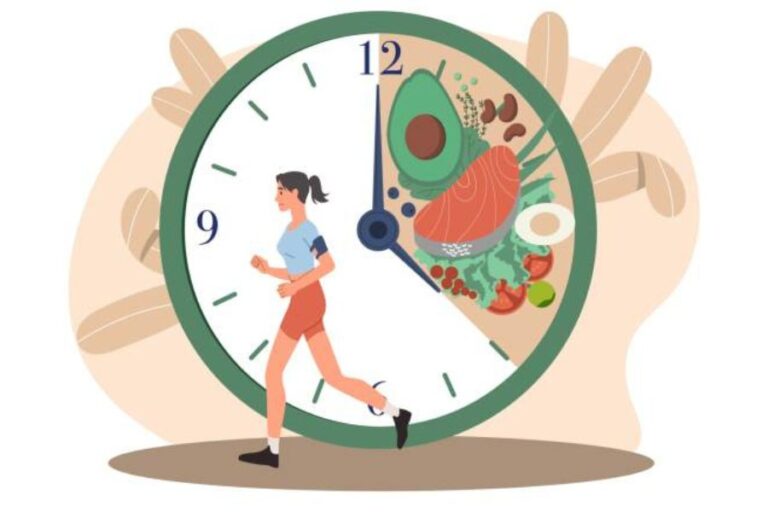
If you are curious about intermittent fasting for seniors, you are not alone. Intermittent fasting simply means you regularly limit when or how much you eat instead of following a traditional three‑meals‑plus‑snacks pattern.
Researchers and clinicians often describe a few main types (Harvard Health Publishing):
- Time‑restricted eating (TRE)
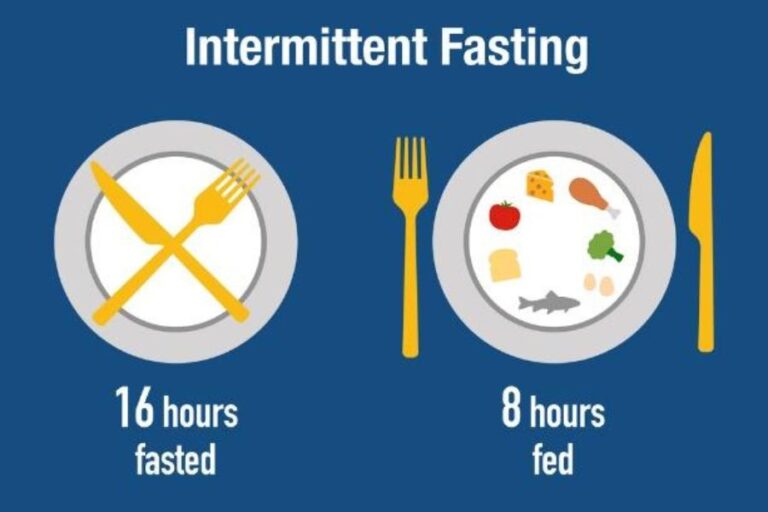
You eat all your meals within a set daily window, such as 12 hours on and 12 hours off, or 16 hours of fasting and 8 hours of eating. - Alternate‑day fasting (ADF)
You alternate between days of normal eating and days of very low calorie intake. - 5:2 method
You eat normally 5 days per week and eat a much lower number of calories on 2 non‑consecutive days.
The appeal is simple. You do not necessarily have to count every calorie. Instead, you create longer breaks between meals so your body can reset its metabolism and tap into stored energy.
For older adults, the key question is not just “Does it work?” but “Is it safe for you?”
Potential benefits for older adults
When you look at intermittent fasting for seniors, you will see a mix of promising research and understandable caution. Early studies suggest several possible upsides when fasting is done carefully and with medical guidance.
Weight loss and body composition
If you are trying to lose weight in your 50s, 60s, or 70s, you have probably noticed that it is harder than it used to be. Intermittent fasting can help some older adults reduce overall calorie intake and shift the body toward burning fat.
- In a study of adults aged 65 to 74 who followed 16‑hour time‑restricted eating for six weeks, participants lowered their BMI without losing bone density. Men also reduced waist size and visceral fat (AARP).
- Reviews of alternate‑day fasting show weight loss of roughly 7 to 9 percent over a few months with no major negative impact on bone mineral density in adults with overweight or obesity (US National Library of Medicine).
Losing even a modest amount of weight can ease joint pain, support heart health, and improve energy. The goal in later life is gradual, steady loss that protects muscle and bone, not dramatic drops on the scale.
Blood sugar and insulin sensitivity
If you are living with prediabetes or type 2 diabetes, timing your meals may matter as much as what is on your plate.
Research has found that intermittent fasting:
- Improves insulin sensitivity and lowers insulin levels in people with prediabetes and type 2 diabetes
- Can provide similar improvements in HbA1c, a key blood sugar marker, compared with continuous dieting, while sometimes leading to greater weight loss in older adults around age 61 (Nutrients)
Better insulin sensitivity can:
- Lower the risk of developing diabetes
- Help you use medications more effectively
- Reduce energy crashes related to blood sugar swings
Because blood sugar medications and insulin timing are so important, this is an area where you absolutely need your doctor’s input before making changes.
Heart and metabolic health
Many potential benefits of intermittent fasting relate to what experts call “metabolic fitness,” which includes blood pressure, cholesterol, inflammation, and how your body uses energy.
Studies suggest that various fasting approaches can:
- Lower blood pressure and resting heart rate
- Improve cholesterol patterns
- Reduce markers of inflammation
- Support a switch from using mainly glucose to using fatty acids and ketones for fuel after about 12 hours of fasting (Nutrients)
Over time, these shifts may help lower the risk of heart disease, stroke, and other chronic conditions that become more common with age.
Brain function and healthy aging
Some of the most intriguing findings around intermittent fasting for seniors involve the brain and healthy aging.
- People aged 55 to 70 who used the 5:2 intermittent fasting style not only lost more weight compared with a standard healthy diet, they also performed better on memory and executive function tests (AARP).
- Research highlighted by Harvard suggests that fasting may help maintain “youthful” mitochondria, the tiny power plants inside your cells, which might contribute to longer healthspan, or more years of good health (Harvard Health Publishing).
There is also early evidence that fasting supports cellular rejuvenation and may make cells look biologically younger, independent of weight loss (AARP).
Sleep and circadian rhythm
Your body runs on a 24‑hour clock called the circadian rhythm. Eating late at night can throw this rhythm off and may affect your sleep and blood sugar.
By keeping food to a set daytime window, intermittent fasting can:
- Allow your gut and digestive system more time to rest
- Support better sleep quality
- Improve insulin regulation
- Potentially lower the risk of diabetes and inflammation‑related conditions (AARP)
If you often wake up feeling sluggish or have trouble falling asleep, a more consistent eating schedule might be one gentle lever you can try with your doctor’s blessing.
Bone health and intermittent fasting
As you get older, protecting your bones becomes a non‑negotiable priority. Any eating pattern that causes rapid weight loss or nutrient gaps can raise your risk of fractures, so it is natural to worry about how fasting might affect bone.
What current research suggests
So far, human studies provide a cautiously reassuring picture, with important caveats:
- Intermittent fasting regimens such as alternate‑day fasting and time‑restricted eating, practiced for up to 6 months, generally do not appear to harm bone mineral density and may even slightly protect against bone loss during modest weight loss of less than 5 percent of starting weight (US National Library of Medicine).
- Trials of alternate‑day fasting in adults with overweight or obesity showed significant weight loss without significant changes in total body bone mineral content or bone turnover markers over 3 weeks to 6 months (US National Library of Medicine).
Most of this research, however, has been done in younger or middle‑aged adults, not in the very population most vulnerable to bone loss: seniors and postmenopausal women.
Promising but early animal findings
Some animal studies hint that intermittent fasting might even improve bone healing in older bodies:
- In aged mice, combining intermittent fasting with a specialized Wnt3a bandage restored bone healing to levels similar to young animals. The fasting periods improved mitochondrial activity and reduced cellular stress in bone‑forming cells, and shifts in the gut microbiome seemed to play a role (eLife).
These findings are exciting but still limited to mice. Researchers are careful to note that they do not yet translate directly into treatment recommendations for humans.
What this means for you
For now, the practical takeaway for older adults is:
- Mild intermittent fasting over the short to medium term probably does not harm bone for most people.
- Longer, stricter fasting or rapid, large weight loss might increase the risk of bone and muscle loss, especially if protein and key nutrients are inadequate.
- Daily habits like strength training, walking, and getting enough calcium, vitamin D, and protein remain central to bone protection regardless of your eating schedule.
Risks and who should avoid fasting
Intermittent fasting for seniors is not automatically safe or suitable. In later life, your margin for error is smaller. You may have medical conditions, take multiple prescriptions, or be more vulnerable to falls and low energy.
Common risks for older adults
Experts point to several concerns you should take seriously (Harvard Health Publishing) and (Nutrients):
- Unintended weight loss
Losing too much or losing too quickly can weaken bones, lower immune function, and drain your energy. - Muscle loss and frailty
If you do not eat enough protein or you combine fasting with too little movement, you may lose muscle, which increases fall and fracture risk. - Low blood sugar (hypoglycemia)
Longer gaps between meals can cause dizziness, confusion, or weakness, especially if you use insulin or certain diabetes medications. - Falls and injuries
Feeling lightheaded or weak when you stand up makes you more likely to lose your balance. - Medication timing issues
Many drugs must be taken with food or at specific times. Fasting can complicate your routine and potentially affect how well medications work. - Digestive discomfort or fatigue
Headaches, irritability, and trouble concentrating are common when you first try longer fasts.
Who should be especially cautious or avoid it
You should talk to your doctor before trying intermittent fasting if you:
- Have type 2 diabetes or prediabetes
- Have cardiovascular disease or a history of stroke
- Take medications that must be taken with food
- Have osteoporosis or a history of frequent falls
- Are underweight or have recently lost weight without trying
- Have mobility challenges or chronic fatigue
- Have a history of eating disorders
For some people in these groups, a doctor may recommend skipping fasting altogether or using only very gentle time‑restricted eating with close monitoring.
Best intermittent fasting schedules for seniors
If you and your healthcare provider decide that intermittent fasting might be reasonable to try, the next step is choosing a schedule that fits your age, health, and daily life.
The guiding principle is simple: the older you are, the less restrictive your fasting window should be.
Why milder approaches work better in later life
As you get older you generally need:
- More protein per pound of body weight to maintain muscle
- Enough calories to support bone health and immunity
- Regular meal timing to match medications and keep energy steady
Very tight eating windows like 20:4, where you eat all your food in just 4 hours, make it hard to meet these needs. Even 16:8 can be too restrictive for some seniors, particularly if appetite is already low.
The 12:12 schedule: a senior‑friendly starting point
Many geriatric nutrition experts view 12:12 time‑restricted eating as the most practical and senior‑friendly approach (Pegasus Senior Living).
What it looks like:
- You eat during a 12‑hour daytime window.
For example, breakfast at 7 a.m. and your last bite of the day by 7 p.m. - You fast for the other 12 hours overnight.
Water, black coffee, or unsweetened tea may be allowed, but no calories.
Benefits of 12:12 for older adults:
- Allows three balanced meals and a small snack if needed
- Aligns well with most medication schedules
- Mimics a natural “early breakfast, early dinner” rhythm
- Gently supports your circadian clock and gives your gut consistent overnight rest
You can think of 12:12 less as “dieting” and more as setting up a predictable daily pattern that nudges your metabolism in a healthier direction.
How it compares to more restrictive methods
Here is a simple comparison of common intermittent fasting types for older adults:
| Method | Eating window | Typical senior guidance |
|---|---|---|
| 12:12 TRE | 12 hours eating, 12 fasting | Usually the most manageable and appropriate starting point (Pegasus Senior Living) |
| 14:10 TRE | 10 hours eating, 14 fasting | Possibly reasonable for some with close monitoring |
| 16:8 TRE | 8 hours eating, 16 fasting | Often not recommended for many seniors due to nutrient and energy concerns |
| 20:4 TRE or “OMAD” | 4 hours eating, 20 fasting | Generally not appropriate for older adults |
| 5:2 diet | 5 days normal, 2 very low calorie | May help some but can be challenging with meds and energy needs |
| Alternate‑day fasting | Normal eating one day, very low calorie the next | Usually too stressful for older bodies and harder to sustain |
If you already naturally stop eating a few hours before bed and avoid late‑night snacks, you might be closer to 12:12 than you realize.
How to start intermittent fasting safely
If you decide to experiment with intermittent fasting for seniors, you can treat it like any gradual lifestyle change. Small, steady steps tend to work better than rigid rules.
1. Talk to your healthcare team first
Before changing your eating pattern, schedule time with:
- Your primary care physician
- Your endocrinologist or cardiologist, if you have diabetes or heart disease
- A registered dietitian, especially one experienced with older adults
Ask about:
- How fasting might interact with your medications
- Warning signs you should watch for, such as dizziness or confusion
- Whether you need blood work, blood pressure checks, or weight monitoring
Bring a clear example of the schedule you are considering, such as “I am thinking about a 7 a.m. to 7 p.m. eating window.”
2. Ease in gradually over weeks or months
Instead of jumping into a strict schedule, you can:
- Note your current pattern.
For a few days, jot down when you have your first and last bites of the day. Many people are surprised by how late they snack. - Pull dinner earlier by 15 to 30 minutes.
Keep this new time for a week and see how you feel. - Close the kitchen after dinner.
Replace late‑night snacks with herbal tea, water, or another non‑caloric drink. - Slowly lengthen your overnight fast.
Aim for an extra 15‑minute gap every week or two until you reach 12 hours.
If at any point you notice worrisome symptoms, pause and check in with your doctor rather than pushing ahead.
3. Focus on quality, not just timing
The health impact of intermittent fasting depends heavily on what you eat during your window.
To support weight control, metabolic health, and strong bones and muscles, try to emphasize:
- Lean proteins such as poultry, fish, eggs, tofu, yogurt, and beans
- High‑fiber carbohydrates such as vegetables, fruit, oats, and whole grains
- Healthy fats from olive oil, nuts, seeds, and avocado
- Plenty of fluids, mainly water
Try to limit:
- Highly processed snack foods
- Sugary drinks and sweets
- Heavy late‑night meals, which can disrupt sleep and blood sugar
Think of your eating window as an opportunity to nourish your body, not as permission to “make up for lost time.”
4. Protect muscle and bone with movement
Intermittent fasting works best when it is paired with activity. To prevent muscle and bone loss:
- Include strength or resistance exercises two or more days per week, such as light weights, resistance bands, or body‑weight moves modified for your ability.
- Stay physically active most days, with walking, gentle cycling, or swimming if you are able.
- Discuss safe exercise options with your doctor or physical therapist, especially if you have joint issues or balance concerns.
If you lose weight but do not support your muscles and bones, you may feel weaker instead of stronger.
5. Watch for warning signs and adjust
As you experiment, pay attention to how you feel. Stop or adjust your fasting plan and contact your doctor if you notice:
- New or worsening dizziness or faintness
- Confusion, difficulty concentrating, or unusual mood changes
- Increased falls or near‑falls
- Persistent weakness or exhaustion
- Rapid, unintended weight loss
- Worsening blood sugar readings if you have diabetes
You and your healthcare team can then decide if you should shorten your fasting window, change your medication timing, or return to a traditional meal pattern.
Is intermittent fasting right for you?
Intermittent fasting for seniors is not a magic fix, and it is not a requirement for healthy aging. It is simply one tool among many that might support weight control, blood sugar balance, and long‑term health when used carefully.
You may be a good candidate to explore a gentle fasting schedule if:
- You are generally stable medically
- You can reliably monitor your symptoms and check in with your doctor
- You are willing to start slow, focus on nutritious foods, and stay active
On the other hand, if you are very frail, underweight, or managing multiple complex conditions, prioritizing regular, balanced meals and consistent medication timing may be safer than experimenting with fasting.
The most important part is that any plan fits your life and supports how you want to feel day to day. With your doctor’s guidance, you can decide whether a simple pattern like 12:12 time‑restricted eating might earn a place in your routine, or whether other changes, such as adjusting meal composition, adding movement, or improving sleep, should come first.
If you are interested, consider starting by simply noticing when you eat your first and last bites of the day. From there, you and your healthcare team can decide on your next small, sustainable step.
About the Author