Understand how the lazy keto diet works
If you like the idea of cutting carbs but feel overwhelmed by tracking every gram of fat and protein, the lazy keto diet might sound appealing. With lazy keto, you mainly focus on keeping your carbohydrate intake very low, usually around 20 to 50 grams of carbs per day or about 10% of your daily calories, and you do not carefully track your fat or protein intake (Medical News Today, Banner Health).
This simplified approach can make low carb eating feel more doable in everyday life. At the same time, it has tradeoffs you will want to understand before you rely on it for weight loss or better health.
Lazy keto vs traditional keto at a glance
Both lazy keto and traditional keto are low carb diets, but they differ in how precise you need to be:
-
Traditional keto
-
Counts all macronutrients: carbs, protein, and fat
-
Uses a specific ratio, often high fat with very low carbs
-
Aims clearly for nutritional ketosis
-
Lazy keto
-
Only tracks carbs, usually 20 to 50 grams per day or 10% of calories
-
Does not set a target for fat or protein
-
May or may not put you into ketosis consistently (Medical News Today, Healthline)
If you dislike measuring and logging every meal, lazy keto can feel less rigid and easier to start.
What you actually do on lazy keto
On a lazy keto diet, your main rule is to keep carbs low. You do not have to hit a specific gram target for protein and fat, count calories, or weigh every ingredient, which is why many people see it as a “lower effort” version of keto.
Basic lazy keto guidelines
Most versions of lazy keto follow these ideas:
- Limit carbs to around 20 to 50 grams per day or about 10% of total calories (Banner Health, Healthline)
- Focus on low carb, higher fat foods
- Eat moderate protein, without strict tracking
- Skip most sugary and starchy foods
You still choose many of the same foods you would eat on a classic keto diet, just with less emphasis on exact numbers.
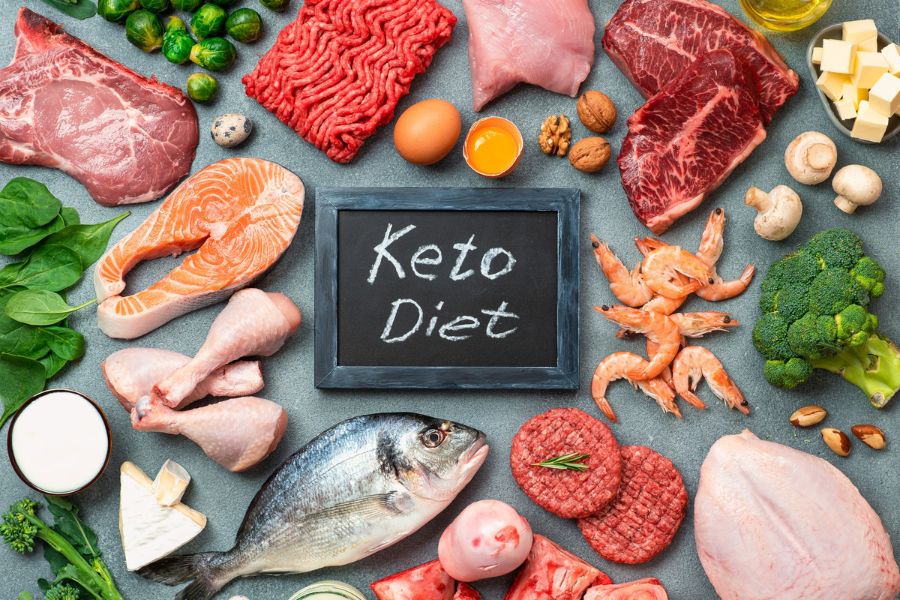
Typical lazy keto foods to include
People who follow lazy keto often build meals around:
- Nonstarchy vegetables: leafy greens, broccoli, cauliflower, zucchini
- Proteins: eggs, poultry, beef, pork, fish, shellfish
- Higher fat dairy: cheese, cream, full fat yogurt within your carb limit
- Healthy fats: olive oil, avocado, butter, nuts, seeds
- Convenience “keto” items, used more freely than on “clean” keto, like:
- Pork rinds
- Cheese snacks
- Keto ice creams or bars (Ketologic)
Since you are not closely tracking fat and protein, you may find it easier to fit in social events or busy days without logging every bite.
What you avoid or limit on lazy keto
Even with a relaxed approach, you still need to keep certain foods very low to stay near your carb limit:
- Refined carbs: white bread, pasta, pastries, cookies, crackers (Healthline)
- Starchy vegetables: potatoes, sweet potatoes, corn, peas
- Most grains: rice, oats, quinoa, cereal
- Sugary foods and drinks: soda, juice, candy, desserts
- Sweetened dairy: flavored yogurts, chocolate milk
- Sugary condiments and sauces: ketchup, barbecue sauce, many salad dressings
- Alcohol high in carbs: regular beer, sweet cocktails (Healthline)
These foods can quickly push you above 20 to 50 grams of carbs per day and make ketosis less likely.
Will lazy keto put you into ketosis?
The classic keto diet was designed to reliably create ketosis, a metabolic state where your body burns fat for fuel instead of carbohydrates. To reach that state, you normally keep carbs very low and also pay attention to protein and fat.
On lazy keto, you only track carbs, so you might reach ketosis, but it is not guaranteed.
Why ketosis is less predictable on lazy keto
Several factors make ketosis more hit or miss with this approach:
- Protein is not tracked. If you eat a lot of protein, it can potentially interfere with staying in ketosis for some people (Medical News Today, Perfect Keto).
- Fat intake may be too low. Without intentionally eating enough fat, your body may not switch over to fat as its primary fuel as smoothly (Perfect Keto).
- Hidden carbs can creep in. Processed foods, condiments, and snacks often have small amounts of carbs that add up quickly.
Because lazy keto does not ask you to measure ketone levels or track macros closely, you do not really know for sure whether you are in ketosis day to day (Healthline).
If your main goal is strict ketosis for therapeutic reasons, such as certain medical conditions, lazy keto is unlikely to be precise enough. If you are more focused on generally eating fewer carbs and improving your habits, it may still be useful.
Potential benefits of the lazy keto diet
Even if lazy keto is less exact than traditional keto, it can still offer some benefits, especially if you currently eat a high carb, heavily processed diet.
Easier entry into low carb eating
Many people find that counting every macro feels like a full time job. Lazy keto removes that barrier because you only monitor carbs. You can:
- Make changes without learning detailed macro math
- Eat out or travel with less stress about exact portions
- Focus on broad food choices rather than perfection
This simpler framework can serve as a gentler starting point if strict keto feels overwhelming (Perfect Keto, Ketologic).
Possible weight loss and appetite control
If your current diet includes a lot of bread, pasta, sugary drinks, and snacks, cutting carbs to 20 to 50 grams per day may:
- Naturally reduce your calorie intake, since many high calorie foods are carb heavy
- Help you feel fuller on higher protein and fat meals
- Lead to initial weight loss, particularly in the short term (Healthline, Perfect Keto)
People who go from eating more than 250 grams of carbs per day to a lazy keto level often notice weight changes relatively quickly, especially at the beginning (Perfect Keto).
Improved blood sugar control for some people
By limiting high carb foods and added sugars, lazy keto can help smooth out blood sugar spikes for some individuals. This can be particularly relevant if you have insulin resistance or prediabetes, although any major change to carb intake should be done with medical guidance if you have blood sugar issues (Perfect Keto, Healthline).
More flexible and realistic for busy schedules
Lazy keto often allows:
- Occasional use of packaged “keto-friendly” foods
- Less constant tracking on apps or spreadsheets
- Easier adaptation during stressful or busy periods
One article describes lazy keto as a practical way to keep carbs under 50 grams per day when life gets hectic, instead of abandoning low carb eating altogether (Ketologic).
Downsides and health concerns to consider
While lazy keto can feel easier, that same flexibility can create blind spots. If you rely on it long term, it is important to notice where it may fall short.
Risk of missing key nutrients
Because lazy keto restricts or minimizes many carb rich foods, you might unintentionally cut out food groups that are rich in vitamins, minerals, and fiber:
- Whole grains
- Starchy vegetables
- Legumes such as beans and lentils
- Many fruits
Over time, that can make it harder to get enough fiber and certain nutrients, especially if you lean heavily on processed low carb foods rather than whole foods (Medical News Today, Healthline).
Possible effects of a high fat pattern
Lazy keto does not require you to track the type of fat you eat, so it is easy to end up with a lot of higher fat animal products and processed foods. Some experts have raised concerns that diets high in certain types of fat could affect heart health negatively over time if food quality is not a priority (Healthline).
Since lazy keto does not automatically steer you toward healthier fat sources, it is on you to choose:
- More unsaturated fats like olive oil, nuts, seeds, and fatty fish
- Fewer highly processed, deep fried, or heavily packaged options
Weight loss plateaus or lack of progress
Because you do not track calories or macros closely on lazy keto, a few things can happen:
- You may eat too many calories from high fat foods like cheese, nuts, and oils, which can stall weight loss.
- You may, on the other hand, eat too little fat, leaving you low on energy and hungry (Perfect Keto).
- You could eat more protein than your body needs, which for some people might interfere with ketosis.
Without numbers to guide you, it can be harder to troubleshoot a plateau beyond “eat fewer carbs,” which you are already doing.
Short term side effects
Just like traditional keto, lazy keto can come with an adjustment period, especially if you are cutting carbs dramatically. You might notice in the short term:
- Nausea
- Headaches
- Lightheadedness
- Constipation
- Feeling less able to tolerate exercise at first (Medical News Today)
These effects often ease as your body adapts, but they are important to keep in mind.
Who should be cautious with lazy keto
Lazy keto is not the right fit for everyone. If you have existing health conditions, you will want to approach any very low carb diet carefully.
Conditions that require medical oversight
You should talk with a healthcare provider before starting lazy keto if you have:
- Type 2 diabetes or prediabetes. Dramatically lowering carbohydrates can affect blood sugar and may require adjustments to medications to avoid blood sugar dropping too low (Healthline).
- Kidney disease. Changes in protein intake can affect kidney workload, so your doctor may recommend limits (Banner Health).
- Heart disease or risk factors for heart disease. A high fat, low carb pattern that does not focus on fat quality may not be appropriate without professional guidance (Banner Health, Healthline).
- Certain bone or metabolic conditions, where nutrient balance matters a great deal.
Experts generally recommend checking with a healthcare professional or registered dietitian before you begin, especially if you plan to follow lazy keto for more than a short period (Banner Health, Medical News Today).
How to try lazy keto more safely
If lazy keto aligns with your preferences and you decide to test it, a few simple habits can help you get more of the benefits without relying on guesswork.
Prioritize whole, nutrient dense foods
Even with a low carb limit, you can still choose options that support your overall health. Try to:
- Fill most of your plate with nonstarchy vegetables for fiber and micronutrients
- Choose whole food proteins like fish, poultry, eggs, and unprocessed meats more often than highly processed meats
- Include healthy fats such as olive oil, avocado, nuts, and seeds
- Limit packaged “keto” treats to occasional use rather than daily staples (Banner Health, Healthline)
This approach helps counteract the risk of missing key nutrients and leans you closer to a “cleaner” low carb style.
Keep an eye on sneaky carbs
You do not have to track every gram forever, but it helps to:
- Spend a week loosely tracking your carb intake so you understand how quickly carb counts add up.
- Identify your personal “trouble spots,” such as sauces, restaurant meals, or snack foods.
- Build a small rotation of go to low carb meals you can turn to on busy days.
This way, you can stay within your general carb range without constantly checking labels.
Watch how your body responds
As you follow a lazy keto diet, pay attention to:
- Energy levels throughout the day
- Hunger and cravings
- Digestive changes such as constipation
- Sleep quality and mood
If something feels off, you can adjust your food choices, add more fiber rich low carb vegetables, or check in with a professional to refine your plan.
Consider combining lazy keto with movement
Exercise is not required for lazy keto to influence your weight, but pairing a lower carb pattern with physical activity can help:
- Support muscle maintenance
- Improve insulin sensitivity
- Enhance overall well being
Some sources note that combining low carb eating with exercise, particularly higher intensity workouts that use up stored glycogen, may support fat loss and preserve lean mass (Perfect Keto). You can start with walking and build up as you feel ready.
Deciding if lazy keto is right for you
The lazy keto diet offers a middle ground between full macro tracking and doing nothing at all. You focus on keeping carbs low, usually under 20 to 50 grams per day, and you allow more flexibility with fat and protein. This can make it easier to begin a low carb lifestyle, especially if your current routine feels too busy for detailed tracking.
At the same time, lazy keto:
- Does not guarantee ketosis
- Can lead to nutrient gaps if you cut out whole food groups without replacing those nutrients
- May not provide clear guidance if your weight loss stalls
- Requires extra caution if you have conditions such as diabetes, kidney disease, or heart disease
If you like the simplicity of “just count carbs” and you are willing to be thoughtful about food quality, lazy keto could be a useful starting point to reduce refined carbs and added sugars. Before you commit, it is wise to check in with a healthcare professional or dietitian so you can tailor the approach to your health history and goals, and adjust it as your body responds.
About the Author