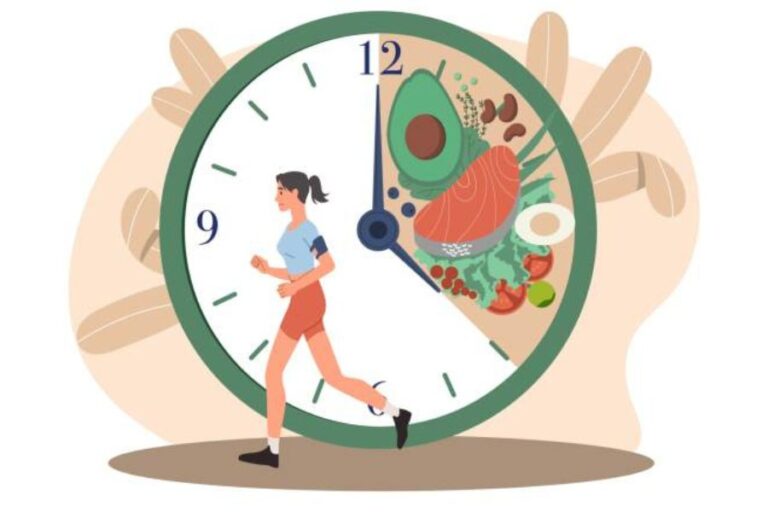
Treadmill interval training can look intense from the outside, but at its core it is simple. You alternate short bursts of higher effort with easier recovery periods. Instead of walking or jogging at one steady pace, you switch between speeds and sometimes inclines to challenge your heart, lungs, and muscles in less time than a traditional cardio session.
That variety is what makes treadmill interval training so effective for weight loss and overall health. Research shows that high intensity interval training, or HIIT, improves cardiorespiratory fitness more efficiently than moderate continuous exercise and can fit into busy schedules in as little as 20 to 25 minutes per workout (NordicTrack).
Understand what treadmill interval training is
Treadmill interval training is a form of HIIT that you do on a treadmill. You move between high intensity work intervals at around 80 to 95 percent of your maximum heart rate and low intensity recovery intervals at a much easier pace (Verywell Fit).
Your high intensity intervals can be:
- Fast walks
- Jogging or running
- Sprints
- Incline walks that mimic uphill climbs
Your recovery intervals usually involve slower walking at a low incline so your heart rate can come down before the next effort. A full workout, including warm up and cool down, often lasts 20 to 40 minutes depending on your fitness level.
See how intervals support weight loss
If your main goal is fat loss, treadmill interval training can be a powerful tool in your routine. A 2010 study from the University of New South Wales found that women who did high intensity intermittent exercise on treadmills lost significantly more subcutaneous fat than women who did steady state aerobic exercise, even though the workouts were shorter overall (NordicTrack).
Intervals help you lose weight in a few key ways. Short bursts of effort push your heart rate up and increase the number of calories you burn in a session. They also create an afterburn effect, called excess post exercise oxygen consumption, where your body continues to burn more calories for an hour or more after your workout ends compared to steady state cardio (Verywell Fit).
HIIT style treadmill workouts can also improve insulin sensitivity, which means your muscles use glucose more efficiently for fuel. That can support better blood sugar control and may help reduce abdominal fat over time (Verywell Fit).
Improve your heart and lung health
Your cardiovascular system responds quickly to interval training. By moving between higher and lower intensities, you teach your heart to pump more efficiently and your lungs to deliver oxygen more effectively.
A 2019 Sports Med New Zealand study reported that HIIT provides greater cardiorespiratory improvements and is more time efficient than moderate intensity continuous training (NordicTrack). Other research on treadmill HIIT shows that as little as three 10 minute sessions a week, when structured properly, can stimulate both your aerobic and anaerobic energy systems and increase overall stamina (Verywell Fit).
This is helpful if you want to:
- Climb stairs without feeling winded
- Keep up with children or pets
- Prepare for a 5K or other race
- Support long term heart health
Over time, you may notice your resting heart rate drop, your breathing feel smoother, and your legs feel stronger even in everyday activities.
Support healthy aging with intervals
Treadmill interval training is not just for younger athletes. When you adjust the pace and incline to match your level, it can be an effective way to maintain strength and vitality as you age.
Mayo Clinic researchers found that HIIT style training reversed some age related muscle deterioration in adults over 65. It boosted energy production in cellular DNA and promoted muscle growth (NordicTrack). Another NordicTrack summary notes that treadmill based HIIT can be a low impact option for seniors because the belt provides a cushioned surface compared to pavement (NordicTrack).
If you are older or new to exercise, you can still use the interval approach with smaller differences between hard and easy effort. Instead of sprints, your work intervals might be brisk walking at a slight incline while your recovery intervals are a gentler flat walk.
Take advantage of treadmill specific benefits
Doing intervals outside has its own appeal, but treadmills give you a level of control that is hard to match. Running treadmills provide a consistent surface and remove external factors like rain, snow, humidity, or poor air quality that can interfere with regular workouts (Performance Running Gym).
On a treadmill you can:
- Dial in exact speeds for walk, jog, and run
- Adjust incline to simulate hills without searching for them
- Track distance, time, and heart rate on a single console
This precision helps you hit target paces and grades safely, which is especially helpful when you are training for a race or trying to maintain a structured routine all year round (Performance Running Gym).
Many modern treadmills also include cushioning systems that reduce joint strain, which lets you perform harder intervals with less impact compared to hard sidewalks (NordicTrack).
Start safely if you are a beginner
Because treadmill interval training is intense by design, it is important to build a base first. Experts recommend that beginners or anyone returning from injury establish a few weeks of regular moderate aerobic exercise before adding HIIT sessions. Verywell Fit notes that due to the higher injury and burnout risk, you should limit HIIT to 1 or 2 times per week at first (Verywell Fit).
Before each workout, give yourself at least 5 to 10 minutes to warm up with easy walking and dynamic movements like leg swings to prepare your muscles and joints. NordicTrack recommends including a cooldown of about 10 minutes at the end of your session to gradually bring your heart rate down and reduce soreness (NordicTrack).
You will also want to get familiar with your treadmill settings for comfortable walking, jogging, and sprinting speeds. During harder intervals, aim for roughly 70 to 85 percent of your maximum heart rate if you have clearance from your doctor to exercise vigorously. That is the range recommended in several HIIT guidelines for strong but manageable effort (NordicTrack).
Try simple interval structures
When you are ready to begin, you do not need complex programming. Straightforward interval patterns help you focus on your effort and form instead of trying to remember lots of numbers.
One approach is a classic work to rest ratio, like 1 minute hard followed by 2 minutes easy, repeated several times. NordicTrack suggests intervals that last between 30 seconds and 2 minutes combined with equal or slightly longer recovery periods for effective treadmill sessions (NordicTrack).
You can also experiment with:
- Speed intervals, where you increase pace but keep incline low
- Hill intervals, where you maintain a steady speed and raise the incline for your work periods
- Mixed intervals, where you play with both pace and hill settings to add variety
Garage Gym Reviews notes that even 10 minutes of higher intensity effort within a 30 minute treadmill workout can significantly improve fitness, so you can start small and build from there (Garage Gym Reviews).
Here is a simple beginner friendly structure you can adapt to your level:
- Warm up, 5 to 10 minutes easy walking
- Work interval, 30 to 60 seconds faster walking or light jogging
- Recovery interval, 90 to 120 seconds easy walking
- Repeat steps 2 and 3 for 6 to 8 rounds
- Cool down, 5 to 10 minutes easy walking
If you feel strong after a few weeks, you can lengthen your work intervals or shorten your rest slightly. Keep at least one day of rest or light movement between HIIT sessions, and limit intervals to about 2 or 3 times a week as your body adapts (Garage Gym Reviews).
If you feel unsteady, overly breathless, or have pain beyond normal muscle fatigue, slow the belt, hold the handrails until you feel stable, and stop your workout if necessary. Check in with a healthcare provider before restarting intense training.
Balance effort and enjoyment for long term success
It can be tempting to jump straight into the toughest formats, such as Tabata style sprints with very short rest periods. An 8 week study that compared different treadmill protocols found that ultra intense Tabata intervals produced similar gains in fitness as more moderate intervals and steady state training, but the Tabata group enjoyed their workouts less and needed longer to recover afterward (PMC).
For you, that means choosing a level of intensity that feels challenging but not punishing. Slightly easier intervals that you can stick with for months will transform your health more than a few weeks of all out sprints that leave you dreading the treadmill.
Think of treadmill interval training as a flexible tool. You can adjust pace, incline, interval length, and frequency to match your current fitness and your schedule. With a consistent routine built around intervals you enjoy, you will be able to lose weight more efficiently, support your heart and metabolic health, and feel stronger in your daily life.
About the Author