Understand keto sweeteners
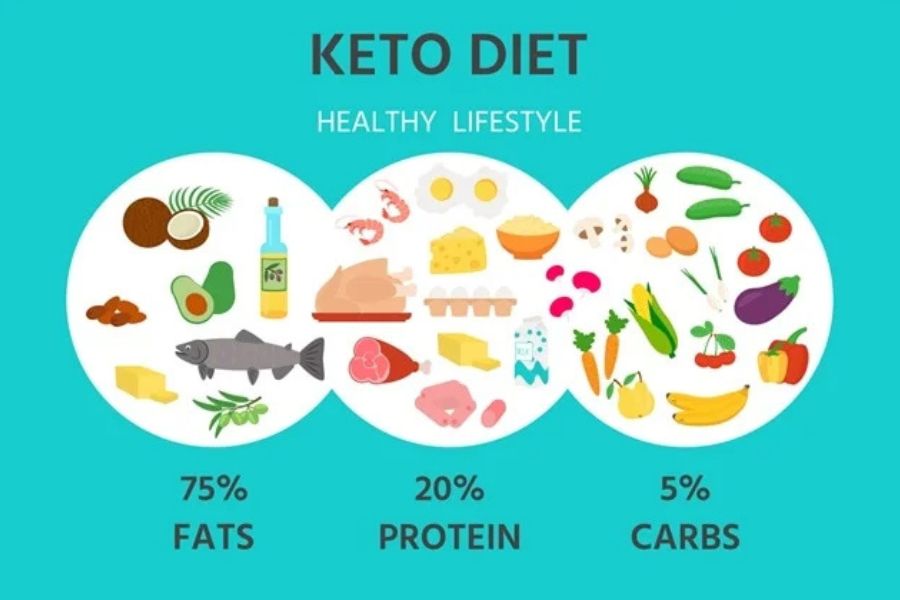
Keto sweeteners let you enjoy sweetness without the sugar that can knock you out of ketosis. On a ketogenic diet, you keep carbs very low so your body uses ketones for fuel instead of glucose. Regular sugar raises blood sugar and insulin quickly, which works against your goals.
The good news is that several low carb sweeteners give you sweetness with little or no impact on blood sugar. You will see three main categories:
- Artificial sweeteners
- Sugar alcohols
- Novel or natural sweeteners, like stevia and monk fruit
Each behaves a little differently in your body, so it helps to know what you are using and how much to use (Johns Hopkins Medicine).
Below, you will find the best keto sweeteners to use regularly, which ones to use sparingly, and simple ways to fit them into your daily routine.
Choose natural keto sweeteners first
Natural or novel sweeteners come from plants, contain little to no calories or carbs, and have minimal effect on blood sugar. These are usually the best sweeteners to build your keto habits around.
Stevia
Stevia is a popular natural keto sweetener made from the Stevia rebaudiana plant.
What it is
- Plant based sweetener, often sold as drops or powder
- 150 to 400 times sweeter than sugar, depending on the source (Health, Medical News Today)
- Essentially calorie free and carb free (Healthline)
Why it fits a keto diet
- Does not raise blood sugar like regular sugar
- Can even help lower blood sugar levels in some people (Healthline)
- Works well in drinks, yogurt, and no bake desserts
How to use it
- Sweeten coffee or tea with a few drops
- Add to whipped cream or chia pudding
- Combine with a sugar alcohol like erythritol for baking, which helps improve texture
What to watch for
Some people notice bloating, dizziness, or lower blood pressure with stevia (Health). If you feel off, reduce the amount or try another option.
Monk fruit sweetener
Monk fruit, also called luo han guo, is another plant based sweetener that works very well on keto.
What it is
- Extract from monk fruit, native to China
- 100 to 250 times sweeter than sugar (Health, Medical News Today)
- Contains antioxidants called mogrosides
- Zero calories and essentially zero carbs (Healthline)
Why it fits a keto diet
- Does not raise blood sugar or insulin
- Recognized as safe by the FDA
- Great for people who want a natural, clean tasting sweetener
How to use it
- Add to iced tea, lemonade, or sparkling water
- Stir into salad dressings or marinades
- Use monk fruit blends that are designed for baking
What to watch for
Some monk fruit products contain added sugars or fillers. Check labels for ingredients like dextrose or regular sugar and skip those brands (Healthline).
Use sugar alcohols wisely
Sugar alcohols are synthetic or naturally occurring compounds that taste sweet, with fewer calories and less impact on blood glucose than sugar (Medical News Today). They can be very helpful keto sweeteners, especially for baking, but they may cause digestive issues for some people.
Erythritol
Erythritol is often considered the most keto friendly sugar alcohol.
What it is
- Found naturally in some fruits and fermented foods
- About 60 to 80 percent as sweet as sugar (Health, GOOD GOOD)
- Zero calories and very low digestible carbs
- Most of it is absorbed then excreted in urine unchanged (Medical News Today)
Why it fits a keto diet
- Does not raise blood sugar or insulin
- Does not cause tooth decay (Health)
- Frequently recommended as the most keto friendly sugar alcohol (Keto Hope Foundation)
How to use it
- Replace sugar in recipes, often in a 1:1 or slightly higher amount due to lower sweetness
- Use in cookies, cakes, and brownies, especially when blended with stevia or monk fruit for better sweetness and texture (GOOD GOOD)
- Sprinkle a small amount over berries or Greek yogurt
What to watch for
- Can create a cooling sensation on your tongue
- May cause digestive discomfort in large amounts, although usually less than other sugar alcohols (Medical News Today)
Xylitol
Xylitol can also work on keto, but you need to be more cautious.
What it is
- Sugar alcohol with similar sweetness to sugar
- Fewer calories and fewer digestible carbs than sugar
- Common in gums and sugar free candies
Why it fits a keto diet
- Does not significantly raise blood sugar or insulin (Healthline)
- Works well in coffee, tea, and smoothies (Health)
How to use it
- Use in a 1:1 ratio with sugar in some recipes
- Mix with erythritol for smoother sweetness
- Add a teaspoon to your morning coffee or keto hot chocolate
What to watch for
- High doses can cause cramps or diarrhea (Health)
- Extremely toxic to dogs, even in small amounts, so you must store it safely away from pets
Yacon syrup
Yacon syrup is a special case among keto sweeteners.
What it is
- Syrup made from the root of the yacon plant
- Contains fructooligosaccharides (FOS) that act like soluble fiber (Health)
- Roughly half the calories of sugar (Medical News Today)
Potential benefits
- FOS can support digestion and may help with cholesterol and blood sugar control
- Works well as a drizzle over keto pancakes or yogurt if used in small amounts
What to watch for
- High heat breaks down FOS, so it is not ideal for high temperature baking (Health)
- It does contain some sugar and calories, so you need to use it sparingly on keto
- May cause bloating or diarrhea in some people (Health)
Consider newer low carb sweeteners
Some newer sweeteners behave very much like sugar in recipes but have a much smaller impact on blood sugar and calories.
Allulose
Allulose is a rare sugar that shows up naturally in small amounts in foods like figs and raisins.
What it is
- About 70 percent as sweet as sugar
- Around 10 percent of the calories of sugar (GOOD GOOD)
Why it fits a keto diet
- Minimal effect on blood glucose and insulin, based on early research
- Adds moisture and browning to baked goods, which many sugar substitutes cannot do well (GOOD GOOD)
How to use it
- Ideal for baked goods like cakes, cookies, and cheesecakes
- Great when you want a more traditional sugar texture and browning
BochaSweet
BochaSweet is a branded sweetener made from kabocha squash extract.
What it is
- Naturally derived from kabocha squash
- Formulated to mimic both the taste and texture of sugar
Why it fits a keto diet
- Does not affect blood sugar levels in the same way as regular sugar, according to 2024 reports
- Non GMO and designed with keto users in mind (GOOD GOOD)
How to use it
- Works well in caramel sauces and pastries
- Use when you want sugar like mouthfeel in special occasion desserts
Know the role of artificial sweeteners
Artificial sweeteners are lab made compounds that can be 200 to 700 times sweeter than sugar and contain no calories (Johns Hopkins Medicine). On paper, they look very keto friendly, but there are some trade offs.
Common artificial sweeteners include:
- Sucralose
- Aspartame
- Saccharin
Sucralose (like Splenda)
Sucralose itself has no calories or carbs, but popular products like Splenda include bulking agents that add small amounts of carbs and calories (Healthline).
Keto pros
- Very sweet, so you use tiny amounts
- Works well in cold drinks and no bake desserts
Keto cons
- When heated at high temperatures, sucralose may produce harmful compounds (Healthline)
- Some people find that it keeps their sweet cravings high
If you choose sucralose, keep it mainly for cold or room temperature uses and use it only occasionally.
Diet soda and artificial sweeteners on keto
It is tempting to lean on diet soda for a sweet fix, but regular use may work against your goals.
Research has linked artificial sweeteners and diet soda to:
- Disrupted metabolism and increased sugar cravings (Everyday Health)
- Higher risks of glucose intolerance, metabolic syndrome, diabetes, and obesity (Everyday Health)
- Greater overall calorie intake compared with water drinkers in some studies (Everyday Health)
Some guidelines also note that diet soda can disrupt glucose and insulin regulation, which runs counter to the goals of ketosis (Everyday Health).
If you want something bubbly and sweet, you might consider:
- Sparkling water with a few drops of stevia or monk fruit
- Seltzer with sliced citrus and mint
These options support your keto efforts without the potential downsides of regular diet soda.
Compare common keto sweeteners
Here is a quick side by side look at popular keto sweeteners, based on the 2024 sources cited above:
| Sweetener | Type | Approx. sweetness vs sugar | Calories / carbs impact | Best uses | Main cautions |
|---|---|---|---|---|---|
| Stevia | Natural / novel | 150–400x | Essentially none | Drinks, no bake desserts, blends | Possible bloating, dizziness, lower blood sugar |
| Monk fruit | Natural / novel | 100–250x | Essentially none | Drinks, dressings, baking blends | Watch for added sugars in products |
| Erythritol | Sugar alcohol | 60–80% | Near zero | Baking, sweetener blends | Cooling effect, GI issues in high doses |
| Xylitol | Sugar alcohol | 100% | Lower than sugar | Beverages, some baking | Digestive issues, toxic to dogs |
| Yacon syrup | Sugar alternative | ~50% | Reduced, not zero | Light drizzling, low heat recipes | Not for high heat, can cause GI symptoms |
| Allulose | Rare sugar | ~70% | About 10% of sugar | Baking, browning, moist desserts | Watch serving size as research is emerging |
| BochaSweet | Novel sweetener | Similar to sugar | Very low | Caramel sauces, pastries | Product specific, check labels |
| Sucralose | Artificial | ~600x | Very low in pure form | Cold drinks, occasional use | Heating concerns, may increase cravings |
Use keto sweeteners without stalling progress
Even when a sweetener is technically keto friendly, how you use it matters. Keto dietitians often recommend a cautious approach to all non nutritive sweeteners (Keto Hope Foundation).
Introduce one sweetener at a time
When you start using keto sweeteners:
- Try one at a time so you can notice any digestive or blood sugar effects
- Begin with a small serving and increase slowly if you feel fine
- Pay attention to whether a sweetener makes you crave more sweets
Watch your overall intake
Keto experts suggest some simple habits to keep sweeteners from taking over your diet (Keto Hope Foundation):
- Limit yourself to about one sweetened serving per day, especially at first
- Reserve sweeter desserts for weekends or special occasions
- Dilute sweetened drinks with more water or plain sparkling water
This approach helps you enjoy sweetness without waking up the strong sugar habits you may be trying to move away from.
Choose real food first
Keto processed foods labeled “low carb” or “diet” often rely heavily on sweeteners like sugar alcohols or artificial sweeteners. If you lean on those products several times a day, you might:
- Exceed recommended intake limits for some artificial sweeteners (Keto Hope Foundation)
- Deal with ongoing bloating, gas, or loose stools from sugar alcohols (Johns Hopkins Medicine)
You will usually feel and perform better if you build your meals around:
- Non starchy vegetables
- Quality protein
- Healthy fats
Then add a modest amount of keto friendly sweeteners when you genuinely want a treat.
Pick the right sweetener for your goal
You do not need a shelf full of products to make keto work. You can build a simple starter kit and adjust as you go.
Here is one straightforward way to begin:
- Choose one everyday sweetener for drinks
- Good options: stevia or monk fruit drops
- Use in coffee, tea, and homemade flavored water
- Choose one baking sweetener or blend
- Good options: erythritol plus stevia or monk fruit, or allulose
- Use in occasional baked goods like cookies or cheesecake
- Keep one “special” sweetener if you love certain textures
- Good options: BochaSweet for caramel, or a monk fruit erythritol blend
- Use this when you really want a specific recipe to turn out just right
- Decide what you will limit or skip
- Many people do better when they keep diet soda and heavily sweetened keto snack foods as rare choices, not daily staples
By matching the sweetener to the job, you make it easier to stay in ketosis, keep cravings in check, and still enjoy food that feels satisfying.
Key takeaways
- Keto sweeteners like stevia, monk fruit, erythritol, and allulose let you enjoy sweetness with little effect on blood sugar.
- Natural sweeteners and sugar alcohols are generally preferred over heavy use of artificial sweeteners, especially diet sodas, because of potential metabolic and craving related downsides (Everyday Health).
- Introduce each sweetener slowly, watch for digestive changes, and notice how your cravings respond.
- Use sweeteners to support your keto diet, not to recreate an all day sugar habit in low carb form.
If you start with just one or two keto sweeteners that feel good in your body, you can keep your diet simple, flexible, and far more sustainable.
About the Author