A carnivore diet weight loss plan promises fast results by cutting out all carbohydrates and focusing only on animal foods. It is an extreme version of low carb eating, which can put your body into ketosis so you burn fat for fuel instead of carbs (Harvard Health Publishing). Before you load your plate with steak and bacon, it helps to understand how this approach works, where the real risks lie, and how to make safer, smarter choices if you decide to try it.
This guide walks you through the basics of the carnivore diet, how it may affect weight loss, and practical tips to protect your health along the way.
Understand what the carnivore diet really is
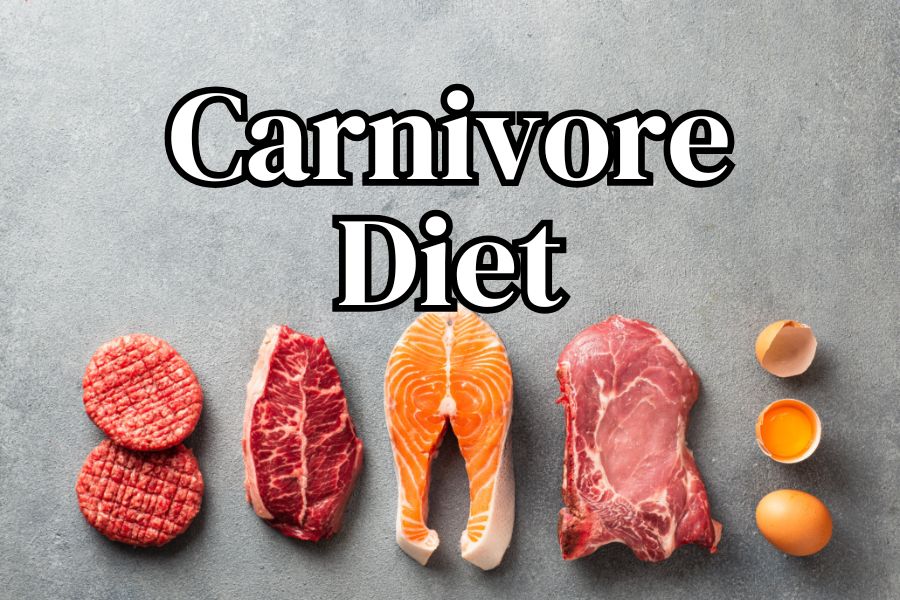
On a strict carnivore diet, you only eat animal products and drink water. That means meat, poultry, fish, seafood, eggs, and sometimes limited dairy like butter or cheese. You avoid all plant foods, including:
- Vegetables
- Fruits
- Grains
- Legumes
- Nuts and seeds
Because it cuts out every source of carbohydrate, the carnivore diet is often called a zero carb or the most ketogenic diet (Harvard Health Publishing; University Hospitals). Your body is pushed to burn stored fat and dietary fat, which is one reason people link it with rapid weight loss.
At the same time, you also remove entire food groups. Experts warn this can lead to nutrient gaps in vitamins, minerals, and fiber, and may increase long term risks for heart disease and certain cancers (Cleveland Clinic; British Heart Foundation).
Learn how carnivore diet weight loss works
If you lose weight on the carnivore diet, it usually comes from a few combined effects.
First, very low carbohydrate intake can push you into ketosis. In ketosis your body burns fat instead of carbs and produces ketones for energy (Harvard Health Publishing; British Heart Foundation). Second, a plate full of protein and fat tends to keep you full, so you may naturally eat fewer calories without trying.
Several people following the diet report quick changes such as losing 10 to 25 pounds in the first couple of months, improved energy, and less hunger (The Primal; Chief Nutrition). There are also anecdotes of better blood sugar and lower blood pressure while eating only animal foods (The Primal).
These results are encouraging at first glance, but they are mostly personal stories. Large, long term clinical trials are not yet available, and health organizations point out that there is no strong research showing the carnivore diet beats other weight loss methods over time (Baylor Scott & White Health; British Heart Foundation).
Weigh the potential benefits and risks
You may notice some short term benefits when you switch to a carnivore plan.
You immediately stop eating cookies, cakes, chips, soda and other processed carbs, which can cut a large amount of empty calories and sugar from your diet (Baylor Scott & White Health). Many people also describe more stable energy, fewer cravings, and relief from digestive or autoimmune symptoms, likely because they removed foods that irritated them (The Primal; University Hospitals).
On the other hand, health experts consistently warn about serious downsides:
- A lack of fiber and plant nutrients may cause constipation and increase long term disease risk (Inspira Health Network; Baylor Scott & White Health)
- Heavy intake of saturated animal fats can raise LDL cholesterol and strain your heart (Harvard Health Publishing; British Heart Foundation)
- Very high protein loads may stress your kidneys or increase risk of kidney stones and gout if you are already vulnerable (Harvard Health Publishing)
- Long term, a diet very high in red and processed meat has been linked to certain cancers, including colon cancer (St. Vincent’s Medical Center)
Because of these issues, major medical groups and dietitians do not recommend the carnivore diet as a general weight loss strategy and instead support more balanced eating patterns (Cleveland Clinic; St. Vincent’s Medical Center; British Heart Foundation).
Decide if you are a good candidate
If you are curious about carnivore diet weight loss, it is important to think about your personal health first.
You should talk with a doctor or registered dietitian before starting, especially if you have heart disease, kidney problems, diabetes, nutrient deficiencies, or an autoimmune condition. Experts specifically recommend caution for anyone with these issues, for pregnant women, children, and people with weakened immune systems (Inspira Health Network; University Hospitals).
A professional can help you:
- Review your lab work, including cholesterol, kidney function, and blood sugar
- Decide if a strict carnivore trial is safe or if a gentler low carb plan is better
- Plan how long to experiment and when to reassess
- Build a backup plan if side effects appear
If your medical team gives you the green light, then you can move on to planning a cautious, structured trial instead of jumping in blindly.
Transition into carnivore gradually
Going from a standard high carb diet straight to all meat can feel rough. You may deal with headaches, fatigue, or dizziness as your body switches from burning carbs to burning fat. You can ease the shift by moving in stages.
Start by cutting obvious sugar and refined carbs, such as soda, desserts, white bread, and pastries. Then reduce starchy sides like pasta, rice, and potatoes and replace them with extra protein and healthy fats. This type of low carb, high fat phase helps your body begin to rely more on fat before you remove plants completely (Saint Alphonsus).
During the first couple of weeks, focus on three simple habits:
- Drink plenty of water
- Add salt to taste to maintain electrolytes
- Pay attention to how your energy and digestion change
Some people report feeling heavy and slow at first, then notice a clear energy boost after a few weeks as fat burning becomes more efficient (Chief Nutrition). If symptoms keep getting worse instead of better, it is a sign to pause and reconsider.
Choose foods that support weight loss
Once you are eating primarily animal foods, the way you build your plate will strongly influence your results. Not all carnivore diets are the same.
To tilt the plan toward fat loss instead of weight gain, you can:
- Prioritize leaner cuts of meat at least some of the time, for example chicken breast, turkey, white fish, or lean beef
- Include whole eggs and fattier cuts in moderation so you still feel full
- Watch processed meats like sausage and bacon that are very calorie dense and often contain added sodium and preservatives
A few people gain weight on carnivore when they rely heavily on very fatty cuts and eat without any limits. One self experimenter saw an increase in both lean mass and body fat after a month of high meat intake, which shows that unrestricted portions can work against your goals (Chief Nutrition).
You can also improve your nutrient intake by mixing in organ meats like liver or kidney a couple of times per week. These provide concentrated vitamins and minerals that are often missing in a basic meat and eggs rotation (Saint Alphonsus).
Pay attention to portions and plateaus
A common belief is that you can eat as much meat as you want and still lose weight. In reality, calories still matter. If you consistently eat more energy than your body uses, you can stall or even gain weight, even with zero carbs.
People who track their intake sometimes notice that they are eating 1,500 calories or less and still hit a plateau. Others drop pounds quickly, then stabilize even with no major changes (Chief Nutrition). When that happens, you can adjust in small steps instead of making drastic cuts.
Try one change at a time, such as:
- Reducing liquid calories from cream or full fat dairy
- Swapping one very fatty cut of meat each day for a leaner option
- Adding short, regular walks or strength sessions to increase energy burn
Give each change at least one to two weeks before you decide whether it helped. That way you can separate normal fluctuations from true trends.
Watch for warning signs and side effects
Even if the scale is moving, your overall health still matters. The carnivore diet has several known risks, so you will want to monitor for early clues that it is not working for your body.
Common red flags include:
- Ongoing constipation or other digestive problems, which are more likely because you are not getting any fiber (Baylor Scott & White Health)
- Unusual fatigue, headaches, or feeling unwell beyond the first few weeks of adjustment
- Worsening cholesterol numbers, especially a rise in LDL, on follow up labs (Harvard Health Publishing)
- Joint pain or gout flares if you are sensitive to high protein loads (Harvard Health Publishing)
Stay in close contact with your healthcare provider, especially during the first months. Experts emphasize that many of the long term effects of all meat eating are still unknown and that eliminating whole food groups, even for a short time, can have consequences (Inspira Health Network; University Hospitals).
If problems show up, it is not a failure to step back, reintroduce balanced foods, or switch to a different weight loss approach. It is simply a sign that your body needs a different plan.
Most major health organizations do not recommend the carnivore diet for weight loss and instead support varied diets that include vegetables, fruits, whole grains, and lean proteins for more sustainable results (Cleveland Clinic; British Heart Foundation).
Plan for what comes after carnivore
Even if you lose weight fast with carnivore diet tips, staying on a strict all meat plan for life will be difficult. It is socially limiting, hard to maintain, and likely risky beyond the short term (St. Vincent’s Medical Center; University Hospitals).
You will get better long term results if you decide in advance how you will transition once your trial is over. Many dietitians suggest moving toward a more balanced plate that includes:
- A quarter protein
- A quarter whole food carbohydrates
- Half non starchy vegetables
This MyPlate style pattern gives you room for lean meat, fish, eggs, and dairy, but also brings back the fiber and plant compounds that support your heart, digestion, and overall health (St. Vincent’s Medical Center).
You can reintroduce foods slowly, beginning with low sugar fruits and non starchy vegetables, then evaluating how you feel. If certain plants trigger old symptoms, you and your healthcare provider can look for patterns and design a plan that respects your sensitivities without cutting out every plant forever.
Key points to remember
If you are exploring carnivore diet weight loss, keep these ideas in mind as you decide what is right for you:
- The diet removes all carbs and plant foods, which may produce fast fat loss but also raises real health concerns.
- Most success stories are individual experiences, and strong long term research is still missing.
- Health experts urge you to consult a professional and treat carnivore, if you try it at all, as a short, supervised experiment rather than a permanent lifestyle.
- You can lower your risk by transitioning gradually, choosing less processed meats, monitoring your health, and having a clear exit plan toward a more balanced diet.
You do not have to eat only meat to lose weight. For many people, cutting back on ultra processed foods, adjusting portions, and moving more offers steady, sustainable progress without extreme rules. If you still feel drawn to a carnivore trial, slow down, get support, and let health, not just speed, guide every decision.
About the Author