Understand intermittent fasting vs calorie restriction
If you are comparing intermittent fasting vs calorie restriction for weight loss and better health, you are not alone. Both approaches can help you lose weight, lower certain health risks, and improve how you feel day to day. The key difference is simple. A calorie deficit focuses on how much you eat, while intermittent fasting focuses on when you eat.
In this guide, you will see how each method works, what the research says, and how to decide which one might fit your life better.
What intermittent fasting actually is
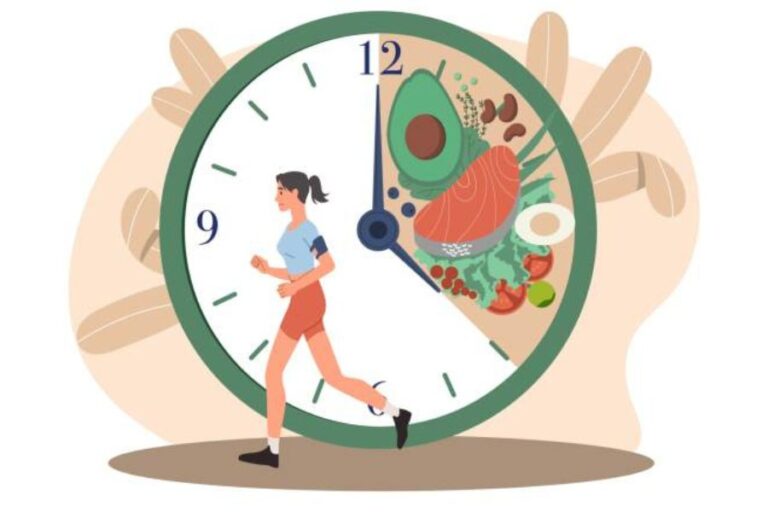
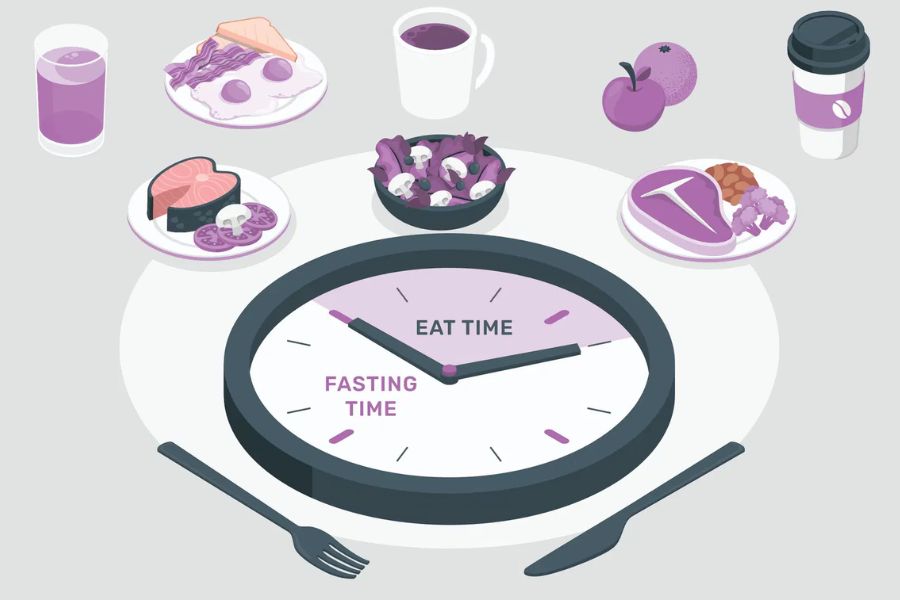
Intermittent fasting (IF) is an eating pattern where you cycle between periods of eating and periods of not eating. Instead of tracking every calorie, you limit your eating to certain hours or certain days.
Common intermittent fasting styles include:
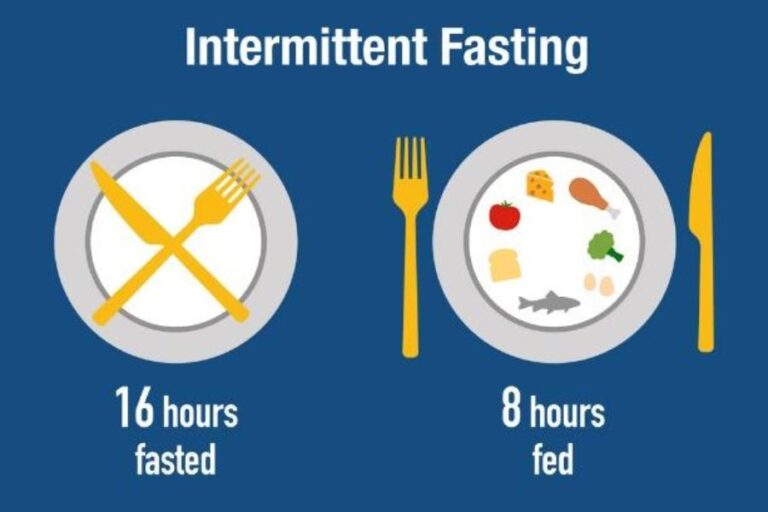
- Time restricted eating, such as 16:8, where you fast for 16 hours and eat within an 8 hour window
- 5:2 fasting, where you eat normally 5 days a week and cut calories sharply 2 days a week
- Alternate day or modified alternate day fasting, where you eat very little every other day
In a 4:3 intermittent fasting plan, you eat very few calories on three days a week, usually 400 to 700 calories, and eat in a more typical but still healthy way on the other four days (CU Anschutz Medical Campus).
You still create a calorie deficit with intermittent fasting, but the structure of your week looks different.
What calorie restriction means
Calorie restriction, sometimes called continuous calorie restriction, focuses on eating fewer calories every day. You do not limit your eating window or fast for long stretches. Instead, you reduce your usual intake by a set amount or percentage.
For example, if you maintain your weight on 2,200 calories a day, you might cut to 1,600 or 1,700 calories to lose weight. You can spread those calories over three meals and a snack, or any pattern that works for you.
Calorie restriction often shows up as:
- Counting calories with an app or food diary
- Following a structured meal plan with set portions
- Choosing lower calorie versions of your usual foods
Like intermittent fasting, a calorie deficit can lead to weight loss and better metabolic health, but it relies more on tracking and portion control than on timing.
How each method affects weight loss
When you look at intermittent fasting vs calorie restriction, one of your first questions is likely which one leads to more weight loss.
What research says about intermittent fasting
A 12 month study at the University of Colorado Anschutz Medical Campus compared a 4:3 intermittent fasting plan to daily calorie restriction. The groups were designed so that their overall weekly calorie deficits were the same, about 34 percent fewer calories each week. Even with matched calorie deficits, the intermittent fasting group lost more weight.
Here is what the researchers found (CU Anschutz Medical Campus):
- The intermittent fasting group lost an average of 7.6 percent of their body weight
- The daily calorie restriction group lost an average of 5 percent
- Clinically meaningful weight loss of at least 5 percent was achieved by 58 percent of people in the intermittent fasting group and 47 percent in the calorie restriction group
A larger systematic review and meta analysis of 11 randomized clinical trials with 705 adults also found that intermittent fasting led to a statistically greater reduction in body weight than continuous calorie restriction overall (Nutrients).
However, the difference in total body weight in that meta analysis was small, and changes in body mass index, or BMI, were not significantly different between the two approaches.
What research says about calorie restriction
Traditional calorie restriction is still effective. In many studies, people lose similar amounts of weight with calorie counting compared to time restricted eating.
A yearlong randomized clinical trial found no significant difference in weight loss between time restricted eating and simple calorie counting among patients with obesity. In that study, time restricted eating did not produce more weight loss, fat loss, or metabolic benefit than a calorie deficit alone (National Library of Medicine).
This tells you that cutting calories consistently can work as well as intermittent fasting, especially when fasting is framed only as a limited eating window.
When intermittent fasting might have an edge
The type of intermittent fasting you follow matters. Modified alternate day fasting, which includes more fasting days and sharper calorie cuts on those days, seems to offer more weight loss than steady calorie restriction in some trials.
In the meta analysis mentioned above, modified alternate day fasting produced greater reductions in both BMI and body weight than continuous calorie restriction. Standard intermittent fasting patterns, such as simple time restricted eating, did not show the same clear advantage (Nutrients).
So, if you are expecting dramatic differences from a mild fasting approach, the research suggests results may be similar to well managed daily calorie restriction.
Health benefits beyond the scale
Weight loss is only part of the story. You also care about blood pressure, cholesterol, blood sugar, and how you feel overall.
Intermittent fasting and health markers
In the 4:3 intermittent fasting study at CU Anschutz, people in the fasting group not only lost more weight, they also saw greater improvements in several key health markers compared to the daily calorie restriction group (CU Anschutz Medical Campus):
- Systolic blood pressure
- Cholesterol
- Fasting glucose
- Hemoglobin A1C
Other reviews suggest that intermittent fasting can help improve glucose and lipid metabolism and may help preserve more lean body mass during weight loss compared with some traditional dieting approaches (Nutrients).
Calorie deficit and health outcomes
A calorie deficit is also linked to clear health gains. Reported benefits include (Verywell Health):
- Weight loss and reduced body fat
- Improved metabolic health, such as better blood sugar and cholesterol
- Increased energy and mobility
- Potential longevity benefits
In some studies, people with obesity and type 2 diabetes lost more weight using daily periods of fasting compared to calorie restriction, but both methods can improve health when done carefully (National Library of Medicine).
Overall, the research suggests that intermittent fasting and calorie restriction can both support better metabolic health when they lead to sustained weight loss. The difference often lies in how you prefer to eat and how your body responds.
Side effects and potential downsides
Neither intermittent fasting nor a calorie deficit is completely risk free. It helps to know what to expect, especially in the first weeks.
Intermittent fasting challenges
Common side effects of intermittent fasting include (Nutrients):
- Hunger, especially early on
- Headaches
- Sleep disturbances
- Muscle pain
- Fatigue
These symptoms tend to show up in the first days or weeks, and can improve as your body adjusts. Adherence can still be a challenge. Some intermittent fasting studies report dropout or adherence issues in up to 40 percent of participants.
There are also potential downsides such as:
- Muscle loss if your protein intake or strength training is low (National Library of Medicine)
- Hormonal imbalances
- Digestive problems
- Social and scheduling issues when your eating window is narrow
- Risk of disordered eating patterns, especially if you have a history of such issues
Intermittent fasting is not a good fit for everyone. Older adults, people with certain medical conditions, and those who need regular meals to manage medications may do better with a gentler calorie deficit (Nutrients).
Calorie restriction challenges
A calorie deficit has its own list of possible side effects. These can include (Verywell Health):
- Increased hunger and cravings
- Fatigue and low energy
- Slower metabolism when calorie cuts are too steep for too long
- Muscle loss without enough protein or resistance training
- Nutrient deficiencies if food quality is poor
- Hormonal changes
- Poor recovery from exercise
- Mental and emotional strain, such as irritability or preoccupation with food
Both intermittent fasting and calorie restriction can be hard to maintain for long periods, which is one reason weight regain is common with any short term diet. Choosing a plan you can stick with matters more than chasing the most aggressive option.
Which approach is easier to stick with
You will only see results if you can stay with your plan most of the time. Adherence is where intermittent fasting vs calorie restriction can look different for different people.
Intermittent fasting and adherence
In the 4:3 intermittent fasting study, adherence was actually higher in the intermittent fasting group than in the daily calorie restriction group, even though the weekly calorie deficit was similar.
- Dropout was 19 percent in the intermittent fasting group
- Dropout was 30 percent in the daily calorie restriction group (CU Anschutz Medical Campus)
Researchers used doubly labeled water techniques to measure actual intake, which adds confidence to these adherence figures.
Reasons intermittent fasting may feel easier for some people include:
- Fewer food decisions on fasting days
- No need to log every calorie when you are either fasting or eating within a set window
- A simple rule like “I eat between noon and 8 p.m.” instead of constant portion control
Still, some people find the long fasting periods too disruptive. Social events, family meals, and workouts can feel more complicated when your eating window is tight.
Calorie restriction and adherence
Daily calorie restriction can work well if you enjoy structure and do not mind logging meals. You may find it easier to:
- Eat with family and friends at typical meal times
- Adjust your intake on the fly
- Fit in pre and post workout snacks
On the downside, constant calorie counting can feel tedious, and it can be easy to drift upward in calories over time without noticing. Mental fatigue from tracking can chip away at adherence, especially if you are very busy or stressed.
In general, intermittent fasting may be easier to follow if you like clear rules and are comfortable skipping meals, while calorie restriction may feel more natural if you prefer to eat more regularly in smaller amounts.
Who intermittent fasting might be right for
You might do well with intermittent fasting if you:
- Prefer bigger meals during a shorter eating window
- Are comfortable going several hours without food
- Do not want to count calories every day
- Have a schedule that allows you to set and protect a fasting window
- Have been cleared by your healthcare team to try fasting
Intermittent fasting may offer extra benefits if you have obesity or type 2 diabetes, as some research suggests greater weight loss with daily fasting periods in these groups (National Library of Medicine). Still, you should never change your eating pattern without discussing it with a healthcare professional, especially if you take medications that affect blood sugar.
You may want to avoid intermittent fasting or use it only under close medical guidance if you:
- Are pregnant or breastfeeding
- Have a history of eating disorders
- Take medications that require regular meals
- Are older with lower metabolic reserves (Nutrients)
- Have certain chronic conditions that make fasting risky
Who calorie restriction might suit better
You might prefer a traditional calorie deficit if you:
- Like eating at regular meal times
- Enjoy smaller, more frequent meals or snacks
- Have a demanding schedule where long fasts are unrealistic
- Want more flexibility around social events and family meals
- Feel anxious or uncomfortable with longer gaps between meals
A steady calorie deficit can be safer for some older adults and people with complex medical conditions. In age subgroup analyses, continuous calorie restriction appeared more appropriate for adults aged 60 and older than intermittent fasting, partly due to metabolic and adherence considerations (Nutrients).
You still need to plan your meals so you get enough protein, vitamins, and minerals. Working with a registered dietitian or healthcare provider can help you design a plan that supports both weight loss and long term health.
How to choose between intermittent fasting and calorie restriction
When you weigh intermittent fasting vs calorie restriction, the “best” choice is the one you can follow consistently while still feeling well.
Here are a few questions to ask yourself:
- How does your daily schedule look?
- If your mornings are rushed and you rarely feel hungry early, a time restricted plan that starts at noon might feel natural.
- If you need steady energy from early morning to late evening, a mild calorie deficit with regular meals may fit better.
- How do you respond to hunger?
- If hunger makes you feel dizzy, irritable, or unfocused, long fasts may backfire.
- If you are comfortable with appetite waves and can push through them, intermittent fasting could be workable.
- How much structure do you want?
- Intermittent fasting gives you clear rules about timing and sometimes about intake on certain days.
- Calorie restriction gives you more timing flexibility, but asks you to track portions more closely.
- What is your medical situation?
- If you have chronic conditions, take medication, or are over 60, talk with your healthcare provider about which method is safer for you (Verywell Health, Nutrients).
- What can you see yourself doing a year from now?
- Both intermittent fasting and calorie restriction can be difficult to maintain over the long term, and that can lead to weight regain if you return to old habits (Verywell Health).
- Choose an approach that feels like a lifestyle shift, not a short term crash diet.
If you are unsure, you can start with small experiments while staying in close contact with your healthcare provider.
Simple ways to try each approach
You do not have to make a permanent choice on day one. You can test both styles gently.
To sample intermittent fasting, you might:
- Start with a 12 hour overnight fast, such as finishing dinner by 7 p.m. and eating breakfast at 7 a.m.
- Gradually extend to a 14:10 or 16:8 schedule if you feel comfortable
- Keep your meals balanced with protein, healthy fats, and fiber so you stay full longer
To sample a calorie deficit, you might:
- Track what you currently eat for a few days without changing anything
- Reduce that average by a modest amount, such as 250 to 500 calories a day, depending on your needs
- Focus on nutrient dense foods like vegetables, fruits, lean protein, whole grains, and healthy fats
Whichever method you try, pay attention to your energy, sleep, digestion, mood, and performance at work or in workouts. That feedback will tell you as much as the scale.
Key takeaways
- Both intermittent fasting and calorie restriction can help you lose weight and improve health when they create a sustainable calorie deficit.
- Some research shows a slight edge for certain forms of intermittent fasting, such as 4:3 intermittent fasting and modified alternate day fasting, especially for weight loss and some metabolic markers (CU Anschutz Medical Campus, Nutrients).
- Time restricted eating alone does not always outperform simple calorie counting for weight loss (National Library of Medicine).
- Both strategies have potential side effects, including hunger, fatigue, muscle loss, and adherence challenges.
- Your best option is the one that fits your health status, schedule, preferences, and long term lifestyle.
Before you start any new eating pattern, especially intermittent fasting or a large calorie deficit, talk with your healthcare provider. With the right structure and support, you can choose an approach that helps you lose weight, protect your health, and feel more at home in your body.
About the Author