Why walking is so powerful for beginners
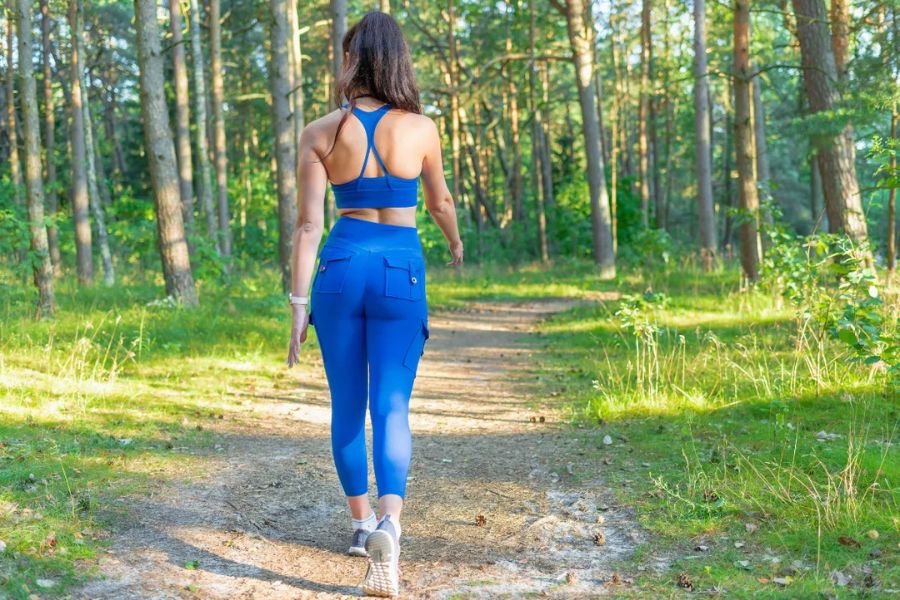
If you are looking into walking workouts for beginners weight loss, you are on the right track. Walking is accessible, joint friendly, and easy to fit into a busy day. You only need a comfortable pair of shoes and a safe place to walk, and you can start building a routine that supports weight loss and better health.
Experts describe walking as a convenient exercise that you can do almost anytime and anywhere without a gym, team, or trainer, as long as you have good shoes (Mayo Clinic). It may look simple, but when you do it consistently and at the right intensity, it can help you:
- Burn calories to support weight loss
- Improve your cardiovascular fitness
- Build lower body strength and endurance
- Lower stress and clear your head
Walking alone will not do everything. For meaningful results, you also need a nutritious diet, enough sleep, and tools to manage stress, according to Sabrena Jo, Ph.D., ACE senior director of science and research (AARP). Think of walking as a strong foundation that you can build on.
How walking supports weight loss
Walking helps with weight loss because it increases your daily energy expenditure. Each step requires your body to use fuel, and over time those small efforts add up.
According to the American College of Sports Medicine, at least 250 minutes per week of moderate intensity walking is recommended for weight loss (AARP). You do not need to start there. You can work up to it as your fitness improves.
One estimate suggests that a person who weighs about 154 pounds burns roughly 280 calories by walking at a moderate pace of 3.5 miles per hour for 60 minutes (Health). Your own number will vary based on your weight, pace, and terrain, but this gives you a useful ballpark.
Research has also compared walking to running. An analysis of nearly 50,000 people found that walking led to weight loss for almost everyone, and that walking was nearly as effective as running for women outside the heaviest weight category (Verywell Fit). This makes walking an excellent starting point when you are coming from little or no activity.
How much and how often you should walk
When you are new to walking workouts, it helps to have simple numbers to aim for. Different sources offer slightly different suggestions, but they all point in a similar direction.
Weekly time targets
- A good long term goal for weight loss is 250 minutes per week of moderate intensity walking (AARP)
- A practical starting aim is 150 to 250 minutes per week, especially if you are building up from short walks (AARP)
You do not need to jump to these totals immediately. One approach is to increase your weekly walking time or distance by up to 20 percent every two weeks until you reach the 150 to 250 minute range (AARP).
Frequency and session length
Guidance in 2023 suggested aiming for 4 to 5 walks per week, each about 50 to 60 minutes, if your goal is weight loss (Health). That can sound like a lot if you are just starting, so treat it as a direction to move toward.
You can also break your walking into shorter sessions. A 2019 study found that walking twice daily for at least 25 minutes, six days per week, led to more weight loss than walking 50 minutes once per day (Health). That means two shorter walks can be at least as effective and are often easier to squeeze into your schedule.
If you prefer tracking steps rather than minutes, a daily step goal of about 7,500 steps is a realistic target for many beginners, especially if you are older or currently sedentary (Health). You can always build from there.
How fast you should walk to burn more fat
The pace of your walking workout matters. You do not need to run, but you do want to push a bit past a casual stroll.
Experts suggest “brisk” walking for weight loss. That means you can still talk, but you would not comfortably hold a full conversation at that pace (AARP). It should feel:
- Faster than your usual “around the house” pace
- A little challenging, but not overwhelming
- Sustainable for at least 10 to 20 minutes at a time
A simple way to structure your pace as a beginner is to sandwich a faster segment in the middle of an easier walk. One beginner friendly plan recommends starting with a 25 minute walk that looks like this (Health):
- 5 minutes at a normal pace
- 15 minutes at a brisk pace
- 5 minutes back at a normal pace
If you repeat this about five days a week and then lengthen the brisk section by 5 minutes every two weeks, you can gradually increase your fitness without burning out.
How to start if you are completely new
If you have not been active for a while, walking workouts for beginners weight loss can feel intimidating at first. You do not have to match anyone else’s numbers. You only have to be a little more active than you were last week.
For some people, a very short walk is the right place to start. One woman with a heart condition described beginning her weight loss journey by walking just to the end of her driveway and back, which was better than doing nothing at all (Reddit). Over time, she slowly increased her distance and stamina.
A few guidelines for your first weeks:
- Start with short distances or times, for example 5 to 10 minutes
- Stay on solid, flat surfaces if you have balance or mobility issues (Reddit)
- Add a few minutes every few days, or up to 20 percent more walking every two weeks, not more (AARP)
- Stop if you feel sharp pain, dizziness, or unusual shortness of breath
If you have chronic health conditions or you are unsure what is safe, check in with a health care professional before you begin. Dr. Callie M. Davies of Mayo Clinic recommends this step for beginners, especially if you are managing ongoing medical concerns (Mayo Clinic).
Sample 4 week walking plan for beginners
You can adjust this example plan to your schedule and fitness level. The goal is to help you build a consistent habit without overdoing it.
Week 1: Build the habit
Focus: Make walking automatic by doing a short walk most days.
- 5 days per week
- 10 to 15 minutes per walk
- Pace: Comfortable, you can talk easily
Try adding your walk to something you already do every day, like right after breakfast or immediately after work.
Week 2: Add brisk segments
Focus: Introduce short bursts of brisk walking.
- 5 days per week
- 20 minutes per walk
- Structure:
- 5 minutes easy
- 10 minutes brisk, you can talk but not hold a full conversation (AARP)
- 5 minutes easy
If you feel wiped out, shorten the brisk segment and build up more gradually.
Week 3: Extend your time
Focus: Increase your total walking time gently.
- 4 to 5 days per week
- 25 to 30 minutes per walk
- Structure idea, adapted from beginner plans (Health):
- 5 minutes easy
- 15 to 20 minutes brisk
- 5 minutes easy
Check how your body feels at the end of each week. If you are very sore or exhausted, hold at the same level for another week before increasing.
Week 4: Split your walks
Focus: Experiment with two shorter walks per day.
Based on research suggesting that two daily walks can support more weight loss than one longer session (Health):
- 5 to 6 days per week
- Morning: 20 minutes (5 easy, 10 brisk, 5 easy)
- Evening: 20 minutes (same structure)
Two shorter walks can feel more manageable and can also help you manage hunger and energy more evenly throughout the day.
Using intervals, hills, and incline safely
Once you are comfortable with regular brisk walking, you can add variety to boost calorie burn without jumping to running.
Intervals
Intervals are short segments where you walk faster, then recover at a slower pace. For example (Verywell Fit):
- 3 minutes brisk
- 1 minute extra brisk, almost as fast as you can walk
- Repeat this cycle for 15 to 20 minutes, then cool down
Intervals let you work harder for brief moments while keeping the total workout manageable.
Hills and incline
Adding hills or an incline can recruit more muscles and raise your heart rate without needing to run. The popular 12-3-30 treadmill workout is one example, where you:
- Walk on a treadmill incline of 12
- Set speed to 3 miles per hour
- Go for 30 minutes
This workout, which became popular in 2020, requires no running and is accessible for many beginners when you build up to it gradually (TODAY). Walking at an incline engages your glutes, hamstrings, and quads more intensely than flat walking, which can increase calorie burn and muscular endurance.
If you want to try 12-3-30, ease in carefully:
- Start with a lower incline and speed
- Try 5 to 10 minutes at first, then add a few minutes each week
- Pay attention to any discomfort in your lower back, hamstrings, or knees
Experts recommend doing 12-3-30 at most every other day and mixing it with lower impact activities for safety and consistent progress (TODAY).
Combining walking with strength training
Walking workouts for beginners weight loss are more effective when you add a small amount of strength training. Muscle tissue burns more calories at rest and supports your joints while you walk.
One 31 day walking plan introduced six no equipment strength exercises starting in week three, on a few days each week (Today). The suggested moves include:
- Squats
- Marching bridges
- Plank into downward dog
- Seated oblique twists
- Knee raises with backward leg lifts
- Calf raises
These exercises help with:
- Balance
- Low back support
- Core stability
- Leg strength
You can add a simple circuit 2 to 3 days per week, either after your walk or on separate days:
- 10 squats
- 10 marching bridges (each leg)
- 20 seconds plank into downward dog
- 10 seated oblique twists (each side)
- 10 knee raises with backward leg lifts (each leg)
- 10 calf raises
Repeat the circuit 1 to 3 times, depending on your fitness and time.
Supporting your mental health while you walk
Walking does more than support your waistline. It can also be a powerful tool for your mood and stress levels.
A 31 day walking plan shared by Today encouraged beginners to replace an unhelpful end of day habit with a daily walk. One woman, Pamela Wampler, lost 50 pounds in part by swapping her evening wine for walking (Today). The first two weeks of the plan focused on 20 minute daily walks to relieve stress, increase mindfulness, and create a mental health boost while beginning a weight loss journey.
You can borrow a few ideas from that approach:
- Use a simple habit tracker or journal to mark each walk
- Take a “mental health challenge” once a week, such as walking without your phone or using your walk to practice gratitude (Today)
- Notice how you feel before and after you walk, physically and mentally
When your walks become a tool for feeling better internally, not just a weight loss tactic, you are more likely to stay consistent.
Safety tips and staying within your limits
Safety and sustainability matter more than speed when you start walking for weight loss. Overdoing it can send you to the couch with aches or injuries, which slows your progress.
Key points to keep in mind:
- Increase gradually. Beginners are advised to start slowly and increase distance and intensity over time to avoid injury (Verywell Fit).
- Respect your limits. If balance is an issue, stick to flat, solid footpaths and build stamina very slowly (Reddit).
- Consider timing. One beginner avoided walking at night for safety reasons and instead chose early morning, daytime, or sunset walks (Reddit).
- Hydrate and dress smart. Drink water, wear a hat, and skip walking in extreme heat when possible (Reddit).
If your goal is to eventually add running, alternating walking and running can be a gentle way to transition into higher impact exercise. Mayo Clinic experts note that alternating between the two allows active recovery while keeping your heart rate elevated and lets you gradually extend your running intervals as your body adapts (Mayo Clinic).
Avoiding common beginner challenges
It is normal to run into snags as you build a walking routine. A few common issues and ways to handle them:
You feel very hungry after long walks
One person who was obese and new to fitness began walking up to 2 hours at a time while maintaining a calorie deficit of about 1,200 to 1,500 calories per day (Reddit Fitness). They eventually noticed that long walks triggered intense hunger and binge eating the next day, sometimes causing weight gain.
To manage this, they considered:
- Shortening each walk
- Splitting walking into 30 minutes twice per day
This is one more reason that shorter, more frequent walks can be a good fit for beginners. If very long sessions drive you to overeat, you may be better off with moderate durations that feel sustainable.
You lose motivation
Motivation can come and go, and rewards do not always work. Consistency and frequency matter most for weight loss, so try to:
- Focus on a regular walking schedule even if the distance is modest at first
- Increase distance only once a week or every few days, not every session (Reddit)
- Use a simple log or smartwatch to track your walks, distance, and how you feel (Reddit Fitness)
Regular tracking can help you see patterns and progress that might not be obvious day to day.
Why consistency beats intensity
Across studies and expert guidance, one theme repeats: consistency matters more than intensity.
- Walking most days of the week supports weight loss and heart health, even at a modest pace, especially for beginners (Verywell Fit; Health).
- Studies suggest that two shorter walks per day can be more effective for overweight individuals than one longer walk and can be easier to maintain over time (AARP; Health).
- Beginners who steadily increase their walking by up to 20 percent every two weeks are more likely to reach the 150 to 250 minutes per week range for weight loss without injury (AARP).
If you find a pace and schedule that you enjoy, you will keep coming back. That is what drives change in the long run.
Putting it all together
Walking workouts for beginners weight loss do not need to be complicated. You can start where you are and adjust as you go.
To recap, you can:
- Begin with short daily walks, even just a few minutes
- Gently build up toward 150 to 250 minutes of walking per week
- Aim for a brisk pace where you can talk but not hold a full conversation
- Experiment with two shorter walks per day if that fits your life better
- Add simple strength exercises a few days a week to support your walking
- Protect your mental health by using walks as a chance to unwind and reset
- Stay safe by increasing gradually, watching your surroundings, and listening to your body
Above all, choose a walking routine that feels realistic and even enjoyable. When your walks become a regular part of your day, weight loss and health improvements follow naturally over time.
About the Author