A heart healthy plan like the DASH diet does not have to feel restrictive or bland. With the right DASH diet recipes, you can support healthy blood pressure, work toward weight loss, and still look forward to every meal and dessert.
The DASH diet, short for Dietary Approaches to Stop Hypertension, was designed to help prevent or treat high blood pressure and may also lower LDL cholesterol, the type linked to heart disease (Mayo Clinic). Instead of counting every calorie, you focus on balanced servings from food groups that are naturally rich in potassium, calcium, and magnesium and light on sodium and saturated fat.
Below, you will find a clear overview of what the DASH diet looks like in daily life, followed by wholesome, realistic recipe ideas for breakfast, dinner, and even dessert.
Understand the basics of the DASH diet
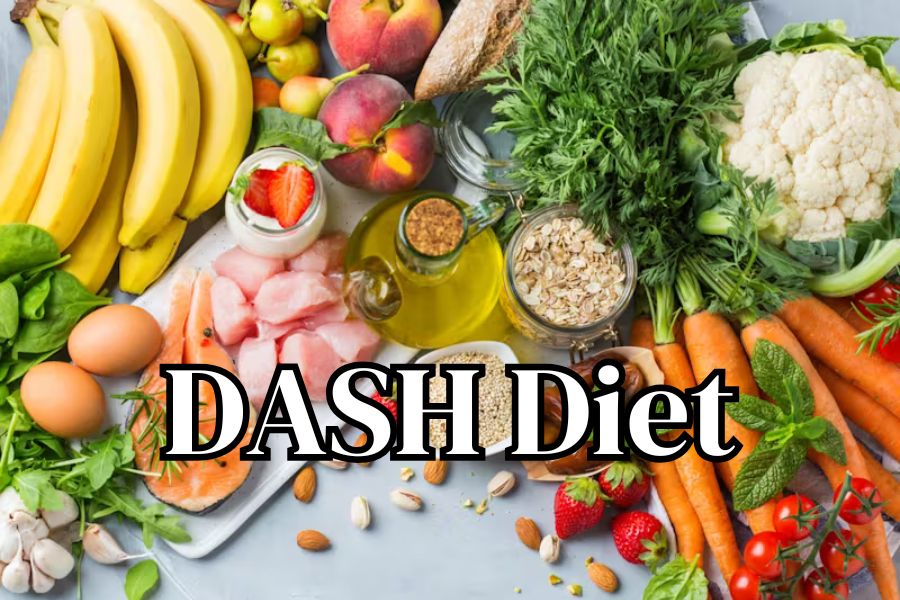
Before you dive into recipes, it helps to know what a DASH friendly plate should include. The DASH diet highlights vegetables, fruits, whole grains, lean proteins, and low fat dairy, while limiting sodium, added sugar, and saturated fat (Mayo Clinic).
For many adults eating around 2,000 calories per day, DASH style guidelines generally include:
- Several daily servings of vegetables and fruits
- Mostly whole grains instead of refined grains
- Two to three servings of fat free or low fat dairy
- Lean proteins like fish, poultry, beans, or lentils most days
- Small portions of healthy fats from nuts, seeds, and oils
Sodium is capped at about 2,300 milligrams per day in the standard DASH plan, roughly 1 teaspoon of table salt, with a lower sodium version limiting you to 1,500 milligrams if needed for your health goals (Mayo Clinic).
Instead of feeling boxed in, think of these ranges as a flexible framework. Within them, you can still enjoy familiar foods like pasta, burgers, and chili. You simply prepare them with more vegetables, whole grains, and smarter seasonings.
Build satisfying DASH diet dinners
Dinners are often the anchor of your day, so making them both heart healthy and satisfying is key if you want your eating plan to last. Many DASH diet recipes are designed to be high in fiber, at least 6 grams per serving, and under 500 calories, which can support gradual weight loss while still filling you up (EatingWell).
One pot soups and stews
Soup might sound simple, but it is a powerful vehicle for vegetables, legumes, and whole grains.
You can use ideas like Winter Vegetable Mulligatawny Soup or White Bean Soup with Pasta, which combine vegetables with beans and whole grains in a warming broth (EatingWell). Hearty ingredients like lentils, chickpeas, or barley add staying power so you feel satisfied without relying on large portions of meat or added salt.
To keep your soup DASH friendly, sauté aromatics in olive oil, lean on spices like curry powder, cumin, or smoked paprika for depth, and finish with fresh herbs or a squeeze of lemon instead of extra sodium.
Plant forward mains that feel substantial
If you think meatless meals will leave you hungry, DASH style recipes might surprise you. Dishes such as Stuffed Eggplant with Couscous and Almonds use a combination of vegetables, whole grains, and nuts to create a filling plate with plenty of texture (EatingWell).
You might also enjoy Falafel Burgers or Vegan Superfood Grain Bowls, which pair plant based proteins like chickpeas or quinoa with vegetables and heart healthy fats. These recipes can often be prepared in about 15 minutes if you lean on convenience shortcuts like prewashed greens, microwavable grains, and precooked beets (EatingWell).
The result is a plate that looks and eats like a full meal, not a side dish.
Lean proteins with quick cooking grains
On nights when you want something familiar, you can still enjoy chicken, seafood, or lean beef within a DASH framework.
For example, Chicken with Ginger Soy Vegetables and Brown Rice combines crisp tender vegetables, hearty brown rice, and chicken in a flavorful sauce, and can easily be adapted with lemon or Italian seasonings when you want a change (EatingWell). Peppery Barbecue Glazed Shrimp with Vegetables and Orzo, or Baked Halibut with Brussels Sprouts and Quinoa, show how pairing a lean protein with whole grains and plenty of vegetables can create a balanced, heart healthy dinner in about 30 minutes (EatingWell).
If you eat red meat, recipes like Beef and Bean Sloppy Joes reduce the portion of beef and add beans to boost fiber by 7 grams while cutting added sugar by adjusting the sauce components (EatingWell). This approach lets you hold on to comfort food favorites while aligning them with your blood pressure and weight loss goals.
Meal prep friendly bowls and salads
Sticking with any eating pattern is easier when you have meals ready to go. DASH diet recipes like Meal Prep Chili Lime Chicken Bowls or Salmon Couscous Salad are designed with this in mind.
You prepare a batch of grains, roast or sauté a protein, and assemble bowls with vegetables and a light dressing or sauce. Salmon Couscous Salad, for example, uses precooked or leftover salmon, which can be quickly roasted at 450 degrees Fahrenheit for 8 to 12 minutes for a flaky texture (EatingWell). Tuck a couple of these bowls into your fridge and you have fast, DASH friendly lunches or dinners that feel like a treat rather than a backup plan.
If you aim for a quarter of your plate as lean protein, half as vegetables, and the remaining quarter as whole grains, you are very close to a classic DASH dinner.
Enjoy DASH friendly desserts without guilt
You do not have to say goodbye to dessert on a DASH diet. In fact, including something sweet in a thoughtful way can make it easier to stick with the plan long term.
Registered dietitian Danielle Smith notes that desserts can absolutely fit into DASH, as long as you focus on options that are low in salt, saturated fat, processed ingredients, and sugar, so that your overall pattern still supports blood pressure reduction (Business Insider).
Higher fiber, lower sugar treats
One strategy is to redesign favorite desserts around fiber rich ingredients and natural sweeteners. A deep dish cookie pie made with white beans or chickpeas is a good example. The beans increase protein and fiber, dark chocolate chips contribute antioxidants, and natural sweeteners replace refined sugar so you can stay closer to the DASH guideline of limiting added sugar to roughly three to five tablespoons per week (Business Insider).
You still get the feeling of digging into a warm cookie like dessert, but with a nutritional profile that supports your health goals rather than working against them.
Fruit forward sweets that feel special
Another approach is to lean on fruit for most of the sweetness, then add a small amount of something rich so dessert feels satisfying.
Dark chocolate covered frozen bananas are a simple example. Bananas provide potassium, which can help counterbalance sodium intake, and dark chocolate adds flavonoids that are associated with lower blood pressure in people with hypertension (Business Insider). Together, they create a frozen dessert that feels indulgent but still fits comfortably in a DASH pattern.
You might also enjoy a bowl of berries with a modest dollop of whipped cream or a dairy free alternative. Berries bring fiber and antioxidants, with strawberries offering vitamin C and blueberries providing vitamin K among other nutrients (Business Insider). The cream adds a bit of richness without overwhelming the fruit.
Baked desserts that still fit the plan
If you prefer a more traditional dessert, you can adapt baked recipes to fit DASH guidelines as well. A vegan, gluten free cherry crumble built around oats and cherries is a good template. Oats contribute fiber and a pleasant chew, while cherries deliver antioxidants, vitamins, and minerals. Tart cherries in particular may offer benefits for blood pressure regulation (Business Insider).
Pairing a small serving with whipped cream or a scoop of low fat yogurt can help you meet the DASH recommendation of two to three servings of dairy per day while still feeling like you are enjoying a classic dessert.
Make DASH diet recipes part of your routine
Knowing the theory behind the DASH diet is helpful, but the real shift happens when you bring it into your everyday life in small, sustainable ways.
Here are a few ways to start weaving DASH diet recipes into your week:
- Choose one new DASH style dinner, like a bean based soup or a grain bowl, and add it to your weekly rotation.
- Swap one standard dessert for a fruit based option, such as dark chocolate covered frozen bananas or a bowl of berries with cream.
- Keep convenience items on hand, like precooked grains and washed greens, so quick recipes such as Vegan Superfood Grain Bowls are always within reach (EatingWell).
- Pay attention to sodium on labels and aim for seasoning with herbs, spices, citrus, and vinegar instead of reaching for the salt shaker first.
The DASH diet is designed to be realistic. It uses foods you can find in regular grocery stores and enjoy in restaurants, and it can be tailored to your calorie needs and personal preferences (Mayo Clinic). By choosing recipes that excite you and fit your lifestyle, you give yourself a better chance of seeing real changes in your blood pressure, weight, and overall energy.
Try starting with a single DASH inspired meal this week, perhaps a quick shrimp and vegetable dish with whole grains or a hearty bean soup, and notice how satisfying heart healthy eating can feel when your plate is full of color, flavor, and variety.
About the Author