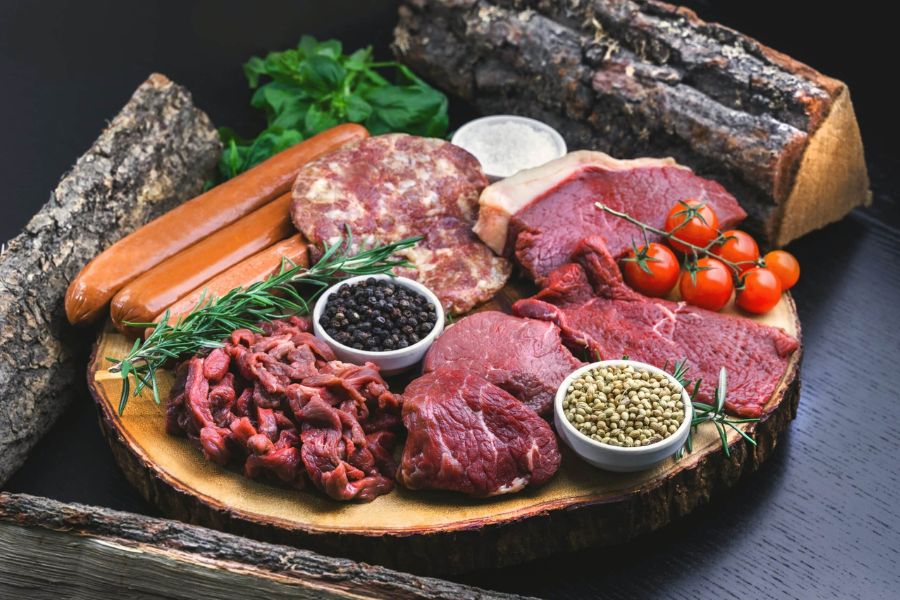
A carnivore diet can feel simple on paper, but the side effects are often anything but. If you have started eating only animal products or you are thinking about it, you are smart to learn about common carnivore diet side effects and how to handle them.
Below you will find what you are most likely to feel in the first days and weeks, what may show up later, and practical steps you can take to make the experience safer and more comfortable. You will also see where experts urge caution, so you can decide if this way of eating really fits your long‑term health goals.
Understand what the carnivore diet does to your body
On a carnivore diet, you eat only animal foods like meat, fish, eggs, and some dairy. You cut out all carbohydrates and plant foods including fruits, vegetables, grains, legumes, nuts, and seeds (Cleveland Clinic). Because you remove entire food groups, your body has to adjust on several levels.
You dramatically increase protein and saturated fat, and you lose fiber, antioxidants, and many vitamins that usually come from plants. This shift can lead to nutritional deficiencies and health concerns over time (Baylor Scott & White Health), especially if you treat it as a permanent lifestyle rather than a short experiment.
Knowing this upfront helps you understand why side effects happen instead of being surprised by every new symptom.
Short‑term carnivore diet side effects
Most of the uncomfortable carnivore diet side effects show up in the first few days to weeks. Your body is switching from using carbohydrates to relying mostly on fat and protein for energy, and that transition can be bumpy.
Digestive issues: diarrhea, constipation, and bloating
Many people notice that their digestion changes quickly after starting. You might swing between diarrhea and constipation or feel gassy and uncomfortable.
Several factors drive this:
- You suddenly remove fiber, which is the main fuel for your gut bacteria and helps keep bowel movements regular (The Gut Health Doctor).
- You increase fat intake sharply, which can speed things up and trigger diarrhea until your body adapts (Carnivore Snax).
- Your gut microbiome may go through a type of shock as the food supply it is used to disappears.
In a 2020 survey of 2,029 adults on a carnivore diet, 3.1 to 5.5 percent reported gastrointestinal symptoms like diarrhea or constipation (Current Developments in Nutrition). That may sound small, but remember, this was a self‑selected group of people still following the diet, so those who felt worse may have already quit.
How to ease digestive side effects
You cannot add fiber from plants on a strict carnivore diet, but you can make strategic adjustments:
- Increase fat gradually instead of jumping straight to very fatty cuts at every meal.
- Spread your protein and fat across 2 to 3 meals instead of one or two huge portions.
- Drink enough water throughout the day, and include electrolytes like sodium and potassium to support fluid balance (Carnivore Snax).
- If constipation becomes frequent or painful, consider whether loosening the rules to allow small amounts of low‑carb, high‑fiber foods, such as leafy greens, would serve you better.
If diarrhea, constipation, or abdominal pain lasts more than a couple of weeks or worsens, it is important to talk with a doctor. Digestive issues are not just an inconvenience, they affect nutrient absorption and long‑term bowel health.
“Keto‑flu” symptoms and low energy
As your body shifts away from carbohydrates, you may feel:
- Headaches
- Irritability
- Brain fog or difficulty focusing
- Fatigue or low motivation
- Nausea or reduced appetite
These are common during the early adaptation phase. They are similar to what some people experience with a ketogenic diet, and they often reflect shifts in blood sugar, fluid loss, and electrolyte changes (Carnivore Snax).
How to improve energy and reduce “flu” feelings
You can ease many of these symptoms with simple habits:
- Drink more water than usual, especially in the first week.
- Add electrolytes, for example, a pinch of salt in water or a no‑sugar electrolyte mix, since you lose sodium and other minerals when you drop carbs.
- Avoid cutting calories too severely at the same time you cut carbs. Undereating plus a new diet is a lot for your system.
- Ease into exercise. Keep workouts gentler until your energy feels steady again.
If brain fog, dizziness, or heart palpitations appear or feel intense, that is your cue to slow down and check in with a healthcare provider.
Muscle cramps, sleep changes, and mood shifts
Survey data from people on a carnivore diet shows smaller percentages reporting muscle cramps, insomnia, and mood‑related changes. For example, muscle cramps affected about 4 percent, insomnia 1.7 percent, and irritability and related symptoms a similar minority (Current Developments in Nutrition).
These can be related to electrolyte imbalances, dehydration, or the stress of a drastic dietary change.
To tackle these:
- Make sure you are getting enough sodium, magnesium, and potassium, either from food, mineral‑rich water, or supplements if your doctor agrees (Carnivore Snax).
- Build a regular sleep routine and keep caffeine earlier in the day.
- Notice your mood. Sudden, strong changes in anxiety, irritability, or depression should not be ignored. Mental health is a key part of overall health.
Longer‑term risks and side effects you should not ignore
Some carnivore diet side effects show up gradually and are less obvious because you cannot feel them in the same way you feel a headache or cramp. These are linked to the lack of fiber and micronutrients and the very high intake of saturated fats and red meat.
Cholesterol, blood pressure, and heart disease risk
A diet based heavily on red and processed meat and full‑fat dairy raises several red flags for heart health.
Research and expert analyses highlight that:
- The carnivore diet is high in saturated fat, cholesterol, and sodium, and this pattern can increase your risk of heart disease and other conditions (Baylor Scott & White Health).
- Red meat and processed meats are linked with higher non‑HDL cholesterol and elevated blood pressure, both of which raise the risk of coronary heart disease, heart attack, and stroke (British Heart Foundation).
- The carnivore diet may increase low‑density lipoprotein (LDL) or “bad” cholesterol, which can narrow blood vessels and raise your risk of heart attack or stroke (Medical News Today).
One survey of carnivore dieters found elevated LDL cholesterol levels, with more favorable HDL and triglyceride patterns, but the long‑term cardiovascular implications are still uncertain (Current Developments in Nutrition). So even if your short‑term blood work looks mixed or “not too bad,” the bigger picture over many years is still not clear and may lean negative.
How to protect your heart if you still choose carnivore
If you decide to continue, you can still take steps to lower your risk:
- Prioritize leaner cuts of meat and include more fish and seafood, which tend to have healthier fat profiles.
- Limit processed meats like bacon, sausages, and deli meats, which also pack in a lot of sodium. The British Heart Foundation notes that high salt intake can increase blood pressure and cardiovascular risk (British Heart Foundation).
- Get regular blood tests, including a full cholesterol panel and blood pressure checks, and discuss any rising trends with your doctor early.
Some cardiologists recommend more balanced patterns like the Mediterranean or DASH diets as safer long‑term options for heart health (Baylor Scott & White Health). It is worth comparing those approaches to see which path aligns with both your weight goals and your long‑term health.
Fiber loss, gut health, and colon cancer risk
On carnivore, you remove all fiber. That change has several consequences:
- Fiber helps reduce “bad” cholesterol, supports digestion, and prevents constipation (British Heart Foundation).
- Fiber is the main fuel for gut bacteria that produce short‑chain fatty acids like butyrate, which support a healthy gut lining and regulate inflammation (The Gut Health Doctor).
- Lack of fiber over time may increase your risk of colon cancer and other digestive issues, especially when combined with high intakes of red and processed meats (Baylor Scott & White Health).
Experts on gut health warn that reduced microbiome diversity, which can result from eliminating plant foods, is associated with poorer digestion, immunity, and even mood changes (The Gut Health Doctor).
If you notice stubborn constipation, abdominal pain, bleeding, or major changes in bowel habits, do not assume it is “just the diet.” Those are all reasons to see a doctor promptly.
Without fiber, your gut bacteria lose their primary fuel source, and that can slowly reshape your microbiome in ways you might not feel right away but that matter for your long‑term health.
Nutrient deficiencies and kidney strain
Cutting out plant foods means you also lose many vitamins and minerals that protect you from chronic disease. The carnivore diet is associated with potential deficiencies in vitamins A and C and some B vitamins, along with minerals like magnesium and potassium (Baylor Scott & White Health; Cleveland Clinic). These nutrients support your immune system, brain, skin, and heart.
Over time, deficiencies can increase your risk of conditions such as heart disease, type 2 diabetes, and even neurodegenerative diseases (Baylor Scott & White Health).
On top of that, eating large amounts of animal protein can put extra stress on your kidneys and liver, especially if you already have underlying kidney issues (Baylor Scott & White Health). High red and processed meat intake is also linked to higher risks of colon and rectal cancers.
If you go forward with a carnivore style of eating, it is wise to:
- Work with a healthcare provider to monitor kidney function and other lab markers.
- Discuss supplementation of specific vitamins and minerals, such as vitamin C and magnesium. Some carnivore supporters suggest organ meats or seafood can help, but you still need to confirm that your levels are adequate (Carnivore Snax).
- Be honest about whether strict carnivore is necessary for you or if a less restrictive low‑carb diet with some plant foods would be safer.
Weighing benefits against side effects
You might have seen stories of impressive weight loss, reduced blood sugar, or better joint pain on the carnivore diet. To be fair, survey data shows that many followers report high satisfaction and perceived health improvements (Current Developments in Nutrition). However, that same research has key limitations like self‑reporting, no clinical verification, and the exclusion of people who already quit due to side effects.
Major health organizations point out that scientific evidence for long‑term benefits is limited and inconclusive, while the potential harms are better documented (British Heart Foundation; Cleveland Clinic). Experts generally recommend a balanced pattern that includes a variety of whole foods over strict elimination diets.
So if you are using carnivore as a short‑term experiment to reset habits or see how you respond to lower carbs, set a clear timeline and checkpoints with your doctor. If your plan is to stay on it long term, you need even closer monitoring and a willingness to pivot if your labs or symptoms start moving in the wrong direction.
When to talk to a professional and what to ask
You do not have to figure all of this out alone. Before starting a carnivore diet, and again a few weeks and months into it, it is smart to check in with a healthcare provider, especially if you have:
- Any history of heart disease, high blood pressure, or high cholesterol
- Diabetes or blood sugar concerns
- Kidney or liver problems
- Digestive conditions such as IBS, IBD, or a history of colon polyps
- A personal or family history of colon, rectal, or other cancers
Bring specific questions, for example:
- Which blood tests should you run before and during the diet?
- How often should you monitor cholesterol, kidney function, and nutrient levels?
- Are there safer modifications, like adding certain plant foods, that would lower your risk but still support weight or blood sugar goals?
- Which supplements, if any, are appropriate for you?
A registered dietitian or knowledgeable doctor can help you spot early warning signs of trouble and suggest adjustments before side effects grow into real health problems.
Putting it all together
You can reduce many carnivore diet side effects by staying hydrated, managing electrolytes, increasing fat and protein gradually, and getting regular lab work. You can also choose less processed meats and include more fish to soften some of the cardiovascular risks.
However, you cannot remove the core facts that this way of eating is highly restrictive, cuts out fiber and key nutrients, and is linked in the research to higher cholesterol, digestive problems, and possible increases in heart and cancer risk over time (Baylor Scott & White Health; British Heart Foundation; Cleveland Clinic).
If your goal is to lose weight and improve your health, you have options. You can use what you have learned here to make carnivore safer for a short period, or you can take this as a sign to explore more balanced, evidence‑backed approaches that are easier on your body in the long run.
Either way, listen carefully to your symptoms, check real numbers through lab tests, and let long‑term health, not just short‑term results, guide your choices.
About the Author