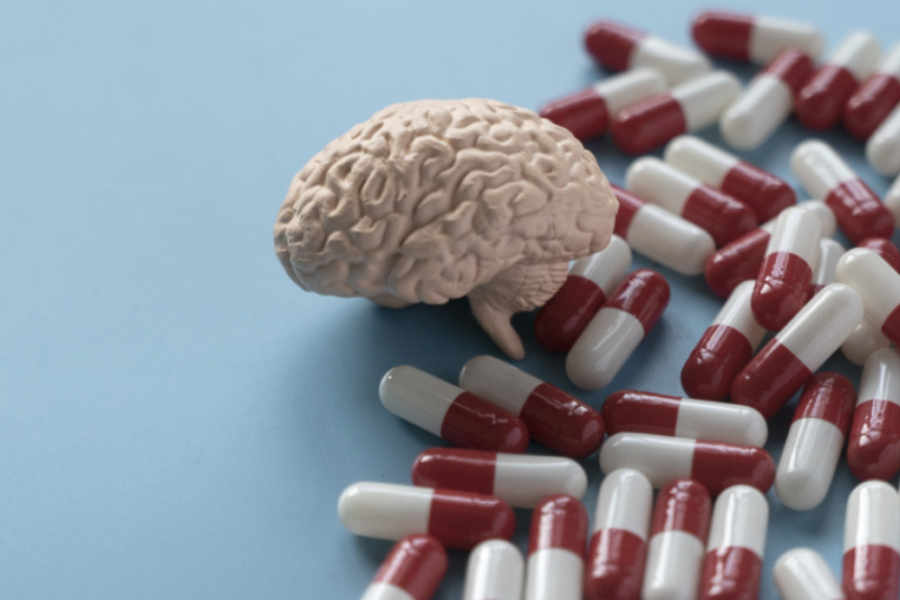
A sharp, focused mind does not just depend on how much sleep you got last night. The foods and supplements you choose can also play a role. That is where brain boosting nootropics come in. These are substances that may support memory, focus, mental energy, and long‑term brain health, although the science is still evolving and there is no magic pill.
In this guide, you will learn what nootropics are, how different types work, which ingredients are most promising, and how to use them cautiously and effectively.
Understand what brain boosting nootropics are
Nootropics, often called brain boosters, cognitive enhancers, or smart drugs, are natural or synthetic substances that may help your brain work more efficiently. They are used to support functions such as memory, attention, learning, and mental energy, especially when these are impaired (PMC). The term now covers everything from basic nutrients and herbal extracts to prescription medications (WebMD).
Supporters believe nootropics can help you:
- Concentrate for longer periods
- Recall information more easily
- Stay mentally alert when you are tired
- Protect your brain as you age
At the same time, researchers caution that many claims go beyond the available evidence. For healthy people, proof of big performance boosts is usually weak and often based on small or early studies (Alcohol and Drug Foundation). That is why it helps to look at each type of nootropic separately rather than assuming they all work the same way.
Explore the main types of nootropics
You can group brain boosting nootropics into a few broad categories. Understanding the differences helps you decide which, if any, might fit your goals.
Classical and prescription nootropics
Some nootropics were developed for medical use and are prescribed to treat specific conditions.
Classical synthetic nootropics such as piracetam, meclofenoxate, and nicergoline have been used in clinical settings to improve memory and cognitive function in people with Alzheimer disease, vascular dementia, or brain injury (PMC). Typical studied doses, such as piracetam 2 to 8 grams per day or nicergoline 30 to 60 milligrams per day, are meant for diagnosed conditions, not casual self‑experimentation.
You may also hear about prescription stimulants, such as methylphenidate (Ritalin), lisdexamfetamine, and dexamfetamine, which are used to treat ADHD. Some students and professionals try these as cognitive enhancers, but in people without ADHD they can disrupt sleep, alter brain chemistry related to risk‑taking behavior, and cause weight loss and other side effects (Alcohol and Drug Foundation). Modafinil, originally approved for narcolepsy and sleep disorders, is another example. It promotes wakefulness and may reduce stimulant withdrawal and drug craving, but more research is needed to fully understand its effects and side effects in healthy users (Alcohol and Drug Foundation).
In some countries, including Australia, these medicines are tightly controlled. Modafinil is a Schedule 4 prescription‑only drug, and methylphenidate is Schedule 8, with strict rules and legal penalties for unauthorized use or sale (Alcohol and Drug Foundation). If you do not have a prescription, these are not safe or legal shortcuts.
Natural and plant‑based nootropics
Natural nootropics come from plants and foods and tend to have a gentler effect profile. They include herbs like ginseng and Ginkgo biloba, as well as everyday compounds like caffeine and omega‑3 fatty acids.
Panax ginseng is a well‑known example. Its active compounds, ginsenosides, appear to support memory and protect brain cells by increasing antioxidant enzyme activity and reducing oxidative damage in studies, including animal models of Alzheimer disease (PMC). These herbal nootropics usually have lower toxicity but often require higher doses over a longer period to see benefits.
You also have substances that increase brain metabolism and blood flow, such as vinpocetine, naftidrofuryl, and dihydroergotoxine. These are used clinically for stroke, cerebrovascular disorders, and some forms of dementia, as they improve cerebral blood flow and support glucose and oxygen use in the brain (PMC).
For day‑to‑day use, many people prefer natural nootropic supplements and dietary ingredients because they are easier to access and often better studied for safety at typical doses.
Look at popular natural brain boosting ingredients
If you are curious about trying brain boosting nootropics, you will see certain ingredients come up again and again. Here is how some of the most common ones stack up based on current evidence.
Omega‑3s from fish oil
Fish oil supplements are rich in omega‑3 fatty acids, especially DHA and EPA, which are important building blocks for brain cell membranes. A 2022 systematic review found that DHA supplementation was associated with improved thinking skills in participants with an average age of 45, although results varied between studies (Healthline).
If your diet is low in fatty fish like salmon, sardines, or mackerel, adding an omega‑3 supplement may help support overall brain health and long‑term cognitive function.
Creatine for quick thinking
You may know creatine as a sports supplement, but your brain uses it too. Creatine helps cells produce energy, which is why it can influence both physical and mental performance.
A 2024 review found that creatine supplementation can improve memory and processing time, though it did not boost overall cognitive function across the board (Healthline). A 2020 review also suggested that benefits might be more noticeable in people with lower baseline creatine stores, such as vegetarian athletes (Healthline).
If you experience mental fatigue during demanding tasks, creatine could be one option to discuss with your healthcare provider.
Ginkgo biloba for circulation support
Ginkgo biloba is often marketed for memory and circulation, but the research is mixed. A 2023 review of 1,642 participants found that Ginkgo might improve vocabulary when used alongside dementia medications, and a 2020 review suggested that taking 240 milligrams daily for 24 weeks may support cognitive function in people with mild dementia (Healthline).
For healthy adults, results are less consistent. You might experience subtle benefits in attention or mental clarity, but it is not a guaranteed memory booster.
Herbal blends and multi‑ingredient formulas
You will also see combination products that bring several natural nootropics together. For example, Nuven Naturals Brain Support Supplement includes Lion’s Mane mushroom, Ginkgo biloba, Bacopa monnieri, Ashwagandha root, Rhodiola rosea, turmeric, Gotu kola, and BioPerine. The formula is designed to support memory, focus, cognitive function, clarity, and energy, and is made with vegan, non‑GMO ingredients in vegetable capsules, without eggs, soy, or shellfish (Amazon).
The product is third‑party tested for safety and quality, and the suggested dose is two capsules daily with a meal or as directed by a healthcare professional (Amazon). Like any supplement, it can still cause side effects in some people, such as stomach upset, nausea, or rash, and you are advised to stop use and seek medical advice if this happens, especially if you are pregnant, nursing, on medication, or under medical care (Amazon).
Everyday nootropic: caffeine
Caffeine is the most widely used natural nootropic in the world. It does more than keep you awake. Research shows it can improve thinking skills by increasing alertness and improving access to neurotransmitters like acetylcholine, which supports short‑term memory and learning (WebMD).
You will often see caffeine combined with L‑theanine, a calming amino acid from tea, in nootropic formulas. Together, they can provide smoother alertness and focus with fewer jitters, especially in lower to moderate doses.
Many brain‑boosting supplements appear to work best when they correct a deficiency or support an existing health condition, rather than turning a healthy brain into a supercomputer overnight (Healthline).
Weigh potential benefits against risks and unknowns
Before you add brain boosting nootropics to your routine, it helps to understand both the upside and the limitations.
On the benefit side, classical nootropics have a long history of use in conditions like dementia and stroke, where they can meaningfully improve function for some patients (PMC). Natural nootropics and nutrients, such as omega‑3s, creatine, and certain herbs, show promise for supporting aspects of memory, processing speed, or overall brain health in targeted situations (Healthline).
However, the picture is more cautious when you are healthy and just want to get an edge. Many studies are small, short term, or limited to specific groups. Experts note that there is no strong evidence that most over‑the‑counter memory‑boosting supplements deliver dramatic results in healthy people, and perceived benefits may be partly placebo (WebMD). Researchers also highlight that the long‑term effects of many nootropics in healthy populations are still unknown (PMC).
Pharmaceutical nootropics carry additional concerns. ADHD medications used without a diagnosis have been linked to sleep disruption, appetite and weight changes, and altered reward pathways in the brain (Alcohol and Drug Foundation). Even modafinil, which is generally well tolerated in patients with sleep disorders, may have side effects that vary widely between individuals and requires more research to establish its safety in long‑term healthy use (Alcohol and Drug Foundation). Legal issues are another layer, since using prescription‑only substances without a prescription is illegal in many countries.
Nootropic supplements that rely on vitamins, fish oil, or herbs are often considered safer alternatives, but their safety and effectiveness are not always thoroughly examined or standardized (Alcohol and Drug Foundation). Quality can vary between brands, so third‑party testing and clear dosing instructions are important.
Use brain boosting nootropics wisely
If you decide that nootropics are worth exploring, you can take a careful, evidence‑informed approach that puts your health first.
Start with foundations
Nootropics are not a replacement for the basics that your brain depends on. You will get more from any supplement if you first:
- Protect your sleep schedule and aim for consistent rest
- Eat a nutrient‑dense diet with plenty of vegetables, healthy fats, and protein
- Stay active to support blood flow and brain plasticity
- Manage stress with relaxation techniques or counseling if needed
Many supposed nootropic benefits, such as better memory or attention, also appear when you correct underlying sleep problems, nutritional deficiencies, or chronic stress.
Choose safer categories first
If you are new to brain boosting nootropics, it usually makes sense to start with lower risk options like:
- Omega‑3 fish oil, especially if you eat little seafood
- Creatine, if you are physically active or follow a vegetarian diet
- Herbal blends with ingredients that have a history of use, from reputable brands with third‑party testing, like the Nuven Naturals formula described earlier (Amazon)
Avoid sourcing prescription drugs without medical supervision. The potential legal and health consequences do not match the modest and uncertain cognitive gains reported in research so far (Alcohol and Drug Foundation).
Talk to a healthcare professional
Because many nootropics can interact with medications or underlying conditions, it is wise to speak with a doctor, pharmacist, or qualified health practitioner before you start, especially if you:
- Take prescription medications
- Are pregnant, planning pregnancy, or breastfeeding
- Have a history of heart, liver, kidney, or mental health conditions
This is the same advice given for branded supplements like Nuven Naturals Brain Support, which recommend medical guidance before use and stopping immediately if you notice side effects such as stomach pain, nausea, or rash (Amazon).
Track how you respond
If you try a nootropic, track your experience so you can judge whether it is worth continuing. You might:
- Keep a simple journal of your mood, focus, sleep, and any side effects
- Try one new supplement at a time for several weeks instead of stacking many at once
- Reassess regularly and stop anything that causes discomfort or no noticeable benefit
Because many brain boosting nootropics show their best results over weeks or months, a patient, measured approach will give you a clearer picture than jumping between products.
The bottom line for your brain
Brain boosting nootropics are an interesting tool in your wellness toolkit, but they are not a shortcut to limitless intelligence. Some, especially natural supplements like omega‑3s or certain herbal formulas, may support memory, focus, and long‑term brain health when used thoughtfully and in combination with a healthy lifestyle (Healthline). Others, such as prescription stimulants or unregulated synthetic compounds, carry real risks and legal issues that make self‑experimentation a poor tradeoff.
If you stay realistic about what nootropics can do, prioritize safety, and work with your body instead of against it, you can explore this area in a way that supports your brain rather than stressing it. Your everyday habits will always be the most powerful cognitive enhancers you have. Supplements, at their best, can provide a small but meaningful boost on top of that solid foundation.
About the Author