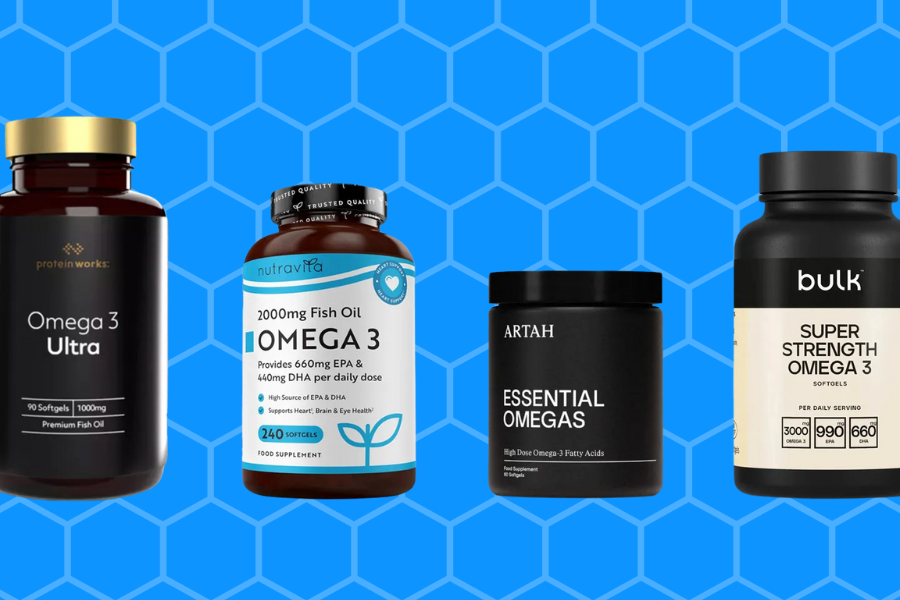
Omega-3 supplements are everywhere, from pharmacy shelves to your social feed. With so many options, figuring out the best omega-3 supplements for your health can feel overwhelming. The good news is that once you understand a few basics about omega-3 types, doses, and quality, you can choose a product that actually fits your needs, instead of guessing by the label design.
Below, you will learn how omega-3 supplements work, what different forms mean, and which options are worth trying based on current research.
Understand what omega-3 supplements actually are
Omega-3 supplements contain fats that your body uses for heart, brain, eye, and immune health. The main players are EPA (eicosapentaenoic acid) and DHA (docosahexaenoic acid), which you usually get from fatty fish. Long chain omega-3 supplements such as fish oil, krill oil, cod liver oil, and algal oil are all sources of EPA and DHA in different forms and amounts (NIH ODS).
Supplements are meant to fill gaps when you do not eat enough seafood. Many adults do not reach the commonly recommended 250 to 500 mg per day of combined EPA and DHA from food, which is roughly the amount you get from about 8 ounces of fatty fish per week (Healthline). If you rarely eat fish, a supplement can be a practical way to catch up.
At the same time, you should know that seafood itself often provides stronger health benefits for certain conditions than omega-3 pills. Current evidence suggests whole fish is still the preferred source whenever possible (NCCIH).
Know the main health benefits you can expect
Omega-3 supplements are not cure-all solutions, but they can support specific areas of your health when used correctly and at the right dose.
Heart health and triglycerides
If you are focused on your heart, omega-3s are among the most studied supplements. Marine omega-3 supplementation has been associated with modest but real cardiovascular benefits. A meta-analysis of 13 clinical studies found that marine omega-3s were linked to an 8 percent lower risk of heart attack, an 8 percent lower risk of death from heart disease, and a 7 percent lower risk of death from cardiovascular disease (Forbes Health).
Omega-3 supplements can also significantly lower triglyceride levels, especially in people with high cholesterol or those who are overweight. A 2023 meta-analysis of 90 studies reported clear triglyceride reduction with fish oil use (Forbes Health).
For people with very high triglycerides or established heart disease, prescription forms of omega-3 are sometimes used at higher doses. The REDUCE-IT trial tested 4 grams per day of a prescription EPA product called icosapent ethyl in about 8,000 high risk patients and found a 25 percent reduction in major cardiovascular events, including heart attack and stroke, over five years (NIH ODS, NHLBI).
Mood, brain, and inflammation
Omega-3s also play a role in brain function and mood. Supplement doses between 200 and 2,200 mg per day have been shown to reduce symptoms of depression and anxiety in some people, especially when the product is higher in EPA relative to DHA (Healthline).
On the inflammation front, omega-3s can help calm things down at a low grade, systemic level. A 2022 umbrella meta-analysis of 32 meta-analyses found that fish oil supplements reduced chronic inflammation markers, including C-reactive protein (CRP) (Forbes Health). If your doctor has told you that inflammation is an issue, this is one way to support other lifestyle changes.
Pregnancy and early development
If you are pregnant or planning to be, omega-3 intake becomes even more important. DHA in particular supports fetal brain and eye development. Research suggests that omega-3 intake during pregnancy may reduce the risk of preeclampsia, preterm birth, and low birth weight (Forbes Health).
For all these benefits, it is important to talk to your healthcare provider before you start, especially if you have existing conditions or take other medications.
Compare the main types of omega-3 supplements
Once you know why you are taking omega-3s, you can narrow down which form suits you best. Each has strengths and tradeoffs in cost, potency, absorption, and sustainability.
Fish oil
Fish oil is the most common and usually the most affordable omega-3 supplement. It is typically made from fatty fish such as anchovies, mackerel, herring, sardines, salmon, cod, or tuna and contains EPA and DHA that support heart, brain, and eye health (Forbes Health).
Natural fish oil usually provides about 180 mg EPA and 120 mg DHA per 1,000 mg of oil and also contains vitamins A and D (Healthline). Processed fish oils are common because they cost less, but they often come as ethyl esters, which are absorbed less efficiently than natural triglycerides or re-esterified triglycerides (Healthline, NIH ODS).
If you choose fish oil, you want to pay attention to how much actual EPA and DHA you are getting, not just how many milligrams of fish oil the label lists. It is common for the total fish oil number to be much higher than the EPA plus DHA amount (Healthline).
Krill oil
Krill oil comes from tiny crustaceans that live in cold ocean waters. It contains EPA and DHA in both triglyceride and phospholipid forms. Those phospholipids may help omega-3s absorb better, and some studies have reported somewhat higher blood omega-3 levels in people taking krill oil compared to standard fish oil, although findings are mixed and more research is needed (NIH ODS, Healthline).
Krill oil also has a built in antioxidant called astaxanthin, which helps protect the oil from oxidation and may support heart health by affecting triglycerides and HDL cholesterol. However, those benefits usually appear at doses higher than what you see in typical over the counter capsules (Healthline).
One important detail is concentration. A common krill oil capsule averages around 128 mg EPA and 60 mg DHA, while a single softgel of a fish oil like Cooper Complete Advanced Omega-3 provides 360 mg EPA and 240 mg DHA (Cooper Complete). In practice, you often pay more and get less EPA and DHA from krill oil, even though absorption might be somewhat better.
There are also sustainability concerns. Krill populations have declined significantly since the 1970s, krill fishing is banned in U.S. waters, and some retailers stopped carrying krill oil for environmental reasons, instead recommending fish oil as a more sustainable source (Cooper Complete).
Algal oil
If you are vegetarian or vegan, algal oil is likely your best omega-3 supplement option. This oil comes from marine algae rather than fish, but still provides DHA and sometimes EPA. It is environmentally friendly, naturally free of contaminants, and considered a sustainable source of omega-3s (Healthline).
Most algal oil supplements supply 100 to 300 mg of DHA per serving, sometimes with added EPA, usually in triglyceride form. A small study found that DHA from algal oil had equivalent bioavailability to DHA from cooked salmon, which means your body uses it just as well (NIH ODS).
If you do not eat fish at all, this is a straightforward way to cover your base needs for DHA and, depending on the product, EPA as well.
Check the dose and what health groups recommend
Even the best omega-3 supplements only work when the dose matches your goals. Labels can be confusing, so it helps to know what health organizations suggest.
Most health organizations recommend that healthy adults aim for at least 250 to 500 mg per day of combined EPA and DHA, either from food or supplements (Healthline). If you eat fatty fish twice a week, as the American Heart Association recommends, you may already be close to that target and might not need a full strength supplement (WebMD).
For specific conditions, recommended doses are higher:
- People with coronary heart disease or heart failure are often advised to take about 1,000 mg per day of combined EPA and DHA, ideally under medical guidance (Healthline).
- Individuals with high triglycerides may be given up to 4,000 mg per day of combined EPA and DHA, usually in prescription form and closely supervised by a physician (Healthline, WebMD).
For over the counter use, many dietitians and clinicians suggest at least 1,000 mg per day of EPA plus DHA if your fish intake is low and you are targeting heart, brain, or inflammatory benefits (Cooper Complete).
You also need to stay within safe limits. The FDA and European Food Safety Authority consider up to 5,000 mg per day of combined EPA and DHA to be safe for most adults, but doses above this level have not shown extra benefits and can raise the risk of bleeding or vitamin A toxicity with certain oils like cod liver oil (Healthline). The American Heart Association notes that up to 3 grams per day of fish oil from supplements is generally safe, and anything beyond that should be done only under medical supervision (WebMD).
Pay attention to quality, form, and side effects
Two fish oil bottles can look similar on the shelf but be very different inside. A few checks can help you pick the best option for you.
Form and absorption
Omega-3s in supplements come in several forms, including natural triglycerides, free fatty acids, ethyl esters, re-esterified triglycerides, and phospholipids. Research shows that natural triglycerides, re-esterified triglycerides, and free fatty acids are generally absorbed better than ethyl esters (NIH ODS).
Some premium brands highlight that their omega-3s are in triglyceride or phospholipid form, which your body can handle efficiently. Ethyl ester products are often cheaper, but you may need a higher dose to reach the same blood levels of EPA and DHA.
Purity and testing
Since fish live in oceans that can contain heavy metals and other contaminants, quality control matters. Look for products that mention third party testing or certifications for purity and potency. While specific logos vary from brand to brand, you want some independent confirmation that what is on the label matches what is in the capsule and that contaminants are below safety limits.
You should also keep an eye on oxidation. Rancid fish oil can do more harm than good. Choosing a reputable brand and checking the expiration date, storage recommendations, and any off smells when you open the bottle are simple safeguards. Some oils, such as krill oil with astaxanthin, are naturally more resistant to oxidation, but all products should still be stored away from heat and light (Healthline).
Common side effects and risks
Most people tolerate omega-3 supplements well. The most frequent issues are mild and include unpleasant taste, bad breath, bad smelling sweat, headaches, heartburn, nausea, and diarrhea (NCCIH). Taking your capsules with food and starting with a lower dose can limit stomach upset.
High doses, especially above 3 grams per day from supplements, increase the risk of bleeding and may raise the risk of atrial fibrillation in some individuals, so they should only be used under a doctor’s supervision (NHLBI, WebMD). If you take blood thinners, have a bleeding disorder, or are planning surgery, talk with your healthcare provider before you start any omega-3 supplement.
See examples of top rated omega-3 supplements
You will find many solid products on the market, but a few consistently show up in expert reviews and testing. You can use these as reference points when you compare labels.
The key is not to chase brand names, but to match EPA and DHA amounts, form, and quality standards to your health goals.
Some widely recommended options as of 2026 include:
- Nordic Naturals Ultimate Omega Soft Gels, often rated as a best overall fish oil. Each serving provides 1,280 mg of combined EPA and DHA from wild caught sardines and anchovies and the lemon flavor helps reduce fishy aftertaste. The product is Friend of the Sea certified for sustainable fisheries (Healthline).
- Thorne Omega-3 with CoQ10 Capsules, frequently suggested if you are focused on cholesterol and overall cardiovascular support. Two capsules supply 630 mg EPA and DHA plus 30 mg CoQ10, and the product is certified by Australia’s Therapeutic Goods Administration and NSF International (Healthline).
- Sports Research Omega-3 Fish Oil, made from single source wild caught Alaskan pollock. It is a budget friendly option with concentrated omega-3s, designed to minimize fishy aftertaste and burping, and carries IFOS 5 star certification. You can choose between 625 mg or 1,250 mg fish oil per serving depending on your needs (Healthline).
- Nutricost Fish Oil Soft Gels, known for strong value with 240 softgels per bottle. The product is gluten free, non GMO, and manufactured in cGMP compliant facilities, which appeals to many people focused on sports performance and budget (Healthline).
- Carlson Labs The Very Finest Fish Oil liquid, a good choice if you prefer liquid over pills. It delivers about 1,600 mg of omega-3s per teaspoon, including 1,300 mg from EPA and DHA, and is sourced from wild caught anchovies, sardines, and mackerel. It also has IFOS and Non GMO Project verification (Healthline).
- Cooper Complete Advanced Omega-3, which supplies 720 mg EPA, 480 mg DHA, and 200 mg other omega-3s per two lemon flavored softgels. It is designed to support heart health, cognition, immune function, and inflammatory balance without a fishy aftertaste (Cooper Complete).
You do not need to pick one of these exact products, but when you evaluate any supplement, it helps to compare how its EPA and DHA amounts, form, certifications, and price line up against these benchmarks.
How to choose the best omega-3 supplement for you
To narrow things down to the best omega-3 supplement for your situation, walk through a simple checklist:
- Decide your main goal. Are you supporting general heart and brain health, aiming to lower triglycerides, improving mood, or covering a vegetarian or pregnancy specific need?
- Choose your form. Pick fish oil if you eat fish and want maximum EPA and DHA per dollar, krill oil if you prioritize absorption and do not mind the higher cost and sustainability questions, or algal oil if you are vegetarian or vegan.
- Check EPA and DHA amounts. Look at the supplement facts panel and total how many milligrams of EPA plus DHA you get per daily serving. Aim for at least 250 to 500 mg per day for general health, or closer to 1,000 mg if your intake from fish is very low and your doctor agrees.
- Look for quality signals. Third party testing, clear labeling of omega-3 form, sustainable sourcing, and reasonable expiration dates are all green flags.
- Watch for side effects and interactions. Start with a moderate dose and take it with food. If you are on prescription medications, especially blood thinners or high dose aspirin, make sure you clear any supplement with your healthcare provider first.
Once you find a supplement that meets these criteria, you can stick with it consistently instead of jumping from bottle to bottle. Omega-3s work gradually, so give your body at least several weeks to months before you judge how you feel.
If you are unsure where to start, you might begin with a moderate dose fish oil or algal oil that provides around 500 to 1,000 mg of EPA and DHA per day, then adjust in partnership with your healthcare provider based on your diet, lab results, and how you respond.
About the Author