Understand clean keto vs dirty keto
If you are comparing clean keto vs dirty keto, you are probably looking for a way to lose weight while still living your real life. Both approaches can get you into ketosis, where your body burns fat for fuel instead of carbs. The big difference is what you eat to get there, and how those choices affect your long term health.
Clean keto focuses on whole, nutrient dense foods like non starchy vegetables, quality proteins, and healthy fats. Dirty keto, sometimes called lazy keto, cares mostly about hitting your macros, even if most of your food comes from processed keto snacks and fast food. Both can change the number on the scale, but they do not support your body in the same way (Healthline).
Below, you will see how clean and dirty keto compare, what each one looks like on your plate, and how to choose an approach that fits your goals and your lifestyle.
What is clean keto
Clean keto is a health focused version of the ketogenic diet. You still keep carbs very low so you can reach ketosis, but you also care about where your fats, proteins, and carbs come from.
On clean keto you prioritize:
- Whole, minimally processed foods
- Non starchy vegetables
- High quality protein
- Healthy fats instead of industrial oils
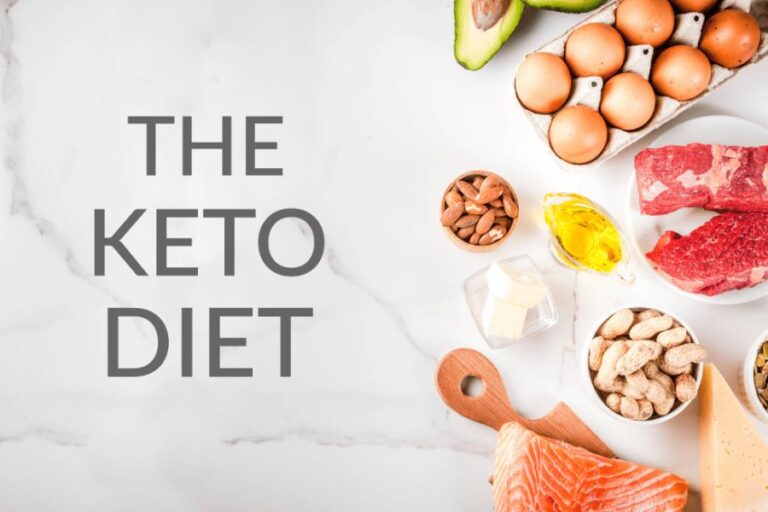
According to a 2024 overview from Healthline, clean keto emphasizes nutrient dense foods like grass fed beef, free range eggs, wild caught seafood, olive oil, and non starchy vegetables such as spinach, kale, broccoli, and asparagus (Healthline). Natural Force describes it as combining the nutrient density of paleo with the fat burning macros of keto to support digestion, mood, brain function, skin, and hair health (Natural Force).
Clean keto goals
On clean keto, you aim to:
- Reach and maintain ketosis
- Support long term health, not just short term weight loss
- Get enough vitamins, minerals, and fiber
- Reduce inflammation and support heart and gut health (Natural Force)
Weight loss can absolutely be part of clean keto, but it is not the only outcome you care about.
What clean keto looks like on your plate
A clean keto day might include meals like:
- Breakfast: Scrambled free range eggs cooked in olive oil with spinach and avocado
- Lunch: Grilled wild caught salmon, mixed leafy greens, cucumber, olive oil, and lemon
- Snack: A handful of raw nuts and a few olives
- Dinner: Grass fed beef burger without the bun, served with roasted broccoli and cauliflower cooked in avocado oil
This style of eating gives you healthy fats, quality protein, and plenty of micronutrients to support your energy and overall health.
What is dirty keto
Dirty keto, often called lazy keto, is all about the numbers. As long as you keep carbs very low and stay in the typical keto macro range, you can eat almost anything that fits your carb limit.
Natural Force notes that dirty keto focuses on hitting macros like 70 percent fat, 25 percent protein, and 5 percent carbohydrates, regardless of food quality (Natural Force). Healthline describes this style as relying heavily on highly processed and packaged foods that fit your macros but are low in essential nutrients and often high in sodium (Healthline).
Dirty keto goals
If you lean toward dirty keto, your focus is usually:
- Getting into ketosis as quickly and easily as possible
- Losing weight with minimal meal prep
- Enjoying convenience foods that feel familiar
You are less concerned with ingredient lists and more concerned with carb counts.
What dirty keto looks like on your plate
A dirty keto day might look like:
- Breakfast: Fast food sausage, cheese, and egg without the muffin
- Lunch: Breadless bacon cheeseburger with processed cheese and a side of cheese chips
- Snack: Packaged keto donuts or bars and a sugar free energy drink
- Dinner: Frozen chicken tenders coated in low carb breading with a small side salad
These foods can keep your daily carbs low enough for ketosis, but they often come with preservatives, additives, and industrial oils that are not ideal for long term health (Natural Force).
Side by side comparison
To see clean keto vs dirty keto more clearly, it helps to compare them directly.
| Aspect | Clean keto | Dirty keto / lazy keto |
|---|---|---|
| Main focus | Food quality and nutrient density plus ketosis | Hitting macro ratios and staying in ketosis, no matter the food source |
| Typical foods | Grass fed beef, free range eggs, wild caught seafood, olive oil, non starchy vegetables | Fast food without buns, processed deli meats, keto desserts, packaged snacks |
| Micronutrients | Higher in vitamins and minerals from whole foods (Healthline) | Often low, linked to deficiencies in calcium, magnesium, zinc, folic acid, and vitamins C, D, and K (Healthline) |
| Fiber | Higher, from low carb vegetables and some nuts and seeds (Natural Force) | Often low, which can worsen constipation and gut issues |
| Fats | Emphasis on monounsaturated and polyunsaturated fats, avoids most trans fats and industrial oils | Heavy use of processed meats, cheeses, and industrial seed oils |
| Health impact | Supports heart, gut, and brain health, and may reduce disease risk (Healthline) | May increase inflammation and raise risk of issues like high blood pressure over time (Healthline) |
| Sustainability | More sustainable long term for health and energy | Easier short term, but often hard on long term health and energy levels |
Both styles can result in fat loss, but the way you feel and function can look very different.
Nutrient differences that matter
One of the biggest differences between clean and dirty keto is nutrient intake. A dirty keto diet that relies on processed foods is associated with deficiencies in:
- Calcium
- Magnesium
- Zinc
- Folic acid
- Vitamins C, D, and K
Healthline notes that these nutrients are often lacking on dirty keto because processed foods tend to have fewer micronutrients. Your body also tends to absorb nutrients better from whole foods than from heavily processed products (Healthline).
On clean keto you:
- Get more vitamins and minerals from vegetables, high quality proteins, and healthy fats
- Support immune function, mood, and bone health
- Help protect your skin, hair, and nails
Natural Force highlights that this nutrient rich approach is one reason many experts view clean keto as superior for long term wellness (Natural Force).
Fiber and digestion on keto
If you have heard about constipation on keto, fiber is usually the missing piece. Dirty keto tends to push vegetables aside in favor of meat, cheese, and packaged snacks. Clean keto does the opposite and encourages plenty of low carb, high fiber vegetables such as:
- Spinach
- Kale
- Broccoli
- Asparagus
Natural Force notes that higher fiber intake on clean keto:
- Helps prevent constipation
- Improves satiety so you feel full longer
- Supports stable blood sugar
- Can help reduce daily food intake, which may support weight loss (Natural Force)
If you want your keto diet to feel comfortable and sustainable, vegetables and fiber are key.
Fats and inflammation
Not all fats affect your body the same way. Clean keto prioritizes:
- Monounsaturated fats, for example olive oil and avocado
- Polyunsaturated fats from fatty fish and some nuts and seeds
At the same time, you aim to limit:
- Trans fats
- Highly processed industrial oils like some forms of vegetable and canola oil
Natural Force explains that these processed fats can promote inflammation and may raise the risk of heart disease and type 2 diabetes when eaten often (Natural Force).
Dirty keto makes it easy to overdo:
- Processed meats such as bacon, sausage, deli meats
- Fast food cooked in industrial oils
- Packaged snacks made with refined oils and additives
Over time that pattern can work against your heart and metabolic health, even if your weight is going down.
Weight loss and how you feel
Both clean keto and dirty keto can lead to weight loss because:
- Carbs stay very low, so your body burns fat for fuel
- Many people naturally eat fewer calories when they cut out high carb foods
However, your experience along the way often differs.
On clean keto you are more likely to:
- Have steadier energy
- Experience fewer cravings
- Support clearer thinking and mood
- Notice improvements in skin and hair, thanks to better nutrient intake (Natural Force)
On dirty keto you might still lose weight, but you may also be more likely to experience:
- Fatigue and brain fog
- Constipation
- Sleep disruption
- Rebound weight gain when you stop the diet (Natural Force)
These differences are not guaranteed, but they are common patterns that show why food quality matters even when carbs are low.
Long term health considerations
A key question to ask yourself is not only, “Will this help me lose weight” but also, “How will I feel if I eat like this for years”
Research summarized by Healthline suggests that clean keto can help lower disease risk compared to more processed approaches because it focuses on nutrient dense whole foods and non starchy vegetables (Healthline). Dirty keto tends to be higher in sodium and low in micronutrients, and over time that pattern is linked with issues such as:
- High blood pressure
- Poor heart health
- Increased inflammation (Healthline)
Many experts favor clean keto over dirty keto for exactly this reason. Natural Force notes that clean keto can be more sustainable for long term health, while dirty keto is more often a short term, convenience driven strategy (Natural Force).
When dirty keto might still fit
Even if you prefer clean keto most of the time, there are situations when dirty keto style choices can be practical, such as:
- Traveling with limited food options
- Attending social events where you have little control over the menu
- Very busy weeks when cooking from scratch is not realistic
Natural Force suggests an 80/20 approach, where you follow clean keto most of the time but allow occasional dirty keto choices for convenience. The key is making those the exception, not the rule, and returning to whole foods as soon as it is realistic for you (Natural Force).
How to shift from dirty to clean keto
If you are already on dirty keto, you do not have to overhaul everything overnight. You can improve your diet by making a few simple swaps.
Step 1: Upgrade your fats
- Replace industrial seed oils with olive oil, avocado oil, or coconut oil
- Choose avocados, nuts, and seeds instead of cheese chips or keto pork rinds some of the time
Step 2: Add vegetables to every meal
Aim to fill at least one third of your plate with non starchy vegetables, for example:
- Leafy greens
- Broccoli or cauliflower
- Zucchini or asparagus
You will still stay keto, but your fiber and micronutrient intake will improve.
Step 3: Improve your protein sources
When possible, choose:
- Grass fed or leaner cuts of beef
- Free range eggs
- Wild caught fish
- Less processed cuts of poultry or pork
Try to rely less on heavily processed deli meats and breaded products.
Step 4: Treat packaged keto foods as extras
You do not have to give them up completely, but treat them like convenience tools instead of everyday staples. For example:
- Keep keto bars for emergencies rather than daily snacks
- Save keto desserts for special occasions
This small mindset shift helps you naturally move closer to a clean keto pattern.
Deciding what works for you
When you weigh clean keto vs dirty keto, ask yourself:
- How important is long term health compared with quick convenience
- How do you want to feel day to day, not just what you want to weigh
- How much time can you realistically spend cooking or prepping food
If your main goal is better health, more stable energy, and sustainable weight loss, a clean keto or mostly clean keto approach is likely the better fit. Dirty keto can be useful in short bursts or specific situations, but it is less ideal as your default.
You do not need to be perfect. Start with one small upgrade, such as swapping a processed snack for a handful of nuts and some cucumber slices, or adding a serving of leafy greens to your dinner. Those steady, realistic changes are what move you toward a version of keto that not only changes your weight, but also supports your overall health.
About the Author