Understand intermittent fasting vs keto
If you are comparing intermittent fasting vs keto for weight loss and better health, it helps to know that they work in very different ways. Intermittent fasting focuses on when you eat. The ketogenic, or keto, diet focuses on what you eat.
Both strategies can influence your metabolism, body weight, and energy, and both can help you reach ketosis under some conditions. However, they also come with side effects and are not right for everyone. The research below highlights how each approach works, what you can realistically expect, and how to decide which, if either, fits your life.
What ketosis is and why it matters
Many people look at intermittent fasting vs keto because both can affect ketosis.
Ketosis is a metabolic state where your body burns fat for fuel instead of glucose. In ketosis, your liver produces ketones that become a main energy source for both your body and brain (Cleveland Clinic).
You usually reach ketosis when:
- Carbohydrate intake is very low
- Stored glucose (glycogen) in your liver and muscles is depleted
- Your body turns to fat breakdown and ketone production for energy
Ketosis is not automatically good or bad. It is simply a state your body can enter under certain conditions, such as strict carbohydrate restriction, prolonged fasting, or a combination of both.
Potential benefits of ketosis include:
- Reduced hunger and cravings
- Greater use of visceral fat stores for energy
- Possible improvements in focus and energy due to ketone-based brain fuel and reduced inflammation (Cleveland Clinic)
At the same time, prolonged or poorly managed ketosis can lead to side effects that you need to understand before diving in.
How the keto diet works
When you compare intermittent fasting vs keto, the keto diet is the one that most directly targets ketosis.
A classic ketogenic diet is:
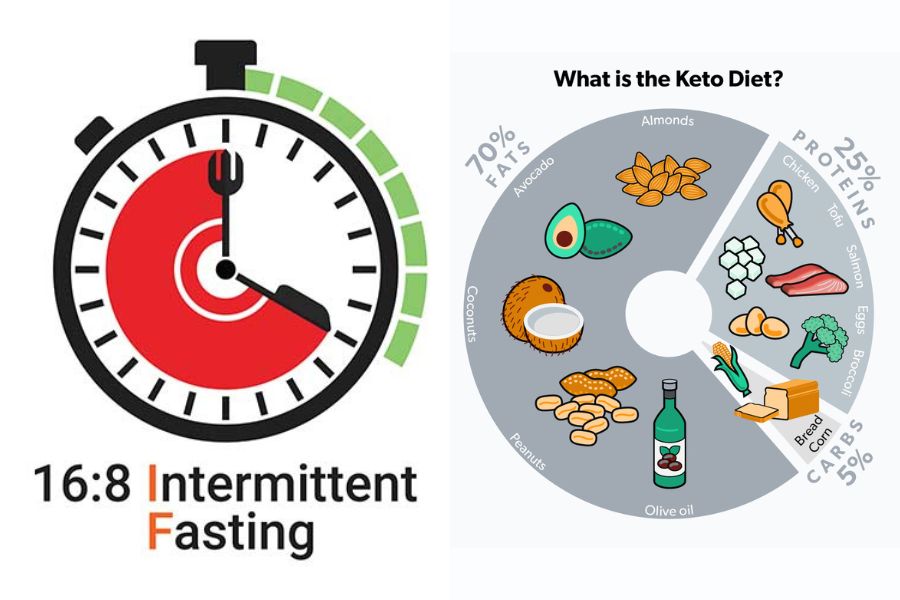
- High in fat, usually about 70 to 80 percent of your daily calories
- Moderate in protein, around 10 to 20 percent
- Very low in carbohydrates, typically 5 to 10 percent or under about 50 grams of carbs per day (Cleveland Clinic)
By sharply limiting carbs, you give your body little choice but to burn fat and produce ketones. This metabolic shift, known as ketogenesis, is what defines nutritional ketosis (The American Journal of Case Reports).
What keto can do for weight loss
Research suggests that keto can support weight loss, but often for more basic reasons than people expect:
- When you cut nearly all high carb foods, you may naturally eat fewer overall calories.
- Ketones have a diuretic effect, so you lose water weight quickly in the first week or two (Culina Health).
- Protein and fat can be more filling for some people, which may reduce snacking.
Studies that compare ketogenic diets to higher carb diets with the same number of calories find no major difference in fat loss. In other words, most of the weight loss advantage comes from the calorie deficit and water loss, not from a unique fat burning superpower (Culina Health).
Keto may also improve visceral fat loss and help preserve lean mass, at least in the short term, while reducing hunger for some people (Cleveland Clinic).
Potential health benefits and limits
Beyond the scale, keto and the resulting ketosis can:
- Improve blood sugar and insulin levels in some people, especially if you have insulin resistance
- Support brain energy and possibly mental clarity through ketone fuel
- In animal studies, improve muscle mitochondria, strength, endurance, learning, memory, and lifespan when compared to simply low carbohydrate diets, largely due to ketones like beta hydroxybutyrate (UC Davis Health)
However, most of the more dramatic benefits come from animal research. The same long term outcomes are not yet confirmed for humans.
Side effects and risks of keto
On the downside, a ketogenic diet can cause:
- “Keto flu” in the first days or weeks, with symptoms like headache, fatigue, upset stomach, and irritability
- Keto breath, which can smell fruity or like nail polish remover
- Constipation, because many higher fiber foods are limited on strict keto
- Challenges with long term adherence and social eating due to the level of restriction (Cleveland Clinic)
Longer-term and more serious risks can include:
- Kidney stones and nutrient deficiencies if your food choices are narrow (Culina Health)
- Possible increases in cholesterol and weaker bones, as seen in animal studies (UC Davis Health)
- Ketoacidosis, a dangerous condition where ketone levels and blood acidity rise too high, especially if you have type 2 diabetes, use certain medications, or combine keto with prolonged fasting or very low calories (The American Journal of Case Reports)
A case study reported a 60 year old man with well controlled type 2 diabetes who developed starvation ketoacidosis after combining strict keto with extended fasting. He presented with nausea, vomiting, and fainting (The American Journal of Case Reports).
If you have diabetes, kidney disease, a history of eating disorders, or other chronic conditions, you should not attempt a keto diet without medical supervision.
How intermittent fasting works
Intermittent fasting differs from keto in one key way. Instead of focusing on what you eat, it focuses on when you eat.
Common intermittent fasting patterns include:
- Alternate day fasting. Fasting every other day or eating very little on fasting days.
- Periodic fasting. Methods like 5:2, where you eat normally five days per week and eat very few calories on two nonconsecutive days.
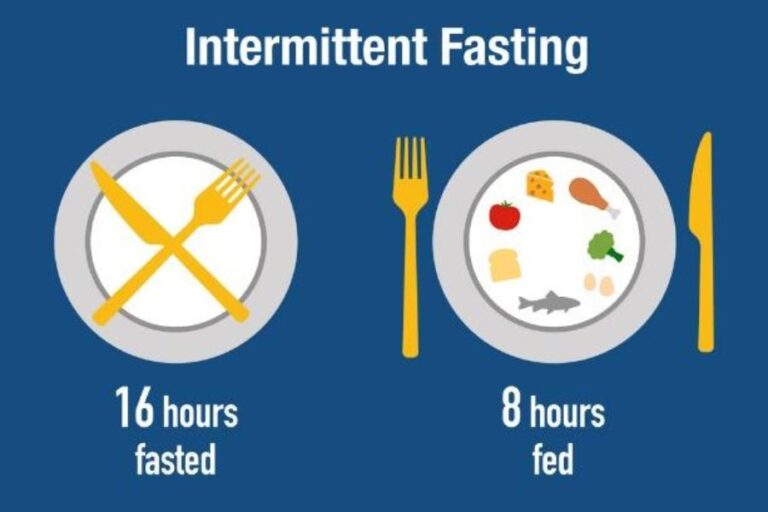
- Time restricted eating. For example, 16:8, where you fast for 16 hours and eat within an 8 hour window every day (Culina Health).
You can, in theory, eat any type of food while following an intermittent fasting schedule. Your results mostly depend on your overall calorie intake and food quality.
Intermittent fasting and weight loss
Research suggests that intermittent fasting is, in many ways, another route to a calorie deficit.
A 2019 review found that intermittent fasting and continuous calorie restriction produced similar weight and fat loss when total calories were equal. In other words, the timing of your meals was less important than the total calories you ate (Culina Health).
For some people, time restricted eating makes it easier to:
- Eat fewer total calories without tracking
- Reduce evening snacking
- Follow a simple, repeatable structure each day
However, if you compensate by overeating during your eating window, you may not lose weight.
Health effects beyond the scale
Intermittent fasting can also affect your metabolism, especially through a protein called mTOR, which helps regulate growth, metabolism, and response to nutrients.
Research from UC Davis suggests that chronic overconsumption of processed, carbohydrate rich foods can keep mTOR activity high. This can contribute to insulin resistance and chronic inflammation. Eating patterns that lower mTOR activity when you are at rest, like time restricted feeding or modest calorie restriction, may improve your metabolic flexibility and help your body respond better to stressors such as infections (UC Davis Health).
Other potential effects of intermittent fasting include:
- Periods of low insulin that may improve insulin sensitivity for some people
- Some ketone production towards the end of longer fasts, although usually not as high as on a strict keto diet (UC Davis Health)
A balanced diet that includes carbohydrates, protein, and fat, paired with either a modest calorie deficit or a longer fasting window, roughly 17 hours per day in some research, can both lower baseline mTOR activity. These approaches can be effective but are often difficult for people to maintain (UC Davis Health).
Side effects and risks of intermittent fasting
Intermittent fasting is not risk free. Potential downsides include:
- Difficulty regulating blood sugar in some people, especially if you have diabetes or take medications that affect glucose levels (Culina Health)
- Headaches, fatigue, or irritability when you begin fasting or if you do not hydrate well
- Overeating or choosing less nutritious foods during eating windows if you arrive very hungry
- Potential impact on energy, mood, or hormones if you consistently fast too aggressively
If you have a history of disordered eating, are pregnant or breastfeeding, or have chronic health conditions, you should speak to your healthcare provider before trying intermittent fasting.
Intermittent fasting vs keto for ketosis
You might be weighing intermittent fasting vs keto specifically to reach ketosis. Both can affect ketone levels, but they do so differently.
How keto affects ketosis
- Keto is designed to keep you in ketosis most of the time.
- By keeping carbs extremely low and fat high, you encourage your liver to continually produce ketones.
- Therapeutic levels of ketones, which are sometimes used clinically under supervision, are more likely with strict ketogenic diets than with fasting alone (UC Davis Health).
How intermittent fasting affects ketosis
- During a fast, your body gradually depletes stored glucose and begins increasing ketone production.
- In a typical 16:8 routine, you may begin to produce more ketones near the end of the 16 hour fast.
- However, intermittent fasting usually does not reach the higher, sustained ketone levels that are common on a strict keto diet, especially if your eating window includes moderate or higher carbohydrate intake (UC Davis Health, Cleveland Clinic).
That said, intermittent fasting can still support some of the same metabolic benefits that people associate with ketosis, such as better insulin sensitivity and improved metabolic flexibility, even if ketone levels are lower.
Intermittent fasting vs keto for weight loss
Deciding between intermittent fasting vs keto for weight loss comes down to what you can stick with and what fits your health status.
What research says about weight loss
- Keto: Most weight loss seems to come from reduced calorie intake and early water loss. When calories are matched, higher carb and keto diets show similar fat loss (Culina Health).
- Intermittent fasting: Produces weight loss that is comparable to traditional calorie restriction as long as total calories are similar (Culina Health).
UC Davis experts also emphasize that nutrition generally has a stronger impact on body weight than exercise alone. Eating an extra 100 calories is easier than burning 100 calories by running a mile, which highlights the central role of food choices and intake in weight management (UC Davis Health).
Practical factors that affect your results
Your real world results with either approach depend on:
- Total daily and weekly calories
- Food quality, such as whole foods versus highly processed foods
- Your sleep, stress levels, and activity
- Your underlying health conditions and medications
- How sustainable the pattern feels for you
If you are comfortable planning your meals and you enjoy high fat, low carb foods, keto may feel manageable. If you prefer flexibility in what you eat but like structure around when you eat, intermittent fasting may feel easier to maintain.
Comparing benefits and risks side by side
This simple comparison can help you see how intermittent fasting vs keto measure up.
| Aspect | Ketogenic diet (keto) | Intermittent fasting |
|---|---|---|
| Primary focus | What you eat, very low carb, high fat | When you eat, structured fasting and eating windows |
| Typical goal | Maintain nutritional ketosis most of the time | Create a calorie deficit, improve metabolic rhythms |
| Effect on ketones | Often higher, more sustained ketone levels | Modest ketone rise towards end of fast, usually lower than strict keto (UC Davis Health) |
| Weight loss mechanism | Mainly calorie reduction and early water loss, similar fat loss to higher carb diets with equal calories (Culina Health) | Calorie reduction from shorter eating window, similar fat loss to continuous restriction (Culina Health) |
| Short term side effects | Keto flu, keto breath, constipation (Cleveland Clinic) | Hunger, low energy, headaches, irritability when adapting |
| Long term concerns | Nutrient gaps, kidney stones, potential cholesterol increase, possible bone impact, risk of ketoacidosis in vulnerable people (Culina Health, The American Journal of Case Reports, UC Davis Health) | Blood sugar swings in some groups, risk of overeating in eating window, not suitable for everyone |
| Ease of social eating | Often difficult due to carb limits | More flexible, depends on schedule rather than specific foods |
| Best suited for | People comfortable with strict carb limits and high fat intake, with medical supervision if they have chronic conditions | People who prefer simple time rules and a more varied diet, again with medical guidance if they have health issues |
When combining intermittent fasting and keto might make sense
You might wonder if you can mix intermittent fasting vs keto for even better results. In some cases, people do use both together.
For example:
- Following a keto diet to keep carbs very low
- Using a 16:8 schedule to accelerate entry into ketosis and simplify eating times
Intermittent fasting may help you enter ketosis faster when you are also following a ketogenic diet (Cleveland Clinic). However, combining both strategies also increases the level of restriction and could raise the risk of side effects.
Research reports that ketogenic diets paired with prolonged fasting or very low calorie intake can contribute to serious problems like ketoacidosis, electrolyte imbalances, hypoglycemia, acute pancreatitis, and dyslipidemia, especially in people with type 2 diabetes or other comorbidities (The American Journal of Case Reports).
If you consider combining keto and intermittent fasting, it is wise to:
- Talk with your healthcare provider first
- Avoid extreme fasting durations and severe calorie restriction
- Monitor how you feel and get regular lab work if recommended
How to choose the right approach for you
To decide between intermittent fasting vs keto, start with your goals, health history, and daily life.
Questions to ask yourself
Consider the following:
-
Do you have any chronic conditions, such as diabetes, kidney disease, liver disease, or a history of eating disorders?
-
If yes, you should always consult your healthcare provider before starting either approach.
-
Do you prefer clear rules about what you can eat, or do you want more flexibility in your food choices?
-
If you like clear food rules and enjoy high fat foods, keto might feel more natural.
-
If you prefer variety but like structure around time, intermittent fasting may fit better.
-
How social is your eating routine?
-
Frequent restaurant meals, holidays, and family gatherings can be harder on strict keto.
-
Intermittent fasting may be easier to adapt to social plans by shifting your eating window.
-
Are you comfortable making long term changes, not just short term fixes?
-
Both approaches can be challenging to maintain for months or years.
-
A more moderate, balanced diet with slight calorie reduction or gentle time restriction may be easier to stick with over the long term (UC Davis Health).
A practical starting point
If you do not have contraindications and your healthcare provider agrees that either method is acceptable for you, one practical approach can be:
- Prioritize food quality
- Shift gradually toward whole foods, lean or moderate protein, healthy fats, and plenty of non starchy vegetables.
- Reduce sugary drinks, sweets, and heavily processed snacks.
- Consider a mild form of time restriction
- For example, limit eating to a 10 to 12 hour window that you can realistically maintain, instead of jumping straight into 16:8.
- Adjust carbs slowly
- If you are interested in keto, start by reducing refined carbs and added sugars before attempting very low carb levels.
- Monitor how your body feels and consider lab tests if you stay low carb for extended periods.
- Watch how your body responds
- Track your energy, hunger, mood, and sleep.
- If you notice worrying symptoms such as extreme fatigue, dizziness, nausea, or palpitations, contact your healthcare provider.
Key takeaways
- Keto focuses on what you eat, very low carb and high fat, to keep you in ketosis. Intermittent fasting focuses on when you eat, through structured fasting and eating windows.
- Both can support weight loss, but research suggests most of the effect comes from calorie reduction rather than a special metabolic trick.
- Keto usually produces higher ketone levels and may offer unique benefits, but it also carries more potential risks and is harder to sustain for many people (Cleveland Clinic, UC Davis Health).
- Intermittent fasting provides a flexible framework that can work with a balanced diet, though it may not reach the same therapeutic ketone levels as strict keto.
- Both approaches can have side effects and are not appropriate for everyone. If you have existing health issues, medications, or a history of disordered eating, professional guidance is essential.
If you decide to try intermittent fasting vs keto, or a gentler combination of both, start slowly, listen to your body, and work with a healthcare professional who understands your history and goals. This way, you can explore these strategies safely and focus on changes you can live with, not just quick fixes.
About the Author