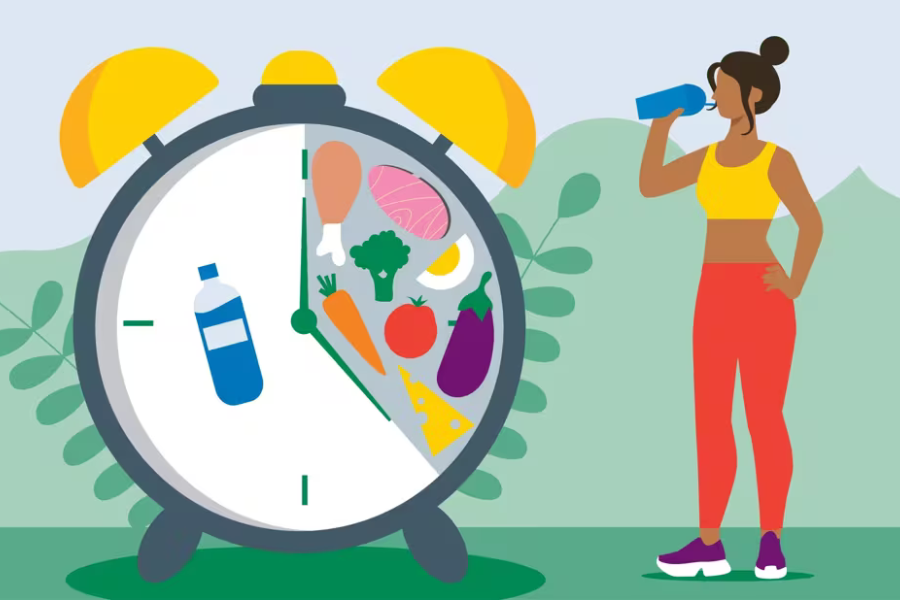
Understand intermittent fasting and insulin resistance
If you have heard that intermittent fasting can help with weight loss and blood sugar, you might wonder how it affects insulin resistance specifically. The relationship between intermittent fasting and insulin resistance is nuanced. Some studies show improvements in insulin sensitivity, others show little or no change when calories stay the same. Understanding what actually drives the benefits will help you decide if this eating pattern makes sense for you.
Insulin resistance happens when your cells stop responding well to insulin, so your body needs more of it to move sugar from your blood into your cells. Over time this can lead to prediabetes and type 2 diabetes. Intermittent fasting changes when you eat rather than exactly what you eat. Depending on how you do it, it can support better insulin sensitivity, or make little difference.
How intermittent fasting works
Intermittent fasting is not one single diet. It is an umbrella term for eating patterns that alternate between periods of eating and periods of not eating or eating very little. Common approaches include:
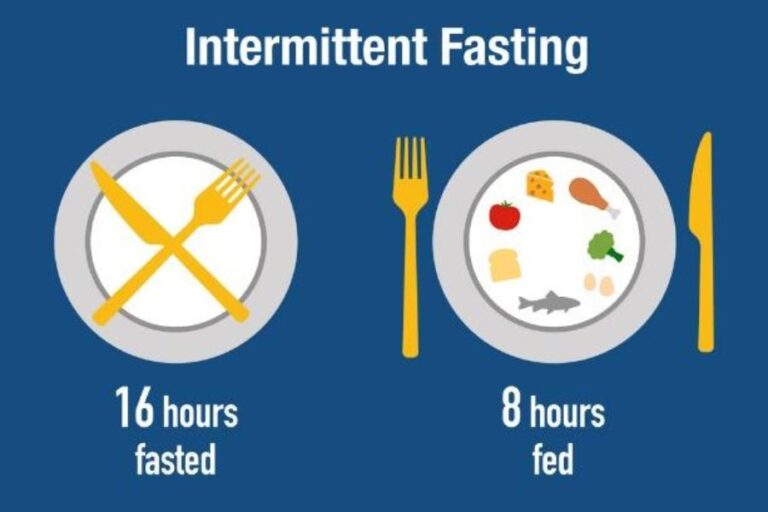
- 16:8 time restricted eating, where you fast for 16 hours and eat within an 8 hour window
- Early time restricted feeding, such as eating within 6 hours and finishing by mid afternoon
- Alternate day or modified fasting, which cycles very low calorie days with regular eating days
When you extend the time between meals, your body eventually runs through most of the glucose from your last meal. After about 10 to 12 hours, you start to shift toward using stored fat for energy, a process called metabolic switching (Mass General Brigham, Johns Hopkins Medicine). This switch in fuel source is one way intermittent fasting may help reduce insulin resistance.
What research says about insulin resistance
Not all intermittent fasting studies show the same results, which is why you often see conflicting headlines. A closer look reveals some useful patterns.
When meal timing alone is not enough
In the ChronoFast study from the German Institute of Human Nutrition and Charité in Berlin, women with overweight followed an eight hour time restricted eating window for two weeks. Their calorie intake was kept constant. In this short trial, the eating window did not improve insulin sensitivity or other metabolic markers compared with a control schedule (ScienceDaily).
Researchers concluded that many earlier benefits reported with time restricted eating were likely due to people unintentionally eating fewer calories, not the shorter eating window by itself (ScienceDaily). In other words, timing alone, without a calorie change, may not be enough to meaningfully shift insulin resistance for everyone.
When earlier eating seems to help
On the other hand, some studies suggest that when you eat might matter, especially if you align meals earlier in the day.
A five week randomized controlled feeding trial at Pennington Biomedical Research Center tested early time restricted feeding in men with prediabetes. Participants ate all their food within six hours, finishing by 3 pm. They did not lose weight because their calorie intake was matched to a control schedule.
Even without weight loss, this early schedule:
- Improved insulin sensitivity and beta cell responsiveness
- Reduced fasting insulin by about 3.4 mU/L
- Lowered post meal insulin levels by 26 to 35 mU/L
- Decreased systolic blood pressure by 11 mm Hg and diastolic by 10 mm Hg
- Reduced oxidative stress markers by about 14 percent
These changes suggest better insulin resistance and cardiometabolic health in men with prediabetes (Pennington trial, PMC).
When weight loss plays a central role
Across many studies, improvements in insulin resistance are often tied to weight loss. A review highlighted that intermittent fasting can reduce fasting insulin levels and insulin resistance, especially when it leads to losing weight. That may support conditions like type 2 diabetes, polycystic ovary syndrome, and fatty liver disease (Mass General Brigham).
A meta analysis of 10 randomized controlled trials in people with impaired glucose and lipid metabolism found that intermittent fasting diets:
- Reduced fasting blood glucose by 0.15 mmol/L
- Reduced insulin levels by 13.25 mU/L on average
- Lowered HOMA IR, a measure of insulin resistance, by 0.31
- Produced clinically meaningful weight loss, including lower body weight and waist circumference
- Improved cholesterol and triglycerides
- Modestly lowered blood pressure (International Journal of Endocrinology, PMC)
Taken together, this suggests that intermittent fasting can improve insulin resistance, but the benefit is often strongest when it helps you reduce overall calorie intake and achieve some weight loss.
Intermittent fasting for type 2 diabetes and prediabetes
If you already have insulin resistance, prediabetes, or type 2 diabetes, you may be particularly interested in whether intermittent fasting is safe and helpful.
Blood sugar and weight outcomes
A 6 month clinical trial funded by the NIH followed people with type 2 diabetes who practiced time restricted eating between noon and 8 pm. Compared with a group that used calorie restriction and another control group, participants who followed the intermittent fasting schedule:
- Lost about 3.6 percent of their body weight
- Had similar improvements in average blood glucose levels as the calorie restriction group
- Reduced waist circumference
- Found intermittent fasting easier to follow than traditional calorie counting (NIH Research Matters)
The study also noted that diabetes medications sometimes needed adjustment, so medical guidance is important if you use insulin or certain oral drugs.
The International Diabetes Federation notes that fasting can reduce the risk of type 2 diabetes, improve insulin sensitivity, and lower blood pressure when done safely. A 16 hour fast with an 8 hour eating window may help lower blood glucose and support short term weight loss, both of which are linked to better insulin resistance (IDF).
There is also evidence that intermittent fasting can contribute to diabetes remission in some people. That likely happens through changes in glucose and fat metabolism, including mobilizing fat from the liver, pancreas, and visceral areas, and creating ketones when glucagon rises during fasting (IDF).
Safety considerations for diabetes
If you live with diabetes or significant insulin resistance, you need to be careful with any fasting pattern. The IDF and Johns Hopkins experts both emphasize that:
- Large changes in food and fluid intake can trigger complications
- Very long fasting periods, such as 24 to 72 hours, may be dangerous and might even encourage your body to store fat instead of burning it (Johns Hopkins Medicine)
- You should speak with your healthcare provider before you start intermittent fasting, especially if you take medications that lower blood sugar
For some people, fasting can cause side effects like anxiety, nausea, or low blood sugar episodes. A customized plan and monitoring make it safer to explore intermittent fasting for insulin resistance (Johns Hopkins Medicine).
How intermittent fasting may improve insulin resistance
While studies vary, several mechanisms appear again and again when intermittent fasting improves insulin resistance.
Metabolic switching and fat use
When you go long enough between meals, you burn through stored glucose and begin using fatty acids and ketones for energy. This metabolic switching:
- Reduces the constant need for high insulin levels
- Encourages your body to use stored fat, especially around the abdomen and internal organs
- Can improve insulin sensitivity as body weight and visceral fat decrease
Mass General Brigham and Johns Hopkins both describe this shift from glucose to fat as a central benefit of intermittent fasting for metabolic health (Mass General Brigham, Johns Hopkins Medicine).
Lower insulin levels across the day
Many trials show that intermittent fasting schedules, especially early time restricted feeding, reduce fasting insulin and post meal insulin levels even when weight stays the same (Pennington trial, PMC). Lower insulin needs give your insulin receptors some rest, which can gradually improve their responsiveness.
Possible effects on inflammation and cell health
Some animal and cellular studies suggest that intermittent fasting may:
- Enhance autophagy, the process your body uses to clear damaged cells
- Reduce certain inflammatory signals
This cellular cleanup might support better metabolic health and help counter insulin resistance, although more human data are needed to be sure how strong this effect is (Mass General Brigham).
Limitations and what we still do not know
It is important to keep expectations realistic. Intermittent fasting is not a cure for insulin resistance. It is one tool among many that may help.
From the ChronoFast trial and other work, researchers point out that:
- Short term time restricted eating without calorie reduction may not significantly change blood sugar, insulin resistance, or cholesterol in everyone (ScienceDaily)
- Meal timing can shift your internal clock and sleep times by roughly 40 minutes, but that shift alone did not translate into better insulin sensitivity in that study (ScienceDaily)
- Overall calorie balance is still key. If you eat too much during your eating window, you may not see the improvements you hope for
Researchers are still exploring whether combining time restricted eating with calorie reduction, or tailoring schedules by chronotype and genetics, could lead to stronger benefits for insulin resistance and metabolic health (ScienceDaily).
Choosing an intermittent fasting style
If you decide to try intermittent fasting for insulin resistance, your goal is to pick a pattern that fits your life, supports a healthy calorie intake, and feels sustainable.
Compare common approaches
Below is a simple overview of several approaches and how they relate to insulin resistance based on current evidence.
| Approach | Typical schedule | What research suggests for insulin resistance | Key considerations |
|---|---|---|---|
| 16:8 time restricted eating | 16 hours fasting, 8 hour eating window | Can support weight loss and lower blood glucose when it leads to fewer calories and healthier food choices (Mass General Brigham, IDF) | Flexible timing, but late night eating may be less beneficial |
| Early time restricted feeding (eTRF) | 6 to 8 hour window ending mid afternoon | Improved insulin sensitivity and lower insulin levels even without weight loss in men with prediabetes (Pennington trial, PMC) | Requires earlier dinners or skipping dinner, may be socially challenging |
| Noon to 8 pm eating window | 16 hour fast, lunch to evening | In people with type 2 diabetes, improved weight and blood sugar similar to calorie restriction over 6 months (NIH Research Matters) | Often easier to follow, but may not align with early morning appetite |
| Alternate day or modified fasting | Very low calorie days alternating with normal days | Can improve weight, insulin levels, and lipids in some studies (International Journal of Endocrinology, PMC) | Fasting days may feel difficult, careful planning needed for diabetes medications |
Questions to ask yourself
Before you commit to a schedule, it can help to consider:
- When are you naturally most hungry
- What eating window fits your work and family life
- How you will keep overall food quality high during eating times
- Whether you can limit very late night eating, which may work against your goals
- If you take medications that affect blood sugar and need medical guidance
Practical tips to get started safely
If intermittent fasting seems like a good fit for you and your healthcare provider agrees, you can start gradually and pay attention to how your body responds.
Start gently
- Begin with a 12 hour overnight fast, for example from 7 pm to 7 am
- After a week or two, extend to a 14:10 or 16:8 schedule if you feel well
- Consider shifting your window earlier, such as 9 am to 5 pm or 10 am to 6 pm, if your schedule allows, since early eating may offer extra insulin sensitivity benefits
Focus on what you eat
Intermittent fasting is more powerful when you pair it with balanced, nutrient dense meals. During your eating window, aim for:
- Plenty of non starchy vegetables and some fruit
- Lean protein sources such as fish, poultry, tofu, beans, or eggs
- Healthy fats from olive oil, nuts, seeds, and avocado
- High fiber carbohydrates such as lentils, oats, and whole grains
This combination supports stable blood sugar, helps you feel fuller, and makes it easier to maintain a modest calorie deficit if weight loss is part of your plan.
Watch for warning signs
As you experiment with intermittent fasting for insulin resistance, keep an eye on:
- Dizziness, shakiness, or sweating that suggests low blood sugar
- Extreme fatigue, irritability, or difficulty concentrating
- Headaches that do not improve with hydration
- Worsening sleep or increased nighttime eating urges
If you notice these symptoms, shorten your fasting window, adjust your meal composition, or pause and check in with your healthcare provider. This is especially important if you have diabetes or take medicines that can cause low blood sugar.
Who should be cautious or avoid fasting
Intermittent fasting is not right for everyone. You should speak with a healthcare professional before trying it if you:
- Have type 1 diabetes or advanced type 2 diabetes
- Take insulin or certain oral diabetes medications
- Have a history of eating disorders
- Are pregnant or breastfeeding
- Have chronic kidney disease or another complex medical condition
Some people may do better with regular meal patterns that still emphasize whole foods, controlled portions, and physical activity. Intermittent fasting is one tool, not the only way to address insulin resistance.
Putting it all together
Intermittent fasting and insulin resistance are closely linked in current research. Studies show that:
- Fasting patterns that create metabolic switching and, often, moderate weight loss can lower insulin levels and improve insulin sensitivity
- Early time restricted feeding can improve insulin resistance and blood pressure even without weight loss in certain groups
- Time restricted eating without any calorie change may not move the needle much for some people
- Safe fasting is especially important if you already have diabetes or use medications that affect blood sugar
If you decide to try intermittent fasting, think of it as a framework rather than a strict rulebook. Choose an eating window you can live with, pair it with nourishing foods, and work with a healthcare provider to track your blood sugar, weight, and energy. Over time, this combination can gently move you toward better insulin sensitivity and overall metabolic health.
About the Author