A heart healthy eating plan might sound complicated, but the DASH diet keeps things surprisingly simple. You focus on vegetables, fruits, whole grains, and lean proteins, and you limit salt and heavily processed foods. That is it in a nutshell, and it is exactly why the DASH diet is often recommended if you want to lose weight and protect your heart at the same time.
What the DASH diet actually is
DASH stands for Dietary Approaches to Stop Hypertension. It was developed to help treat or prevent high blood pressure by lowering sodium and boosting nutrients that support healthy blood pressure such as potassium, magnesium, and calcium (Mayo Clinic).
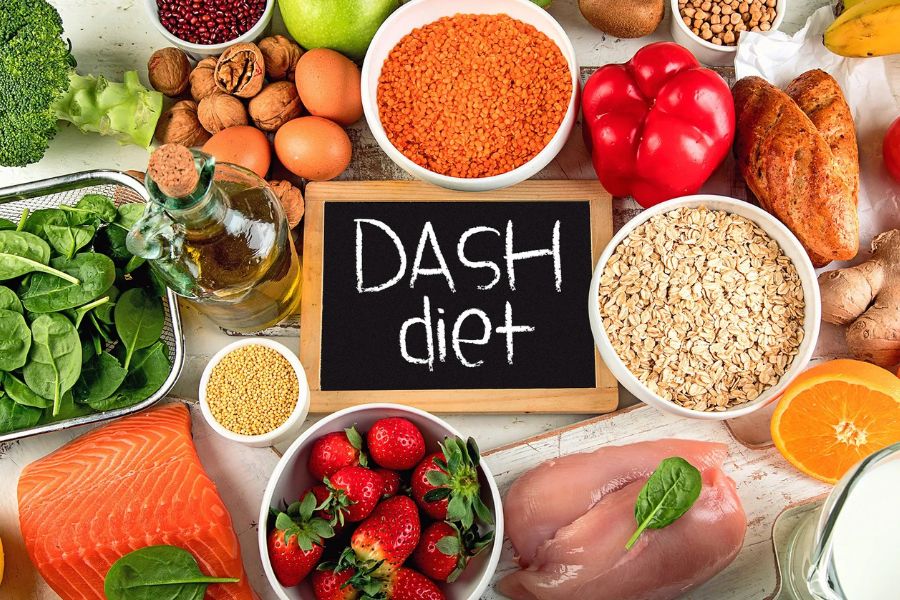
On the DASH diet, you build your meals around:
- Vegetables and fruits
- Whole grains
- Fat free or low fat dairy
- Lean proteins like fish, poultry, beans, and nuts
At the same time, you limit foods that are high in sodium, added sugars, and saturated fat, such as salty snacks, sugary drinks, fatty meats, and full fat dairy products (Mayo Clinic).
The plan is usually designed around about 2,000 calories per day, but you can adjust the portions up or down based on your own calorie needs with guidance from a health professional or dietitian (Mayo Clinic).
Why the DASH diet is so highly rated
You will see the DASH diet at the top of many “best diets” lists, and that is not an accident. It is backed by major health organizations and solid research.
The National Heart, Lung, and Blood Institute (NHLBI) explains that the DASH eating plan does not require special foods. Instead, it gives you daily and weekly nutritional goals for a 2,000 calorie a day diet that you can meet with regular grocery store items (NHLBI). This makes it more realistic to follow long term.
NHLBI also notes that the DASH diet was named the “Best Heart-Healthy Diet” and the “Best Diet for High Blood Pressure” for 2025, recognizing how effective it is for cardiovascular health (NHLBI).
In other words, you are not jumping onto a trendy quick fix. You are adopting an eating pattern created and tested by researchers and supported by government health agencies.
How the DASH diet supports weight loss
The DASH diet is not marketed as a strict weight loss program, but it often leads to weight loss because of the kinds of foods you eat and the ones you skip.
You focus on:
- High fiber vegetables, fruits, and whole grains that fill you up
- Lean protein that keeps you satisfied
- Low fat dairy that adds protein and calcium without much saturated fat
At the same time, you naturally eat fewer:
- Sugary drinks and desserts
- Fried or heavily processed foods
- Salty packaged snacks
This combination can help you create a gentle calorie deficit without counting every bite. In the PREMIER trial, people who followed the DASH diet along with lifestyle changes lost more weight and saw the greatest reductions in blood pressure compared to those who only received general advice or other counseling approaches (NHLBI).
If weight loss is your main goal, you can still follow all of the DASH principles. You would simply aim for a slightly lower daily calorie total, ideally with support from your healthcare provider so you do it safely.
Proven benefits for blood pressure and heart health
If you have high blood pressure, or you are trying to prevent it, the DASH diet is one of the best studied options you can choose.
Research supported by NHLBI showed that, compared to a typical American diet, the DASH diet significantly lowered blood pressure and LDL cholesterol, which are key risk factors for cardiovascular disease (NHLBI).
Several major studies highlight what you can expect:
- In the original DASH trial with 459 adults, following the DASH diet led to lower blood pressure and LDL cholesterol than a standard American diet (NHLBI).
- In the DASH Sodium trial with 412 adults, combining the DASH diet with reduced sodium intake provided even greater blood pressure benefits, especially for people who started with higher blood pressure (NHLBI).
- A systematic review and meta analysis of 17 randomized controlled trials involving 2,561 participants found that the DASH diet reduced systolic blood pressure by about 6.74 mmHg and diastolic blood pressure by about 3.54 mmHg, with bigger improvements in people who already had hypertension and in those on energy restricted diets (PMC).
Beyond blood pressure, DASH is associated with lower LDL cholesterol and triglycerides, improved bone mineral status, lower uric acid levels, and about a 13 percent reduction in estimated 10 year cardiovascular disease risk (PMC).
If you want one eating pattern that supports your blood pressure, cholesterol, and long term heart health in a realistic way, DASH fits that description.
What you actually eat in a day
The DASH eating plan is built around portions from several food groups. The exact number of servings you need depends on your calorie needs, and NHLBI even provides worksheets to help you compare your current habits to DASH targets and understand serving sizes (NHLBI).
For a typical 2,000 calorie day, you might see guidelines like:
- Several servings of vegetables
- Several servings of fruits
- Multiple servings of whole grains
- Two to three servings of fat free or low fat dairy
- Lean meats, poultry, or fish in moderate amounts
- Nuts, seeds, and legumes a few times per week
Because the plan focuses on pattern rather than perfection, you have flexibility. You can take your usual meals and shift them toward more vegetables, more whole grains, leaner proteins, and less salt, sugar, and saturated fat.
How much sodium you aim for
Sodium is a major part of why the DASH diet works so well for blood pressure. The standard version of DASH recommends keeping sodium under 2,300 milligrams per day, which is about one teaspoon of table salt (Mayo Clinic).
There is also a lower sodium version that limits you to 1,500 milligrams per day. NHLBI notes that this lower target lowers blood pressure more effectively than the 2,300 milligram level (NHLBI).
You do not need to decide on a number alone. It is best to talk with your healthcare provider about which level is appropriate for you, especially if you have kidney disease, heart failure, or other medical conditions that affect how your body handles sodium.
Either way, the same habits help:
- Cooking more at home so you can control the salt
- Choosing fresh or frozen vegetables instead of canned varieties packed in brine
- Checking labels and picking products labeled low sodium or no salt added
- Flavoring food with herbs, spices, citrus, and vinegar instead of relying on salt
Other lifestyle choices that boost your results
The DASH diet focuses mainly on food, but other habits can make your results even stronger.
Physical activity is one of them. In the PREMIER trial, people who combined the DASH diet with increased physical activity had the greatest drop in systolic blood pressure compared with advice only or other lifestyle strategies, including an average reduction of 11.1 mmHg in those with prehypertension or stage 1 hypertension (PMC).
Alcohol is another piece of the puzzle. While the DASH diet does not have strict caffeine rules, Mayo Clinic notes that it is smart to limit alcohol to no more than two drinks per day for men and one or less for women, because drinking more can increase blood pressure (Mayo Clinic).
So if you are adopting DASH, you will get more benefit if you also:
- Move your body most days of the week
- Keep alcohol intake in moderation
- Work on sleep and stress, which also affect blood pressure
Is the DASH diet a good fit for you
You might find the DASH diet is an especially good choice if you:
- Have high blood pressure or prehypertension
- Have a family history of heart disease or stroke
- Want to lower LDL cholesterol without an extreme diet
- Prefer regular food without strict rules or specialty products
- Want an approach that can support both weight loss and long term health
Since the DASH diet is based on everyday foods and flexible guidelines, it can be adapted to different cuisines and personal tastes. You can make it vegetarian or include meat, and you can adjust calories if you need to lose or maintain weight.
If you have existing health conditions, especially kidney disease, heart failure, or diabetes, you should talk with your healthcare provider or a registered dietitian before making big changes. They can help tailor the DASH approach, including sodium and calorie levels, to your specific needs.
Getting started with the DASH diet
You do not have to overhaul everything at once. You can ease into the DASH diet with a few simple changes:
- Add one extra serving of vegetables to your lunch or dinner
- Swap white bread or rice for whole grain versions
- Choose fresh fruit for dessert instead of something sugary
- Replace one salty snack with unsalted nuts or sliced vegetables
- Cook at home one more night each week and use herbs instead of extra salt
As these steps become routine, you can build on them and move closer to the full DASH pattern. The key is consistency. Even modest changes, if you stick with them, can support healthier blood pressure, a stronger heart, and gradual weight loss.
If you want an eating style that feels practical, uses familiar foods, and is backed by decades of research, the DASH diet is a strong candidate for your daily life.
About the Author