Understand what breaks a fast
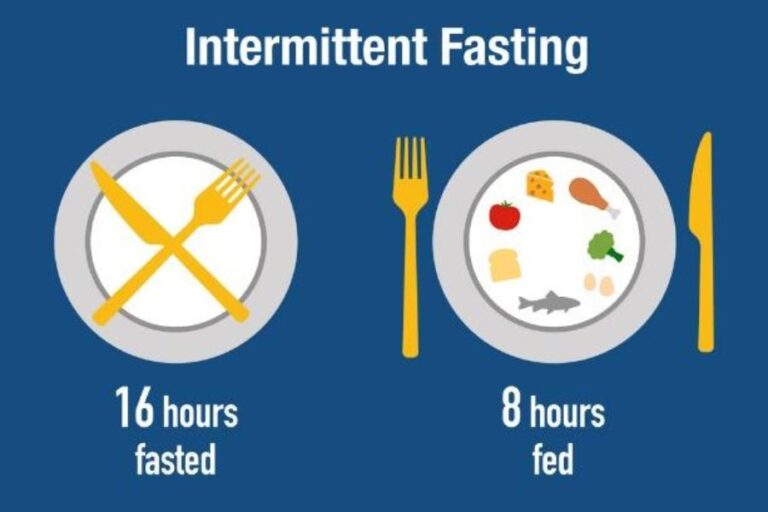
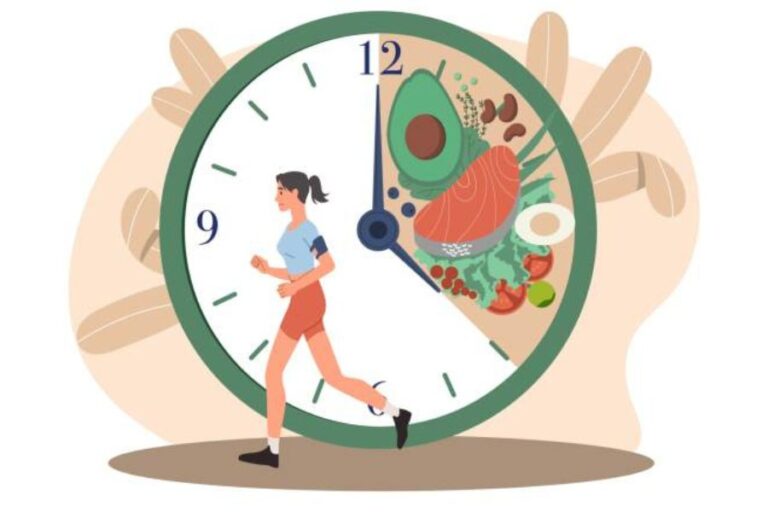
If you practice intermittent fasting, you have probably wondered about the foods that break a fast and what is actually safe to eat or drink. The short answer is that any calories technically break a fast, but what matters in practice is your goal. Are you fasting for weight loss, metabolic health, or cellular benefits like autophagy? The type and amount of food you choose can affect those outcomes differently.
Dietitians note that consuming calories provides energy and ends the fasting state from a technical standpoint (Women’s Health). At the same time, some small amounts of fat or certain drinks may not meaningfully disrupt fat burning or ketosis for weight-loss-focused fasting (Zero Longevity).
To make sense of this, it helps to separate:
- What breaks a fast in the strict, “no calories at all” sense
- What likely interrupts weight loss and blood sugar control
- What shuts down deeper benefits like autophagy and fasting-related hormone changes
Clarify your fasting goal
Before worrying about specific foods that break a fast, it helps to define why you are fasting. This shapes how strict you need to be.
Common fasting goals
- Weight loss and metabolic health
You are mainly focused on:
- Burning stored fat
- Improving insulin sensitivity
- Supporting blood sugar control
- Cellular and longevity benefits
You want to support:
- Autophagy (your body’s “cell-cleaning” process)
- Fasting-related growth hormone changes
- Deeper repair between meals
- Digestive reset and gut comfort
You are:
- Giving your digestive system a break
- Aiming to reduce bloating or discomfort
- Interested in how you feel when you reintroduce food
For all three goals, any calories count as breaking a fast in the strict sense. However, what you can “get away with” during the fasting window is different if you are focusing mostly on weight and metabolic health compared with cellular repair.
Foods and drinks that clearly break a fast
Some foods and drinks move you out of a true fast no matter what your goal is. They provide enough calories and nutrients to trigger digestion, insulin response, and a shift back to a fed state.
Calorie-containing foods and meals
These reliably break a fast:
- Regular meals or snacks of any size
- Protein-rich foods like eggs, meat, fish, poultry, dairy
- Carbohydrate-rich foods like bread, pasta, rice, fruit, sweets
- High-fat foods like cheese, butter, creamy sauces
Dietitians quoted in 2024 explain that any amount of calories technically breaks a fast, because your body begins using that energy as fuel instead of drawing primarily from stored reserves (Women’s Health).
Fats and broths consumed in the fasting window
There is some nuance here. For strict fasting and autophagy, you would avoid these. For weight loss, some people still use them.
Foods and drinks that contain calories and therefore break a fast include:
- Chicken broth and bone broth (Women’s Health)
- Oils and fats like:
- MCT oil
- Ghee
- Coconut oil
- Butter
Dietitian Jessica Cording notes that these provide calories and nutrients that your body uses for fuel, which technically ends the fasting state (Women’s Health).
However, research from Zero Longevity suggests that if your goal is primarily weight loss and metabolic health, small amounts of fats and oils, ideally about one tablespoon or less, may not significantly spike insulin or stop fat burning (Zero Longevity).
If you want deeper cellular benefits or are following a very strict fast, treat any of these as “off limits” until your eating window starts.
Protein and carbohydrate effects on autophagy
If autophagy is your focus, protein and carbs become especially important.
- Eating any amount of glucose, insulin-stimulating foods, or protein can stop autophagy, the fasting-related process that breaks down old cellular components into amino acids (Spartan Medical Associates).
- Even small amounts of the amino acid leucine can turn off autophagy and shift your body out of a fasting repair mode (Spartan Medical Associates).
Meals also suppress human growth hormone, another benefit you may be aiming for with fasting. Growth hormone increases during fasting, then drops when you eat (Spartan Medical Associates).
If your main goal is cellular repair or longevity, any food that contains protein or meaningful carbohydrate should be viewed as breaking your fast immediately.
What probably will not break a fast for weight loss
If you are fasting mostly for weight loss or metabolic health, your concern is often less about a perfect zero-calorie window and more about avoiding insulin spikes and large energy intakes.
In that context, some options are generally seen as compatible with fasting.
Zero-calorie drinks
Plain, unsweetened drinks are typically considered safe in most fasting approaches:
-
Plain water, mineral water, or sparkling water
These support hydration and can help manage hunger without adding calories or breaking your fast (Zero Longevity). -
Black coffee
As long as you skip sugar, milk, and creamers, black coffee does not provide calories and is unlikely to interfere with your fast for weight loss or metabolic health goals (Zero Longevity). -
Unsweetened tea, including green tea
These are very low in calories and can be enjoyed during the fasting window if you do not add sweeteners or milk (Zero Longevity).
Small amounts of fats for metabolic goals
For metabolic health and weight loss, some people include very small amounts of fat during a fast, for example in coffee:
- A small amount, around one tablespoon or less, of:
- Butter
- Ghee
- Cream
- Olive oil
- Coconut oil
- MCT oil
Zero Longevity notes that such amounts are unlikely to cause a large insulin spike or stop fat burning, even though they do technically provide calories (Zero Longevity).
If your priority is strict fasting, autophagy, or a complete digestive rest, you would still want to avoid these until your eating window.
Herbs, spices, and acids in small amounts
Minimal flavor additions are generally compatible with metabolic-health-focused fasting:
- Small amounts, about one teaspoon or less, of dried herbs and spices like cinnamon, dill, lemongrass, cardamom, and nutmeg are unlikely to break a metabolic fast and may even help support blood glucose control (Zero Longevity).
- Apple cider vinegar (ACV) and small amounts of lemon juice can be used in water during a fast. These may help moderate blood glucose spikes. A common practice is 1 to 2 tablespoons of ACV diluted in water to protect tooth enamel (Zero Longevity).
Again, if you are aiming for absolute zero-calorie intake and maximum autophagy, keep these to your eating window instead.
Foods that gently break a fast
Once you decide to end your fast, how you break it matters just as much as when. Your digestive system slows during a fasting period. If you jump straight into a heavy or very large meal, you can end up with bloating, cramping, diarrhea, heartburn, or even dumping syndrome (GoodRx).
Health experts consistently recommend breaking a fast with gentle, nutrient-dense foods that are easy to digest (Healthline).
General guidelines when you break your fast
Keep these principles in mind:
- Start with small portions, not a large plate.
- Choose foods that are:
- Relatively low in fat and fiber
- Not highly spiced
- Simple and easy to digest
- Drink water to restore hydration, which often drops during fasts (GoodRx).
After a day or two of fasting, these practices are especially important because your gut’s natural reflexes slow down and need time to readjust.
Good first foods after fasting
Research from GoodRx and Everyday Health highlights several gentle options to reach for once your fasting window ends:
-
Blended vegetable soups or broths
-
Made from carrots, zucchini, tomato, spinach, or winter squash
-
Soups that include protein, like lentils or beans, and carbohydrates, such as pasta or rice, can provide staying power and quick energy (Everyday Health).
-
Fresh fruit in small portions
-
Watermelon is hydrating and easy to digest (GoodRx).
-
Ripe bananas are a common gentle option.
-
Steamed vegetables
-
Lightly cooked rather than raw so they are easier on your stomach.
-
Simple smoothies
-
Blends with modest amounts of fruit and possibly some gentle protein, without a lot of added sugar or heavy fats.
-
Lean proteins in modest portions
-
Skinless chicken breast, fish, eggs, and plant-based proteins like tofu or tempeh, especially if they are cooked simply, can be good next steps once you tolerate the first light foods (GoodRx).
-
Everyday Health also recommends lean plant proteins and fish in small portions to minimize digestive issues (Everyday Health).
-
Bland starches
-
White rice, wheat bread, and refined quick oatmeal can be easier to digest at first than very high fiber options (GoodRx).
-
Hydrating drinks
-
Water is essential.
-
Milk, fruit juices, and blended drinks like smoothies also supply vitamins and minerals without placing too much strain on your digestive system (Everyday Health).
Traditional options like dates
In some traditions, dates are a classic way to break a fast. During Ramadan, a single pitted Medjool date is often used to gently reintroduce food. This provides carbohydrates, fiber, vitamins, and minerals in a small, concentrated package (Everyday Health).
You can use a similar idea in your routine by starting with a small, nutrient-dense food that is easy to digest, then following it with a more complete meal once you feel ready.
Foods to limit immediately after fasting
Just as some foods are ideal for breaking a fast, others are better saved for later in your eating window. Your digestive system has slowed down, so very heavy or irritating foods can create discomfort.
High-fat and greasy foods
Foods that are especially high in fat can be difficult to digest right after a fast and may cause bloating or heartburn (Healthline, Everyday Health).
Examples include:
- Greasy fried foods
- Fatty cuts of meat
- High-fat dairy like rich cheeses or heavy cream sauces
- Rich desserts
Start with lighter choices and add richer foods later in the day if you tolerate them well.
Sugary and refined carbohydrate foods
Breaking your fast with a large amount of sugar or refined carbohydrate can lead to a rapid jump and drop in blood sugar. Dietitian Jessica Cording notes that this may create glycemic instability, which can affect your energy levels and appetite control for the rest of the day (Women’s Health).
Foods to be careful with right away include:
- Candy, cookies, and cake
- Sugary breakfast pastries
- Soda and sugar-sweetened drinks
- Large portions of refined grains without protein or healthy fat
You do not have to avoid these foods forever, but saving them until later in your eating window helps your body transition more smoothly from fasting to feeding.
Very high-fiber foods
Fiber is important for long-term health, but the first meal after a fast is not the best time to load up on it.
High-fiber foods can be harder to digest right away and may contribute to bloating or cramping, especially if you have gone more than a day without eating.
Examples include (GoodRx):
- Raw cruciferous vegetables, such as broccoli, cauliflower, cabbage
- Legumes and beans in large portions
- Bran-heavy cereals and high-bran products
- High-fiber whole grains like quinoa, if eaten in large amounts
Introduce these more gradually after you have had an easier-to-digest first meal.
Spicy foods and alcohol
Your stomach is more sensitive after a fasting stretch.
Try to delay:
- Very spicy foods that contain capsaicin, including:
- Hot sauces
- Chili peppers
- Spicy curry dishes
These can increase the risk of heartburn and other discomfort right after your fast (GoodRx).
Alcohol is also best avoided immediately after fasting. It can contribute to dehydration and may be absorbed more quickly when your stomach is empty, which is not ideal when you are trying to rehydrate and stabilize your energy.
How to build your first post-fast meal
Once you know which foods break a fast and how different options affect your body, you can create a simple structure to follow every time you end your fasting window.
Step 1: Rehydrate
Begin with:
- A glass of water
- Or water with a small amount of lemon juice or apple cider vinegar if you have tolerated that well while fasting (Zero Longevity)
Sip slowly rather than chugging, especially after longer fasts.
Step 2: Start with something gentle and small
Next, choose a small serving of an easy-to-digest food. Ideas include:
- A cup of blended vegetable soup
- A piece of ripe fruit, like a banana or a few cubes of watermelon
- A simple smoothie with modest fruit and a small amount of protein
- A date or other small, nutrient-dense food, especially if that is part of your tradition (Everyday Health)
Some dietitians recommend starting with something that includes healthy fats, such as nuts and seeds, to gently ease your stomach back into eating (Women’s Health). If you use that approach, keep the portion modest to avoid overwhelming your digestion.
Step 3: Add balanced protein and carbs
Once your initial snack feels comfortable, build a more complete meal that includes:
- A complete protein, such as eggs or lean meat, or plant-based options like tofu or tempeh
- A carbohydrate source, ideally one that is not extremely high in sugar
- Some healthy fat, like avocado or olive oil, in moderate amounts
- Non-starchy vegetables, cooked lightly at first
This type of meal can help stabilize blood sugar and appetite after a fast (Women’s Health, GoodRx).
Step 4: Increase variety over the next meals
After the first meal or two, you can gradually reintroduce:
- Higher fiber foods, like raw vegetables and legumes
- Spicier dishes if you enjoy them
- Richer foods in moderation, as long as your digestion feels comfortable
If you notice bloating, cramping, or digestive upset, scale back to simpler meals and reintroduce more slowly.
When you should be extra cautious
If your fast has been longer than a typical intermittent fasting window, for example more than 48 hours, you will want to be especially careful.
GoodRx notes that reintroducing food after fasts longer than two days may require medical supervision in order to prevent refeeding syndrome, a potentially serious condition (GoodRx).
If you plan extended fasts, or if you have underlying health conditions, it is wise to:
- Talk with a healthcare professional first
- Create a refeeding plan that suits your body and medical history
- Monitor for signs of dizziness, extreme fatigue, or unusual swelling when you start eating again
Putting it all together
To use intermittent fasting confidently for weight loss and health, you need clarity about which foods break a fast and which ones support your goals.
You can use this quick summary as a reference:
-
Strict fast (autophagy and longevity focus)
-
Avoid all calories, including fats, protein, carbs, broth, and caloric drinks.
-
Stick to plain water, black coffee, and unsweetened tea only.
-
Metabolic health and weight loss focus
-
Any calories technically break the fast, but small amounts of fats, herbs, and acids may not meaningfully disrupt fat burning.
-
Black coffee, unsweetened tea, and water are simple safe choices.
-
When breaking your fast
-
Start with small, easy-to-digest foods and fluids.
-
Add lean protein, gentle carbs, and healthy fats gradually.
-
Avoid large, heavy, very sugary, very fatty, high-fiber, or spicy meals right away.
As you experiment, pay attention to how you feel when you break your fast with different foods. Your energy, digestion, and hunger levels will give you useful feedback so you can adjust your routine to fit your body and your goals.
About the Author