Understand what intermittent fasting is
If you are asking yourself, “is intermittent fasting safe,” it helps to start with a clear definition. Intermittent fasting is not a specific menu or list of “good” and “bad” foods. It is an eating schedule where you alternate between periods of eating and periods of eating very little or nothing at all.
Common patterns include:
- Time restricted eating, such as:
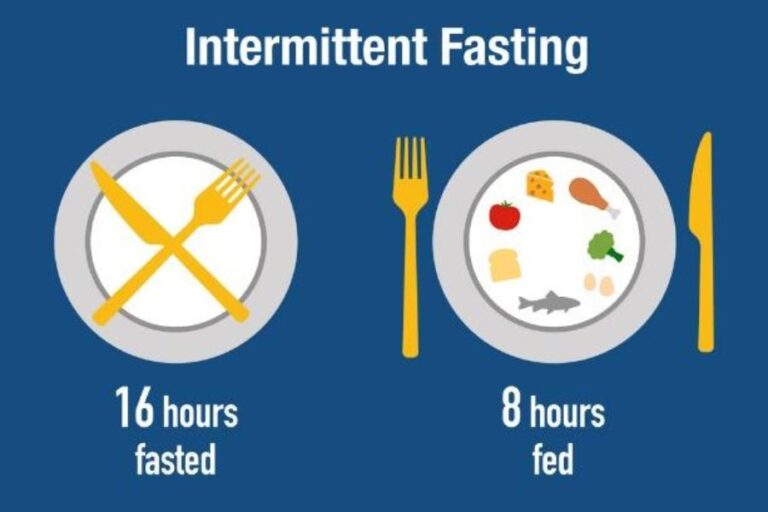
- 16:8, fasting for 16 hours and eating within an 8 hour window
- 14:10 or 12:12, which are more moderate
- Alternate day fasting, where you eat normally one day and severely restrict calories the next
- Periodic fasting, such as one low calorie day each week
According to the Mayo Clinic, fasting periods can last from several hours up to a full day or more, depending on the specific approach you choose (Mayo Clinic).
Intermittent fasting has become popular because early studies suggest it may:
- Help with weight loss
- Improve blood sugar control and insulin sensitivity
- Support healthier blood pressure and cholesterol levels
- Reduce inflammation in the body
At the same time, researchers consistently point out that the long term safety of intermittent fasting is still not fully understood. The rest of this guide walks you through what is known so far so you can have a more informed conversation with your healthcare provider.
Weigh the potential benefits
Short term health improvements
Several research groups have found that intermittent fasting and time restricted eating can improve markers of cardiometabolic health in the short term.
For example:
- Time restricted eating has been shown to improve blood pressure, blood glucose, and cholesterol in some studies, even without major weight loss (American Heart Association).
- An early time restricted feeding pattern, such as eating from 8 a.m. to 2 p.m., improved blood sugar control and lowered blood pressure in men with prediabetes, without changing their weight (NIH News in Health).
- A 2023 clinical trial funded by the NIH found that people with obesity and type 2 diabetes who ate only between noon and 8 p.m., with no calorie counting, lost about 3.6% of their body weight over six months and reduced their waist size. Their average blood glucose levels improved to a similar degree as a standard calorie restriction diet (NIH Research Matters).
The National Institutes of Health notes that different fasting styles, including time restricted eating and alternate day fasting, may lower blood sugar, blood pressure, and inflammation (NIH News in Health).
Weight loss and diabetes management
If you live with type 2 diabetes or are at risk, intermittent fasting can be appealing because it targets both weight and blood sugar.
Research highlighted by the International Diabetes Federation suggests that fasting can:
- Reduce type 2 diabetes risk
- Improve insulin sensitivity
- Lower blood pressure
- Support short term weight loss and lower blood glucose levels when you follow a 16:8 pattern or similar schedule (IDF)
Some experts now recognize that remission of type 2 diabetes may be possible for certain people who follow structured intermittent fasting diets, especially under medical supervision (IDF).
In the NIH funded 2023 trial, intermittent fasting was safe for adults with type 2 diabetes over six months and did not cause dangerous blood sugar drops or spikes, as long as the plan was supervised and medications were adjusted appropriately (NIH Research Matters).
How fasting might work in your body
Researchers believe intermittent fasting gives your cells time to focus less on digesting and more on repair and housekeeping. When you are not constantly taking in calories, cells can shift energy use, remove damaged components, and rebalance various systems, which may help improve metabolic health markers (Mayo Clinic).
Johns Hopkins Medicine also notes that humans evolved to go many hours or even days without food. This may explain why some people feel more energetic once their body adapts to a fasting schedule, usually after a two to four week adjustment period (Johns Hopkins Medicine).
Understand the risks and side effects
To decide whether intermittent fasting is safe for you, you also need a clear picture of the potential downsides. Some are temporary and manageable. Others may be serious if you ignore them or if you have certain health conditions.
Common short term side effects
Harvard Health Publishing and the Mayo Clinic both describe several side effects that are fairly common, especially when you are just starting or if your fasting periods are long (Harvard Health Publishing, Mayo Clinic):
- Headaches
- Fatigue and low energy
- Irritability or mood swings
- Dizziness or lightheadedness
- Constipation
- Nausea
- For some women, menstrual cycle changes
You might also feel extremely hungry or “food obsessed” at times. Harvard notes that after fasting, your appetite hormones and hunger centers in the brain can drive you to overeat on non fasting days, which can make it harder to maintain balanced habits long term (Harvard Health Publishing).
Most people who continue past the initial two to four week period report that these symptoms improve. Even so, they are still important signals from your body that you should pay attention to.
Possible long term or serious risks
Some safety concerns only show up over months or years, which is one reason the question “is intermittent fasting safe long term” does not have a simple yes or no answer.
Key areas of concern include:
-
Cardiovascular risk with very short eating windows
A preliminary analysis presented at the American Heart Association’s 2024 sessions looked at over 20,000 U.S. adults. Those who reported eating within an 8 hour window or less had a 91% higher risk of dying from cardiovascular disease compared with people who ate over a 12 to 16 hour period (American Heart Association).
The authors emphasize that this association does not prove fasting caused the higher risk. The study had limitations, including: -
Dietary patterns were self reported over only two days
-
Important lifestyle or health confounders may not have been fully accounted for
-
The quality of what people ate was not measured
More research is needed, but the findings are a reminder to be cautious about very tight eating windows, such as 16:8, especially if you already have heart disease or risk factors. -
Gallstones and gallbladder issues
Regularly fasting for more than 16 to 18 hours a day has been linked to an increased risk of gallstones and gallbladder surgery (NIH News in Health). -
Too much weight loss in older adults
For older adults, especially if you are already near the low end of a healthy weight range, intermittent fasting can sometimes lead to excessive weight loss. This can affect your bone health, immune function, and overall energy (Harvard Health Publishing). -
Medication interactions and mineral imbalances
If you take medications, particularly for diabetes, blood pressure, or heart conditions, skipping meals can change how your body absorbs drugs and can increase the risk of mineral imbalances. This may lead to unsafe blood sugar swings or blood pressure changes if your treatment plan is not adjusted first (Harvard Health Publishing). -
Very long fasts
Johns Hopkins experts warn that fasting windows of 24, 36, 48, or 72 hours are not necessarily better and may even trigger a “starvation response” that encourages your body to store more fat over time (Johns Hopkins Medicine).
Overall, both Harvard and the Mayo Clinic stress that the long term effectiveness and safety of intermittent fasting are still not well established. They strongly recommend talking with a healthcare professional before you commit to this approach as a long term lifestyle (Harvard Health Publishing, Mayo Clinic).
Consider who should avoid or modify fasting
Intermittent fasting is not appropriate or safe for everyone. Before you start or continue a plan, consider where you fall in these groups.
People who should not fast
Experts from Johns Hopkins, the Mayo Clinic, and the International Diabetes Federation caution that you should avoid intermittent fasting altogether if you:
- Are pregnant or breastfeeding (Johns Hopkins Medicine)
- Have a history of an eating disorder, such as anorexia or bulimia (Johns Hopkins Medicine)
- Have certain medical conditions where large changes in food and fluid intake are dangerous, unless your specialist clearly approves a plan (IDF)
Even if you do not fall into these categories, you should still talk to your doctor first if you have chronic conditions such as heart disease, diabetes, or cancer.
People who need careful medical supervision
Intermittent fasting may still be an option for you, but you should only try it with close medical guidance if you:
- Take insulin or other medications that affect blood sugar
- Use blood pressure or heart medications
- Have type 2 diabetes, prediabetes, or metabolic syndrome
- Are older and at risk of frailty or low bone density
For people with diabetes in particular, the IDF advises careful consultation before fasting. Your care team may need to adjust medications, plan extra glucose monitoring, and create a detailed schedule before you change your eating pattern (IDF). This advice also applies if you fast for religious reasons, such as during Ramadan.
When fasting does not fit your lifestyle
Even if intermittent fasting is physically safe for you, it still might not be the right long term fit. For example, you might struggle with:
- Social meals and family dinners that fall outside a strict eating window
- Shift work schedules that already disrupt sleep and metabolism
- A history of yo yo dieting or feeling out of control around food
The Mayo Clinic notes that in these situations, sticking with an eating schedule that supports your social and emotional well being may be more sustainable and healthy than forcing yourself into a rigid fasting pattern (Mayo Clinic).
Choose a safer intermittent fasting style
If you and your healthcare provider decide that intermittent fasting is a reasonable option, your next question becomes how to practice it in a way that is more likely to be safe over time.
Favor moderate fasting windows
The most extreme forms of fasting are not necessary to see benefits, and they may increase risk.
Research and expert commentary suggest that:
- Eating within a very tight 8 hour window, such as 16:8, may be linked to higher cardiovascular risk and possibly more gallbladder problems when used long term (American Heart Association, NIH News in Health).
- A 12 hour eating window, followed by 12 hours of fasting, is considered likely safe for most people and is common in populations with long lifespans (NIH News in Health).
If you want a more gradual or potentially safer approach, you might:
- Start with 12:12 (for example, 7 a.m. to 7 p.m.)
- Move to 14:10 if you tolerate 12:12 well
- Only consider 16:8 if your doctor agrees and you are not in a higher risk group
Very long fasts of 24 hours or more should be reserved for medically supervised programs, if they are used at all (Johns Hopkins Medicine).
Prioritize food quality, not just timing
Fasting schedules can sometimes distract you from what you actually eat. However, every expert source emphasizes that nutrient quality still matters.
To support your health inside your eating window:
- Build meals around vegetables, fruits, whole grains, beans, nuts, and lean proteins.
- Include healthy fats, such as olive oil, avocado, or fatty fish.
- Limit ultra processed snacks and sugary drinks, which can spike blood sugar and leave you hungry again quickly.
- Stay hydrated with water, and talk with your doctor about whether unsweetened tea or coffee is appropriate during your fasting hours.
The American Heart Association points out that the recent cardiovascular study did not measure what people ate, only when. This gap makes it even more important for you to focus on heart healthy foods if you try time restricted eating (American Heart Association).
Watch for warning signs from your body
Even if your fasting plan looks safe on paper, your body’s response is the final guide. Contact your healthcare provider and consider easing or stopping fasting if you notice:
- Persistent dizziness or fainting episodes
- Ongoing severe headaches you did not have before
- Extreme fatigue that interferes with work or daily tasks
- Significant, unintended weight loss
- Worsening blood sugar control if you have diabetes
- New or worsening heart palpitations or chest discomfort
- Signs of disordered eating, such as obsessing over fasting times or feeling guilty when you eat
Harvard Health Publishing urges you to treat intermittent fasting like any medication. If side effects appear or worsen, do not ignore them. Adjust the “dose,” switch to a different approach such as periodic fasting, or stop entirely with your clinician’s support (Harvard Health Publishing).
Talk with your healthcare provider
Since long term safety data are still limited, a personalized plan matters more than ever. Before you decide whether intermittent fasting is safe for you, it is worth scheduling a focused conversation with your doctor, nurse practitioner, or dietitian.
You might ask:
- Is intermittent fasting safe given my medical history and current medications?
- Which fasting schedule, if any, would you recommend I start with?
- How should I monitor my blood sugar, blood pressure, or other markers once I begin?
- Do we need to adjust any of my medications before I change my eating pattern?
- What warning signs mean I should stop fasting and contact you?
Major organizations including the Mayo Clinic, Johns Hopkins Medicine, Harvard Health, the NIH, and the International Diabetes Federation all stress the importance of this type of medical consultation before you begin an intermittent fasting plan or make big changes to your current routine (Mayo Clinic, Johns Hopkins Medicine, Harvard Health Publishing, NIH News in Health, IDF).
Key takeaways
- Intermittent fasting can improve weight, blood sugar, blood pressure, and cholesterol for some people in the short term, and it may be particularly helpful for weight management in type 2 diabetes when done under medical supervision.
- Serious questions remain about long term safety, especially for very tight eating windows such as 8 hours or less, and for people with heart disease or certain other conditions.
- Side effects like headaches, fatigue, irritability, and constipation are common at first, and some people experience overeating on non fasting days or changes in menstrual cycles.
- Fasting is not appropriate for everyone, including people who are pregnant, those with a history of eating disorders, and some individuals with complex medical conditions.
- A moderate pattern, such as a 12 hour eating window, careful attention to food quality, and close communication with your healthcare team can make intermittent fasting more likely to be safe and sustainable if it is right for you.
If you are curious about intermittent fasting, you do not need to rush into the most extreme version. Start by talking with your clinician, consider a gentler schedule, and let your body’s feedback guide your next steps.
About the Author