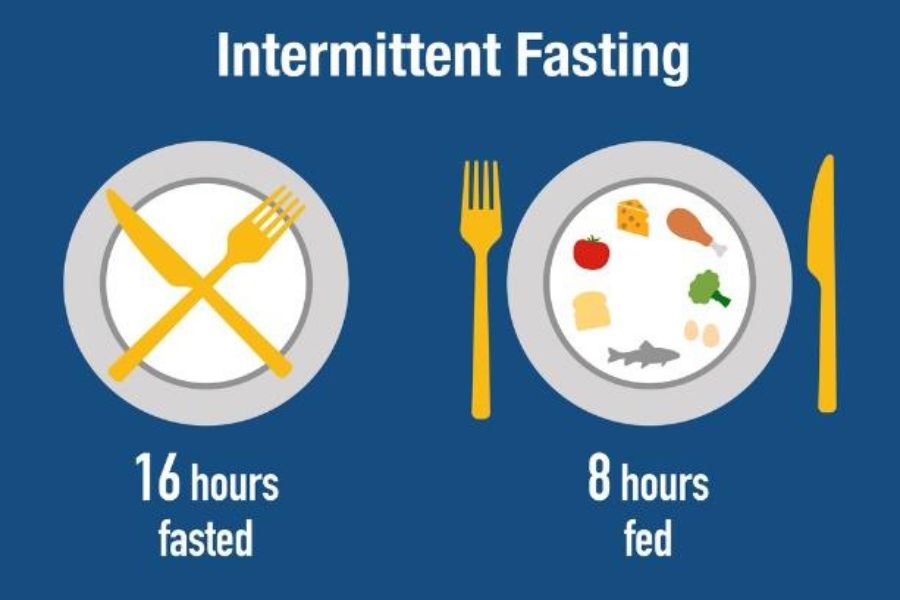
Intermittent fasting has become a popular way to lose weight and improve health, and you might be wondering how it affects your heart. The relationship between intermittent fasting and heart health is complex. Some studies suggest potential benefits for cholesterol, blood sugar, and weight, while newer research raises questions about possible long term risks. Understanding both sides can help you make a safer, more informed choice.
Below, you will learn how intermittent fasting works, what current research says about heart health, who should be cautious, and how to talk with your healthcare team before you try it.
Understand what intermittent fasting is
Intermittent fasting is not one specific diet. It is a pattern of eating that cycles between periods of eating and periods of not eating, or eating very little.
Common versions include:
-
Time restricted eating (TRE)
You eat all your meals within a set window, often: -
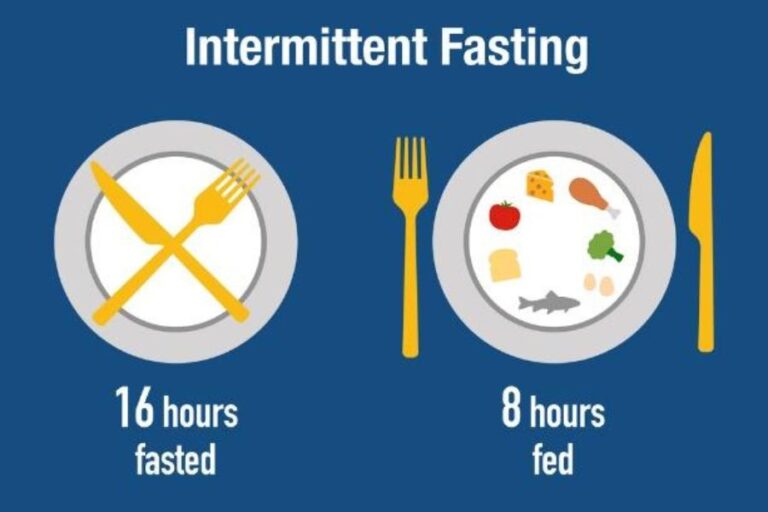
16:8, fasting for 16 hours and eating within 8 hours
-
14:10, fasting for 14 hours and eating within 10 hours
-
Intermittent calorie restriction
You eat much less on certain days, for example: -
2 days per week of very low calories and 5 days of usual eating
-
3 days per week with reduced calories, similar to traditional dieting on specific days
-
Other fasting patterns
Some research has looked at: -
Fasting 12 hours, such as from 6 a.m. to 6 p.m., a few days per week
-
Longer but structured overnight fasts paired with exercise
The goal of these approaches is often weight loss, better blood sugar control, or improved heart health. How well they deliver on those goals depends on how you use them and on your overall health.
See how intermittent fasting might help heart health
Current evidence shows some possible benefits of intermittent fasting for your heart, especially in the short to medium term.
Possible benefits for risk factors
Several clinical trials and reviews have found that fasting patterns can improve markers linked to cardiovascular disease (CVD).
According to a systematic review of randomized controlled trials, fasting approaches such as intermittent fasting, continuous calorie restriction, protein restriction, and time restricted eating have been linked with improvements in multiple risk factors for heart disease, including lipid profiles, metabolic syndrome markers, insulin resistance, body weight, and inflammatory biomarkers (NCBI PMC).
Other findings from that review and related studies include:
-
Weight and waist size
Intermittent fasting regimens, like fasting 12 hours from 6 a.m. to 6 p.m. three days per week, have been shown to safely reduce body weight and waist circumference in some groups, with no extra financial or physical burden compared with everyday life (NCBI PMC). -
Cholesterol and triglycerides
Some intermittent fasting and intermittent calorie restriction plans improved lipid profiles, including reductions in triglycerides. In one trial, intermittent calorie restriction three days per week was as effective as continuous calorie restriction in lowering triglycerides, and it was more effective at improving certain insulin resistance markers in people with high triglycerides (NCBI PMC). -
Blood sugar and insulin sensitivity
Intermittent fasting may improve how your body responds to insulin and may help lower blood sugar. The Mayo Clinic notes that intermittent fasting may reduce low density lipoprotein (LDL, often called “bad” cholesterol) and improve insulin response, both of which influence heart disease risk (Mayo Clinic). -
Inflammation and metabolic health
In certain time restricted eating studies, such as a 10 hour eating window for firefighters on 24 hour shifts and a 12 month plan combined with resistance exercise, researchers found better weight management, improved lipid profiles, reduced insulin resistance, and lower inflammatory markers. All of these changes are considered helpful for cardiovascular and metabolic health (NCBI PMC).
Together, these findings suggest that some fasting patterns can move multiple heart health markers in a better direction, especially when you follow them for several months and combine them with overall healthy habits.
Role of weight loss in heart benefits
It is important to separate the effects of fasting itself from the benefits of weight loss.
Short term studies show that intermittent fasting can sometimes lead to more weight loss than standard calorie cutting. However, longer studies lasting six months to a year show mixed results for sustained weight loss when compared to traditional calorie restriction (Mayo Clinic).
Weight loss, regardless of the method, is known to:
- Improve blood pressure
- Lower LDL cholesterol and triglycerides
- Improve glucose tolerance and insulin sensitivity
- Reduce inflammation
- Support vascular and brain health
As Dr. Parveen Garg of the USC Cardiac and Vascular Institute explains, weight loss driven by intermittent fasting can have meaningful benefits for heart health, largely through these improvements (Keck Medicine of USC).
This means that if you lose weight with intermittent fasting, many of the cardiovascular benefits may come from the weight loss itself, not necessarily from fasting alone.
Understand the potential risks and concerns
Even though intermittent fasting can improve some risk factors, recent research has raised questions, especially around certain strict time restricted eating patterns.
The 8 hour window and cardiovascular death
A preliminary analysis presented at the American Heart Association’s Epidemiology and Prevention│Lifestyle and Cardiometabolic Scientific Sessions 2024 looked at over 20,000 U.S. adults. It found that people who limited eating to less than 8 hours per day had a 91% higher risk of dying from cardiovascular disease compared with those who spread their eating across 12 to 16 hours (American Heart Association).
Key points about this study:
- It focused on time restricted eating, often practiced as the 16:8 pattern.
- It highlighted an association, not proof that the 8 hour window causes cardiovascular death.
- The data came from 2003 to 2018 National Health and Nutrition Examination Surveys (NHANES), paired with the U.S. National Death Index through 2019 (American Heart Association).
Researchers and experts emphasize caution when interpreting these results, for several reasons:
- Diet information was self reported, so it may not be fully accurate.
- There could be confounding factors, such as underlying illnesses, lifestyle habits, or socioeconomic differences that were not fully controlled for.
- The biological reasons behind the association are not yet clear, and demographic variations may play a role (American Heart Association).
Even with these limitations, the study has prompted cardiologists and researchers to urge more careful, personalized use of strict 8 hour eating windows, especially in people with existing heart disease or cancer (American Heart Association).
Possible side effects and symptoms
Not everyone feels well when fasting. Reported side effects include:
- Headaches
- Mood swings or irritability
- Dizziness or lightheadedness
The Mayo Clinic notes that the long term effects of intermittent fasting are not well understood and recommends talking with a healthcare professional before starting, especially if you have chronic health conditions (Mayo Clinic).
Dr. Garg also highlights a specific concern, heart palpitations. Because fasting can lower blood sugar and reduce blood volume, your heart may need to work harder, particularly if you are very active. This may be riskier if you:
- Have diabetes
- Have low blood pressure
- Take diuretics (water pills)
In these situations, fasting could lead to palpitations or other symptoms that put extra strain on your heart (Keck Medicine of USC).
Who should be especially cautious
Intermittent fasting, particularly strict patterns like less than 8 hours of eating per day, may not be suitable if you:
- Have a history of heart disease
- Have survived a heart attack
- Have heart failure or serious arrhythmias
- Have diabetes, especially if you take insulin or certain diabetes medications
- Have chronic low blood pressure or take blood pressure medications
- Take diuretics
- Have a history of eating disorders
- Are pregnant, breastfeeding, or have high energy needs for other reasons
Medical professionals caution that people with heart disease or those recovering from a heart attack may need regular, spaced meals throughout the day to meet their energy needs and to avoid large swings in blood pressure and heart workload. As of mid 2025, there is still limited long term data to confirm that intermittent fasting is safe and sustainable for heart health in these groups (Keck Medicine of USC).
Compare intermittent fasting with other calorie approaches
You may be choosing between intermittent fasting and more traditional continuous calorie restriction. Current research suggests that both can have benefits, and in some cases they perform similarly.
What studies show when diets are compared
Findings from randomized trials and reviews include:
-
Intermittent fasting vs continuous calorie restriction
In a trial comparing intermittent calorie restriction three days per week with continuous calorie restriction, both approaches similarly decreased plasma triglyceride levels and improved lipid profiles. However, intermittent calorie restriction was more effective in improving certain insulin resistance markers in patients with high triglycerides (NCBI PMC). -
Moderate calorie restriction without fasting
A two year multicenter randomized trial in healthy, non obese adults found that moderate calorie restriction combined with adequate nutrition improved multiple cardiometabolic risk factors beyond what could be explained by weight loss alone. This suggests that you can gain heart health benefits from thoughtful, consistent calorie reduction even without defined fasting periods (NCBI PMC). -
Short term vs long term results
The Mayo Clinic notes that short term intermittent fasting studies can show greater weight loss than standard calorie restriction. Over six to twelve months, though, intermittent fasting does not always outperform regular calorie reduction for maintaining weight loss (Mayo Clinic).
Taken together, this means you have options. Intermittent fasting is not the only path to better heart health and weight control. A more traditional calorie controlled eating pattern, especially if you can stick with it comfortably, can be just as helpful.
Decide if intermittent fasting might fit your life
If you are considering intermittent fasting for weight loss and heart health, it helps to think through both your goals and your day to day life.
Questions to ask yourself
Before you start, ask:
- What is my main goal, weight loss, better blood sugar, overall heart health, or all of the above?
- Do I have any heart conditions, diabetes, low blood pressure, or other chronic illnesses?
- Do I take medications that must be taken with food or at certain times of day?
- How variable is my schedule, for example, shift work, caregiving, or frequent travel?
- How have I reacted to skipping meals in the past, such as dizziness, strong irritability, or binge eating later?
Your answers can guide whether a strict fasting pattern is realistic and safe, or whether a gentler approach like a slightly shortened eating window or moderate calorie restriction might be better.
Start with a gentler version if appropriate
If your healthcare professional clears you to try fasting and you want to see how your body responds, you might start with a less extreme version, for example:
- A 10 to 12 hour eating window instead of 8 hours
- Avoiding late night eating, while still having regular meals during the day
- One or two days per week with mild calorie reduction instead of sharply cutting calories on multiple days
Some time restricted eating interventions in the research used 10 hour windows and still saw improvements in weight, lipid profiles, insulin resistance, and inflammation (NCBI PMC). A more moderate window may be easier on your heart and schedule than a very tight 8 hour limit.
Work with your healthcare team
Because the research on intermittent fasting and heart health is evolving, it is important not to make big changes alone if you have any medical conditions.
Why a personalized plan matters
Experts from the American Heart Association stress that the observed link between an 8 hour eating window and cardiovascular death should be a signal to personalize your diet, not a reason to panic. They recommend individualized dietary advice, especially if you have existing heart disease or cancer, so that your eating plan fits your specific health status and the latest evidence (American Heart Association).
A conversation with your healthcare team can help you:
- Review your current heart disease risk factors, such as blood pressure, cholesterol, blood sugar, family history, and smoking status
- Decide whether intermittent fasting is appropriate, or whether standard calorie restriction or another approach may be safer
- Adjust medications if needed, particularly those that affect blood sugar or blood pressure
- Plan lab checks, such as cholesterol panels and glucose or A1C tests, to monitor changes
If you already have heart disease or have had a heart attack, your cardiologist may recommend eating at regular intervals instead of long fasts, to keep your energy stable and prevent extra strain on your heart (Keck Medicine of USC).
Signs you should stop and seek help
If you do begin intermittent fasting under medical guidance, stop and contact your healthcare professional if you notice:
- Frequent or worsening chest discomfort or pressure
- New or increased heart palpitations
- Fainting or near fainting
- Severe dizziness, weakness, or confusion
- Extreme mood changes or difficulty concentrating
These symptoms could indicate that your heart, blood pressure, or blood sugar is not responding well to your fasting schedule.
Put it all together for your heart
Intermittent fasting and heart health are connected in ways that scientists are still working to fully understand. So far, research suggests:
- Fasting patterns can improve important risk factors, such as weight, waist size, cholesterol, insulin resistance, and inflammation, which may support better cardiovascular health in the short to medium term (NCBI PMC, Mayo Clinic).
- Many of the heart benefits may come from weight loss itself, not necessarily from fasting alone.
- Strict time restricted eating, particularly an 8 hour or shorter eating window, has been linked in one large preliminary analysis with a higher risk of cardiovascular death, although this research shows association, not causation, and has important limitations (American Heart Association).
- People with heart disease, a history of heart attack, diabetes, low blood pressure, or those on certain medications should approach intermittent fasting with particular caution and only under medical supervision (Keck Medicine of USC).
If you are drawn to intermittent fasting for weight loss or metabolic health, think of it as one possible tool rather than a cure all. A heart healthy lifestyle still depends on consistent habits like:
- Eating plenty of vegetables, fruits, whole grains, lean proteins, and healthy fats
- Limiting added sugars, highly processed foods, and excess sodium
- Staying physically active in ways your healthcare team approves
- Not smoking and limiting alcohol
- Managing stress and getting enough sleep
As research continues to develop, focusing on sustainable, balanced eating patterns and regular medical check ins will help you protect your heart, whether or not you decide that intermittent fasting is right for you.
About the Author