How intermittent fasting affects your muscles
If you want to build muscle intermittent fasting can feel confusing. On one hand, you hear that fasting helps with fat loss and hormone balance. On the other, you are told you need frequent meals and constant fuel to grow muscle.
The truth sits somewhere in the middle. Intermittent fasting (IF) changes how your body uses energy and how often your muscles get building blocks from food. You can maintain and even build muscle while intermittent fasting, but you need to be more intentional about how you eat and train.
In this guide, you will learn what actually happens to your muscles during fasting, where the risks are, and how to set up your workouts and meals so that IF supports, rather than sabotages, your muscle goals.
Understand muscle building basics
Before you layer intermittent fasting on top, it helps to understand what your muscles need to grow.
Muscle protein synthesis versus breakdown
Your muscles are always in one of two competing states:
-
Muscle protein synthesis (MPS)
This is the building side, when your body repairs and adds new muscle tissue. -
Muscle protein breakdown (MPB)
This is the recycling side, when your body breaks down muscle proteins for energy or repair.
You build muscle when MPS outweighs MPB over time.
According to a 2021 review in Frontiers in Nutrition, MPS is maximally stimulated by moderate protein intakes of about 0.25 to 0.3 grams per kilogram of body weight per meal, and then it has a refractory period of about 3 to 5 hours where additional protein does not boost it much more (Frontiers in Nutrition). This is why bodybuilders often spread their protein across several meals.
During longer fasting periods, insulin falls and muscle protein breakdown increases, because your body has fewer amino acids from food to work with. The same review notes that MPB is elevated during fasting compared with regular meal patterns (Frontiers in Nutrition).
What intermittent fasting changes
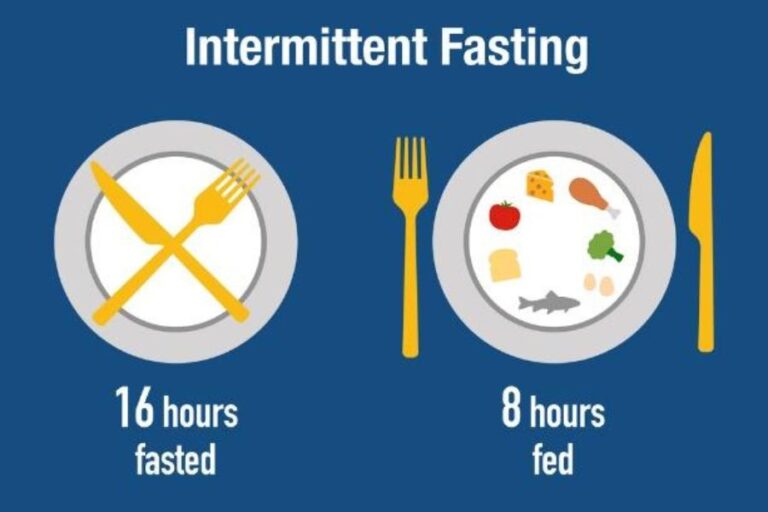
Common intermittent fasting patterns, like 16:8 or 18:6, condense all of your eating into a short window. That means:
- Fewer opportunities to eat enough total calories
- Fewer opportunities to hit optimal protein per meal several times per day
- Longer stretches when MPB is higher and MPS is low
Left on autopilot, that setup is not ideal for muscle gain. However, when you combine IF with smart training and nutrition, you can tilt the balance back in your favor.
A systematic review of human trials that combined intermittent fasting with resistance training found that lean body mass was generally maintained, and in five out of eight studies, participants also lost significant fat (Versa Gripps). In other words, IF does not automatically cause muscle loss when you lift weights and eat well.
Weigh the pros and cons for muscle
Intermittent fasting has both upsides and downsides when your goal is to build muscle. Knowing both helps you decide if it fits your lifestyle.
Potential benefits for muscle and body composition
When you combine intermittent fasting with resistance training you may see:
-
Fat loss with muscle maintenance
A study on men using a 16:8 schedule found they retained their muscle mass while losing body fat when they followed a resistance training program (Simple.life). -
Improved body composition
Reviews of IF plus weight lifting show that participants often lose fat while maintaining lean mass (Versa Gripps). -
Better insulin sensitivity and hormone environment
Prospect Medical notes that working out while intermittent fasting can optimize insulin sensitivity and support hormones like growth hormone, which together help you stay lean and support muscle gain (Prospect Medical). -
Convenience and consistency
A 16:8 schedule with a midday to evening eating window is flexible, which can make it easier to stick with long term (Protein Chefs). Consistency is a big win for both fat loss and muscle building.
Potential drawbacks you need to manage
At the same time, intermittent fasting brings some real challenges for muscle:
-
Harder to eat enough calories to grow
Muscle gain usually requires at least a small calorie surplus. Fitting that into 8 hours can be tough, especially if you are already not a big eater. -
Harder to distribute protein evenly
The Frontiers in Nutrition review suggests that spreading protein across 3 to 4 meals, each about 0.25 to 0.3 g/kg, is ideal for MPS (Frontiers in Nutrition). With IF, especially very short eating windows, you get fewer chances to hit that pattern. -
Increased muscle breakdown during long fasts
When you go 16 hours or more without food, muscle protein breakdown rises because insulin is low and your body lacks amino acids from food (Frontiers in Nutrition). -
Possible performance dips
PureGym highlights that fasted training can reduce energy and workout performance, which in turn may limit muscle hypertrophy if you cannot train hard enough (PureGym). -
Slight muscle loss in some studies
Some time-restricted eating trials have found reductions in appendicular lean mass over 12 weeks (Frontiers in Nutrition). It is not guaranteed, but it is a risk if protein and training are not dialed in.
The bottom line: you can build or maintain muscle while intermittent fasting, but the margin for error is smaller than with a traditional eating pattern.
Choose the right fasting schedule
If your priority is to build muscle intermittent fasting, the specific schedule you choose matters.
Why 16:8 is often the sweet spot
Several sources point to 16:8 time restricted eating as the most practical option for muscle:
- It gives you an 8 hour eating window to fit in enough calories and protein.
- It is long enough to get many of the metabolic benefits of fasting.
- It is more sustainable than very restrictive patterns like 20:4.
Simple.life notes that 16:8 provides ample time daily to consume necessary calories and protein for muscle gain compared with more restrictive fasting patterns (Simple.life).
Protein Chefs also highlights 16:8 as a balanced and effective approach for building muscle and supporting overall health, as long as you use the eating window to take in a mix of protein, healthy fats and whole-food carbs (Protein Chefs).
Popular 16:8 windows include:
- 10:00 a.m. to 6:00 p.m.
- 12:00 p.m. to 8:00 p.m.
- 1:00 p.m. to 9:00 p.m.
You can shift the window to suit your work, family and training schedule.
When stricter fasting is a bad idea for muscle
Patterns like 18:6, 20:4 or alternate-day fasting:
- Shrink the eating window so much that gaining muscle becomes very difficult.
- Make it hard to hit daily protein targets.
- Reduce the number of times per day you can stimulate MPS.
The Frontiers in Nutrition review suggests that infrequent large meals, a common pattern in IF, may be suboptimal for muscle protein turnover and net muscle protein balance, especially when calories are also restricted (Frontiers in Nutrition).
If building muscle is a clear goal, it is usually wiser to:
- Stick with 16:8, or
- Use a slightly longer eating window, like 14:10, while still keeping a daily fasting period.
Set protein and calorie targets
Once you pick a schedule, your next job is to make the most of that eating window.
How much protein you need
Across the research, you see similar recommendations:
- Frontiers in Nutrition suggests at least 1.6 grams of protein per kilogram of body weight per day for muscle optimization during intermittent fasting, with the protein split into multiple meals 3 to 5 hours apart (Frontiers in Nutrition).
- Simple.life recommends about 0.6 to 0.9 grams per pound of body weight per day, again distributed across meals, not crammed into one (Simple.life).
- A meta-analysis cited by Versa Gripps notes that higher protein intakes and evenly spaced protein consumption across meals support better hypertrophy for lifters (Versa Gripps).
You can translate that into a simple range:
- If you prefer kilograms: 1.6 to 2.2 g/kg per day
- If you prefer pounds: 0.7 to 1.0 g per pound per day
Aim for at least the lower end consistently.
How to distribute protein in a shorter window
Within a 16:8 schedule, you might have 2 to 4 meals. A simple structure is:
- 3 meals, each with 30 to 45 grams of protein, or
- 2 main meals and 1 to 2 protein-rich snacks
The key is to hit a solid protein target in each eating opportunity, rather than having one huge protein meal and several low-protein snacks.
Calorie intake for your goal
Your total calories depend on whether you want to:
- Recomp (lose fat and build a bit of muscle)
- Maintain weight while improving strength and definition
- Gain muscle with a small surplus
The important point with intermittent fasting is simply this:
You need to fit those calories into your eating window. For many people, that means:
- Larger meals than you might be used to
- More calorie-dense, nutrient-dense foods so you are not uncomfortably full
If you notice your weight steadily dropping when you do not want it to, that is a sign you are not eating enough during your window and your muscle gains may stall.
Plan your workouts around your eating window
You can build muscle intermittent fasting whether you train fasted or fed, but your choice will affect how you feel and perform.
Fasted training: pros, cons, and who it suits
Prospect Medical notes several potential benefits of exercising while intermittent fasting, including optimized growth hormone and improved insulin sensitivity, which support fat loss and lean mass preservation (Prospect Medical).
Potential benefits of fasted workouts:
- May increase fat burning during the session
- Can be convenient if you prefer morning workouts
- Might feel mentally sharp once you are adapted
PureGym points out that fasted strength training can help increase fat burning since glycogen is lower, and when paired with regular weight training, it may help reduce fat mass while maintaining or improving lean mass (PureGym).
Potential downsides:
- Lower energy and weaker performance, especially early on
- Heavier lifts may feel harder
- Risk of under-eating after your workout if you wait too long to break your fast
Evidence summarized by Simple.life suggests that there is little difference between fasted and fed training for muscle growth, so you can choose based on how you feel and perform best (Simple.life).
Fed training: often best for pure muscle gain
If your top priority is hypertrophy, training during or near your eating window has advantages:
- You can have a pre-workout meal or snack for energy.
- You can refuel with protein and carbs right after training.
- You are more likely to push heavier loads and higher volume.
PureGym notes that training within the eating window can support better strength and muscle gains, especially if you struggle with low energy when fasted (PureGym).
When to eat around your workout
How you time food around workouts will depend on your style of training:
-
After heavy lifting or endurance cardio
Prospect Medical recommends prioritizing a meal directly after these workouts, since glycogen is depleted and your muscles need amino acids and carbs for recovery (Prospect Medical). -
After light to moderate exercise
They note that you might wait 2 to 3 hours after a fasted workout before eating to extend the growth hormone peak and promote fat burning (Prospect Medical). That approach is more suited to fat loss with maintenance of muscle than aggressive muscle gain.
If your main goal is to build muscle, it is generally safer to:
- Train within your eating window, or
- Break your fast soon after a heavy lifting session
Design a muscle friendly workout plan
The structure of your training matters more than whether you are fasted or fed.
Focus on resistance training and volume
Across the research, some things are consistent:
- Resistance training is essential for maintaining and building muscle during intermittent fasting. Simple.life emphasizes that lifting weights is non-negotiable if you want to preserve or add lean mass while fasting (Simple.life).
- Training programs in studies that preserved lean mass typically used 3 to 4 weight lifting sessions per week with progressive overload (Versa Gripps).
- Training volume and progressive overload remain the primary drivers of muscle growth, regardless of your fasting pattern (Versa Gripps).
A simple weekly setup:
- 3 to 4 full body or upper / lower sessions
- 2 to 4 sets per exercise
- 6 to 12 reps for most compound lifts
- Gradually increasing weight, reps, or sets over time
Add cardio in the right dose
Cardio is still useful when you are intermittent fasting:
- Simple.life suggests combining resistance training with moderate-intensity cardio 2 to 3 times per week to help maintain lean mass and improve aerobic fitness, which supports better weightlifting performance (Simple.life).
You can:
- Place cardio on non-lifting days, or
- Add shorter sessions after your strength work
Just avoid so much cardio that you cannot recover or eat enough to support muscle growth, especially within a limited eating window.
Consider interval training and sprints
Prospect Medical mentions that sprint-style high intensity interval training combined with intermittent fasting can increase muscle strength, stamina, growth hormone and testosterone, and improve body composition, which can make it an effective option for fasted workouts (Prospect Medical).
If you enjoy that style, you can:
- Use 1 to 2 sprint or HIIT sessions per week
- Keep them relatively short, for example 10 to 20 minutes of work
- Make sure they do not compromise your recovery from lifting
Build your intermittent fasting meal pattern
Once your training is in place, you need a solid eating pattern inside your fasting schedule.
Example of a 16:8 muscle building day
Here is a sample structure for a 16:8 schedule, assuming your window is 12:00 p.m. to 8:00 p.m.:
- Meal 1 (12:00 p.m.)
- 30 to 45 g protein
- Whole-food carbohydrates
- Some healthy fats
This could be your pre-workout meal if you train early afternoon.
- Meal 2 or post-workout meal (3:00 to 4:00 p.m.)
- 30 to 45 g protein
- Emphasis on complex carbs to refill glycogen
- Moderate fats
- Meal 3 (7:00 p.m.)
- 30 to 45 g protein
- Mixed carbs and fats
- Plenty of vegetables and fruit
Protein Chefs recommends using the 16:8 window to eat balanced meals that include healthy fats, ample protein and whole-food carbohydrates, instead of focusing on protein and carbs alone (Protein Chefs).
Choose nutrient dense foods
Protein Chefs and other sources highlight a variety of nutrient-dense foods that work well within your eating window (Protein Chefs):
-
Fruits
Apples, berries, oranges -
Vegetables
Broccoli, cauliflower, leafy greens -
Whole grains
Quinoa, oats, barley -
Protein sources
Eggs, fish, legumes, meats, nuts
These foods help you:
- Hit your protein target
- Get enough carbs to support your training
- Cover your micronutrient needs in a shorter eating period
Support recovery with smart supplementation
Versa Gripps notes that recovery strategies matter more when you combine intermittent fasting with weight training, since your body has to repair muscle within a limited time (Versa Gripps).
Useful tools during your eating window include:
-
Protein shakes
To quickly increase protein intake if whole food alone is not enough. -
Creatine monohydrate
Well studied for strength, power and lean mass support. -
Essential amino acids (EAAs)
Helpful if you struggle to meet protein goals, especially around training.
Hydration and sleep also play a big role. Even a good intermittent fasting plan will underperform if you are constantly under-slept or dehydrated.
Avoid common muscle mistakes with intermittent fasting
Because the margin for error is smaller, certain habits are more likely to slow your progress.
Relying only on fasting for fat loss
IF can absolutely help you lose weight, but if you undereat protein and skip lifting, you are more likely to lose a mix of fat and muscle.
- PureGym points out that intermittent fasting on its own may lead your body to break down muscle glycogen and potentially muscle tissue for fuel during longer fasts. Strength training helps counteract that by stimulating muscle protein synthesis (PureGym).
Make sure you:
- Lift weights regularly
- Hit daily protein targets, not just calorie limits
Choosing an eating window that fights your lifestyle
If you pick a schedule that:
- Makes you train when you are always drained, or
- Forces you to cram all your food into a time you are not hungry
Then you will struggle to perform in the gym and to eat enough to grow.
You will almost always do better by:
- Matching your training time to when you naturally have more energy.
- Setting your eating window so that at least one solid meal can sit close to your workout.
Ignoring small signs of muscle loss
Because intermittent fasting can preserve lean mass fairly well, it is easy to assume you are fine even if your plan is not ideal. Keep an eye on:
- Strength trends in your main lifts
- How your muscles look and feel over several months
- Clothing fit around your shoulders, arms and legs
If strength is dropping consistently and you are not intentionally dieting hard, it may be time to:
- Lengthen your eating window slightly, or
- Increase calories and protein, or
- Shift more workouts into your eating window
Put it all together
You can build muscle intermittent fasting, but it will not happen by accident. Your success comes from how well you combine four pieces:
-
A realistic fasting schedule
For most people chasing muscle, 16:8 is the best balance between fasting benefits and eating enough. -
Consistent resistance training with progressive overload
Aim for 3 to 4 quality lifting sessions per week, and add weight or reps over time. -
Adequate protein and calories in your eating window
Target about 1.6 to 2.2 g/kg of protein per day, spread across 2 to 4 meals, along with enough total calories to at least maintain your weight. -
Smart workout timing and recovery
Train when you can perform best, refuel especially after heavy lifting, and support recovery with sleep, hydration and, if needed, supplements.
Start with small changes you can keep. For example, you might:
- Shift to a 16:8 schedule that fits your workday
- Add one extra lifting session per week
- Bump each meal’s protein by 10 to 15 grams
Then watch how your strength, body composition and energy respond over the next few months. From there, you can fine-tune your intermittent fasting approach so it works with your muscle goals instead of against them.
About the Author