A small shift in timing can make a big difference in how well your supplements work. That is especially true with CoQ10. If you are trying to figure out the best time to take CoQ10 so you actually feel the benefits, you are in the right place.
Below you will learn how CoQ10 works in your body, when to take it for better absorption and energy, and how to adjust timing for your routine, workouts, and medications.
Understand what CoQ10 does in your body
Coenzyme Q10, or CoQ10, is a fat-soluble compound that helps your cells make energy. It also acts as an antioxidant that protects cells from oxidative damage. Your body makes CoQ10 naturally, and you also get small amounts from foods like fatty fish and organ meats.
Your CoQ10 levels tend to drop as you age and they may fall if you take certain medications, especially statins for cholesterol. Supplementing can help restore levels, which is why CoQ10 is popular for heart health, energy support, and exercise performance. However, the way you take it has a big impact on how much your body can actually use.
Take CoQ10 with food, not on an empty stomach
Because CoQ10 is fat soluble, your body absorbs it better when you take it with a meal or snack that contains some fat. Several sources highlight this as one of the most important timing tips.
Healthline notes that taking CoQ10 with a meal or snack that contains fat improves absorption compared to taking it on an empty stomach (Healthline). Nature Made and Health also emphasize that a meal with fat or oil helps your body take up more of this vitamin-like compound (Nature Made, Health).
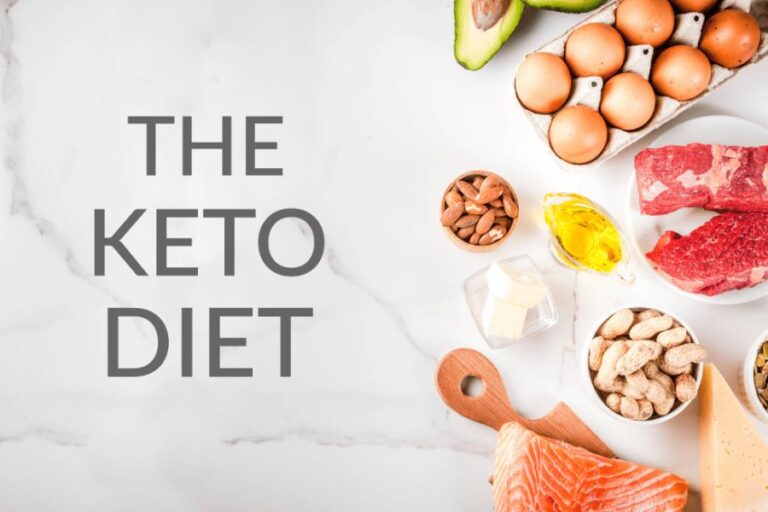
Healthy fat does not have to be complicated. You can pair your CoQ10 softgel or capsule with foods like avocado, eggs, salmon, nuts, olive oil, or full-fat yogurt. EatingWell points out that these fat sources can help optimize absorption and raise circulating CoQ10 levels in your blood (EatingWell).
If you tend to skip breakfast, it is fine to take CoQ10 with lunch or dinner instead. Nature Made specifically notes that you can take CoQ10 with any regular meal, as long as you are consistent and include some fat in that meal (Nature Made).
Choose morning or midday for better sleep
Most people tolerate CoQ10 well, but it can feel energizing. Several experts point out that this boost can be helpful earlier in the day and less welcome at night.
Healthline notes that taking CoQ10 too close to bedtime may contribute to insomnia for some people, so morning or afternoon is usually a better choice (Healthline). Health also explains that blood levels of CoQ10 peak about six to eight hours after you take it, which means a morning dose will typically line up with higher levels in the afternoon when you are more active (Health).
EatingWell suggests taking CoQ10 before 2 p.m., especially if you are sensitive to anything that feels stimulating. This timing lets you enjoy the potential energy support without interfering with your sleep later that night (EatingWell).
If evenings are the only time you remember to take supplements and you do not notice any sleep problems, you can still take CoQ10 then. In that case, keep an eye on how you sleep for a week or two. If you notice trouble falling or staying asleep, try switching your dose earlier in the day.
Match your dose and timing to your goals
The best time to take CoQ10 can also depend on why you are using it and how much you take. While you should always follow your product label and your health care provider’s advice, the research gives some helpful ranges.
Healthline notes that a typical daily dose for general health is about 100 to 200 milligrams per day (Healthline). That is a common amount if you are looking for overall energy support or antioxidant benefits. Starting in the lower end of the range and seeing how you feel is a reasonable approach.
If you are taking statins, Healthline explains that 100 to 200 milligrams a day may help offset statin related drops in CoQ10 levels (Healthline). Many people in this situation take their CoQ10 with the same meal as their statin so it becomes part of a simple routine. Because medications can interact, it is important to confirm timing and dosing with your prescriber.
For workout support, CoQ10 seems to work a bit differently. Healthline cites research where athletes took 30 to 300 milligrams before exercise and saw improvements in performance and oxidative stress (Healthline). Since CoQ10 has a slower absorption window, taking it shortly before your workout will not have an instant effect, but taking your regular dose in the morning may still support afternoon or evening exercise because blood levels stay elevated for many hours.
Women’s Health notes that many people start with 100 to 120 milligrams once per day and that doses above that should be guided by a health care professional, especially if you are sensitive and may prefer to start closer to 30 milligrams (Women’s Health).
Split higher doses for smoother absorption
Your digestive system can only absorb so much CoQ10 at once. After a certain point, more is not always better in a single capsule.
A paper in the journal Antioxidants explains that splitting your CoQ10 into two doses, for example 100 milligrams twice a day instead of 200 milligrams once a day, can increase serum levels more effectively than a single larger dose (PMC/Antioxidants). The same paper notes that it takes around five to eight hours for CoQ10 to move from your stomach into your bloodstream, with blood levels peaking at about six hours.
If you are taking a higher daily amount, EatingWell suggests dividing that into two smaller doses with breakfast and lunch. This approach may maintain steadier levels throughout the day and may also reduce side effects like mild stomach upset (EatingWell).
Since CoQ10 has a relatively long half life of around 33 hours, consistent daily use matters more in the long run than the perfect clock time. The Antioxidants review points out that it can take one to two weeks of regular supplementation for blood levels to reach a steady state (PMC/Antioxidants). So once you choose morning, lunch, or both, the key is to stick with that pattern.
For most people, the “best” time to take CoQ10 is simply the time you can remember every day, paired with a meal that includes healthy fat.
Improve absorption with the right form
Timing is important, but it is not the only factor that affects how well you use CoQ10. The form and formulation also matter.
CoQ10 comes in two main forms, ubiquinone and ubiquinol. A 2024 overview from Vinmec International General Hospital notes that ubiquinol tends to be better absorbed, so it may be a good choice if you are focusing on maximizing absorption or using CoQ10 for a specific health condition (Vinmec).
The Antioxidants paper also explains that CoQ10 is lipid soluble and does not dissolve in water. Taking it in an oil based softgel can improve how much reaches your bloodstream compared with a dry powder in a hard capsule (PMC/Antioxidants). Some supplements use special processes to dissolve CoQ10 crystals into single molecules, which can increase bioavailability significantly.
EatingWell suggests looking for oil based softgels and notes that some products include ingredients like vitamin C or selenium to further support antioxidant activity and absorption (EatingWell). You can still take these products at your usual meal times, just keep fat in the meal and be consistent from day to day.
Combine CoQ10 safely with other supplements and medications
You might also be wondering how CoQ10 fits in with the rest of your wellness routine. In many cases, you can take it alongside other common supplements, but a few smart habits help keep things simple and safe.
Women’s Health notes that CoQ10 can be taken with fish oil supplements, which actually may boost absorption since fish oil provides additional fat (Women’s Health). If you already take fish oil with breakfast or lunch, slipping your CoQ10 into the same routine can keep your schedule easy to follow.
If you use prescription medications, especially for heart health, high blood pressure, or blood thinning, check in with your health care provider before adding CoQ10 or changing your dose. Nature Made highlights that people on statins and adults over 65 may benefit from CoQ10 because production naturally drops with age, but professional guidance is still important for personalized dosing (Nature Made).
Nature Made also notes that daily supplementation is generally considered safe, with research exploring doses up to 1200 milligrams a day, but they still recommend staying within product directions and involving your health care team before you start or increase your dose (Nature Made).
Turn timing advice into an easy routine
Once you understand the basics, you can turn all of this information into a routine that fits your lifestyle rather than fights it. Here is one simple way to put it into practice.
-
Pick your main meal for CoQ10
Choose breakfast or lunch, ideally the one you eat most consistently. Make sure it includes a source of healthy fat like avocado toast, eggs with olive oil, yogurt with nuts, or a salmon salad. -
Set your dose
If you are new to CoQ10, talk with your health care provider about starting around 100 milligrams a day or even lower if you are sensitive, as suggested by Women’s Health (Women’s Health). If you need a higher amount, split it between breakfast and lunch. -
Watch your sleep and energy
For the first couple of weeks, notice how your energy feels in the afternoon and how you sleep at night. If you feel wired at bedtime, move your dose earlier. If your energy feels more stable, you have likely found a good timing match. -
Stay consistent
Remember that CoQ10 builds up gradually. Antioxidants research suggests it can take one to two weeks of daily use to fully stabilize in your system (PMC/Antioxidants). Try to take it at the same time each day so your body gets a steady supply.
By pairing CoQ10 with the right meal, choosing a morning or midday schedule, and matching your dose to your goals, you turn a simple supplement into a more effective part of your wellness routine. If you are unsure where to start, use your next breakfast or lunch that includes a bit of healthy fat as your first “CoQ10 moment” and build from there.
About the Author