Natural testosterone boosters can sound almost too good to be true. A capsule that promises more energy, better workouts, and a revived sex drive is tempting. However, when you look closely at the research, you see a different story: lifestyle and food make a bigger impact than most supplements, and many products sold as “testosterone boosters” are poorly supported by science.
This guide walks you through what actually works, what probably does not, and how you can safely support healthy testosterone levels as part of your overall wellness journey.
Understand what “natural testosterone boosters” really are
When you see the phrase natural testosterone boosters, it usually refers to two things:
- Specific nutrients or herbs that may influence testosterone production
- Lifestyle habits, such as diet, exercise, sleep, and stress management, that support your hormone balance
Over-the-counter testosterone booster supplements often combine several ingredients into one pill and promise big results. A 2020 review of 50 such products found that 90% claimed to boost testosterone, but only 24.8% of their 109 active components had any scientific data showing an increase in testosterone with supplementation. Even more concerning, 10.1% of ingredients had data suggesting they could lower testosterone levels instead of raising it (World Journal of Men’s Health).
You are not powerless though. You can focus on evidence-based food choices and habits that help your body produce and maintain testosterone naturally.
Know the limits and risks of testosterone booster supplements
Before you invest in a bottle labeled “natural testosterone booster,” it helps to understand how loosely regulated this category is.
What the research says about commercial boosters
In the same 2020 review mentioned above, researchers found some striking patterns in common testosterone booster supplements (World Journal of Men’s Health):
- There were 109 unique active ingredients across just 50 products
- On average, each product contained more than 8 different components
- Many formulas included zinc, fenugreek, vitamin B6, Tribulus, magnesium, boron, diindolemethane, Eurycoma longifolia, and Maca extract
The problem is not just the variety. It is the lack of solid evidence behind most of these components. Over 60% of the ingredients had no published scientific studies at all on testosterone levels, so marketing claims are often running far ahead of the data.
High doses and hidden dangers
That same review also found that many products contained very high levels of vitamins and minerals, sometimes well above recommended daily limits. Median contents in some supplements reached:
- 1,291% of the RDA for vitamin B12
- 807.6% for vitamin B6
- 272% for zinc
- 200% for vitamin B5
- 187.5% for vitamin B3
Some even exceeded the FDA upper tolerable intake levels for zinc, vitamin B3, and magnesium (World Journal of Men’s Health).
Excessive doses of certain nutrients can cause side effects on their own, such as digestive upset, nerve issues with too much B6, or changes in cholesterol and copper balance with too much zinc.
In addition, ingredients like fenugreek have been linked with an increased risk of blood clots in some contexts, which raises extra safety questions for people with cardiovascular risk factors (World Journal of Men’s Health).
Real-world case of possible liver injury
There are also case reports of potential liver problems associated with testosterone booster products. In one published example, a 30‑year‑old athlete who used a commercial booster called Universal Nutrition Animal Stak for 42 days developed abdominal pain and had significantly elevated liver enzymes, suggesting acute liver stress or injury. His testosterone level rose only slightly, despite these risks (International Journal of Health Sciences).
The authors emphasized that larger and longer studies are needed, but the key takeaway for you is simple: “natural” on the label does not guarantee safety.
Focus on food-based natural testosterone boosters
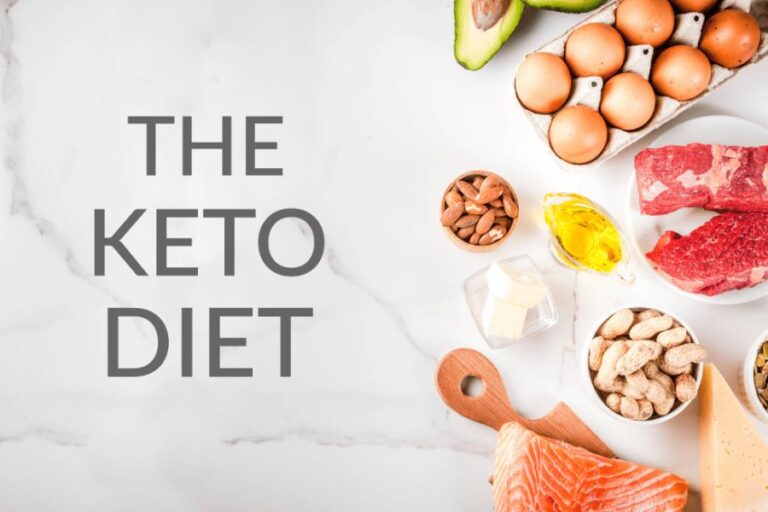
Diet is one of the most reliable ways you can support hormone balance. Instead of concentrating everything into a pill, you spread beneficial nutrients across your daily meals, which is both safer and often more effective over time.
Prioritize quality protein
Protein is essential for hormone production. If your protein intake is consistently low, your body may struggle to produce testosterone at normal levels.
Good protein sources include:
- Lean beef and other red meats in moderate portions
- Chicken and turkey
- Fish and seafood
- Eggs
- Tofu, tempeh, and other soy products
- Nuts and seeds
A review from Vinmec highlights that inadequate protein can contribute to testosterone deficiency, while a balanced intake from these sources supports normal production (Vinmec).
Include vitamin D rich foods
Vitamin D acts more like a hormone than a simple vitamin and plays a role in testosterone synthesis. Fatty fish, such as salmon, tuna, and mackerel, are standout sources. Regularly eating these fish supports natural testosterone production by giving your body one of the raw materials it needs for hormone creation (Vinmec).
Some research has also found that vitamin D supplementation can increase testosterone levels. In one yearlong study, men who took 3,300 IU of vitamin D daily saw about a 20% increase in testosterone (WebMD). If your vitamin D is low, your healthcare provider may recommend a supplement, but food and sensible sunlight remain important foundations.
Get enough zinc and other key minerals
Zinc is closely tied to testosterone production and fertility. Foods rich in zinc include:
- Oysters
- Beef and lamb
- Beans and lentils
These foods support not only testosterone but also immune function (Vinmec).
It is tempting to reach for a high-dose zinc supplement instead, but as that 2020 review showed, some testosterone boosters provide several times the recommended zinc intake, which is not ideal for long-term use (World Journal of Men’s Health). Getting zinc primarily from food, with supplements tailored to your needs by a clinician, is a safer path.
Use onions, garlic, and plant foods to fight oxidative stress
Onions and garlic may not be the first foods you think of for hormone health, yet they offer a compelling combination of benefits. Regular intake has been associated with higher quality sperm and improved hormones that stimulate testosterone production, likely due to their flavonoid antioxidants that protect sperm cells from damage (Vinmec).
More broadly, a diet rich in fruits, vegetables, herbs, nuts, and whole grains provides polyphenols and other antioxidants that help reduce oxidative stress. This matters because oxidative damage can disrupt testosterone production and impair sperm quality. Atlantic Urology Clinics points out that polyphenol-rich foods support both hormone and cardiovascular health by reducing inflammation and oxidative stress (Atlantic Urology Clinics).
Choose healthy fats, not ultra-low-fat diets
Hormones are built in part from fats, so your body needs enough of the right types to maintain a healthy testosterone balance. Diets that are overly restrictive in fat can actually suppress testosterone production (Atlantic Urology Clinics).
Helpful fat sources include:
- Olive oil and avocado
- Fatty fish
- Nuts and seeds
- Eggs in moderation
The Mediterranean diet, which emphasizes these fats along with vegetables, whole grains, and lean proteins, is a powerful example. It is known for its heart-protective and anti-inflammatory effects and may also support healthy testicular function, which is central to testosterone production (Atlantic Urology Clinics).
Build lifestyle habits that naturally support testosterone
Supplements tend to grab the spotlight, but your daily choices about movement, sleep, weight, and stress have a much deeper impact on your hormone health.
Maintain a healthy weight and waistline
Body fat, especially around your abdomen, is metabolically active. It contains an enzyme called aromatase that converts testosterone into estrogen. As belly fat increases, aromatase activity tends to rise, which can drive testosterone down and estrogen up.
Guidance from the U.S. Department of Veterans Affairs notes that maintaining an ideal body weight is one of the most important factors for optimizing male hormones. In fact, they report that roughly a one-point drop in BMI is associated with about a one-point increase in testosterone levels (U.S. Department of Veterans Affairs).
On the other side, obesity and larger waist size are strongly linked with low testosterone. A WebMD summary highlights research showing that a 4‑inch increase in waist size may raise your risk of low testosterone by up to 75% (WebMD).
Focusing on gradual, sustainable weight loss through diet and movement helps you support testosterone without chasing risky quick fixes.
Move regularly, but avoid overtraining
Exercise is one of the most reliable natural testosterone boosters available to you, and it comes with a long list of additional benefits.
The VA Whole Health Library emphasizes that a combination of aerobic exercise and resistance training can:
- Increase testosterone production
- Reduce the risk of heart disease
- Decrease certain cancer risks
However, there is a sweet spot. Overtraining, especially when you combine intense exercise with significant calorie restriction, can lower testosterone and disrupt your overall hormone balance (U.S. Department of Veterans Affairs).
High-intensity interval training (HIIT) and weightlifting are particularly supportive of testosterone when done in reasonable amounts. WebMD notes that these forms of exercise tend to build muscle and boost testosterone, while extreme endurance training, like long-distance cycling or marathon running, may have the opposite effect (WebMD).
Protect your sleep
Testosterone production is closely tied to your sleep cycle. Levels naturally peak during the deeper stages of sleep, especially REM. If you regularly get less than 5 hours of sleep per night, you can see around a 15% drop in testosterone, according to research summarized by Vinmec (Vinmec).
When you consistently aim for 7 to 8 hours of quality sleep, you give your body the sustained time it needs to restore hormone levels, repair tissues, and regulate metabolism.
Manage stress and avoid hormone disruptors
Chronic stress elevates cortisol, a stress hormone that works against testosterone. While some stress is unavoidable, how you respond to it matters. Relaxation techniques, hobbies, regular social connection, and mindful movement such as yoga or walking can all help keep cortisol in check.
The VA also highlights several lifestyle factors that can reduce testosterone, including:
- Tobacco use
- Excessive alcohol intake, defined as more than two drinks daily
- Long-term opioid pain medication use
- Exposure to certain environmental toxins
- Ongoing sleep disruption and unmanaged stress
Reducing or avoiding these factors is a powerful, natural way to protect your hormone balance (U.S. Department of Veterans Affairs).
If a supplement claims to override all of these lifestyle factors with a single pill, it is almost certainly overpromising.
Consider supplements carefully and work with a professional
Some nutrients and herbs are frequently marketed as natural testosterone boosters, including:
- Zinc and magnesium
- Vitamin D
- D‑aspartic acid
- DHEA
- Ashwagandha
Research on these is mixed. For example, vitamin D can clearly help if you are deficient, but taking very high doses when your levels are already normal is not guaranteed to raise testosterone further and may carry risks. Similarly, zinc and magnesium can support hormone production when you are lacking them, but excess intake can cause new problems.
A 2020 article summarized by Healthy Male noted that in a review of 50 testosterone boosting supplements, 18.3% of the compounds showed no effect on testosterone, and roughly 10% may actually lower it. Many products also exceeded recommended daily amounts of nutrients, and some bodybuilding supplements have even been found to contain undeclared androgenic steroids, which can damage the liver and carry serious health risks (Healthy Male).
Before you start any supplement that claims to affect your hormones, it is wise to:
- Get your bloodwork checked, including testosterone, vitamin D, and basic nutrients.
- Review results with a healthcare professional who understands both conventional and integrative options.
- Focus on correcting clear deficiencies with targeted supplements and diet rather than stacking multiple “test boosters” at once.
Lifestyle changes like weight management and regular exercise usually have a larger and more reliable impact on testosterone than supplements alone, although certain products that help inhibit aromatase, the enzyme that converts testosterone to estrogen, may provide an additional small benefit when used under guidance (U.S. Department of Veterans Affairs).
Put it all together for your wellness journey
You do not have to choose between doing nothing and buying an aggressive commercial booster. You can take a more balanced, sustainable approach to natural testosterone boosters that supports your overall health too.
Here is how you might start:
- Upgrade your plate with lean proteins, fatty fish, zinc-rich foods, onions, garlic, colorful fruits, vegetables, and healthy fats, similar to a Mediterranean style of eating.
- Move most days of the week, mixing strength training with moderate cardio, and give yourself rest so you avoid overtraining.
- Aim for 7 to 8 hours of sleep, with a consistent bedtime routine and a sleep-friendly environment.
- Protect your weight and waistline through a combination of diet and exercise, focusing on gradual and sustainable loss if you have extra belly fat.
- Limit alcohol, skip tobacco, and manage stress, so you are not constantly pushing your hormones in the wrong direction.
- Talk with a clinician before using any testosterone boosting supplement, especially if you have existing health conditions or take medication.
Natural testosterone boosters work best when you think of them as part of a bigger wellness picture, not as a shortcut. By building solid habits around food, movement, sleep, and stress, you create the conditions your body needs to produce and maintain healthy testosterone levels over the long term.
About the Author