A scoop of protein powder might seem simple, but when you are asking can whey protein help with fat loss you want a clear, honest answer, not hype. The short version is that whey protein can support fat loss, especially as part of a higher protein diet and active lifestyle, but it is not a magic solution on its own.
Below, you will learn what the research actually says, how whey protein may help you lose fat and keep muscle, and practical ways to use it in your routine.
What whey protein is and why it is popular
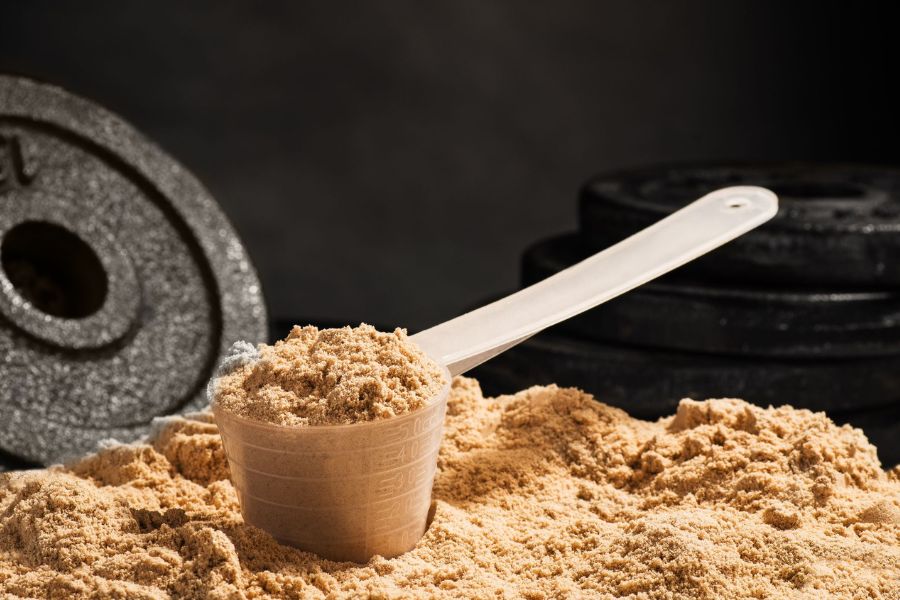
Whey protein comes from milk. When milk is turned into cheese or yogurt, the liquid that separates out is whey. That liquid is then filtered and dried into the powder you see in tubs on store shelves.
You see whey used so often because it is:
- A complete protein with all essential amino acids
- High in branched chain amino acids, especially leucine, which plays a key role in muscle building (PubMed)
- Fast to digest, so your body can use it quickly
These traits make whey popular with athletes, but they also matter if your main goal is fat loss and better body composition.
How whey protein may support fat loss
So, can whey protein help with fat loss in a meaningful way? Research suggests it can support you in several ways, especially when it is part of a balanced, calorie controlled diet.
It can help you feel fuller
Higher protein intake is one of the simplest ways to feel more satisfied on fewer calories. Protein can lower levels of the hunger hormone ghrelin and increase appetite controlling hormones like GLP-1, peptide Y, and cholecystokinin, which help curb appetite (Vinmec).
Some evidence suggests whey may be particularly good at reducing hunger compared with other protein sources such as casein, tuna, turkey, or egg white. This might be because whey is absorbed quickly and can boost appetite suppressing hormones like GLP-1 and GIP while reducing ghrelin (Healthline).
In practice, that can mean:
- Smaller portions at your next meal
- Fewer between meal cravings
- Less snacking on impulse foods like chips or sweets
One study cited by Vinmec found that people who had a high protein yogurt snack in the afternoon ate about 100 fewer calories at dinner than those who ate snacks with the same calories but less protein (Vinmec). You can expect similar effects from a sensible whey based snack.
It can help you keep muscle while losing fat
When you cut calories, you are not just at risk of losing fat. You can lose muscle too. That matters because muscle helps keep your metabolism higher and your body stronger and more functional.
Several studies suggest that adding whey protein to a reduced calorie diet can improve body composition by helping you retain lean mass while losing more fat. In a 12 week randomized, double blind study of obese adults, those who drank a specialized whey fraction called Prolibra lost significantly more body fat than a control group on the same calories, and they kept more lean muscle (Nutrition & Metabolism).
- Prolibra users lost about 2.81 kg of fat versus 1.62 kg in the control group
- They also improved their ratio of fat loss to lean loss, meaning more of the weight they lost was fat rather than muscle (Nutrition & Metabolism)
Researchers think the high leucine content and fast absorption of whey play a big role in stimulating muscle protein synthesis and protecting muscle during weight loss (PubMed, Nutrition & Metabolism).
It may modestly improve metabolism and metabolic health
Epidemiological studies link higher dairy and whey intake with a lower risk of some metabolic disorders that tie into weight and fat gain, such as insulin resistance and cardiovascular issues (PubMed). A 2011 review of 25 human intervention trials found that whey supplementation tended to lower blood glucose and insulin levels in some cases, partly through gut hormones called incretins (PubMed).
Better blood sugar control can make it easier to manage appetite, avoid energy crashes, and stick to a balanced eating pattern. Another study with midlife adults found that those on a higher whey diet saw a significant drop in systolic blood pressure compared with a control group, even though total weight loss between groups was not dramatically different (PMC).
These effects will not replace the need for a healthy diet and exercise, but they are helpful extras working in your favor.
What the research does not show
It is important to be clear about limits. While many studies show promising trends, some do not find a dramatic difference in total weight loss from whey protein alone.
The 2011 review of intervention trials concluded that evidence was not strong enough to recommend a specific dose or duration of whey supplementation purely for fat loss (PubMed). The midlife adult trial mentioned earlier also did not find statistically significant differences in overall weight or fat loss between the whey group and other diet groups, although the whey group did show some favorable trends and better regional fat loss in the legs and hip or thigh area (PMC).
In other words, whey can tilt the odds in your favor, but it will not override a calorie surplus or a very low activity lifestyle.
Think of whey protein as a helpful tool instead of a transformation shortcut. It works best when it supports the basics you are already doing: eating well, moving more, and sleeping enough.
Best ways to use whey protein for fat loss
Once you understand that can whey protein help with fat loss is really about context, the next step is figuring out how to use it in a realistic way that fits your day.
Replace, do not just add calories
If you are trying to lose fat, you want whey to replace other calories, not sit on top of them.
Some simple ways to do this:
- Swap a pastry or sugary cereal breakfast for a smoothie with whey, fruit, and a handful of greens
- Replace a low protein afternoon snack like crackers with a whey shake and a small piece of fruit
- Use whey as your protein source in a light meal, for example a shake plus a side salad
This approach lines up with guidance that protein supplements are most useful if you struggle to reach your protein needs with food alone, and they should be part of your total calorie intake, not extra on top of your usual diet (Healthline).
Spread your protein through the day
Your body handles protein best when you spread it across meals and snacks. A common target many people use is roughly 20 to 30 grams of protein per meal, adjusted for your size and needs.
Vinmec notes that distributing protein evenly or adding protein rich snacks between meals can help keep hunger in check and reduce total calories you eat overall (Vinmec). Whey is convenient here, because you can quickly add 15 to 25 grams of protein to almost any time of day.
Choose a time that fits your routine
You might wonder whether you should take whey in the morning, before workouts, after workouts, or at night. Multiple reviews suggest that for both fat loss and muscle building, total daily protein is more important than exact timing (Vinmec, Natural Force).
That said, some timings can be extra helpful:
- Morning: Starting your day with whey may boost your metabolism slightly and cut mid morning cravings, which can make it easier to turn down pastries or sugary drinks at work (Natural Force).
- Between meals: A small whey snack mid afternoon can reduce the urge to overeat at dinner, similar to the yogurt example above (Vinmec).
- After strength training: This is a classic spot for whey because your muscles are ready to use those amino acids for repair and growth. More muscle over time supports a higher daily calorie burn.
Choose the option that you are most likely to stick with day after day.
Combine it with strength training
Whey on its own will not build or preserve muscle. It simply provides the raw materials. You still need a stimulus, which usually means resistance training or bodyweight exercises.
When you combine whey protein with a modest calorie deficit and regular strength training, you create conditions where you can lose more fat while keeping or even increasing lean mass. Many of the positive body composition changes in studies happen under these combined conditions, not from whey alone (PubMed, Nutrition & Metabolism).
Safety and who whey is right for
For most healthy people, raising protein intake and adding whey is considered safe. Vinmec notes that there is no evidence that a high protein diet including whey harms healthy individuals when it is part of a balanced overall pattern (Vinmec).
Whey can be especially useful if:
- You struggle to hit your protein goals from food alone
- You are older and want to maintain muscle while losing fat
- You are active and need convenient protein around workouts
You may want to be cautious or talk with your doctor first if you have:
- Kidney disease or significantly reduced kidney function
- Known dairy allergy
- Lactose intolerance, in which case a whey isolate with very low lactose may still work, but you should test slowly
Always check the ingredient list too. Some powders contain added sugars, artificial sweeteners you might want to avoid, or other extras.
Putting it all together
Here is a quick recap to keep in mind when you are deciding can whey protein help with fat loss for you:
- Whey protein can support fat loss by improving fullness, helping you keep muscle, and contributing to better metabolic health (PubMed, Healthline, Nutrition & Metabolism).
- It works best when you use it to replace other calories, not as a bonus on top of your normal intake.
- Total protein across the day matters more than exact timing, so pick times, such as breakfast or mid afternoon, that help you control hunger and are easy to keep up.
- Combining whey with a calorie controlled diet and strength training is where you will see the biggest body composition benefits.
- The current research is promising, but it does not support viewing whey as a stand alone fat loss solution. It is a practical tool that supports the basics you are already working on.
If you want to start simply, you might try one whey based swap this week, such as replacing a pastry breakfast with a smoothie that includes a scoop of whey, some berries, and a fistful of spinach. See how your energy and hunger feel, then adjust from there. Over time, those small, consistent changes are what move the needle on fat loss.
About the Author