A lot of people still think of creatine as a “bodybuilder supplement,” but the science tells a very different story. When you look specifically at creatine benefits for seniors, you start to see a simple, affordable tool that can support strength, mobility, bone health, and even aspects of brain function as you age.
Below, you will learn what creatine is, how it works in your body, and what current research says about its benefits and safety for older adults, so you can have an informed conversation with your healthcare provider.
Understand what creatine is and how it works
Creatine is a compound your body makes naturally from amino acids and stores mainly in your muscles and brain. You also get small amounts from foods like red meat and fish. Inside your cells, creatine helps quickly recycle ATP, which is the primary energy currency your body uses for movement and thinking.
As you age, you naturally lose muscle mass and strength, a process called sarcopenia. Your bones can become thinner, and everyday tasks may feel more tiring. Research has shown that supplementing with creatine can increase the creatine and phosphocreatine levels in your muscles, which improves performance in short, high intensity activities that rely on this energy system in older adults who took 20 grams per day for 5 days or 2 grams per day for 30 days (PubMed).
You do not need to be an athlete to benefit from that extra energy. Getting out of a chair, climbing stairs, and carrying groceries all depend on quick bursts of strength that draw on the same system.
Support muscle strength and daily function
One of the most important creatine benefits for seniors is better muscle performance, especially when you pair it with resistance training such as light weights or bodyweight exercises.
A meta analysis of adults aged 57 to 70 found that creatine taken alongside resistance training for 7 to 52 weeks led to a significant increase in lean tissue mass of about 1.37 kilograms and improved upper and lower body strength compared to training without creatine (Journal of Clinical Medicine). That extra muscle and strength can make everyday tasks feel easier and may help you stay independent for longer.
Even without a structured exercise program, short term, higher dose creatine in older adults has been shown to increase body mass, enhance fatigue resistance, improve muscle strength, and boost performance in activities of daily living (PubMed). Some studies have found mixed results when creatine is used without exercise, but the overall pattern is that you see the biggest payoff when you combine creatine with regular movement.
In one group of aging adults with an average age between 57 and 69, those who used creatine during resistance training improved their sit to stand test performance by 23 percent compared with 16 percent in the placebo group. This test is a simple measure of how easily you can rise from a chair, and better performance is linked with a reduced risk of falls (Journal of Clinical Medicine).
Protect bone density and reduce fall risk
Maintaining strong bones is just as important as maintaining strong muscles as you age. Creatine appears to play a helpful role here too, especially when combined with strength training.
Studies in older adults show that creatine use alongside resistance exercise leads to a greater increase in bone mineral density than exercise alone, which may help counteract age related bone loss (PubMed). This matters because low bone density raises your risk of fractures if you do fall.
WebMD reports that creatine supplementation can help counteract age related declines in both muscle and bone mass and may even help stop or reverse conditions like sarcopenia and osteoporosis in older adults (WebMD). These changes show up most clearly in your lower body, where muscle and bone loss are often greatest. In fact, adults aged 57 to 70 who used creatine during resistance training showed greater gains in lower body strength than those who did not supplement, which is important because lower body strength is closely tied to balance and mobility (WebMD).
By helping you maintain stronger muscles and bones and improving your ability to perform simple movements like standing up and walking, creatine may help you stay more stable on your feet and less vulnerable to serious injuries from falls.
Boost brain energy and cognitive function
Creatine is not only stored in your muscles. Your brain also uses creatine to manage its energy needs, and this seems especially important as you age.
Increased brain creatine levels from supplementation have been associated with improved neuropsychological performance and better cognitive processing in situations where thinking is impaired by aging or sleep deprivation (PubMed). In other words, creatine may help support clearer thinking and reduced mental fatigue when your brain is under stress.
A 2023 pilot study from the University of Kansas Medical Center took an important first look at creatine use in people aged 60 to 90 with Alzheimer’s disease. Participants took 20 grams of creatine monohydrate per day for eight weeks. The study found that creatine was feasible and safe to use in this group, and brain creatine levels increased by 11 percent, suggesting that high dose supplementation can raise brain energy stores even in seniors with dementia (KU Medical Center).
Researchers also observed moderate improvements in working memory and executive function, which are areas of thinking that are often affected in Alzheimer’s disease (KU Medical Center). While this was a small, early study and more research is needed, it supports the idea that creatine might play a role in maintaining or supporting cognitive function in older adults.
Experts at UCLA Health note that emerging research suggests creatine may help improve cognitive function and reduce fatigue in older adults, particularly in those who are dealing with sleep loss (UCLA Health). Since creatine helps transport energy within brain cells, there is a clear theoretical basis for its potential benefits in memory and thinking in seniors (KU Medical Center).
Support healthy aging, mood, and inflammation
Beyond muscles, bones, and brain function, creatine may support several other aspects of healthy aging.
UCLA’s dietitian Yasi Ansari notes that creatine’s benefits for seniors include established improvements in muscle strength and exercise performance, along with emerging evidence for supporting cognitive health and mood (UCLA Health). That combination makes creatine an appealing part of a broader healthy aging plan that includes nutrition, movement, and sleep.
There is also preliminary evidence that creatine can have anti inflammatory effects during periods of high metabolic stress, such as long bouts of aerobic exercise, although studies have not found meaningful changes in inflammation markers during resistance training or in osteoarthritis (Journal of Clinical Medicine). Researchers involved in the Alzheimer’s study also highlighted the possibility that creatine supplementation might reduce inflammation and oxidative stress in the aging brain, both of which contribute to neurodegenerative diseases (KU Medical Center).
Creatine may be particularly helpful for post menopausal women, who often experience declines in estrogen that affect muscle and bone health. Early studies referenced by UCLA Health suggest that creatine might support muscle and bone in this group, especially when paired with strength training, although more research is needed to fully understand the combined effects (UCLA Health).
Improve blood sugar control and reduce fatigue
If you are living with type 2 diabetes or are concerned about blood sugar, creatine might offer an additional benefit when combined with exercise. WebMD reports that creatine taken alongside regular physical activity has a positive effect on glycemic control in middle aged and older adults with type 2 diabetes. There are still risks to consider, so it is important to discuss this with your doctor before starting supplementation (WebMD).
Creatine may also help you feel less physically and mentally drained. Short term, higher doses of creatine have been shown to help older adults combat both mental and muscle tiredness, particularly by improving energy levels and reducing fatigue in the lower body (WebMD). Since your leg muscles are heavily involved in walking, climbing stairs, and getting in and out of chairs, this could translate into more confident, comfortable movement in your day to day life.
Dietitians at UCLA Health note that supplementing with 3 to 5 grams of creatine monohydrate per day can raise muscle creatine stores by 20 to 40 percent. That boost improves short burst energy and recovery between bouts of activity, and this mechanism is particularly useful for helping older adults maintain muscle function and keep up with regular exercise (UCLA Health).
Consider skin, topical use, and appearance
Creatine’s influence is not only internal. Your skin also relies on energy to repair and maintain itself. Topical creatine creams used for six weeks in older adults have been shown to significantly reduce signs of skin aging by stimulating collagen growth. That collagen support helps maintain skin flexibility and can reduce the appearance of wrinkles (WebMD).
This topical use is separate from the oral supplements you swallow, but it shows how creatine’s role in cellular energy can influence many tissues throughout your body, including the ones you see in the mirror.
Review safety, dosage, and who should avoid it
With any supplement, safety comes first. The good news is that creatine has been studied extensively in older adults, including postmenopausal women, and has a strong safety profile when used appropriately.
Multiple studies have found that creatine supplementation for up to one year did not negatively affect liver or kidney function markers in aging adults, which supports its safety for most seniors (Journal of Clinical Medicine). UCLA Health experts also note that creatine is safe for most adults, and common mild side effects like gas or bloating can often be reduced by starting with lower doses and skipping a loading phase (UCLA Health).
A typical approach that many clinicians and researchers use is:
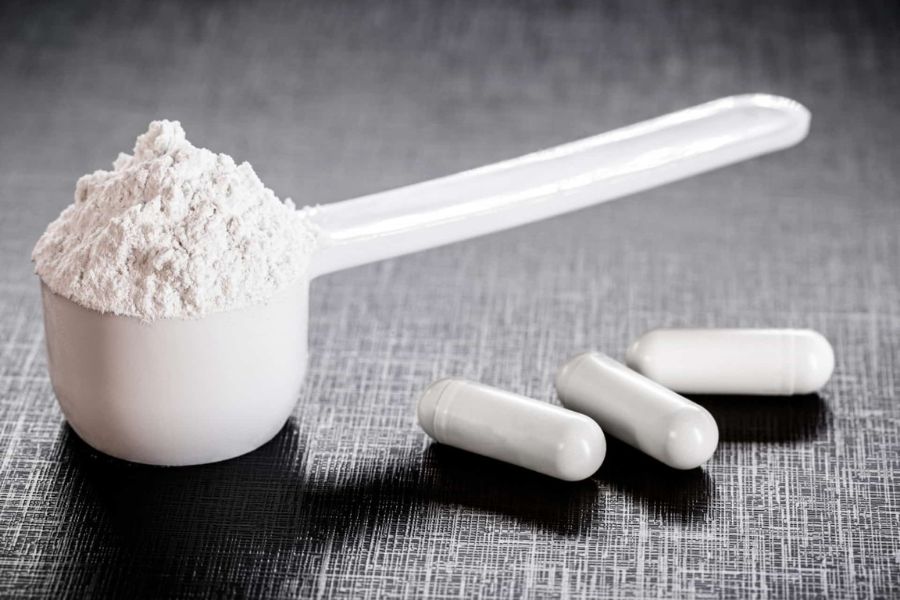
- Daily dose: 3 to 5 grams of creatine monohydrate per day, without a loading phase, for long term use
- Loading option: 20 grams per day split into 4 doses for 5 to 7 days if you want faster saturation, although this is not necessary for results and may increase digestive discomfort
For older adults, especially if you have a sensitive stomach, starting at 2 to 3 grams per day and gradually increasing can be more comfortable.
There are a few important cautions:
- If you have kidney disease or impaired kidney function, you should not start creatine without a clear recommendation and monitoring plan from your healthcare provider. UCLA Health specifically advises seniors with kidney issues to consult their doctor first (UCLA Health).
- If you take medications that affect kidney function or fluid balance, such as certain blood pressure drugs or diuretics, medical guidance is essential.
- If you are managing type 2 diabetes, creatine may help with blood sugar when combined with exercise, but it still needs to be coordinated with your care team due to potential interactions and individual risk factors (WebMD).
Most research uses creatine monohydrate, which is the form you will want to look for. It is well studied, cost effective, and easily available.
A simple way to think about creatine: it is not a magic bullet, but it is a well researched tool that can make your exercise, mobility, and brain health efforts pay off more.
Put it all together for your own health
When you step back and look at the big picture, creatine benefits for seniors touch many aspects of healthy aging:
- Stronger muscles and better performance in daily activities
- Increased lean body mass and improved lower body strength
- Support for bone density when combined with resistance training
- Improved sit to stand performance and a potential reduction in fall risk
- Emerging support for cognitive function, brain energy, and possibly mood
- Help with managing fatigue and improving recovery between activities
- Potential improvements in glycemic control when used with exercise in type 2 diabetes
- Cosmetic and structural skin benefits with topical use
Your next step is not to rush out and buy a large tub of powder, but to talk with your healthcare provider. Share the research based benefits you are interested in, your current medications and conditions, and ask whether creatine, at a dose of around 3 to 5 grams per day, makes sense for you.
If you get the green light, pair creatine with a simple strength routine, such as chair stands, light dumbbells, or resistance bands a few times per week. Over the coming months, you may notice that climbing stairs, standing up, or carrying groceries feels a little easier. That is creatine quietly doing its job in the background, helping you stay strong and independent as you age.
About the Author