A rowing machine does more than give you a quick sweat session. Full body rowing workouts engage your legs, core, back, and arms in a single smooth movement, so you burn calories, build strength, and improve your heart health at the same time. If you are looking for a time efficient way to lose weight and feel fitter overall, rowing is hard to beat.
Below you will find how full body rowing workouts actually work, what the benefits are, and a few simple routines you can start using today, even if you are a beginner.
Understand why rowing is truly full body
Rowing is often described as a 65 to 75 percent leg workout and 25 to 35 percent upper body workout, according to the American Fitness Professionals Association (Healthline). You are not just pulling with your arms. You are driving with your legs, stabilizing with your core, and finishing with your back and shoulders.
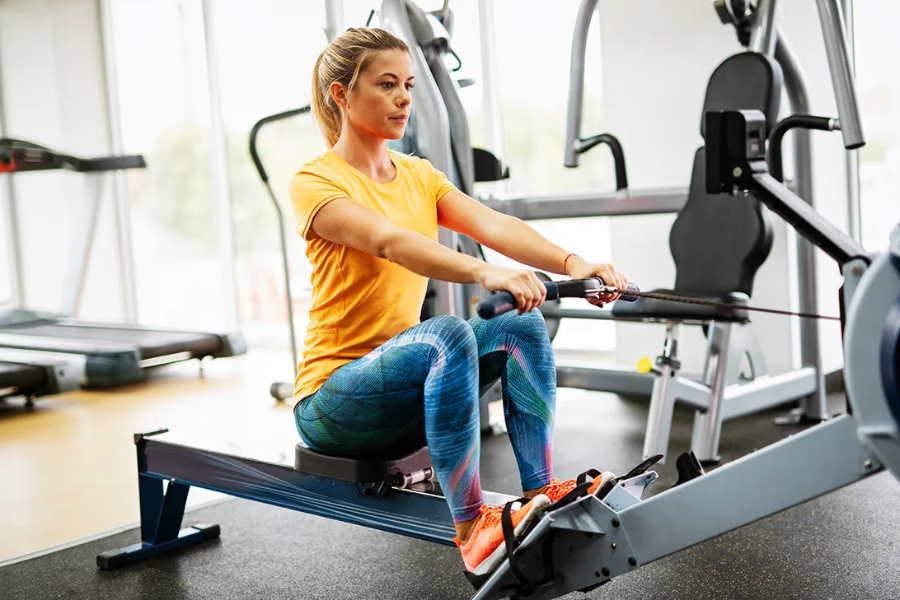
During a full stroke you move through four phases: the catch, drive, finish, and recovery. At the catch your abdominals flex to lean you forward and your triceps extend your arms while your fingers grip the handle (Concept2). In the drive, your glutes and hamstrings extend your hips, your quads push through the footplates, and then your shoulders, biceps, and back take over as you swing the torso open and pull the handle.
At the finish your abdominals keep you stable while your glutes, quads, biceps, and back muscles stay engaged to hold you in position. During the recovery your triceps push the arms forward again and your abdominals, hamstrings, and calves help you slide back to the catch. This constant rotation of muscle groups is what makes full body rowing workouts so efficient (Concept2).
Learn the health and weight loss benefits
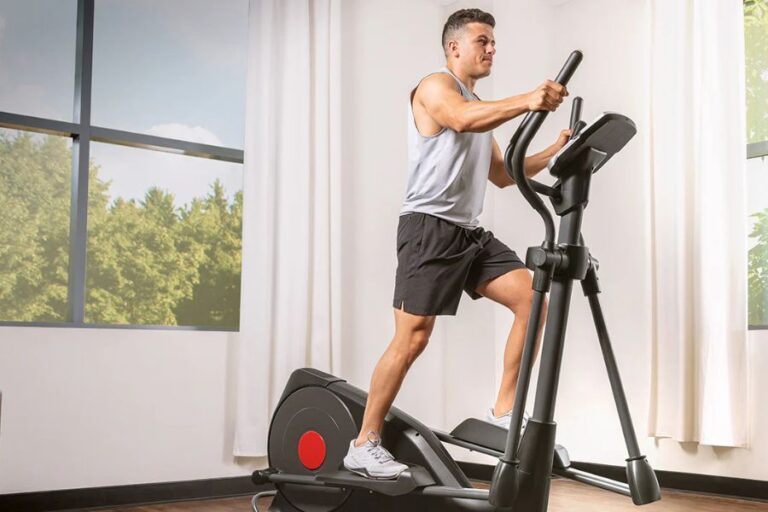
Because so many muscles are working at once, you burn a high number of calories in a relatively short amount of time. A 30 minute rowing session can burn roughly 300 calories, depending on your intensity and body weight (Rowing Machine Workouts). In a more vigorous 30 minute workout, a 155 pound person might burn around 369 calories, which is more than an elliptical session of the same length for the same person (Healthline).
Rowing also helps with more than just fat loss. Regular sessions can:
- Build lean muscle, which may raise your resting metabolic rate over time (Rowing Machine Workouts)
- Improve cardiovascular health and endurance by challenging both your heart and your large muscle groups (Healthline)
- Boost mood and reduce stress, which makes it easier to stay consistent with your workouts (Rowing Machine Workouts)
In one study, people who rowed five days a week for six weeks decreased their fat mass and total body fat percentage, while also improving cholesterol levels and back strength (Healthline). Rowing is also low impact, so it is gentler on your joints than running, yet it burns calories more efficiently than an elliptical for many people (Healthline; Cleveland Clinic).
If you are trying to meet the U.S. Centers for Disease Control and Prevention guideline of 150 minutes of moderate intensity exercise per week, consistent rowing sessions of around 20 minutes a day can help you get there, and you may notice benefits such as improved stamina and posture within a couple of weeks (Cleveland Clinic).
Focus on form before intensity
Good technique is what turns a basic cardio session into a safe, effective full body rowing workout. British Rowing, Concept2, and several major health organizations all emphasize that form should come before speed or resistance (British Rowing; Cleveland Clinic; Sunny Health and Fitness).
Key technique cues
Start by learning the simple four position sequence used by many coaches:
- The catch: Sit tall with your knees bent and shins roughly vertical. Grip the handle with flat wrists and straight arms. Keep your back neutral rather than rounded, and hinge slightly forward from the hips (Sunny Health and Fitness).
- The drive: Push through your heels and mid foot to extend your legs while your arms stay straight. Keep your core tight and your back flat so power travels from the legs to the handle efficiently (Sunny Health and Fitness).
- The finish: As your legs reach almost full extension, lean back slightly past upright and then pull the handle toward your lower chest. Your elbows move along your sides and you exhale at the end of the stroke.
- The recovery: Extend your arms first, then hinge your torso forward from the hips, then bend your knees to slide back to the catch (Sunny Health and Fitness). Think of it as arms, body, legs on the way forward.
British Rowing recommends keeping a neutral back that pivots from the hips throughout the stroke. This alignment helps you transmit power without straining your spine (British Rowing). They also highlight that the drive should be long and powerful, while the recovery is relaxed and controlled, with equal importance placed on both phases.
To fine tune your form you can work with a coach if one is available, or film yourself on your phone so you can check your posture, timing, and handle path. Sunny Health and Fitness specifically encourages using video or a mirror to critique and improve technique, which also lowers your risk of lower back, wrist, or knee injuries (Sunny Health and Fitness).
Try beginner friendly full body rowing workouts
Once you are comfortable with the basic stroke, you can start using structured full body rowing workouts to burn calories and build fitness. It helps to pay attention to a few metrics on your rowing machine display. Most machines track distance in meters, stroke rate in strokes per minute, split time, which is your pace per 500 meters, and power output in watts. As a beginner you can focus on elapsed time, stroke rate, and your perceived effort rather than numbers like watts (Garage Gym Reviews).
Steady state endurance row
Steady rows teach your body how to maintain form and effort for longer periods, which is important for overall cardiovascular health.
Try this simple session:
- Warm up for 5 minutes at an easy pace.
- Row for 15 to 20 minutes at a moderate effort where you can still talk in short sentences. Aim for roughly 20 to 24 strokes per minute.
- Cool down for 5 minutes at a very light pace.
As you get more comfortable you can extend the main rowing block to 25 or even 35 minutes, which is in line with beginner endurance workouts recommended for new rowers (Garage Gym Reviews).
Short HIIT style intervals
High intensity interval training, or HIIT, mixes short bouts of harder rowing with easier recovery periods. This style can help you burn calories quickly and improve both muscular and cardiovascular endurance.
You can start with a simple leg focused interval session:
- Warm up for 5 minutes.
- Row hard for 30 seconds at a challenging but controlled pace.
- Rest for 90 seconds, either completely or by lightly rowing and focusing on smooth leg drive.
- Repeat for 4 to 5 rounds.
- Cool down for 5 minutes.
This gives you around 15 minutes including warm up and cool down, which fits nicely on busy days. As your fitness improves you can add more rounds or shorten the rest periods (Garage Gym Reviews).
A simple 4 week structure
If you enjoy a bit of structure, you can follow a loose schedule inspired by a 4 week rowing weight loss routine that uses 4 rowing workouts per week. That type of plan usually includes a warm up, main set, and cool down, and mixes HIIT days, medium length intervals, and longer steady rows (Rowing Machine Workouts).
Your week might look like this:
- Day 1: Short intervals or HIIT
- Day 2: Rest or light active recovery such as walking
- Day 3: Medium duration intervals, for example 3 x 6 minutes at a moderate effort with 2 minutes easy rowing between
- Day 4: Rest
- Day 5: Longer steady state row of 25 to 35 minutes
- Day 6: Optional easy technique row of 10 to 15 minutes
- Day 7: Rest
A moderate stroke rate of about 20 to 26 strokes per minute is often recommended for these routines so that you can maintain good form while still working hard (Rowing Machine Workouts).
Balance intensity with recovery and nutrition
Full body rowing workouts are demanding in the best way, so recovery and fueling matter. Many structured plans suggest at least three rest days per week, especially when you are new to rowing. Those days give your muscles time to repair and adapt, which supports long term progress and reduces your risk of overuse injuries (Rowing Machine Workouts; Fit&Well).
In a 30 day rowing for weight loss plan, personal trainer Sarah Craske includes a mix of 20 to 50 minute rows that alternate higher intensity intervals, low intensity steady rows, distance challenges, and floor exercises, with rest days woven in throughout the month. She also recommends using tools like foam rollers on rest days to ease delayed onset muscle soreness and help your muscles bounce back faster (Fit&Well).
Paying attention to how you eat around your workouts will help you feel better during and after your rows. A high carbohydrate meal two to four hours before training can give you the energy to keep your stroke powerful. After your workout, a light carb plus high protein snack followed by balanced, protein rich meals can support muscle repair and ongoing gains in strength and endurance (Fit&Well).
Make rowing a habit you look forward to
The real power of full body rowing workouts comes from repetition. Indoor rowing is low impact and suitable for many fitness levels, so you can row consistently several times per week and still be kind to your joints (Healthline; NordicTrack). Many people notice positive shifts in fitness, mood, and sleep quality relatively soon after they start rowing regularly (NordicTrack).
You might begin with just 10 to 15 minutes every other day, focusing on smooth strokes and comfortable breathing. As your confidence grows you can build toward the 150 minutes per week guideline with a mix of steady rows and intervals. Over time you will likely feel stronger in your legs, core, and back, and everyday tasks like climbing stairs or carrying groceries will feel easier.
Full body rowing workouts give you a lot of return for the time you invest. You are improving your cardiovascular system, building muscle, strengthening your posture, and burning calories in every session. Start with one simple workout this week, keep your form clean, and let consistency do the rest.
About the Author