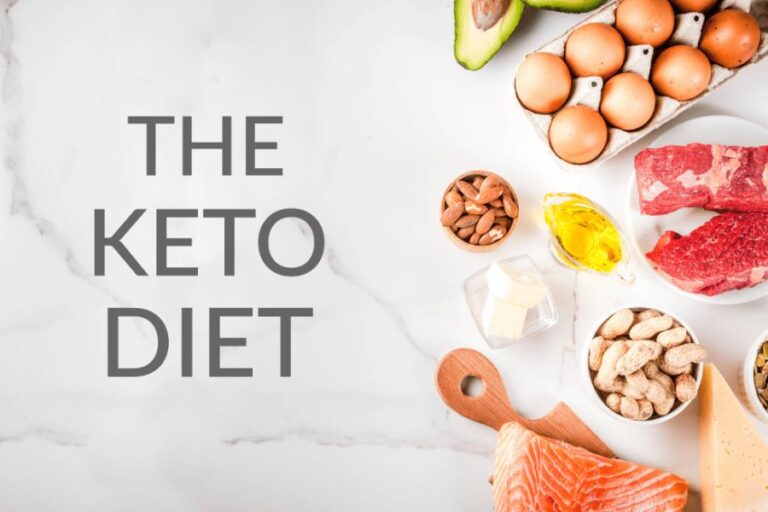
Low carb weight loss is often talked about in terms of the scale, but one of the biggest benefits you may notice first is not what you see, it is how you feel. Many people report steadier energy, fewer crashes, and clearer focus once they cut back on refined carbohydrates and balance their meals with more protein and healthy fats.
If you are wondering how eating fewer carbs could possibly give you more energy, it helps to understand what is going on inside your body when you change the way you eat.
Understand how low carb weight loss works
On a typical Western diet, most of your energy comes from carbohydrates. Bread, pasta, rice, cereal, sugary drinks, and snacks quickly break down into glucose, which your body burns for fuel. When you eat more carbs than you need, your body stores the extra as fat.
A low carb diet flips that script. Instead of getting 45 to 65 percent of your calories from carbs, you reduce that intake significantly and rely more on protein and fat for energy. Some definitions set low carb at under 130 grams of carbs per day, or about 26 percent of your daily calories, compared with a typical 225 to 325 grams in a standard diet (Harvard Health Publishing, Mayo Clinic).
Clinical reviews suggest low carb diets can lead to faster weight loss in the first 6 to 12 months compared with some other approaches, partly because higher protein and fat help you feel full and may slightly increase how many calories you burn each day (NCBI Bookshelf, Mayo Clinic). Over the longer term, differences between diet types tend to shrink, so your consistency matters more than picking a perfect plan.
The key idea is simple: by cutting back on carbs, especially refined ones, you encourage your body to tap into stored fat more often. That shift can change how your energy feels across the day.
Learn how low carb can boost your energy
You might associate carbs with energy, so it can feel counterintuitive that eating fewer of them could leave you more energized. The quality and timing of your energy, however, depend heavily on blood sugar control, not just total carb intake.
Fewer blood sugar spikes and crashes
High carb meals, especially those rich in white bread, pastries, or sugary drinks, can cause a rapid spike in blood sugar followed by a steep drop. That drop often feels like an afternoon crash, increased hunger, and cravings.
Low carb eating helps smooth those swings. By limiting high carb foods and pairing smaller amounts of carbs with protein and fat, you slow digestion and keep your blood sugar more stable. Research shows that low carb diets can improve blood sugar control and reduce insulin resistance, particularly in people with diabetes and prediabetes (Harvard Health Publishing, NCBI Bookshelf).
When your blood sugar is steadier, your energy usually feels steadier too. You are less likely to feel jittery after meals or exhausted a couple of hours later.
Greater satiety and fewer energy slumps
Protein and fat take longer to digest than simple carbohydrates, which means they stay in your system longer and provide a more gradual release of energy. Studies suggest that low carb diets, which naturally push you toward more protein and healthy fats, can increase fullness and help you eat fewer overall calories without feeling deprived (Mayo Clinic, Harvard Health Publishing).
When you are not riding a hunger roller coaster, you are less distracted by cravings, and your energy can go toward work, exercise, and daily life instead of constant snacking.
A new fuel source: ketosis
If you take low carb further, you may enter ketosis, a metabolic state where your body burns fat for energy instead of relying mostly on glucose. This is the idea behind ketogenic diets, which usually provide about 70 to 80 percent of calories from fat, 10 to 20 percent from protein, and only 5 to 10 percent from carbohydrates (Cleveland Clinic).
To reach ketosis, most people need to keep carbs below about 20 to 50 grams per day, roughly the amount in two bananas or one cup of cooked pasta, for several days (Cleveland Clinic). Once in ketosis, your body produces ketones, which can serve as an efficient fuel for your brain and muscles.
Many people report sharper focus and more consistent energy in ketosis, possibly because ketones provide a more stable supply of fuel than fluctuating blood sugar levels (Cleveland Clinic). That said, ketosis is not necessary to benefit from low carb weight loss. You can see improvements in energy just by lowering refined carbs and balancing your plate.
Explore the weight loss and health benefits
Energy is only part of the picture. Low carb approaches can support several health goals at the same time, especially if you focus on whole foods and healthy fat sources.
Support weight loss and fat loss
In the short term, low carb diets often lead to more rapid weight loss than higher carb diets. Reviews suggest this early advantage may come from water loss, a spontaneous reduction in calories because you are more satisfied, and possibly a small increase in daily energy expenditure (NCBI Bookshelf, Mayo Clinic).
Over 12 to 24 months, total weight loss between different diet types tends to look more similar, so the best choice for you is usually the one you can maintain. What low carb can offer is a structure that helps you tune into hunger, cut back on constant snacking, and potentially reduce visceral fat around your abdomen, which is linked with metabolic risk.
Improve blood sugar and diabetes control
If you have type 2 diabetes or prediabetes, low carb eating can be especially helpful. Studies indicate that reducing carb intake can lower hemoglobin A1c, reduce the need for insulin and oral medications, and in some cases lead to diabetes remission, defined as keeping A1c below 6.5 percent without medication for at least 3 months (NCBI Bookshelf).
Better blood sugar control usually translates into fewer energy crashes, less brain fog, and more predictable appetite across the day.
Support heart and metabolic health
Low carb diets are often criticized for their fat content, but the picture is more complex. Research shows that low carb plans can lower triglycerides and increase HDL, the so‑called “good” cholesterol, though effects on LDL cholesterol vary from person to person (NCBI Bookshelf, Harvard Health Publishing).
If you emphasize unsaturated fats from sources like olive oil, avocado, nuts, seeds, and fatty fish, and keep saturated fats from red meat and butter in moderation, you can support both weight management and heart health at the same time (Northwestern Medicine).
Choose foods that keep you energized
The quality of your low carb diet matters as much as the number of grams you track. You will feel more energized if your meals combine lean protein, healthy fats, and plenty of low carb vegetables instead of just swapping bread for bacon.
Build a low carb energy plate
A simple way to structure your meals is to think in three parts:
- Half your plate: non starchy vegetables
- One quarter: protein
- One quarter: healthy fats plus small portions of higher fiber carbs if you include them
Non starchy vegetables like leafy greens, broccoli, cauliflower, zucchini, peppers, and asparagus are low in carbs and high in fiber. They add volume and micronutrients without spiking your blood sugar (Healthline). Protein options such as meat, poultry, fish, eggs, and tofu contain very few carbs and help you stay full, which is important for energy and weight loss (Healthline).
Healthy fats round out the picture. Think olive oil, avocado, nuts, seeds, and fatty fish. These fats help you absorb vitamins and provide a slow burning fuel source.
Sample low carb meals for steady energy
You do not need elaborate recipes to feel the benefits of low carb weight loss. Simple, repeatable meals work best for most people.
For breakfast, you could try scrambled eggs with vegetables and a side of avocado, or a veggie omelet with a sprinkle of cheese. Examples from the Obesity Medicine Association suggest options like scrambled eggs with bacon, avocado with smoked salmon, or low carb pancakes, which can provide around 11 grams of carbs and 12 grams of protein per serving (Obesity Medicine Association).
Lunch might be a salad loaded with leafy greens, grilled chicken, olive oil dressing, and a small portion of nuts. Another idea is zucchini taco boats, which clock in around 300 calories, 15 grams of carbs, and 31 grams of protein per serving (Obesity Medicine Association).
For dinner, you could lean on a protein and non starchy vegetable formula. Think steak with broccoli, chicken with cauliflower rice, or salmon with roasted Brussels sprouts. One example low carb dinner provides about 350 calories, 19 grams of carbs, and 49 grams of protein per serving (Obesity Medicine Association).
Snacks that support energy include a small handful of nuts, Greek yogurt, cheese with cucumber slices, or hard boiled eggs. These keep your blood sugar stable between meals.
Watch out for side effects and common pitfalls
Like any significant diet change, low carb eating can come with an adjustment period and potential downsides. Paying attention to these from the start can help you protect both your energy and your long term health.
Temporary fatigue and “keto flu”
If you sharply cut carbs, especially down to ketogenic levels, you may experience a few days of fatigue, headache, irritability, or brain fog, often called “keto flu.” This happens as your body adapts to using more fat and ketones for fuel and sheds glycogen and water.
Staying hydrated, including electrolytes such as sodium and potassium, and easing into lower carb intake over a week rather than overnight can soften that transition. Ketosis typically takes between two and four days on a very low carb diet, though it can take longer depending on your metabolism and prior carb intake (Cleveland Clinic).
Fiber and nutrient gaps
One challenge of low carb diets is that many high fiber foods, such as whole grains and legumes, are also higher in carbohydrates. If you cut them without replacing that fiber elsewhere, you may deal with constipation or digestive discomfort (Harvard Health Publishing).
You can protect your gut health and energy by:
- Filling your plate with high fiber, low carb vegetables like leafy greens and cruciferous vegetables
- Including small portions of berries or other lower sugar fruits
- Drinking enough water throughout the day
Also remember that very strict low carb approaches can increase your risk of missing key vitamins and minerals if you are not intentional with your food choices (Mayo Clinic, Northwestern Medicine). A varied diet with colorful vegetables, adequate protein, and healthy fats helps cover those bases.
Fat quality and heart health
Low carb does not automatically mean healthy. If most of your calories come from processed meats, butter, and fried foods, you may be increasing your risk of heart disease even as you lose weight. Nutrition experts recommend prioritizing unsaturated fats from olive oil, avocado, nuts, and fatty fish, while limiting saturated fat and avoiding trans fats (Northwestern Medicine).
Long term, it is also worth discussing kidney health with your clinician if you have any pre existing kidney disease. For people with normal kidney function, current evidence does not show that higher protein intake in low carb diets causes harm, but ongoing monitoring is wise (NCBI Bookshelf).
Make low carb work for your lifestyle
For low carb weight loss to genuinely boost your energy, it has to fit your real life. The goal is not perfection. It is finding a pattern you can stick with most days without feeling constantly restricted.
You might start by:
- Cutting obvious sugars in drinks, desserts, and snacks
- Swapping refined grains for either non starchy veggies or smaller portions of whole grains
- Building each meal around a clear protein source and vegetables
- Choosing healthy fats to cook with instead of relying on ultra processed options
Remember that aggressive goals, such as very low carb ketogenic diets, can be harder to maintain and may carry more side effects, from nutrient gaps to potential heart and kidney concerns (Mayo Clinic, Northwestern Medicine). More moderate reductions in carbs, paired with attention to food quality, are often enough to see improvements in weight, blood sugar, and daily energy.
Before you make major changes, especially if you have diabetes, heart disease, kidney issues, or you take medications, talk with your healthcare provider or a registered dietitian. They can help you tailor carb levels and monitor any needed adjustments to medications as your body responds.
If you are curious what low carb weight loss could do for your energy, you might start with one meal. For your next breakfast, build a plate around eggs, vegetables, and a healthy fat like avocado, and skip the refined bread or sugary cereal. Notice how you feel for the rest of the morning. Small, sustainable steps will tell you more about your body than any rulebook ever could.
About the Author