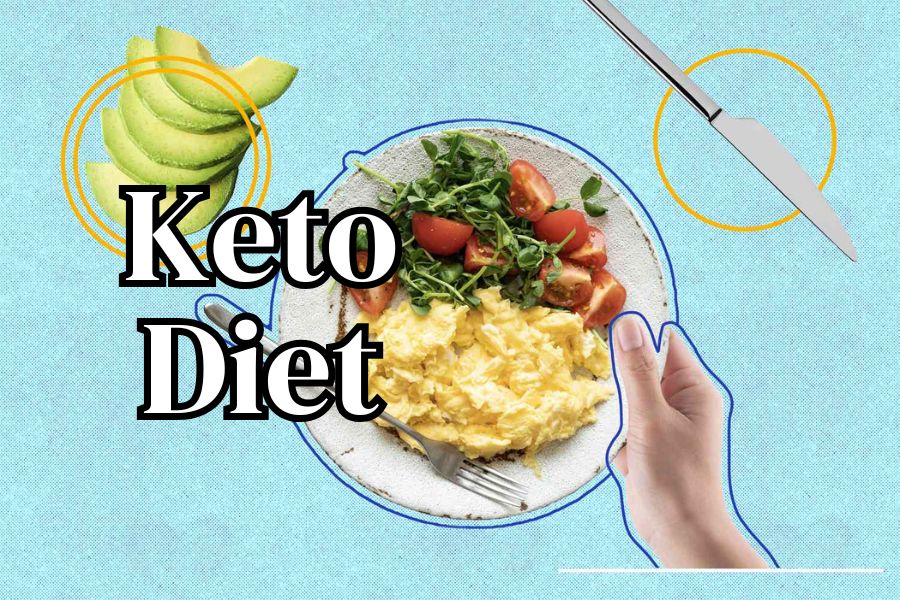
Understand keto and cholesterol
If you follow the keto diet or you are thinking about starting it, you have probably wondered how keto and cholesterol fit together. Keto can help you lose weight and improve blood sugar control, but it can also shift your cholesterol numbers in ways that are not always straightforward.
Some studies suggest ketogenic diets can lower triglycerides and raise HDL, your “good” cholesterol, especially in people with type 2 diabetes (PMC). Other research links very low carbohydrate intake to higher LDL, your “bad” cholesterol, and potential heart rhythm issues in some people (Mass General Brigham).
Understanding what is going on inside your body helps you decide if keto is a good fit, what to watch for on your lab tests, and how to adjust your food choices for better heart health.
How the keto diet changes your metabolism
On a standard eating pattern you usually get 45 to 60 percent of your calories from carbohydrates, which your body breaks down into glucose for energy (Mass General Brigham). Keto flips that script.
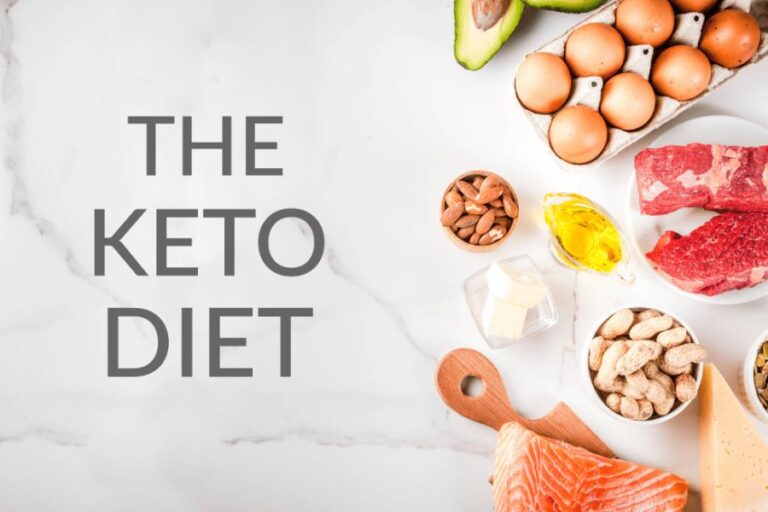
A classic ketogenic diet typically looks like this (Penn Medicine):
- About 75% of calories from fat
- About 20% from protein
- About 5% from carbohydrates
With carbs restricted to this level, your body runs out of its usual glucose supply. In response, your liver breaks down fat into molecules called ketone bodies, and you enter a state called ketosis. You start using fat and ketones as your main fuel source, which is one reason many people lose weight on keto.
Those big shifts in fuel use come with big shifts in how your body handles fats and cholesterol. That is where your blood lipids, inflammation levels, and even your heart rhythm can change.
How keto can improve your cholesterol profile
Despite keto’s reputation for being heavy on fat, research has found several potential benefits for your cholesterol and heart health under the right conditions.
Triglycerides often go down
High triglycerides are a known heart disease risk factor. Multiple studies and meta-analyses have found that ketogenic diets tend to lower triglycerides in people with type 2 diabetes and obesity. In one review, triglycerides decreased by about 0.72 mmol/L after keto treatment (PMC).
Why this helps you:
- Lower triglycerides are linked to a lower risk of cardiovascular events.
- Triglycerides often respond quickly to changes in carbohydrate intake and weight loss, both common on keto.
HDL (“good”) cholesterol often goes up
HDL cholesterol helps carry excess cholesterol away from your arteries and back to your liver for processing. Higher HDL levels are generally considered protective.
Across several studies, people on ketogenic diets showed increases in HDL. One meta-analysis reported an average HDL rise of 0.14 mmol/L (PMC). Penn Medicine also notes that keto can improve HDL levels while enhancing insulin sensitivity (Penn Medicine).
Why this helps you:
- Higher HDL is associated with lower cardiovascular risk.
- If your HDL was low before keto, an increase can be a meaningful improvement in your overall lipid profile.
Weight loss supports better cholesterol
In overweight or obese adults with type 2 diabetes, a 12‑week ketogenic diet led to significant weight loss, from about 78.3 kg to 70.3 kg on average, while a standard diabetes diet group saw no change (PMC).
Weight loss itself tends to:
- Improve triglycerides
- Raise HDL
- Improve blood pressure and blood sugar
So some of the cholesterol benefits you see on keto may come from weight loss rather than ketosis alone, but the result can still be an overall healthier profile.
Keto may offer anti‑inflammatory effects
Beyond basic cholesterol numbers, ketone bodies seem to have direct anti‑inflammatory and potentially cardioprotective effects. A review notes that ketones can inhibit an inflammatory pathway called the NLRP3 inflammasome, reduce pro‑inflammatory cytokines, and protect against oxidative stress (PMC).
Why this matters for you:
- Lower chronic inflammation is tied to healthier blood vessels.
- Reduced oxidative stress may help protect your heart over the long term.
How keto can raise LDL cholesterol
The most confusing part of keto and cholesterol is LDL. Some people see little change or even slight reductions, while others experience dramatic spikes.
Mixed results in controlled trials
In some studies of people with type 2 diabetes, ketogenic diets lowered total cholesterol and LDL cholesterol compared with standard diets and still improved triglycerides and HDL (PMC). That sounds ideal.
However, not all trials line up. In one randomized controlled trial, a keto‑style diet improved triglycerides and HDL in diabetic and pre‑diabetic patients, but LDL increased from 97.8 mg/dL to 111.3 mg/dL. A Mediterranean‑plus diet group in the same study saw LDL drop from 111.5 mg/dL to 95.3 mg/dL (PMC).
This tells you:
- Keto can improve some cholesterol markers while worsening others at the same time.
- Comparing keto to other heart‑healthy patterns, like a Mediterranean diet, is important, not just looking at keto in isolation.
Extreme LDL spikes in some people
A 2023 case series described a small group of people who followed a ketogenic diet for an average of 12.3 months and had striking LDL increases. On average, LDL went up by 187 mg/dL, a 245% rise, with levels ranging from 210 to 810 mg/dL (American Journal of Preventive Cardiology).
Key points from that report:
- After stopping keto, 13 patients saw an average LDL drop of 174 mg/dL, a 220% reduction (American Journal of Preventive Cardiology).
- Some of these individuals were described as “Lean Mass Hyper‑Responders,” meaning they were lean, often very active, and had LDL jumps greater than 200 mg/dL.
- Genetic testing in five patients revealed LDL receptor gene mutations in two, suggesting an inherited tendency to respond strongly (American Journal of Preventive Cardiology).
- Starting statin therapy plus stopping keto led to a 290% LDL reduction, but even those who quit keto without statins saw an 181% drop (American Journal of Preventive Cardiology).
What this means for you:
- A subset of people, especially lean and active ones, may be very sensitive to high‑fat, low‑carb eating, with LDL skyrocketing on keto.
- These LDL increases usually reverse once you adjust your diet, and medication can speed that process if needed.
- You should not assume your LDL will behave exactly like someone else’s, so lab testing is crucial.
Temporary LDL changes when you start keto
Penn Medicine notes that some patients experience a temporary surge in LDL and triglycerides when they first start keto. In the short term, these increases may not raise cardiovascular risk if levels stabilize after several weeks or months (Penn Medicine).
If you see a bump in your LDL soon after going keto:
- It may be part of a short adjustment phase.
- Rechecking your labs after 3 to 6 months gives a clearer picture of your true response.
- You and your clinician can decide whether to tweak your fat sources, modify your carb intake, or consider a different eating pattern.
Keto, heart rhythm, and blood sugar
Cholesterol is not the only heart‑related piece of the puzzle. Keto and very low carb diets can also affect your heart rhythm and long‑term blood sugar control.
Low carb intake and irregular heart rhythms
A study highlighted by Mass General Brigham found that people getting 44% or less of their calories from carbohydrates had a higher risk of irregular heart rhythms, or arrhythmias, compared with those eating more carbs (Mass General Brigham). This was not specifically a keto trial, but it raises questions about very low carb patterns.
Possible reasons include:
- Electrolyte imbalances from reduced insulin and lower carbohydrate intake can disrupt the electrical signals that control your heartbeat (Mass General Brigham).
- Rapid shifts in fluid balance and mineral levels, like sodium, potassium, and magnesium, can contribute.
A more recent long‑term observational study referenced by Penn Medicine found a loose association between lower carb intake, around 44% of calories, and increased atrial fibrillation risk, but it did not study strict keto or prove cause and effect (Penn Medicine).
If you have a history of heart rhythm problems:
- Talk with your cardiologist before starting keto.
- Make sure you have regular monitoring and discuss electrolyte management.
Insulin sensitivity and diabetes risk
Keto is often praised for its benefits on insulin and blood sugar, and research supports some of this:
- Penn Medicine notes that keto can improve insulin sensitivity and help reverse type 2 diabetes in some patients, and even improve blood sugar control in people with type 1 diabetes under careful supervision (Penn Medicine).
- Reviews of keto in type 2 diabetes show better blood lipid profiles, improved glycemic control, and meaningful weight loss compared with standard diets (PMC).
At the same time, Mass General Brigham points out that long‑term, very low carbohydrate intake may lead to insulin resistance when you eventually reintroduce more carbs, raising your blood sugar and type 2 diabetes risk over time (Mass General Brigham).
Putting this together:
- In the short to medium term, keto can improve blood sugar and lower diabetes complications for many people.
- Over the long term, if you stay on strict keto for years and then suddenly increase carbs, your body might struggle to handle glucose well.
- A gradual, guided transition off strict keto may reduce that risk.
The role of dietary fat quality on keto
Not all keto diets look the same. Your choices within the keto framework play a big role in what happens to your cholesterol and heart health.
Saturated versus unsaturated fats
A common mistake is using keto as a reason to load up on fast food burgers, butter, and processed meats. Penn Medicine warns that relying heavily on unhealthy saturated fats, such as those found in many fast foods and red meat, can increase the risk of atherosclerosis and coronary heart disease (Penn Medicine).
Instead, experts recommend focusing on healthier fats:
- Monounsaturated fats from olive oil, avocados, and many nuts
- Polyunsaturated fats from fatty fish, seeds, and some plant oils
These choices are more likely to support healthy cholesterol levels and better vascular health.
Dietary cholesterol versus blood cholesterol
The review of ketogenic diets in type 2 diabetes notes that increased dietary cholesterol intake does not always translate directly into higher blood cholesterol. It highlights an extreme example of an 88‑year‑old man who ate 25 eggs daily for 15 years yet maintained normal blood lipids, and it points out that the USDA removed strict cholesterol intake limits in 2015 (PMC).
For you, this means:
- Your body has regulatory systems that adjust cholesterol production and absorption.
- Some people can tolerate higher dietary cholesterol without big LDL increases, while others are more sensitive.
- Tracking your personal lab results is more reliable than assuming dietary cholesterol will affect you in one specific way.
Keto versus standard heart‑healthy advice
If you look at heart‑focused guidelines, they usually encourage a very different balance of macronutrients than keto.
Mass General Brigham suggests that for heart health, carbohydrates should make up about 45 to 60 percent of your daily calories, focusing on whole, fiber‑rich foods. Soluble fiber in particular can help lower cholesterol and keep blood sugar steady (Mass General Brigham).
Compared with that:
- Keto sharply cuts carbs to about 5 to 10 percent of calories.
- You rely far more on fat, which can be helpful or harmful depending on which fats you choose.
- Fiber intake often drops on typical keto unless you are intentional about including low‑carb vegetables, nuts, and seeds.
You do not have to choose between textbook keto and a standard high‑carb approach. Some people find a middle ground:
- Moderately low carb, not full keto, paired with lots of non‑starchy vegetables, healthy fats, and lean proteins
- A Mediterranean‑style diet that emphasizes extra‑virgin olive oil, fish, legumes, nuts, and whole grains, which has robust evidence for heart protection
If you already have high LDL, a strong family history of heart disease, or existing cardiovascular disease, a more traditional heart‑protective pattern like Mediterranean eating may be safer than long‑term strict keto. That is a discussion to have with your care team.
How to monitor your cholesterol on keto
If you decide to try keto, or you are already on it, you can make it safer and more personalized by closely watching your blood work.
Get a thorough baseline
Before you start keto, ask your healthcare provider for:
- A fasting lipid panel, total cholesterol, LDL, HDL, triglycerides
- Possibly an advanced lipid test, if available, such as LDL particle number and size
- Fasting blood glucose and HbA1c
- Kidney and liver function tests
This gives you a clear starting point so you can tell how your body responds to the diet itself.
Recheck regularly
Once you are in a steady keto routine:
- Recheck your lipids after about 3 months.
- If they are stable and acceptable, consider checking every 6 to 12 months.
- If your LDL jumps significantly, talk with your clinician about next steps.
For context, the case series with extreme LDL elevations followed people for an average of 12.3 months, and LDL came down notably after stopping keto (American Journal of Preventive Cardiology). You do not have to wait a full year to catch big changes.
Watch for other warning signs
Beyond your lab numbers, alert your provider if you notice:
- New chest discomfort or pressure
- Unexplained shortness of breath
- Palpitations, fluttering in your chest, or rapid heartbeats
- Extreme fatigue or dizziness
These can be signs that your heart is under stress, regardless of which diet you are following.
Practical ways to make keto more heart friendly
If you like the way you feel on keto and appreciate the weight loss or blood sugar improvements, you can still take steps to support healthier cholesterol and heart function.
Choose better fats
Aim to get most of your fat from:
- Extra‑virgin olive oil instead of butter or shortening
- Avocados and avocado oil
- Nuts and seeds, such as almonds, walnuts, chia, and flax
- Fatty fish, like salmon, sardines, and mackerel
Limit:
- Processed meats, bacon, sausage, deli meats
- Deep‑fried foods
- Large portions of high‑fat red meat
- Butter and cream as your main fat sources
This simple shift can move your keto pattern closer to a Mediterranean profile, which has stronger evidence for cutting heart disease risk, while still keeping you relatively low carb.
Protect your electrolytes
Because keto alters your insulin and fluid balance, you are more likely to lose sodium and water, which can influence heart rhythm. To lower your risk:
- Drink enough water throughout the day.
- Include sources of potassium and magnesium that fit keto, like leafy greens, nuts, seeds, and some low‑carb vegetables.
- Talk to your clinician before using electrolyte supplements, especially if you take blood pressure or heart medications.
Keep fiber in the mix
Even with very low carbs, you can still get a meaningful amount of fiber:
- Load your plate with non‑starchy vegetables, such as leafy greens, broccoli, cauliflower, zucchini, peppers, and cucumbers.
- Add nuts, seeds, and low‑carb berries in moderation.
- Consider a fiber supplement that fits your carb allowance, cleared by your provider.
Fiber helps:
- Lower LDL cholesterol by binding to bile acids
- Support a healthy gut microbiome
- Maintain regular digestion, which can be an issue on very low carb diets
Plan for the long term
Ask yourself:
- Is strict keto something you can maintain for years, or is it more of a short‑term tool?
- How will you transition off keto if you decide to loosen your carb limit?
Because there is some concern that long‑term carb restriction can lead to insulin resistance when carbs are reintroduced (Mass General Brigham), it helps to:
- Gradually increase your carbohydrate intake instead of jumping quickly from keto to high carb.
- Choose whole, high‑fiber carb sources such as beans, lentils, oats, and whole fruits when you add carbs back.
- Monitor your blood sugar and lipids through that transition.
When you should be extra cautious
Keto is not the same for everyone. You should be especially careful and work closely with a healthcare professional if you:
- Already have high LDL cholesterol or familial hypercholesterolemia
- Have a personal or strong family history of heart disease or stroke
- Have had arrhythmias like atrial fibrillation
- Live with type 1 diabetes or advanced type 2 diabetes
- Take medications that affect electrolyte balance or heart rhythm
In these situations, the potential benefits in weight or blood sugar need to be weighed against possible risks to your cholesterol and heart.
Key takeaways about keto and cholesterol
Keto and cholesterol have a complex relationship. On one hand, keto can:
- Lower triglycerides
- Raise HDL
- Promote weight loss and improve insulin sensitivity
- Possibly reduce inflammation in your blood vessels
On the other hand, keto can:
- Raise LDL cholesterol in some people, sometimes dramatically
- Contribute to heart rhythm concerns if electrolytes become imbalanced
- Conflict with long‑standing heart‑healthy guidelines that favor higher fiber and moderate carbs
Your best approach is personal and data driven. If you choose keto, build it around healthier fats, plenty of low‑carb vegetables, and regular lab monitoring. Work with your healthcare provider to interpret changes in your cholesterol, adjust your plan, and decide whether keto is a good long‑term fit for your heart and overall health.
About the Author