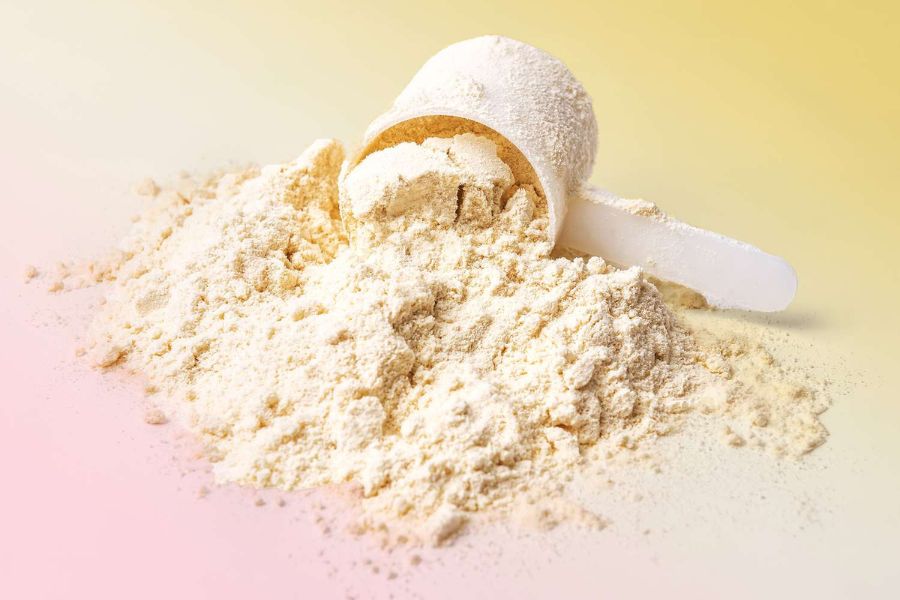
A tub of whey protein powder can look like a shortcut to muscle and fat loss. Before you add a scoop to your routine, it helps to understand what whey actually does in your body and how it fits with your goals. When you know the basics, you can decide whether whey protein powder for men is a smart addition or just an expensive extra.
Understand what whey protein is
Whey is one of the main proteins in cow’s milk. When milk is turned into cheese or yogurt, the liquid that separates out is whey. That liquid is then processed and dried into the whey protein powder you see on store shelves.
Whey is considered a complete, high quality protein. It contains all nine essential amino acids that you must get from food, and your body absorbs it quickly compared with many other protein sources (Healthline). That rapid absorption is one reason you often see people drinking it right after a workout.
Inside whey you will find a mix of proteins such as beta lactoglobulin, alpha lactalbumin, and serum albumin, plus branched chain amino acids like leucine, isoleucine, and valine. These amino acids are especially important if you want to repair tissue and build new muscle (MedPark Hospital).
Compare the main types of whey
Not all whey powders are the same. The label usually tells you whether the product is concentrate, isolate, or hydrolysate. The type you choose changes the protein content, how it might feel on your stomach, and the price.
Here is a quick comparison:
| Type of whey | What it is | Pros | Considerations |
|---|---|---|---|
| Concentrate | Typically 70 to 80 percent protein, with some carbs and fat | Most affordable, often tastes creamier, retains more milk nutrients | Not ideal if you are very carb conscious or highly lactose sensitive (Healthline) |
| Isolate | Usually 90 percent or more protein, with most carbs and fat filtered out | Higher protein per scoop, lower lactose, good for cutting or sensitive stomachs (Men’s Health) | Costs more, slightly thinner texture |
| Hydrolysate | Predigested using enzymes so your body absorbs it faster | Very quick absorption, often easier to digest, useful post workout (MedPark Hospital) | Often the most expensive, taste can be more bitter |
For most men, whey protein concentrate gives a good balance of price, taste, and nutrition. If you struggle with lactose or want very low carbs and fat, isolate or hydrolysate might fit you better (Healthline).
See how whey supports muscle and strength
If you lift weights or do body weight training, you put tiny tears in your muscle fibers. Protein gives your body the building blocks to repair those tears and make the muscle thicker and stronger.
Whey is especially useful here for two reasons.
First, it has a high concentration of leucine, the key amino acid that kicks off muscle protein synthesis. Research shows whey can promote muscle growth and help slow age related muscle loss when you combine it with resistance training (Healthline).
Second, your body absorbs whey quickly, so you get amino acids into your bloodstream soon after you drink it. In trained young men, even small amounts of whey with carbohydrates can stimulate muscle protein synthesis after lifting (WebMD).
Several sources suggest that about 20 to 40 grams of protein at a time is enough to maximize muscle building in most adults, which lines up with a typical scoop of whey protein powder (Harvard Health Publishing). Many fitness focused products contain 20 to 30 grams of protein per serving and 2 to 3 grams of leucine, which is the range you often see recommended for muscle growth (Men’s Health).
If you are aiming to build size, your overall daily protein intake and calorie surplus matter more than any single shake. Whey is simply a convenient way to hit your target when your regular meals fall short.
Consider benefits beyond muscle
You might think of whey protein powder for men only in terms of biceps and bench press numbers. The research suggests a wider impact, especially when you are active.
Studies have linked whey protein to:
- Better preservation of lean mass while losing fat
- Improved satiety and lower overall calorie intake
- Support for blood sugar control
- Small improvements in blood pressure in some people
Whey can help you feel fuller, which may reduce snacking and make it easier to maintain a calorie deficit. Some research indicates it can slightly increase metabolism, roughly 80 to 100 extra calories burned per day, while helping you lose fat and keep more lean muscle mass (Healthline).
Daily intake of around 30 grams of whey protein isolate for 10 to 12 weeks has been linked with modest reductions in systolic blood pressure in people with overweight, likely because of specific peptides that affect blood vessel function (Healthline).
There is also evidence that whey can improve insulin function and help regulate blood sugar when products are low in added sugars. This makes whey a useful supportive tool for managing type 2 diabetes, under medical guidance (Healthline).
On the recovery side, whey raises levels of glutamine and glutathione in your body, which may support antioxidant defenses and immune function, especially when you are training hard or under stress (WebMD).
Match whey to your specific goals
How you use whey depends on what you want from your training and your health.
If you want to build muscle
Your priority is enough total protein and a slight calorie surplus. Aim for about 20 to 40 grams of protein at each meal, which can include a scoop of whey. Men’s Health suggests 30 grams of protein per meal as a practical target, with 2 to 3 grams of leucine per serving to stimulate muscle protein synthesis (Men’s Health).
Timing matters less than total intake, but drinking whey before or after lifting is convenient and supported by research. A controlled trial in young men found that protein taken immediately before and after resistance exercise for 12 weeks produced greater gains in muscle size, strength, and training volume than a placebo, even though the supplement group ate slightly less protein from regular food (Journal of Exercise Nutrition & Biochemistry).
If you want to lose fat and keep muscle
Here your focus is a calorie deficit with enough protein to protect lean mass. Whey can help by increasing fullness and preserving muscle while you lose weight. Studies show whey intake can reduce appetite and energy intake, in part by affecting appetite related hormones (WebMD).
Replacing a lower protein snack with a whey shake that contains 20 to 30 grams of protein can make it easier to stay within your calorie range without feeling deprived.
If you are older and want to stay strong
As you age, your muscles become less responsive to smaller protein doses, which means you often need a bit more per meal to get the same effect. Harvard Health notes that older men may benefit from 1.5 to 2 times the standard recommended dietary allowance for protein to fight age related muscle loss (Harvard Health Publishing).
Whey can be a useful tool here, especially if your appetite is limited or chewing large portions of meat is difficult. Studies have shown that whey isolate combined with strength training can increase lean mass and strength even in middle aged and older men (WebMD).
Use whey safely and in the right amount
Protein powders are convenient, but they are still supplements. For most healthy adult men, you can meet protein needs through regular food such as meat, eggs, dairy, beans, and tofu (Harvard Health Publishing).
If you decide to use whey, typical guidance is:
- 1 to 2 scoops per day, or about 25 to 50 grams of protein, usually after workouts or between meals when your food intake is lower
- Use whey to fill gaps, not to replace all whole food protein in your diet
Whey has a strong safety record for healthy people, but you still want to use it in moderation. Men with kidney or liver issues should talk with a healthcare provider before adding high dose protein supplements (Healthline).
Some men experience digestive symptoms like gas, bloating, or cramps, especially if they are lactose intolerant. In that case, you might tolerate isolate or hydrolysate better because they contain less lactose (MedPark Hospital).
Watch out for hidden ingredients and contaminants
Not every tub of whey is equally safe or clean. Many commercial powders include added sugar, artificial flavors, thickeners, and other extras that you may or may not want. Harvard Health points out that these additions can change the health impact of the product and add calories you did not plan for (Harvard Health Publishing).
A 2024 review by the Clean Label Project found that a number of protein powders contained measurable amounts of heavy metals such as lead, arsenic, cadmium, and mercury, as well as BPA and pesticides. Some products even exceeded regulatory limits (Harvard Health Publishing).
Because of these concerns, registered dietitians often recommend using protein powders only under medical guidance and focusing on whole food protein sources whenever possible (Harvard Health Publishing).
If you do buy whey:
- Look for products tested by third party organizations such as NSF Certified for Sport, which check for label accuracy and unsafe levels of toxins (Harvard Health Publishing)
- Choose powders with minimal added sugars and shorter ingredient lists when you can
- Be careful with mega dose “mass gainer” blends that pack a lot of calories and additives into each serving
Decide if whey protein fits your routine
Whey protein powder for men is not magic, but it can be a practical tool when it matches your needs.
It is likely a good fit if:
- You lift or train regularly and struggle to hit your daily protein goal with food alone
- You want a quick, portable option right before or after workouts
- You are older, have a lower appetite, and want to protect muscle
- You prefer a simple, consistent way to track protein intake
You might skip or limit it if:
- You already get enough protein through balanced meals
- You have kidney, liver, or significant digestive issues and have not spoken with a clinician yet
- You prefer to avoid ultra processed foods and possible exposure to contaminants
- You find that powders lead you to ignore overall diet quality
If you decide to try whey, start with one scoop per day for a few weeks. Pay attention to how your body feels, how well you recover from workouts, and whether it actually solves a problem, such as missed protein targets or afternoon hunger. You can always adjust the dose or type of powder, or switch back to whole food, once you see how it fits your life.
About the Author