What intermittent fasting after 40 really means
Intermittent fasting after 40 is not the same experience as it is in your 20s. Hormones shift, muscle is easier to lose, and sleep or stress can feel different too. All of this changes how your body responds to any eating pattern, including fasting.
In this age range, you are probably thinking about intermittent fasting to lose weight, support your heart, or simply feel better day to day. Research suggests there can be real benefits for metabolism, cellular health, and inflammation, especially with popular methods like 16:8 time restricted eating (PMC, Medium). At the same time, new data also raises concerns about very short eating windows and long term heart health (American Heart Association).
Understanding what to expect, the pros and cons, and how to choose a schedule that fits your life will help you decide whether intermittent fasting is a good tool for you.
Understand the main intermittent fasting methods
Intermittent fasting after 40 does not have to mean extreme schedules. You have several patterns to choose from, and the right one depends on your health, medications, and daily routine.
16:8 time restricted eating
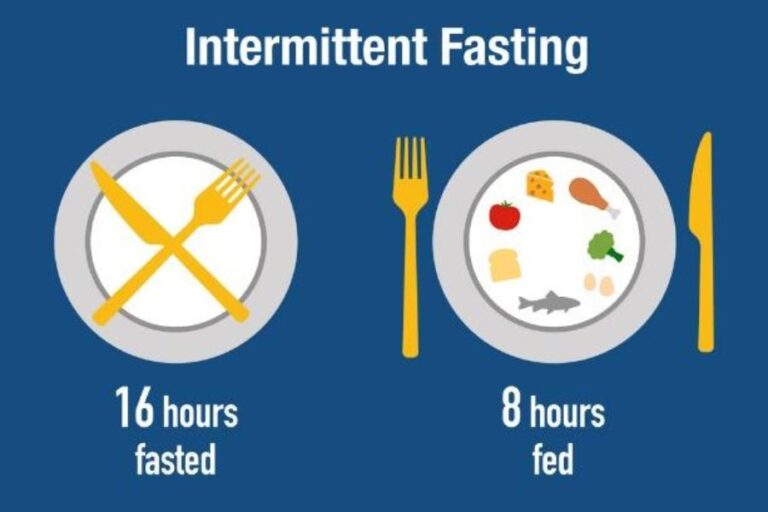
The 16:8 method is the most common starting point for people over 40. You fast for 16 hours and eat during an 8 hour window each day, often something like 10 a.m. to 6 p.m. or 11 a.m. to 7 p.m.
- Half of the fasting period usually happens while you sleep, which makes it more manageable
- It is flexible enough to work around family meals and work hours
- Studies have found that 16:8 over 2 weeks can improve glucose metabolism and insulin resistance (PMC)
For many women over 40, 16:8 is recommended as a moderate way to support hormone balance and insulin sensitivity around perimenopause and menopause (Medium).
Shorter eating windows like 4:20
Some plans tighten the window further, such as the “warrior diet” with a 4 hour eating period and 20 hour fast. One study followed pre and postmenopausal women on this approach for eight weeks and found:
- No major changes in most sex hormones, such as estradiol, estrone, progesterone, testosterone, and androstenedione
- A 14% drop in DHEA that still remained within the normal range
- Weight loss of about 3% to 4% and lower insulin resistance and oxidative stress compared to controls (UIC Today)
These results suggest potential metabolic benefits, but a 4 hour window can be hard to manage socially and can increase the risk of under eating, especially if you are trying to protect muscle and bone health.
Other common patterns
You might also see:
- 14:10, a gentler version of time restricted eating with a 10 hour eating window
- 5:2, where you eat normally 5 days a week and limit calories to very low levels on 2 nonconsecutive days
- Alternate day fasting, with a pattern of eating normally one day and severely restricting the next
For most adults over 40, especially if you take medications or want to maintain muscle, a daily routine like 14:10 or 16:8 is usually easier to sustain than more extreme schedules.
Know the potential health benefits after 40
When you look at intermittent fasting after 40, the most talked about benefits involve weight, blood sugar, and how you feel day to day. Research points to several possible advantages, especially for women in perimenopause or menopause.
Weight management and body composition
Hormonal shifts in your 40s can slow your metabolism and make fat loss more challenging. Intermittent fasting may help by:
- Improving insulin sensitivity, so your body can use glucose more efficiently (Clinikally, PMC)
- Encouraging your body to switch to fat as a fuel source during the fasting window
- Naturally creating a calorie deficit if you are not overeating during your eating period
In studies, intermittent fasting has been linked to modest weight loss in women, such as the 3% to 4% reduction seen in the warrior diet trial (UIC Today). Over time, even small changes can support healthier blood pressure and cholesterol.
Better blood sugar and metabolic health
After 40, you may notice that your blood sugar responds more strongly to meals or that your doctor is watching for early signs of insulin resistance. Intermittent fasting has been associated with:
- Lower fasting glucose and improved insulin resistance (HOMA-IR) after using methods like 16:8 for as little as two weeks (PMC)
- Shifts in hormones such as leptin and adiponectin that support better glucose metabolism and may reduce the severity of metabolic syndrome (PMC)
These changes can translate to more stable energy, fewer crashes after meals, and a lower risk of type 2 diabetes in the long term, especially when paired with nutrient dense food choices.
Hormones and menopause related symptoms
Hormonal fluctuations during perimenopause and menopause can affect how your body responds to fasting. Some potential benefits include:
- Improved insulin sensitivity which can indirectly support estrogen and progesterone balance
- Possible support for hormone related weight gain, especially around the abdomen (Clinikally, Medium)
In the University of Illinois Chicago study, key reproductive hormones in postmenopausal women remained largely stable while on a 4 hour eating window, which suggests that short term intermittent fasting did not disrupt these hormones in that group (UIC Today).
However, because your hormone levels are already shifting during this life stage, it is important to listen closely to your body and work with a healthcare professional if you notice mood, cycle, or sleep changes when you start fasting.
Energy, focus, and inflammation
Many adults over 40 try intermittent fasting not only for weight, but also for how they feel. Some reported and researched benefits include:
- Increased energy and mental clarity, likely supported by steadier blood sugar and shifts in brain chemistry (Clinikally, Medium)
- Reduced inflammation and improvements in markers of oxidative stress over time (PMC, UIC Today)
- Cellular repair through autophagy, a process where your body clears damaged cells, which may help lower the risk of some age related diseases (Medium)
You may notice some of these effects after a few weeks, once your body has adjusted to the new rhythm.
Be aware of risks and cautions after 40
Alongside benefits, intermittent fasting after 40 comes with specific concerns. Your heart, bones, hormones, and even your medication schedule can all be affected.
Heart health and very short eating windows
One recent analysis raised questions about very tight eating windows. In a study of over 20,000 U.S. adults, people who limited their eating to less than 8 hours per day had a 91% higher risk of death from cardiovascular disease compared with those who spread eating across 12 to 16 hours daily (American Heart Association).
Important details to keep in mind:
- The study relied on self reported data from only two days, which leaves room for errors and does not fully capture long term habits
- It showed an association, not a direct cause and effect relationship
- The researchers highlighted the need for more detailed research before drawing firm conclusions
Still, if you already have heart disease or cancer, the study author advised caution with very short daily eating windows (American Heart Association). In that situation, a more moderate schedule and close medical guidance are especially important.
Hormonal balance and stress response
Fasting itself is a kind of stress on the body. In your 40s, when hormones are shifting, that stress can be helpful or too much, depending on how you approach it.
Possible concerns include:
- Worsening hormonal imbalance if fasting is too aggressive or calories are too low
- Triggering or worsening anxiety or sleep problems in some people
- Short term changes in hormones such as testosterone in men during intense or prolonged fasting, even if longer term improvements are possible with fat loss (PMC)
Women are often more sensitive to fasting related hormone shifts, partly because of menstrual and menopausal changes (Verywell Health). If you notice your mood, cycle, hot flashes, or sleep clearly worsen after starting intermittent fasting, it is a sign to pause and adjust.
Nutrient intake, bone health, and muscle
As you age, your needs for protein, calcium, vitamin D, and other nutrients become even more important. Potential risks of intermittent fasting after 40 include:
- Nutrient deficiencies if you eat too few calories or skip nutrient dense foods
- Negative effects on bone health from long term calorie restriction or poor intake of calcium and vitamin D (Medium)
- Loss of muscle mass if you cannot fit adequate protein into a short eating window
Older adults who want to maintain or build muscle are generally advised to avoid extreme fasting schedules that leave very little time to eat enough protein (Verywell Health). If protecting strength and function is one of your goals, this is important to factor into your choice of schedule.
Medications and medical conditions
If you are over 40 and take medications, especially those timed around meals, fasting may affect how safely you can use them. For example:
- Adults with diabetes who take medications that lower blood sugar should avoid long fasting windows unless supervised closely, to reduce the risk of low blood sugar events (Verywell Health)
- Some medications for blood pressure, thyroid, or other conditions may need food to prevent side effects
In these cases, you will want to coordinate with your healthcare provider before starting intermittent fasting so any necessary adjustments can be made.
Choose an intermittent fasting plan that fits your life
Intermittent fasting after 40 works best when it supports your real schedule rather than fighting it. Consistency is easier when the plan makes sense for your days.
Align your fasting window with your routine
When you decide on a schedule, consider:
- Work hours and commute
- Usual family meals, like dinner with a partner or kids
- Workout times, especially if you exercise intensely
- Sleep habits and how late you tend to stay up
For example, if you usually have dinner with your family around 7 p.m., a 16:8 window from 11 a.m. to 7 p.m. might fit more naturally than 8 a.m. to 4 p.m. Verywell Health recommends choosing an intermittent fasting schedule that works with your lifestyle, since that improves adherence and your chance of seeing results (Verywell Health).
Start gently and adjust
If you are new to fasting or unsure how your body will respond, you can:
- Begin with 12:12, such as eating from 8 a.m. to 8 p.m., simply avoiding late night snacking
- Gradually shift to 14:10, then to 16:8 if you feel well
- Stay alert to signs of excessive hunger, irritability, dizziness, or sleep disruption
You do not have to pursue the most restrictive plan to benefit, especially after 40. A milder but sustainable pattern is often more helpful than an extreme routine you stop after a few weeks.
Decide when not to fast
Intermittent fasting is not right for everyone at every time. You should speak with your healthcare provider first if you:
- Have diabetes, heart disease, a history of eating disorders, or are on multiple medications
- Are recovering from surgery or illness
- Are underweight or have been advised not to lose weight
You may also choose to pause fasting temporarily during times of high stress, travel, or major schedule changes, then return to it when your routine settles again.
Eat for strength and hormone health during your window
What you eat during your eating window matters just as much as how long you fast. Intermittent fasting after 40 works best when your meals support stable blood sugar, muscle maintenance, and hormone balance.
Prioritize nutrient dense foods
To make the most of fewer meals, focus on:
- Plant based proteins, such as lentils, quinoa, tofu, and beans
- High quality animal proteins if you eat them, like fish, eggs, poultry, or yogurt
- Healthy fats, including avocados, nuts, seeds, and olive oil
- Colorful fruits and vegetables for vitamins, minerals, and antioxidants
Dr. Sarah Bonza specifically recommends nutrient dense meals rich in plant proteins, healthy fats, and plenty of produce for women over 40 who practice intermittent fasting, to support muscle mass, hormones, and reduced inflammation (Medium).
Protect muscle and bone
In your 40s and beyond, preserving muscle and bone helps you stay strong, mobile, and independent. While fasting, you can support this by:
- Including protein in each meal or snack within your eating window
- Avoiding very long fasts that make it hard to meet your daily protein needs (Verywell Health)
- Making space for strength training or resistance exercise a few times per week
Fasting increases growth hormone, which can help protect muscle protein during the fasting period, but only if you still meet your protein and calorie needs overall (PMC). You may also want to speak with your provider about calcium and vitamin D if your intake is low.
Support your gut and hormones
Intermittent fasting appears to influence the gut microbiome, which in turn can affect hormone production, including testosterone and other sex hormones (PMC). You can support a healthy gut by:
- Eating a variety of fiber rich plants
- Including fermented foods if they agree with you, such as yogurt or kefir
- Avoiding the temptation to rely on low nutrient, ultra processed foods during your eating window
This combination of a balanced microbiome, steady blood sugar, and adequate nutrients gives your hormones a stronger foundation as you age.
Watch for common changes when you start
When you first try intermittent fasting after 40, you might notice short term shifts as your body adjusts. Some are expected, while others are signs you need to modify your approach.
The adjustment period
In the first one to two weeks, you may feel:
- Stronger hunger between meals or just before your eating window opens
- Temporary dips in energy, especially if your usual breakfast was large
- Mild headaches if you are not hydrating enough
These effects often improve as your body becomes more accustomed to using stored energy. Drinking water, herbal tea, or black coffee during the fast, if your plan allows it, can help you stay comfortable.
Positive signs to look for
As your body adapts over several weeks, you might notice:
- Clearer hunger and fullness cues, with less grazing
- Fewer energy crashes after eating
- Gradual changes in weight or waist measurements
- Better focus during parts of the day that used to feel sluggish
In some studies, women reported increased energy levels and mental clarity with intermittent fasting, which may be especially welcome if you are navigating menopause related fatigue (Clinikally).
Warning signs that mean you should pause
It is just as important to notice when intermittent fasting is not serving you. You should slow down, adjust, or stop and talk with a healthcare professional if you experience:
- Persistent dizziness, weakness, or shakiness
- Worsening mood, anxiety, or sleep
- Missed periods or new cycle irregularities if you are still menstruating
- Ongoing digestive distress or pain
- Signs of disordered eating, such as obsession with the clock or guilt around eating
Your goal is to support long term health, not to power through an approach that leaves you feeling worse.
Decide if intermittent fasting after 40 is right for you
Intermittent fasting after 40 can be a helpful tool, but it is not a universal solution. It is one option among many for managing weight, improving metabolic health, and navigating hormonal changes.
When you think about whether it fits your life, ask yourself:
- Do you feel better, more focused, and more in control of your hunger after a few weeks, or more stressed and restricted?
- Can you meet your nutrient and protein needs during your eating window without feeling rushed?
- Does the plan work alongside your medications and medical conditions, with your provider’s guidance?
- Does the schedule leave room for social life, family meals, and flexibility?
If the answers lean toward “yes,” a moderate pattern like 14:10 or 16:8, built around nutrient dense food, may be worth exploring further. If the answers lean toward “no,” or you have complex health needs, you might choose a different strategy for your goals, such as gentle calorie reduction without time limits, focusing on meal quality, or adjusting your movement routine.
Intermittent fasting is most effective when it respects your age, your hormones, and your real life. You can experiment carefully, track how you feel, and work with your healthcare team to find an approach that supports your health now and in the decades ahead.
About the Author