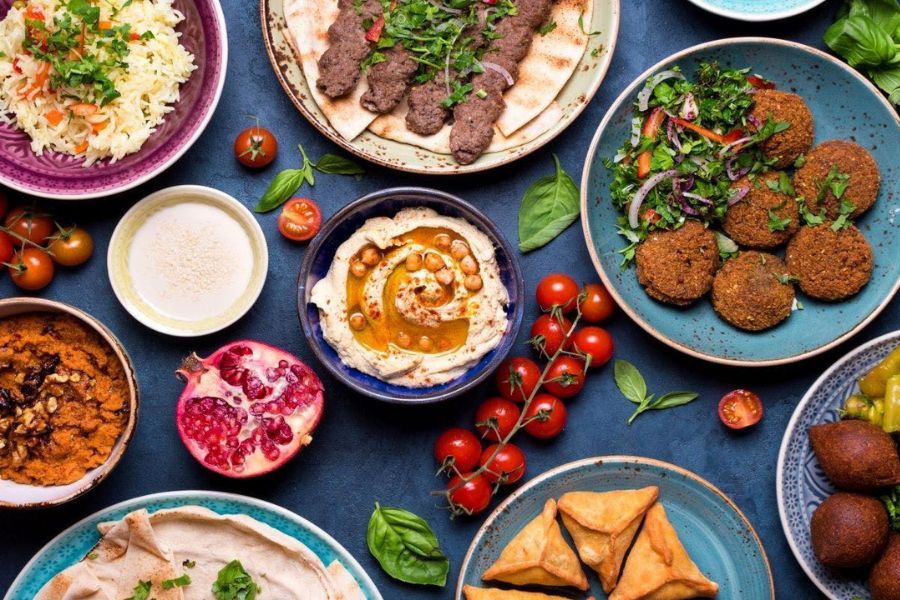
A smart mediterranean diet shopping list makes it much easier to eat well, lose weight, and protect your long term health. Instead of guessing what to buy once you are already in the store, you can walk in with a clear plan that reflects how people actually eat around the Mediterranean Sea: lots of vegetables, fruit, whole grains, beans, seafood, and healthy fats like extra virgin olive oil (Cleveland Clinic).
Below, you will find a practical, easy to follow Mediterranean diet shopping list broken into simple categories, plus ideas for using these staples in everyday meals.
Start with your mediterranean pantry basics
A well stocked pantry is the backbone of your Mediterranean diet shopping list. With the right shelf stable ingredients, you can pull together fast, healthy meals even on busy nights.
Oils, vinegars, and flavor boosters
Extra virgin olive oil is the primary fat in the Mediterranean diet. It supplies heart healthy monounsaturated fats and antioxidants that help reduce inflammation and protect brain and heart cells (Cleveland Clinic). Make it the first thing in your cart.
You can round out your flavor toolkit with a few more staples. Mediterranean kitchen pros often keep:
- Extra virgin olive oil for cooking, salads, and dips
- Aged balsamic vinegar for drizzling over vegetables and salads
- Red and white wine vinegar for dressings and marinades
- Red or white wine for cooking, if you use alcohol in recipes
These simple ingredients add brightness without relying on heavy sauces or excess salt (Mediterranean Living).
Canned and jarred goods
Keeping a few cans and jars on hand means you can turn vegetables, beans, and grains into full meals in minutes. Focus on:
- Crushed tomatoes, tomato sauce, and tomato paste
- Jars of roasted red peppers or artichokes in water or olive oil
- Canned chickpeas, cannellini beans, or lentils
- Olives and capers for a salty, savory kick
Crushed tomatoes, tomato sauce, and tomato paste in particular make it simple to build hearty vegetarian meals using just onions, garlic, and dried herbs as a base (Mediterranean Living).
Dried herbs and spices
Mediterranean food is famous for tasting rich and complex without heavy cream or butter. The secret is generous use of herbs and spices. Stock:
- Oregano, basil, thyme, rosemary, and bay leaves
- Cumin, coriander, smoked paprika, and chili flakes
- Garlic powder and onion powder for quick seasoning
Dried herbs like oregano and a variety of spices do more than add flavor. Traditional cooks have long used them to support digestion and overall wellness (Mediterranean Living).
Think of your pantry as your Mediterranean toolkit. With olive oil, tomatoes, beans, herbs, and a few grains, you can build countless meals without starting from scratch each time.
Pile your cart with mediterranean vegetables
The Mediterranean diet revolves around vegetables. You are encouraged to include them in every meal and to aim for at least three servings per day, with a goal of enjoying around 30 different vegetable varieties each week to boost nutrition and keep things interesting (Eden Green Technology).
Leafy greens to buy often
Leafy greens show up in salads, soups, stews, and side dishes all across the Mediterranean. On your shopping list, include:
- Spinach, rich in iron and vitamins A and C
- Kale, high in antioxidants and vitamin K
- Arugula, with a peppery flavor and a good source of calcium
You can eat these raw in salads, sauté them quickly with garlic and olive oil, or bake them into casseroles and savory pies (Eden Green Technology).
Cruciferous vegetables for fiber and crunch
Cruciferous vegetables bring fiber, vitamins, and texture. Add:
- Broccoli, a good source of vitamins C and K
- Brussels sprouts, high in fiber and compounds that can help reduce cancer risk
- Cauliflower, which works well roasted, mashed, or turned into a grain substitute
These vegetables are especially helpful if you want to feel full and satisfied while you are losing weight, because they provide volume for relatively few calories (Eden Green Technology).
Colorful nightshades and everyday favorites
Mediterranean cuisine relies heavily on nightshades and other everyday vegetables that bring both color and flavor:
- Tomatoes, rich in antioxidants like lycopene that support heart health
- Bell peppers, loaded with vitamin C
- Eggplant, ideal for grilling, roasting, or layering in bakes
- Zucchini and cucumbers for salads and quick sautés
- Artichokes for fiber and a slightly nutty flavor
- Onions and garlic for immune support and antioxidant benefits
These vegetables are incredibly versatile. Many also grow well as hydroponic plants, which makes them widely available year round (Eden Green Technology).
Choose fruits that fit mediterranean eating
Fruit in the Mediterranean diet is usually eaten whole or sliced, often for dessert instead of sugary sweets. Focus on seasonal, colorful options such as:
- Berries like strawberries and blueberries
- Citrus fruits like oranges, mandarins, and lemons
- Grapes and figs in season
- Apples, pears, and pomegranates
Whole fruits provide fiber, vitamins, and natural sweetness, which helps curb cravings for processed desserts while still letting you enjoy something sweet after meals (Cleveland Clinic).
Stock whole grains and fiber rich carbs
Whole grains are a core part of the Mediterranean diet, which emphasizes plenty of whole grains alongside vegetables and fruits (Cleveland Clinic). These grains provide energy, fiber, and important minerals while keeping your blood sugar more stable than refined grains.
Good options for your Mediterranean diet shopping list include:
- Bulgur wheat, a quick cooking grain for salads and pilafs
- Brown rice or wild rice
- Whole grain pasta or high fiber traditional pasta
- Farro, barley, or quinoa
- Old fashioned oats for breakfast
Whole grains like bulgur wheat and thoughtfully chosen pasta varieties are recommended pantry staples because they pair beautifully with vegetables, beans, and tomato based sauces (Mediterranean Living).
If you need to avoid gluten, you can still follow Mediterranean principles by focusing on naturally gluten free grains and starches, such as quinoa, brown rice, and potatoes. A dietitian can help you tailor your list to your needs if you are gluten free or have other restrictions (Cleveland Clinic).
Add beans, lentils, nuts, and seeds
Plant based proteins are one of the biggest differences between the Mediterranean diet and more meat heavy eating patterns. You rely heavily on beans, legumes, nuts, and seeds, with animal protein used more sparingly.
Beans and legumes
Beans and legumes are fundamental in any Mediterranean diet shopping list. They offer protein, fiber, and minerals, and they are inexpensive and filling. Look for:
- Canned chickpeas, black beans, and kidney beans
- Dried or canned lentils
- Cannellini or other white beans
Canned varieties are particularly useful when you are short on time and cannot soak dry beans overnight (Mediterranean Living).
Nuts and seeds
Nuts and seeds show up in snacks, salads, and even as toppings for yogurt or cooked vegetables. Stock items like:
- Almonds, walnuts, or pistachios
- Sunflower seeds or pumpkin seeds
- Sesame seeds or tahini (sesame seed paste)
These foods provide healthy fats and help you stay full between meals when you are trying to lose weight. They fit perfectly within the Mediterranean guideline of emphasizing nuts and seeds while limiting sweets and saturated fats (Cleveland Clinic).
Pick protein the mediterranean way
The Mediterranean diet still includes animal products, but in a different balance than a typical Western menu. Most of your protein comes from plant sources and seafood, with poultry and red meat in smaller amounts.
Seafood and fish
Seafood plays a starring role. Try to include:
- Fatty fish like salmon, sardines, and mackerel
- Lean white fish like cod or haddock
- Shellfish like shrimp or mussels if you enjoy them
Fish is central in many Mediterranean countries and provides omega 3 fats that support heart and brain health (The Mediterranean Dish).
Poultry, lamb, and lean beef
You do not have to give up other meats completely. The Mediterranean diet includes:
- Poultry like chicken or turkey
- Lamb and lean cuts of beef in moderation
The key is to limit processed and fatty red meats and to treat meat more like a side dish or flavoring rather than the main feature on your plate (The Mediterranean Dish).
Dairy and eggs
Dairy in the Mediterranean diet often appears as yogurt and cheese, usually in modest amounts. On your list, consider:
- Plain Greek yogurt
- Feta or other flavorful cheeses
- Eggs for flexible, quick meals
Together, these foods make it easy to build satisfying meals that do not rely heavily on red meat or highly processed options.
Customize your mediterranean diet shopping list
One of the strengths of the Mediterranean diet is its flexibility. The Mediterranean diet pyramid provides guidelines for how to eat over days or weeks rather than strict daily rules, which makes it easier to sustain long term (The Mediterranean Dish).
You can adapt your shopping list based on your preferences or restrictions:
- If you are vegetarian, lean more heavily on beans, lentils, whole grains, nuts, seeds, dairy, and eggs.
- If you are gluten free, choose naturally gluten free grains and talk with a dietitian about safe choices.
- If you are managing health conditions, a dietitian can help align your Mediterranean pantry with your specific needs (Cleveland Clinic).
The core idea stays the same. You emphasize plant foods and healthy fats like extra virgin olive oil, keep whole grains, vegetables, and fruits as your staples, and limit red meat, sweets, and saturated fats (Cleveland Clinic).
Put your list to work this week
Once you have built your Mediterranean diet shopping list, the final step is to turn those ingredients into simple, everyday meals. For example, you could:
- Toss cooked bulgur with chickpeas, tomatoes, cucumbers, arugula, and a lemon olive oil dressing for a quick grain salad.
- Roast a tray of broccoli, cauliflower, and Brussels sprouts in extra virgin olive oil, then serve with baked salmon and a spoon of Greek yogurt sauce.
- Simmer crushed tomatoes with garlic, onion, and dried oregano, then add white beans and serve over whole grain pasta.
Most of these ideas rely on the same core ingredients that appear again and again in Mediterranean kitchens: vegetables, whole grains, beans, herbs, and plenty of extra virgin olive oil. When you shop with those patterns in mind, your cart, your plate, and your health start to look more Mediterranean without feeling complicated or restrictive.
About the Author