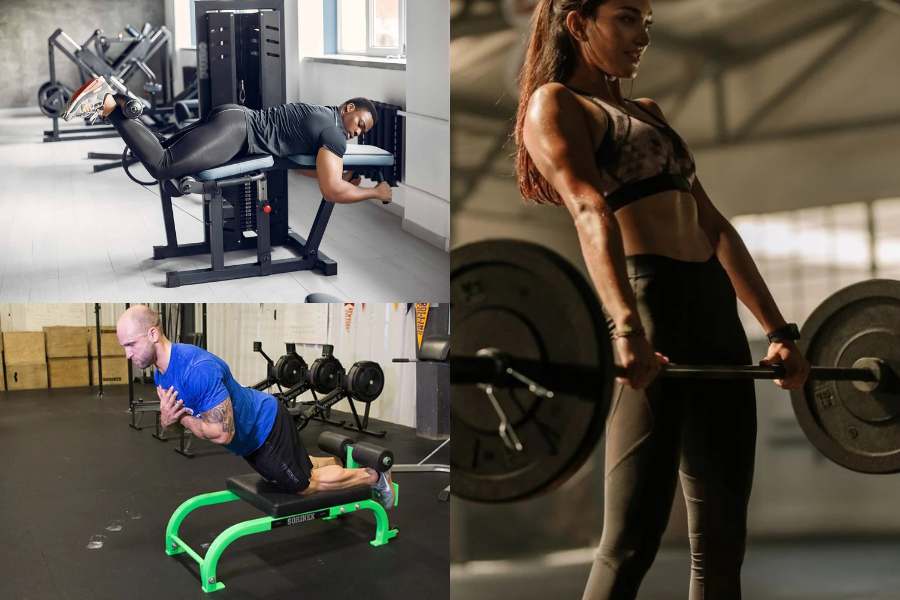
A hamstring workout without weights is one of the easiest ways to protect your knees, power up your runs, and feel stronger in everyday life. You can do it in your living room, no machines or gym membership required, and still make real progress.
Below, you will find a simple, friendly routine you can try today, plus clear form tips and ways to adjust each move for your current fitness level.
Understand why your hamstrings matter
Your hamstrings are a group of three muscles that run along the back of your thigh from your hip to just below your knee. They help you extend your hip and bend your knee, which means they are working whenever you walk, run, squat, or bend down to pick something up.
When your hamstrings are weak compared with your quadriceps on the front of your thigh, your knees often take on extra stress. Peloton instructor Matty Maggiacomo notes that this imbalance is especially common in women and can affect your exercise form and running stability. Strengthening your hamstrings helps balance things out so your joints do not have to work as hard.
You do not need heavy weights to get those benefits. Bodyweight hamstring exercises can effectively build strength for beginners and more advanced exercisers alike, as long as you are consistent and focus on good form.
How much hamstring work you really need
You can train your hamstrings with a few focused moves each week. Research highlighted in a 2024 review suggests that doing about 10 to 16 total sets of hamstring exercises per week can significantly reduce your risk of hamstring injuries, by up to 49 percent, and support muscle growth without requiring weights.
You can split those sets across:
- Two lower body days per week
- Or one hamstring focused session and one lighter “maintenance” day
Your friendly starter goal: try the full workout below twice per week. As you feel stronger, you can add a third day or repeat some of the exercises for extra sets.
Warm up before you start
A short warm up helps your muscles fire properly and may lower your risk of pulling something.
Spend 3 to 5 minutes on:
- Marching in place or light jogging around the room
- Gentle leg swings, front to back and side to side
- A few bodyweight squats or lunges
Finish with a simple hamstring stretch such as a standing forward fold, where you hinge at the hips and reach toward the floor with a soft bend in your knees.
Once you feel warmer and your heart rate is up a bit, you are ready to move into your hamstring workout without weights.
Beginner friendly hamstring workout without weights
If you are new to strength training or coming back after a break, start here. Aim for 2 sets of 10 to 12 slow, controlled reps for each exercise.
1. Good mornings
Good mornings are a simple way to learn the hip hinge pattern that trains your hamstrings and glutes.
- Stand with your feet hip width apart and a soft bend in your knees.
- Place your hands on your hips or lightly behind your head.
- Keeping your back flat, push your hips back as if you are closing a car door with your butt.
- Hinge forward until you feel a stretch in the backs of your thighs, then squeeze your glutes to stand tall.
Move slowly and avoid rounding your lower back. These are especially helpful if you sit a lot, since modern sedentary lifestyles often leave hamstrings tight and underused.
2. Bodyweight Romanian deadlifts
Bodyweight Romanian deadlifts (RDLs) are similar to good mornings but with more focus on reaching your arms toward the floor.
- Stand tall with your feet hip width apart, knees softly bent.
- Hinge at your hips while keeping your chest lifted and back straight.
- Slide your hands down your thighs toward your shins.
- When you feel a strong but comfortable stretch in your hamstrings, reverse the motion to stand up.
Think “sit back and lean forward” instead of “bend over.” Real Simple includes this as a go to bodyweight move for hamstring strength and daily function.
3. Glute bridges
Glute bridges strengthen your hamstrings through hip extension and give your glutes some much deserved attention.
- Lie on your back with knees bent and feet flat on the floor, hip width apart.
- Press your lower back gently into the floor to brace your core.
- Push through your heels to lift your hips until your body forms a straight line from shoulders to knees.
- Pause, then lower with control.
According to Real Simple, bridges are a simple, equipment free way to work both hamstrings and glutes at home.
4. Standing hamstring curls
Standing curls are a very gentle way to wake up your hamstrings. They are great if you are dealing with knee discomfort or just getting started.
- Stand tall and lightly hold onto a chair or wall for balance.
- Shift your weight to one leg.
- Bend the opposite knee, bringing your heel toward your butt.
- Lower with control and repeat.
Physical therapists often use this move early in rehab because it trains a full range of knee motion with very little stress on the joint.
Step up to intermediate bodyweight hamstring work
Once the beginner moves feel comfortable, you can make things more challenging with unilateral, or single leg, variations. These build balance and even out side to side differences.
Aim for 2 to 3 sets of 8 to 12 reps per leg.
5. Single leg Romanian deadlifts
Single leg RDLs train your hamstrings, glutes, and balance at the same time.
- Stand on your right leg with a soft bend in the knee.
- Hinge at the hip while you extend your left leg straight back behind you.
- Keep a straight line from your left heel through your spine to your head.
- Reach both hands toward the floor, then squeeze your right glute to return to standing.
The key is slow control. High rep sets in the 12 to 20 range without weights are very effective for building endurance and stability.
6. Reverse lunges
Reverse lunges shift more load into your hamstrings and glutes than forward lunges, especially if you think about pushing from your front heel.
- Stand tall with feet hip width apart.
- Step your right foot back and lower into a lunge, both knees bending to about 90 degrees.
- Keep your chest lifted and front knee stacked over your ankle.
- Push through your front heel to return to standing.
Alternate legs or complete all reps on one side before switching. Move slowly so you can feel the back of the front leg doing the work.
7. Straight single leg bridges
Once regular bridges feel easy, straighten one leg to increase the demand on each hamstring.
- Lie on your back, knees bent, feet flat.
- Extend your right leg straight so only your left heel is on the floor.
- Press through your left heel to lift your hips up into a bridge.
- Lower with control and repeat, then switch sides.
This variation appears in many intermediate hamstring routines because it challenges both strength and pelvic stability without needing added weight.
Try advanced hamstring moves when you are ready
If you already have a good strength base and no current hamstring or knee injury, you can experiment with some advanced bodyweight exercises. These place a bigger emphasis on eccentric control, which is key for protecting your muscles during sports and running.
Start with 1 to 2 sets of 6 to 8 reps per exercise. Quality matters more than quantity.
8. Sliding leg curls
Sliding leg curls mimic a hamstring curl machine, but you only need a smooth surface and something that slides.
You can use:
- Furniture sliders
- Paper plates on carpet
- Socks on hardwood or tile
- Lie on your back with your heels on the sliders and legs straight.
- Lift your hips into a bridge so your body forms a straight line.
- Slowly slide your heels toward your butt, bending your knees.
- Pause, then slide your legs back out while keeping your hips off the floor.
You can progress to single leg curls or V curls where your heels move in and out at an angle.
9. Bulgarian split squats
Bulgarian split squats are a powerful unilateral move that lights up your hamstrings, glutes, and quads.
- Stand about two feet in front of a sturdy chair or couch.
- Place the top of your right foot on the seat behind you.
- Bend your left knee and lower your hips straight down.
- Keep your torso slightly forward and your front heel firmly on the ground.
- Push through your front heel to stand.
Take your time finding your balance, and start with a smaller range of motion if needed. This exercise offers a serious challenge without any added weight.
10. Nordic hamstring curls (bodyweight glute ham raises)
Nordic curls are one of the toughest, most effective hamstring exercises you can do at home.
You need a partner to hold your ankles or a heavy piece of furniture to anchor your feet.
- Kneel on a soft surface with your body upright and your feet secured.
- Brace your core and keep your hips extended so your body forms a straight line from head to knees.
- Slowly lean your body forward, resisting the pull with your hamstrings.
- When you can no longer control the descent, catch yourself with your hands, then push lightly off the floor to return to the starting position.
They are challenging, so it is fine if you can only manage a few partial reps at first. These are well known for building strong, resilient hamstrings, especially through the eccentric portion of the movement.
If you are rehabbing a recent hamstring strain or knee injury, start with very gentle options like the seated hamstring squeeze, where you sit and lightly pull your heel backward to engage the muscle with almost no motion, and check in with a healthcare professional first.
Do not forget mobility and recovery
Strong muscles still need to move well. Tight hamstrings often come from lots of sitting and very little stretching.
A few simple stretches you can add to the end of your workout include:
- Standing straight leg hamstring stretch or forward fold
- Downward Dog
- Half kneeling hamstring stretch
- Supine hamstring stretch with a towel or band
These options from Real Simple help improve flexibility and can reduce that “stuck” feeling in the backs of your legs after long days at a desk.
Put it all together into a simple routine
If you are unsure where to start, here is a friendly 2 day hamstring workout without weights that you can rotate through the week.
Day 1, beginner to intermediate
- Good mornings, 2 sets of 12
- Bodyweight Romanian deadlifts, 2 sets of 12
- Glute bridges, 2 sets of 12
- Standing hamstring curls, 2 sets of 10 per leg
Day 2, intermediate to advanced
- Single leg Romanian deadlifts, 2 sets of 10 per leg
- Reverse lunges, 2 sets of 10 per leg
- Straight single leg bridges, 2 sets of 8 to 10 per leg
- Sliding leg curls, 2 sets of 8
Rest at least one day between these sessions. If anything feels sharp or painful, stop and scale back to an easier variation.
Over the next few weeks, notice how everyday tasks feel easier. Climbing stairs, going for a short run, or even standing up from a low chair can all feel smoother and more stable once your hamstrings are part of the team again.
You do not need a gym to get started. Pick two or three of the moves above, try them today, and give your hamstrings the attention they deserve.
About the Author