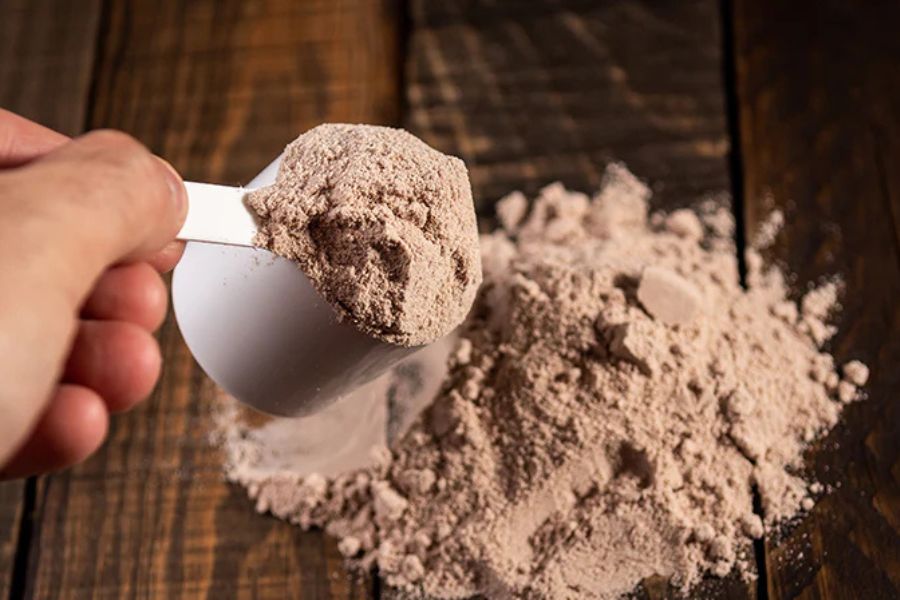
A scoop of protein after a workout feels like an easy win for your health. But if you are not paying attention to whey protein powder side effects, that same scoop can leave you gassy, bloated, or dealing with other problems you did not expect.
You do not have to avoid whey completely to stay safe. You just need to know what to watch for, when to cut back, and when it is better to skip it altogether.
How whey protein works in your body
Whey protein comes from milk. It is the liquid left over after milk is turned into cheese, then processed and dried into powder. You get a lot of protein in a small scoop, which is why athletes and busy people reach for it so often.
Your body breaks that protein down into amino acids, which help you:
- Build and repair muscle
- Support your immune system
- Maintain healthy hair, skin, and nails
For most healthy adults, whey protein is considered safe in moderate amounts, typically around 20 to 40 grams at a time. Taking more than that in a single serving does not give you extra benefit because your body can only use so much protein at once (Cleveland Clinic).
The problems usually start when you:
- Take very large amounts regularly
- Use it without paying attention to your overall diet
- Have an underlying health condition or sensitivity
Common digestive side effects
Stomach issues are the side effects you are most likely to notice first. Since whey comes from dairy, your gut has to work a bit harder if you are sensitive to lactose or certain additives.
Gas, bloating, and cramps
If you feel puffy, gassy, or crampy after your shake, you are not alone. Whey protein supplements often cause bloating, gas, stomach cramps, and diarrhea, especially if you are lactose intolerant (Healthline).
Two main culprits are usually involved:
- Lactose in the whey
- Sweeteners and fillers added to the powder
According to the Cleveland Clinic, the lactose in whey can lead to constipation, diarrhea, or nausea if your body struggles to digest it (Everyday Health).
Many powders also include sugar alcohols or other sweeteners that your gut bacteria ferment, which produces gas and discomfort. Ingredients like sugar alcohols, stevia, and luo han guo can trigger diarrhea, gas, and bloating in some people (Everyday Health).
Constipation
You might expect protein to speed things up, not slow them down. In reality, whey can contribute to constipation if it crowds out higher fiber foods in your diet.
High protein intake often reduces your appetite for fruits, vegetables, and whole grains. That means less fiber and more sluggish digestion. This imbalance can raise your risk of constipation, especially if you are already prone to it (Everyday Health).
If you notice constipation after adding whey, it is a sign to:
- Drink more water
- Add more fiber rich foods
- Consider lowering your serving size or frequency
How to ease digestive issues
If your gut feels off, you have a few options before giving up on whey completely:
- Try whey protein isolate, which contains less lactose, instead of concentrate (Everyday Health)
- Switch to an unsweetened powder and add your own fruit or a small amount of honey
- Avoid powders with long ingredient lists, artificial flavorings, and fillers, which may worsen gas and bloating (Everyday Health)
If symptoms stay strong even with these changes, it is worth talking with your doctor or a dietitian before continuing.
Allergies and intolerances you should not ignore
Not all reactions to whey are simple stomach trouble. In some cases, your immune system is involved, which is more serious.
Lactose intolerance
Lactose intolerance is very common worldwide. Up to 65 percent of people have trouble digesting lactose, the sugar in milk, by adulthood (Healthline).
If you are lactose intolerant, you may notice:
- Gas and bloating
- Diarrhea
- Cramping
These symptoms are uncomfortable, but they are not life threatening. They usually appear a few hours after you consume whey. You can often manage them by choosing whey isolate, taking lactase supplements, or switching to a non dairy protein powder (Everyday Health).
Milk allergy
A milk allergy is very different and more dangerous. It involves your immune system reacting to the proteins in milk, including whey. This allergy affects about 2 to 3 percent of children under 3 years old, and while many outgrow it, some do not (Healthline).
If you have a milk allergy, even small amounts of whey can cause:
- Hives, itching, or swelling
- Wheezing or trouble breathing
- Vomiting
- Anaphylaxis, which is a medical emergency
Health experts advise people with a cow’s milk allergy to avoid whey protein entirely because it can trigger severe allergic reactions (Healthline). If you suspect you have this allergy, get tested and follow your doctor’s advice before using any whey supplement.
Kidney and liver concerns
You might see dramatic warnings online about protein powder destroying kidneys and livers. The truth is more nuanced.
For healthy people, there is no strong evidence that whey protein alone causes kidney or liver damage. However, if you already have kidney or liver issues, or you are using very high doses for a long time, you need to be more careful.
Kidneys
Your kidneys help filter waste created when your body breaks down protein. Extra protein means extra work for them.
According to Healthline, evidence does not clearly show that high protein intake from whey damages kidneys in healthy individuals. However, it may worsen kidney damage in people who already have kidney disease, so they should talk to a doctor before using whey (Healthline).
Research has also found changes in kidney markers in some whey users, such as:
- Increased estimated glomerular filtration rate in older adults
- Elevated urinary calcium
- Lower urinary pH
- Higher serum creatinine, especially in sedentary people or those on chronic medications (PMC – NIH)
The American Kidney Fund notes that excessive protein intake from supplements can speed up kidney damage in people with chronic kidney disease, especially stages 3 to 5, because the kidneys struggle to clear the extra waste products (American Kidney Fund).
If you have known or suspected kidney issues, do not add whey protein without asking your nephrologist or dietitian first.
Liver
For most healthy people, studies do not show that whey protein or high protein diets cause liver damage on their own (Healthline). There have even been situations where whey helped with specific liver conditions.
At the same time, some research and case reports have linked whey use, especially chronic high dose use, to elevations in liver enzymes and rare liver injuries, particularly in people who are sedentary or already have liver disease (PMC – NIH, WebMD).
If you have liver disease, high protein intake might raise blood ammonia levels and hurt brain function, so medical guidance is important before you rely on whey supplements (Healthline).
Skin, mood, and gut microbiome changes
Not all whey protein powder side effects are obvious right away. Some show up gradually in your skin, mood, or gut health.
Acne and skin flare ups
Several human studies have found a consistent increase in acne severity among whey protein supplement users, especially male bodybuilders and teens. Acne often improved when they stopped using whey (PMC – NIH).
If your skin suddenly breaks out more after you start a new whey powder, it is worth pausing it for a few weeks to see if things clear up.
Mood and behavior
Research has found mixed effects of whey on mood:
- Some studies linked very high protein intake to increased aggression or anger expression in male bodybuilders (PMC – NIH)
- Other research connected a component of whey, alpha lactalbumin, with reduced anxiety and better mood
If you notice you feel unusually irritable, anxious, or edgy after increasing your whey intake, consider cutting back and paying attention to how you feel.
Gut bacteria
Whey can change the composition of your gut microbiome. Some studies found more potentially harmful bacteria like Bacteroidetes, while others found increases in beneficial bacteria such as Bifidobacterium and Lactobacillus and higher short chain fatty acid production (PMC – NIH).
Because the results are mixed, it is not clear whether these changes are good or bad overall. For you personally, it makes sense to watch for changes like:
- More frequent stomach upset
- New food sensitivities
- Changes in bowel habits
If something feels off, a dietitian can help you decide whether whey is part of the problem.
Contaminants and added ingredients in protein powders
One of the most overlooked whey protein powder side effects has nothing to do with the protein itself. It is about what gets added or accidentally included during manufacturing.
A 2024 Harvard Health Publishing report highlighted that protein powders can contain added sugars, extra calories, and even toxic chemicals (Harvard Health Publishing).
Testing by the Clean Label Project found that many protein powders contained:
- Heavy metals such as lead, arsenic, cadmium, and mercury
- Bisphenol A (BPA) from plastic
- Pesticides
Some levels were high, including one powder with BPA at 25 times the allowed limit (Harvard Health Publishing). Contaminants can come from the manufacturing process or from toxins in the soil where plant ingredients are grown.
Because of these risks, registered dietitian Kathy McManus advises against using protein powders, including whey, except in rare cases and under medical supervision (Harvard Health Publishing).
If you choose to keep using whey, look for brands that:
- Provide third party testing results
- Limit added sugars and artificial sweeteners
- Use minimal, clearly identified ingredients
Interactions with medications
Whey protein can also affect the way some medications work by changing how well your body absorbs them.
According to WebMD, whey may interact moderately with medicines such as:
- Levodopa
- Quinolone and tetracycline antibiotics
- Bisphosphonates
For example, levodopa absorption can be reduced if you take it at the same time as whey protein, which can weaken its effect. The recommendation is to avoid taking whey and levodopa together, and to separate antibiotics and bisphosphonates from whey in your schedule (WebMD).
If you take daily medications, always let your doctor or pharmacist know about any supplements you use, including whey.
How much whey protein is actually useful
You might feel pressure to chase high protein numbers, but more is not always better.
The Cleveland Clinic notes that consuming more than 20 to 40 grams of whey protein at one time does not help, even if you are trying to bulk up, because your body can only use that amount at once (Cleveland Clinic).
Most people already get enough protein from regular food and do not need supplements to hit their daily targets (Cleveland Clinic). Harvard Health Publishing recommends focusing on whole food sources like:
Nuts, seeds, dairy, legumes, fish, poultry, eggs, and lean meat to meet your daily protein needs of about 46 grams for most women and 56 grams for most men (Harvard Health Publishing).
If you still want to use whey, think of it as a backup, not your main protein source.
When you should talk to a doctor
You should pause your whey supplement and check in with a healthcare professional if you:
- Develop hives, swelling, wheezing, or trouble breathing after taking it
- Have known kidney or liver disease and are considering adding whey
- Notice persistent digestive symptoms, severe acne, or mood changes after starting a new powder
- Take medications that could interact with whey, such as levodopa or certain antibiotics
Whey protein is generally safe for most people without a dairy allergy, especially in moderate amounts (Cleveland Clinic). The key is to listen to your body, use it thoughtfully, and lean on whole foods first.
If you are ever unsure whether whey is right for you, your doctor or a registered dietitian can help you weigh the benefits against the potential side effects and find a protein strategy that fits your health and your goals.
About the Author