Understand weight loss with intermittent fasting
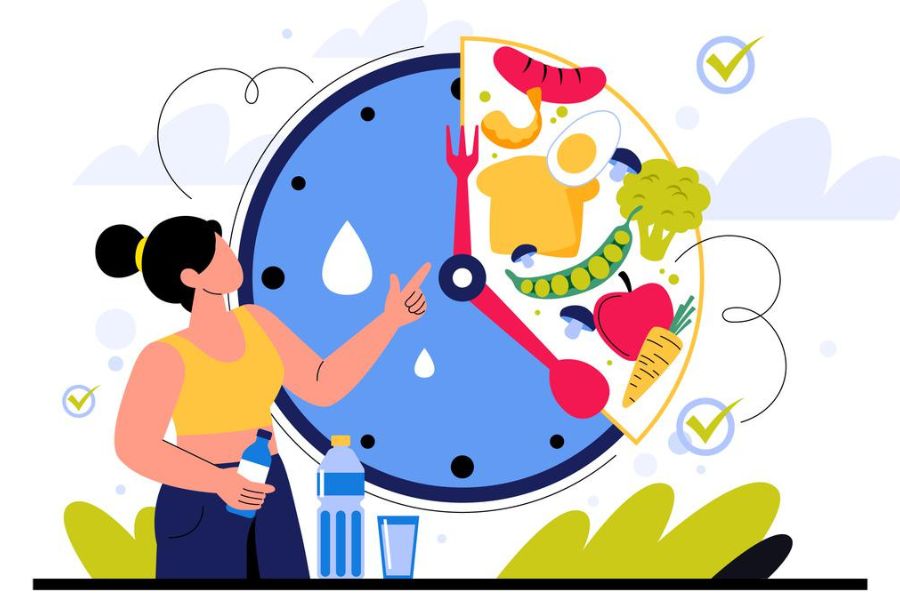
If you are curious about weight loss with intermittent fasting, you are not alone. Intermittent fasting is an eating pattern where you cycle between periods of eating and fasting, such as fasting for 16 hours and eating during an 8 hour window or limiting calories on certain days of the week (Mayo Clinic).
Instead of focusing on what you eat, intermittent fasting focuses on when you eat. That schedule can trigger a “metabolic switch” after about 10 to 12 hours without food, when your body shifts from burning glucose to burning stored fat for energy (Mass General Brigham; Johns Hopkins Medicine). This is one of the main reasons it can support fat loss.
Before you decide if it is right for you, it helps to understand what kind of results are realistic and what actually drives them.
What the research says about weight loss
You will see a wide range of claims online, but controlled studies give you a clearer picture of how much weight you can realistically lose with intermittent fasting:
- A review of 27 intermittent fasting trials in people with overweight or obesity found consistent weight loss ranging from about 0.8% to 13% of starting body weight over 2 to 52 weeks, with no serious adverse events reported (Canadian Family Physician).
- In 12 studies that directly compared intermittent fasting to traditional daily calorie restriction, weight loss was similar in both groups. Losses ranged from about 4.6% to 13% of body weight over 8 weeks to 1 year (Canadian Family Physician).
- A large systematic review of 99 clinical trials involving more than 6,500 participants found that intermittent fasting diets were about as effective for weight loss and cardiometabolic health as standard calorie restricted diets. Alternate day fasting led to about 1.3 kilograms more weight loss than daily calorie restriction in some trials (Harvard T.H. Chan School of Public Health).
In simple terms, intermittent fasting can help you lose weight, but it is not necessarily a shortcut. You still lose weight because you eat fewer calories overall and your body spends more time in a fat burning state.
How intermittent fasting supports fat loss
You might be wondering what is actually happening in your body when you fast. A few key changes explain why weight loss with intermittent fasting can work for you.
Metabolic switching to fat burning
After you go 10 to 12 hours without eating, your body uses up most of its immediate sugar stores and begins to burn fat for energy instead. Researchers call this “metabolic switching” (Mass General Brigham; Johns Hopkins Medicine).
If you normally eat from early morning until late at night, you may never give your body a long enough break to reach this fat burning mode. Extending your overnight fast, even by a few hours, encourages your body to tap into stored fat more often.
Effects on insulin and blood sugar
Insulin is a hormone that helps move sugar from your blood into your cells. Constant snacking tends to keep insulin levels elevated, which can make it easier to store fat.
Intermittent fasting appears to:
- Reduce insulin resistance and fasting insulin levels, especially when you lose weight at the same time (Mass General Brigham)
- Improve glycemic control and lower hemoglobin A1c (a measure of long term blood sugar) in people with type 2 diabetes, although medication adjustments are often needed to avoid low blood sugar (Canadian Family Physician)
Better insulin sensitivity can make it easier for your body to use stored energy rather than constantly storing more.
Appetite, cravings, and portion sizes
Intermittent fasting can also affect your eating habits in less obvious ways. Some people notice that regular fasting periods:
- Reduce cravings for snack foods
- Help them feel satisfied with smaller portions
as described by dietitians who see patients use time restricted eating in practice (Cleveland Clinic).
If you are used to eating out of habit rather than hunger, a defined eating window can help you pause and check in with your appetite cues.
Common intermittent fasting methods for weight loss
There is no single “best” intermittent fasting schedule. Different patterns work for different lifestyles and health needs. Here are some of the most studied methods and how they typically look.
Time restricted eating (for example 16:8)
Time restricted eating limits your daily eating to a specific window and you fast the rest of the day.
- Typical schedule: 16 hours of fasting and an 8 hour eating window each day
- Common pattern: Finish dinner by 7 p.m., then eat your first meal the next day around 11 a.m.
- Evidence: The 16:8 method is one of the most popular, especially if you are new to fasting (Verywell Health; Cleveland Clinic).
Some research suggests that putting your eating window earlier in the day, for example 9 a.m. to 5 p.m., might be more favorable for weight loss and metabolic health than eating late into the evening (Mass General Brigham). However, at least one study also found that simply shortening the eating window without other changes did not consistently prevent weight gain over time (Johns Hopkins Medicine).
The 5:2 diet
The 5:2 approach divides your week into regular eating days and lower calorie “fasting” days.
- Typical schedule: 5 days per week you eat a normal, healthy diet
- On 2 non consecutive days, you limit calories to about 500 to 600 for the entire day
- Evidence: This method has been studied for weight loss and blood sugar control and tends to be more flexible than daily fasting (Johns Hopkins Medicine; Verywell Health; Cleveland Clinic).
If you like the idea of eating three meals most days, the 5:2 diet may feel more realistic than fasting every day.
Alternate day fasting
Alternate day fasting is a more intensive pattern where you fast every other day.
- Typical schedule: One day of regular eating followed by a fasting day, repeated
- Fasting day intake: Often about 25% of your usual calories rather than nothing at all (Cleveland Clinic)
- Evidence: In a large review, alternate day fasting led to slightly more weight loss, about 1.3 kilograms, than standard daily calorie restriction in some studies, and improvements in waist size, cholesterol, triglycerides, and inflammation markers (Harvard T.H. Chan School of Public Health).
This method can be effective but is not for everyone. A study also found that LDL cholesterol went up six months after participants stopped alternate day fasting, which suggests that the long term effects may be mixed (Cleveland Clinic).
More extreme methods (OMAD and 24 hour fasts)
Some intermittent fasting patterns are much stricter:
- One Meal a Day (OMAD): You eat all your calories in one meal and fast the rest of the day
- Eat Stop Eat or 24 hour fasts: You fast for a full 24 hours once or twice a week
These approaches can lead to significant calorie reduction but may not be suitable if you are new to fasting or if you have underlying health conditions. Experts caution that more extreme methods can increase the risk of side effects or make it harder to meet your nutrient needs (Verywell Health).
How much weight you might realistically lose
Because weight loss depends on your starting point, your food choices, your activity level, and your specific fasting method, there is no single number that applies to everyone. However, you can use research ranges as a guide.
Typical weight loss ranges seen in studies
Based on the trials summarized in the research:
- Many people lose between about 0.8% and 13% of their starting body weight over 2 to 52 weeks of intermittent fasting (Canadian Family Physician).
- In direct comparisons with standard calorie restriction, intermittent fasting tends to produce similar average weight loss over 8 weeks to 1 year, often in the 4.6% to 13% range (Canadian Family Physician).
- Across 99 clinical trials, different forms of intermittent fasting and daily calorie restriction produced comparable results overall, with alternate day fasting sometimes offering a slight edge in weight loss (Harvard T.H. Chan School of Public Health).
To put that into perspective, if you weigh 200 pounds, a 5% to 10% loss would be 10 to 20 pounds over several months. That level of loss is enough to improve blood pressure, blood sugar, and cholesterol for many people, even if you are not at your “goal weight” yet.
What shapes your personal results
Your results will depend on several factors you can influence:
- How consistently you follow your chosen schedule
- What you eat during eating windows
- Portion sizes and total calories
- Physical activity, especially whether you move regularly and include strength training
- Sleep and stress levels, which can affect hunger hormones and cravings
Intermittent fasting is a framework, not a free pass. If you regularly overeat highly processed foods during your eating window, you may not lose much weight, even if your schedule is perfect.
Health benefits beyond the scale
While your main goal might be weight loss with intermittent fasting, several studies suggest benefits that go beyond the number on the scale.
Metabolic and cardiometabolic health
Research points to a range of potential improvements:
- Better insulin sensitivity and lower fasting insulin levels, especially when weight loss occurs (Mass General Brigham)
- Reductions in waist circumference, often 3 to 8 centimeters over more than 4 weeks of intermittent fasting (Canadian Family Physician)
- Improvements in cholesterol, triglycerides, and inflammation markers, especially with alternate day fasting in some trials (Harvard T.H. Chan School of Public Health)
- Better glycemic control and lower A1c in people with type 2 diabetes, although careful medical supervision is essential (Canadian Family Physician)
Short term research also suggests that intermittent fasting may shift how your cells handle repair, energy use, and overall balance, which could support health in ways scientists are still studying (Mayo Clinic).
How you feel day to day
Some people report that after a 2 to 4 week adjustment period, they:
- Feel less hungry between meals
- Notice fewer cravings for snack foods
- Experience more stable energy levels
Experts at Johns Hopkins note that although the first few weeks can be challenging, many people who adapt continue because they feel better overall and may notice a leaner body and other health improvements (Johns Hopkins Medicine).
That said, your experience may be different, and it is worth paying attention to how your body responds.
Possible risks and who should be careful
Intermittent fasting is not a one size fits all solution. It can be safe and helpful for many, but it is not appropriate for everyone or every stage of life.
Common side effects
Especially at the beginning, you may notice:
- Fatigue or low energy
- Dizziness or headaches
- Irritability or mood swings
- Constipation
- Changes in your menstrual cycle
as described in summaries of intermittent fasting research and clinical experience (Mayo Clinic).
These symptoms sometimes ease as your body adjusts over 2 to 4 weeks, but they are signs to slow down, adjust your approach, or talk with a healthcare provider.
Effects on heart and hormones
Researchers are still learning about the long term effects of different fasting patterns. Early evidence suggests that:
- A 16 hour fast with an 8 hour eating window might increase heart disease risk compared with some other time restricted patterns in certain populations, which is one reason why you should not assume longer is always better (Mayo Clinic).
- Some trials suggest that intermittent fasting may lower androgen levels in males and that females may be more sensitive to fasting related hormone shifts. This highlights why individualized plans matter (Verywell Health).
Because of these uncertainties, medical guidance is especially important if you have heart disease, hormone related conditions, or take daily medications.
Risk of lean muscle loss
Weight loss is not always just fat. If you are not careful, you can lose lean muscle, which can slow your metabolism and affect strength. Some intermittent fasting research notes the potential for loss of lean mass, especially if you are active or focusing on strength training and you do not eat enough protein or total calories (Verywell Health).
If you choose to fast, aim to:
- Include protein at each meal
- Perform resistance or strength training a few times per week
- Avoid extreme calorie restriction for long periods
People who should talk to a healthcare provider first
Experts from major institutions emphasize that intermittent fasting may not be suitable for everyone and should be personalized based on your medical history, preferences, and lifestyle (Mayo Clinic; Harvard T.H. Chan School of Public Health; Cleveland Clinic).
You should get professional guidance before trying intermittent fasting if you:
- Have diabetes, especially if you take insulin or medications that lower blood sugar
- Have a history of eating disorders or disordered eating
- Are pregnant, breastfeeding, or trying to conceive
- Have low blood pressure, kidney disease, or certain heart conditions
- Are under 18, older with frailty concerns, or underweight
Your provider can help you decide if intermittent fasting fits your situation and how to adjust medications, meal timing, or monitoring if you move forward.
How to make intermittent fasting work for you
If you decide to try intermittent fasting for weight loss, structure it so that it feels sustainable instead of extreme. A plan you can stick with will always beat a perfect plan you constantly abandon.
Choose a gentle starting schedule
Instead of jumping straight into the strictest pattern, start small and adjust:
- Extend your overnight fast by 1 to 2 hours for a week. For example, stop eating at 8 p.m. and push breakfast from 7 a.m. to 9 a.m.
- Move toward a 12:12 or 14:10 schedule, where you fast 12 to 14 hours and eat in the remaining window.
- Try a 16:8 pattern only if the shorter fasts feel comfortable.
This gradual shift gives your body time to adapt and reduces the chance that you will feel extremely hungry or lightheaded early on.
Focus on what you eat, not just when
Your eating window is not a free for all. Weight loss with intermittent fasting is far more likely if you:
- Fill your plate with fruits, vegetables, whole grains, and lean proteins
- Include healthy fats from foods like nuts, seeds, and olive oil
- Limit highly processed foods, sugary drinks, and fast food
Experts at Mass General Brigham emphasize that eating nutritious foods during your feeding window and avoiding overindulgence in unhealthy options are crucial for effective weight loss with intermittent fasting (Mass General Brigham).
Plan your meals around your life
To keep your plan realistic, match your eating window to your schedule:
- If you work early mornings, you might prefer an earlier eating window, such as 8 a.m. to 4 p.m.
- If you socialize in the evenings, a 10 a.m. to 6 p.m. or 11 a.m. to 7 p.m. window may be easier.
You can also adjust slightly on special occasions instead of abandoning your plan completely. Flexibility makes fasting more compatible with real life.
Support your body during fasting hours
You can make fasting periods more comfortable with a few simple habits:
- Drink water regularly. Staying hydrated can ease hunger and headaches.
- Sip on calorie free drinks like unsweetened tea or black coffee if you tolerate caffeine.
- Keep busy with light activities during your usual “snack times” so you are not sitting and thinking only about food.
- Get enough sleep, since short sleep can increase hunger and cravings.
If you feel shaky, faint, or unwell, it is reasonable to end a fast early and talk with a healthcare provider about next steps.
When intermittent fasting may not be your best option
Even though the research is promising, it is important to remember that intermittent fasting is just one tool among many. Studies consistently show that it is about as effective as traditional calorie restriction when it comes to weight loss and cardiometabolic health (Harvard T.H. Chan School of Public Health; Canadian Family Physician).
That means you do not have to fast to lose weight. You might do better with:
- A regular eating schedule that focuses on balanced meals
- Gradual calorie reduction without strict fasting windows
- A focus on improving food quality and movement before you change meal timing
If fasting makes you fixate on food, triggers bingeing, or worsens your relationship with eating, it is likely not the right strategy for you. Your overall well being matters more than following a popular trend.
Bringing it all together
Weight loss with intermittent fasting is possible and often comparable to the results you would see with a standard calorie restricted diet. Across multiple studies, people typically lose a meaningful percentage of their starting body weight, especially when they pair fasting with nutritious foods and an active lifestyle.
At the same time, intermittent fasting is not magic or suitable for everyone. Your results depend on how you structure your eating window, what you eat, how your body responds, and whether the approach fits your daily life.
If you are considering intermittent fasting, a helpful next step is to discuss it with your healthcare provider. Together, you can look at your health history, medications, and goals, then decide whether fasting is a good fit or if another path to healthy, sustainable weight loss makes more sense for you.
About the Author